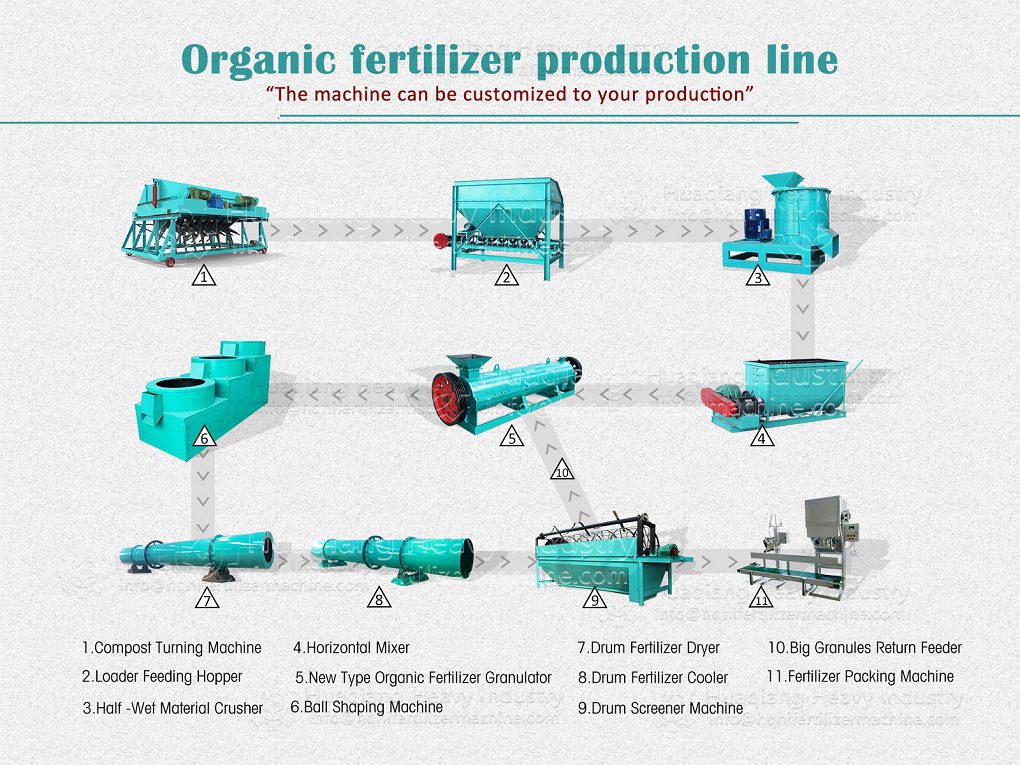
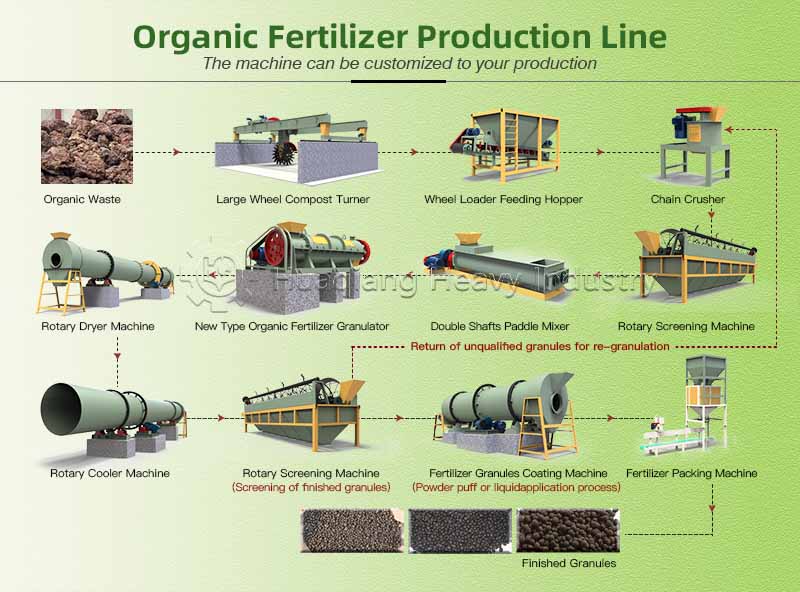
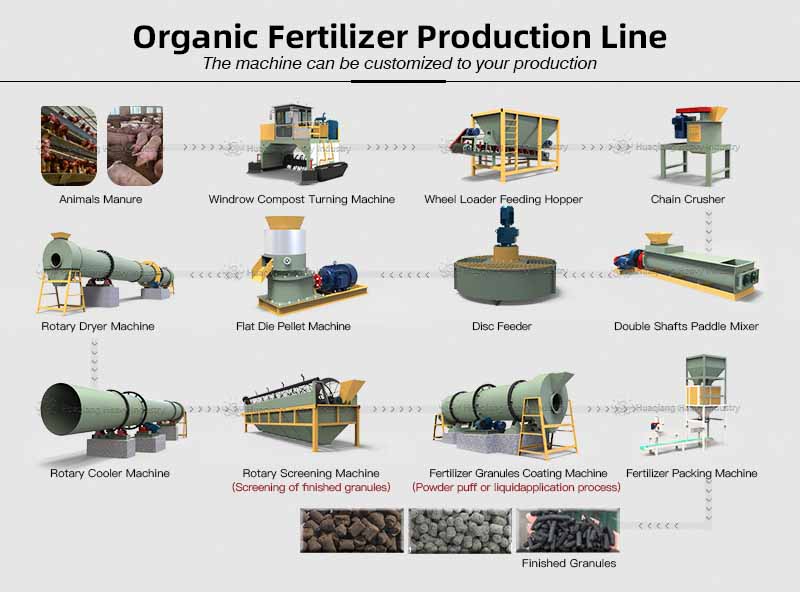
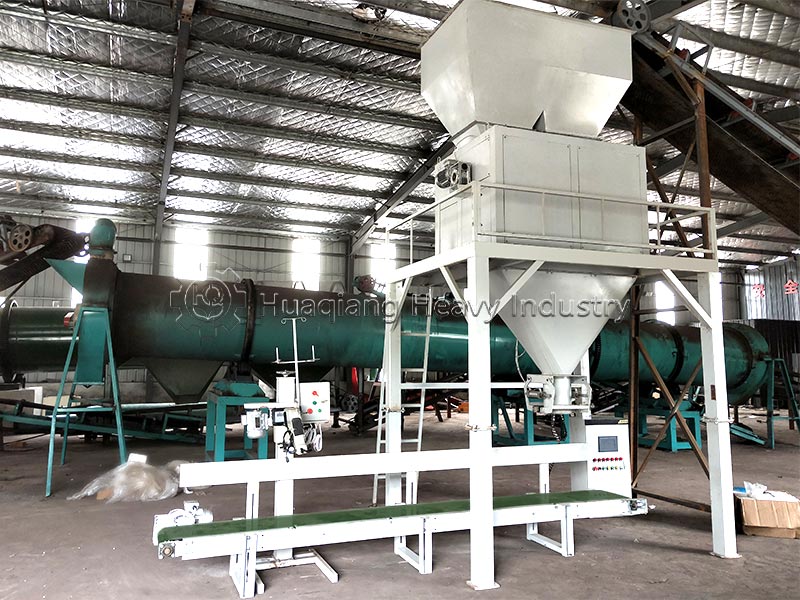
Why is the drum fertilizer dryer the core equipment in organic fertilizer production lines?

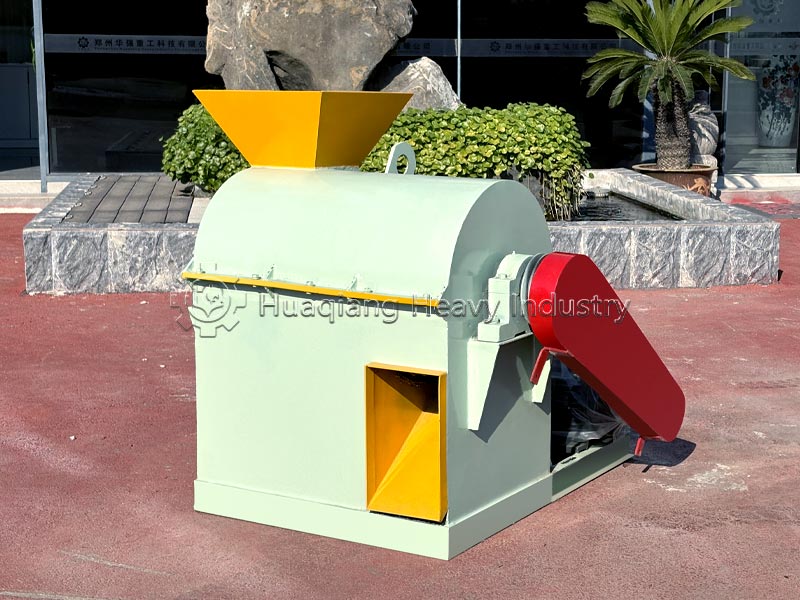
In the entire chain of organic fertilizer production, the drum fertilizer dryer, as a key piece of organic fertilizer production equipment, is by no means an optional auxiliary device, but rather a core link that determines product quality, production efficiency, and market competitiveness. It is an indispensable piece of equipment for organic fertilizer processing plants.

Firstly, it precisely solves the problem of moisture content in organic fertilizer raw materials. Organic fertilizer raw materials are mostly livestock and poultry manure, straw, and mushroom residue. Fresh raw materials have a moisture content exceeding 60%, and directly entering subsequent processes can easily cause equipment clogging, prevent proper shaping, and promote mold growth. The drum fertilizer dryer, through high-temperature hot air circulation, can quickly reduce the moisture content of the raw materials to a suitable range of 30%-40%, laying the foundation for subsequent processes.

Secondly, it is a key guarantee for improving the quality of organic fertilizer. Organic fertilizer that is not sufficiently dried is prone to secondary fermentation, clumping, and deterioration during storage and transportation, which reduces fertilizer efficiency and pollutes the environment. The drum fertilizer dryer can simultaneously kill insect eggs and bacteria during drying, reducing the risk of pests and diseases, and also improving the strength and uniformity of fertilizer granules.

Furthermore, its high efficiency and stability are perfectly suited to the needs of industrialized organic fertilizer production lines. The drum fertilizer dryer has a large processing capacity and high efficiency, meeting the requirements of large-scale continuous operation. At the same time, energy consumption is controllable; by adjusting the temperature and rotation speed, it can reduce costs and increase efficiency while ensuring effectiveness.

For organic fertilizer processing plants, equipping themselves with a high-efficiency drum fertilizer dryer, a core piece of organic fertilizer production equipment, is a necessary condition for achieving improved quality, increased efficiency, and green development in organic fertilizer production lines.

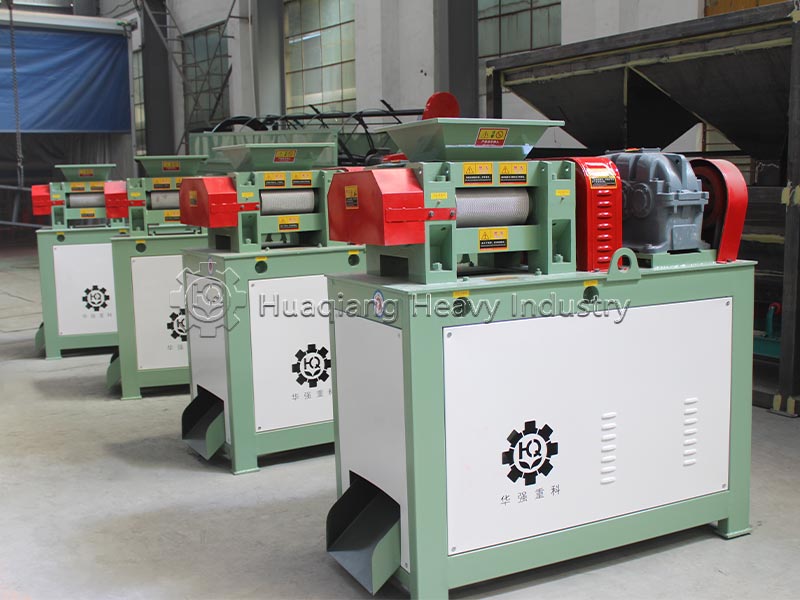
Fertilizer compaction machines: A key choice in modern organic fertilizer granulation technology

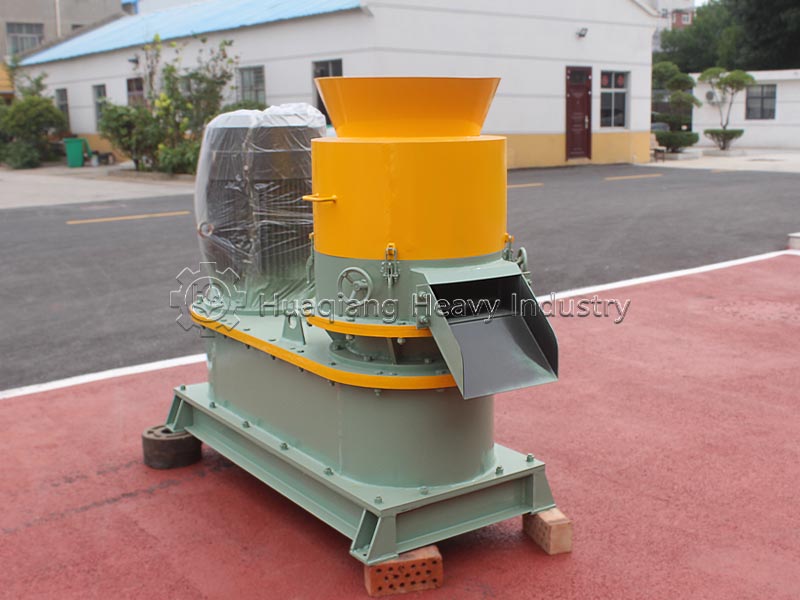
In today’s landscape of various organic fertilizer granulation equipment, fertilizer compaction machines, with their unique technological approach, have established a distinct competitive advantage over rotary drum granulators, ring die pelleting machines, and flat die pelleting machines. This type of equipment, which uses mechanical pressure to shape materials, provides organic fertilizer production lines with more diverse technological options.

Comparing various granulation equipment, ring die pelleting machines and flat die pelleting machines employ similar extrusion principles, but each has its own characteristics in terms of specific structure and applicable scenarios. Fertilizer compaction machines maintain a relatively simple mechanical structure among these equipment types. This design feature makes them outstanding in terms of ease of maintenance and operational stability, making them a reliable choice for many fertilizer production enterprises.

With technological advancements, new type organic fertilizer granulators are constantly emerging, but extruders maintain their unique market position. Modern extrusion equipment, while inheriting traditional advantages, integrates innovative elements such as intelligent control and energy consumption optimization, enabling it to continue to maintain its competitiveness against other types of granulation equipment.

With the trend of diversified development in organic fertilizer granulation equipment, extruders continue to play an irreplaceable role in modern fertilizer production due to their unique technical characteristics and reliable product performance. They not only enrich the process routes for organic fertilizer production but also provide production enterprises with more diversified product development possibilities.

Fertilizer granules compaction technology: Enabling flexible production in fertilizer production lines

In the large-scale production of bio-organic fertilizers, flexible adaptation to diverse raw materials and product requirements is crucial for enhancing competitiveness. As a core piece of bio-organic fertilizer equipment, the fertilizer compaction machine, relying on fertilizer granules compaction technology, precisely addresses production pain points in multiple scenarios, providing crucial support for the efficient and flexible operation of bio-organic fertilizer production lines.

When dealing with diverse raw materials, the advantages of fertilizer granules compaction technology are significant. Bio-organic fertilizer raw materials include livestock and poultry manure, straw, and fungal residue, with varying moisture content and fiber content. The fertilizer compaction machine can adapt to different raw materials by adjusting parameters such as extrusion pressure and rotation speed: strengthening shear force for high-fiber materials and optimizing anti-sticking design for high-moisture materials. This allows for granulation of multiple raw materials without changing equipment, significantly broadening the range of raw materials suitable for bio-organic fertilizer production lines.

In terms of product form optimization, this technology can precisely control granule specifications. Different scenarios require different particle sizes and hardness for organic fertilizers; for example, field fertilizers require large, hard granules for mechanical application, while seedling fertilizers require fine, soft granules. By changing molds and adjusting technical parameters, the fertilizer granules compaction machine can mass-produce products of different specifications, allowing bio-organic fertilizer production lines to flexibly respond to market demands and enhance product competitiveness.

Furthermore, the low energy consumption and low pollution characteristics of this technology align with green production requirements. It requires minimal binders, ensuring both high molding efficiency and preservation of raw material nutrients, while minimizing dust and wastewater emissions. This contributes to the environmentally friendly and efficient operation of bio-organic fertilizer production lines, demonstrating the empowering value of advanced technology for bio-organic fertilizer equipment and industry development.

The core of NPK fertilizer production line quality: The suitability and value of flat die pelleting machines

The granular quality of NPK fertilizers directly determines their fertilization effect and market acceptance. The NPK fertilizer granulator machine, as the core equipment of the production line, plays a crucial role in quality control. Among the many types of NPK fertilizer granulators, the flat die pelleting machine, with its unique advantages, has become the preferred equipment for small and medium-sized NPK fertilizer production lines.

The flat die pelleting machine is well-suited to the raw material characteristics of NPK fertilizers and meets the diverse needs of the production line. NPK fertilizer raw materials have complex compositions and varying particle sizes and viscosities. The flat die pelleting machine, through its die extrusion molding principle, can effectively adapt to different NPK raw material ratios. Whether it’s high-nitrogen, high-phosphorus, or balanced ratio raw materials, it can achieve stable granulation, producing granules with high strength and uniform nutrient distribution, preventing powdering or caking. At the same time, its simple structure and convenient adjustment allow for flexible adjustment of particle size according to production line needs, adapting to different crop fertilization scenarios.

The synergistic operation of the flat die pelleting machine and the NPK fertilizer production line requires attention to core details. On the one hand, it is necessary to ensure uniform mixing of raw materials at the front end to lay the foundation for granulation; on the other hand, it is necessary to accurately adjust the pressure and speed of the granulator according to the moisture content of the raw materials to avoid particle adhesion due to excessive moisture or difficulty in molding due to insufficient moisture.

In summary, in an NPK fertilizer production line, the rational selection of a high-quality NPK fertilizer granulator like the flat die pelleting machine, and the control of the synergistic details between the equipment, raw materials, and processes, is the core path to improving product quality and enhancing the competitiveness of the production line.

Carbon-based synergistic granulation! Carbon-based fertilizer disc + drum granulation production line

This innovative carbon-based fertilizer disc + drum granulation production line integrates two processes: “disc pre-granulation + drum finishing.” Specifically designed for the granulation needs of carbon-based raw materials (straw charcoal, bamboo charcoal, biochar, etc.), it solves the granulation pain points of lightweight and poor binding properties of carbon-based raw materials through a closed-loop process of “pre-forming + densification.” This enables large-scale, high-quality production of carbon-based fertilizer, suitable for green development scenarios such as ecological agriculture and organic farming.

Production Line Configuration and Core Details

Raw Material Pre-treatment Unit: Laying the Foundation for Granulation

(I) Raw Material Storage and Precision Batching

Multi-Compartment Storage System: Equipped with 5 raw material compartments (total volume 120m³), storing biochar, organic fertilizer fermentation material, nitrogen, phosphorus, and potassium inorganic fertilizer, binders (such as bentonite and starch), and trace elements respectively. The compartments are made of carbon steel with an anti-corrosion coating, and vibrators and star-shaped unloaders are installed at the bottom to prevent bridging and clogging of carbon-based raw materials.

Precision Batching Device: Employs a frequency-controlled screw feeder, with 5 batching systems operating synchronously, achieving a batching error of ≤±1%. The proportion of biochar can be flexibly adjusted (30%-60%), the ratio of inorganic to organic fertilizer is customized according to crop needs, and the binder addition is controlled at 3%-8% to ensure pellet formation rate.

(II) Raw Material Mixing and Moisture Adjustment

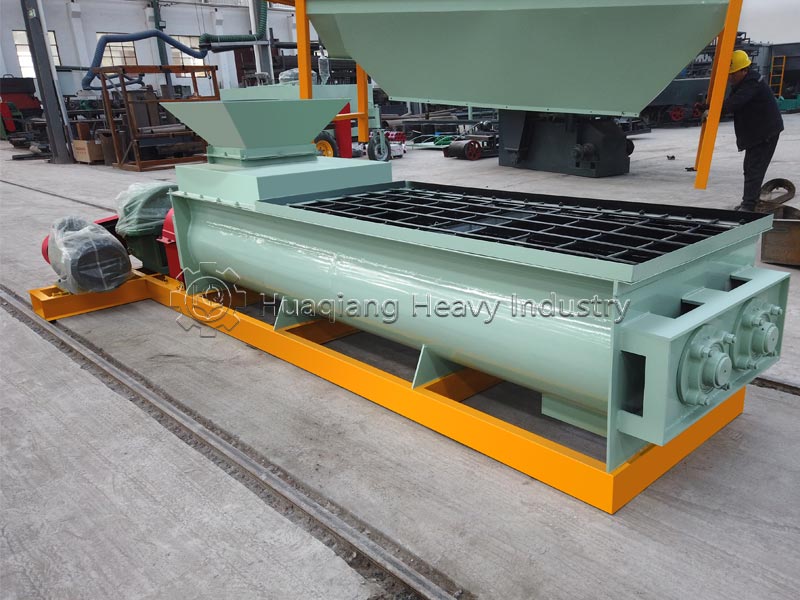
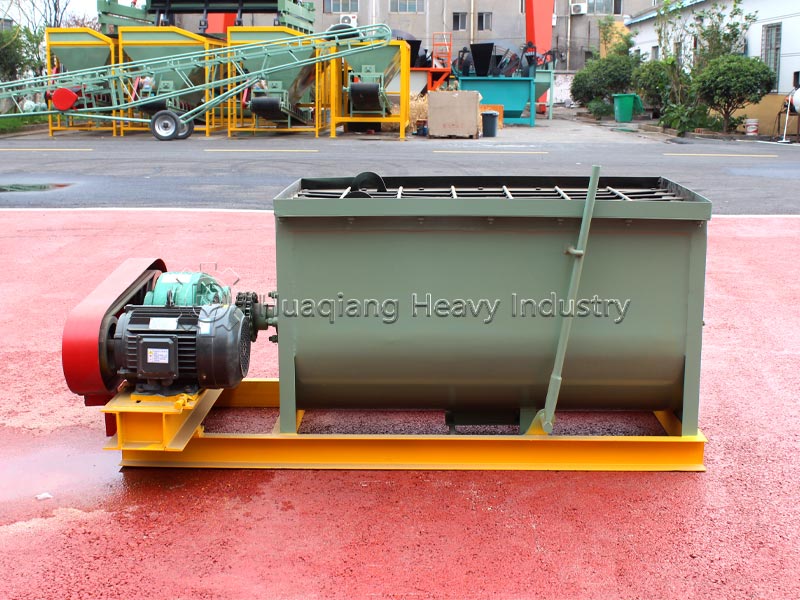
Twin-Shaft Mixer: A 50-type twin-shaft mixer is used. The impellers employ an anti-rotation design, driving strong convection and shearing of the materials to thoroughly mix the charcoal-based raw materials with other components, achieving a mixing uniformity error of ≤2%. The mixer is equipped with a spray humidification device to precisely adjust the raw material moisture content to 28%-35% (suitable humidity for the charcoal-based raw materials), preventing clumping due to excessive moisture or insufficient adhesion due to insufficient moisture.

Pulverization Pretreatment: If large lumps (particle size > 10mm) of biochar exist, they are first crushed to ≤3mm using a 400-type vertical pulverizer to ensure uniform raw material fineness and improve subsequent granulation results. The pulverizer is equipped with a cyclone dust collector to collect and reuse the crushed dust, achieving a material utilization rate of 99%. II. Core Dual Granulation Unit: Carbon-Based Particle Densification Forming

(I) Disc Pre-granulation: Key to Lightweight Material Pre-forming

Core Equipment Selection: Two Φ3.2×1.2 meter disc granulators (3-5 tons per hour per unit), with an adjustable inclination angle of 45°-55° and a rotation speed controlled at 20-30 r/min. The discs are lined with wear-resistant rubber plates to prevent wear from the carbon-based raw materials and enhance material adhesion.

Pre-granulation Process Details: The mixed raw materials are fed into the disc granulator. Through the centrifugal force and friction generated by the rotating disc, spherical wet particles with a diameter of 5-8 mm are formed (granulation rate ≥85%). A scraper is installed at the edge of the disc to promptly clean material adhering to the wall, and a spray device replenishes moisture in real time to ensure that the pre-formed particles are round and uniform, laying the foundation for drum finishing.

(II) Rotary Drum Granulation: Particle Densification Upgrade

Core Equipment Configuration: One Φ2.2×10 meter rotary drum granulator (6-10 tons per hour) is used, precisely matched with the capacity of the disc granulator. The inner wall of the drum is lined with wear-resistant ceramic plates, combined with a spiral layout of lifting plates, driving the material through a “tumbling-rolling-collision” motion to achieve particle densification.

Refinement Process Highlights: A spray device is installed inside the drum to replenish a small amount of binder solution, further rolling the pre-formed granules into dense granules of 3-6mm, increasing the particle strength from 1.2MPa to over 2.5MPa, solving the problem of easy pulverization of carbon-based granules. The drum speed is adjustable from 10-18 r/min, and the material residence time is 8-12 minutes to ensure dense and uniform particles.

III. Post-processing Unit: Quality Optimization and High-Efficiency Output

(I) Drying and Cooling Curing

Low-Temperature Dryer: Equipped with a Φ1.8×18 m drum dryer, using hot air circulation heating, the drying temperature is controlled at 70-90℃ (to avoid high temperature damage to carbon-based nutrients), reducing the particle moisture content from 30% to below 12%. The dryer has a built-in staggered lifting plate layout, ensuring uniform heating of the carbon-based particles, with a drying uniformity error ≤2%.

Dual-Stage Cooler: Employing a “first-stage counter-current cooling + second-stage co-current cooling” process, the particle temperature is first reduced from 70-80℃ to below 40℃ by a Φ1.6×15 m counter-current cooler, and then cooled to room temperature ±3℃ by a Φ1.2×12 m co-current cooler, further improving particle strength and moisture resistance. The cooler is equipped with a pulse dust collector to collect dust for recycling.

(II) Grading and Finished Product Processing

Grading and Screening Machine: A Φ1.5×6.0 meter drum screen with a double-layer screen design (upper layer aperture 6mm, lower layer aperture 3mm) is used to screen out qualified particles (3-6mm). Unqualified particles are returned to the disc granulator for reprocessing via a return conveyor belt, achieving a material utilization rate of 98%.

Anti-caking Treatment: When the screened finished particles are conveyed via conveyor belt, 0.1%-0.2% of an anti-caking agent (such as talc powder) is sprayed on them to ensure even mixing and prevent clumping during storage.

(III) Finished Product Storage and Packaging

Finished Product Silos: Two 100m³ sealed finished product silos are provided, equipped with dehumidification and ventilation devices to maintain a relative humidity of ≤60% to prevent the carbon-based fertilizer from absorbing moisture. A quantitative discharge device is installed at the bottom of the silo to achieve continuous and stable discharge.

Automated Packaging: Utilizing a dual-station automatic packaging scale, supporting rapid switching between 25kg and 50kg specifications, with a measurement error ≤ ±0.2kg and a packaging speed of 100 bags/hour. The packaging machine is equipped with a dust cover to reduce dust emissions, and the fully automated operation minimizes manual intervention.

Environmental Protection and Intelligent Control Unit: Stable Green Production

(I) Environmental Treatment System

Dust Treatment: Each dust-generating stage of the production line (crushing, screening, packaging) is equipped with a pulse dust collector, with a total processing air volume of 18000m³/h. Dust emission concentration ≤10mg/m³, meeting national environmental protection standards.

Wastewater Treatment: A small amount of cleaning wastewater during production is treated in a sedimentation tank and then recycled for raw material humidification, achieving zero wastewater discharge.

(II) Intelligent Control System

Integrated PLC central control system, real-time monitoring of key parameters such as ingredient ratio, moisture content, granulation speed, and drying temperature, supporting automatic fault alarms and data recording (storage period ≥90 days). The system supports manual and automatic mode switching and can dynamically adjust process parameters according to raw material characteristics to ensure stable production.

Core Advantages and Application Value of the Production Line

Breakthrough in Granulation Pain Points: The combined disc and drum granulation processes solve the problems of poor adhesion and low granulation rate of carbon-based raw materials. Granulation formation rate is consistently above 90%, with a strength exceeding 2.5 MPa, making it resistant to storage and transportation and less prone to pulverization.

Flexible Capacity: Hourly capacity covers 6-10 tons, with an annual capacity of 50,000-80,000 tons (based on 300 days of operation per year and 8 hours per day), adapting to the production needs of enterprises of different sizes.

Superior Product Quality: Carbon-based raw materials and nutrients are uniformly integrated, resulting in rounded granules with good flowability, facilitating mechanized fertilization. The slow-release characteristics of carbon-based components can improve fertilizer utilization by more than 30% and reduce nutrient loss.

Green, Environmentally Friendly, and Energy-Saving: High dust recovery and utilization rate; energy consumption is reduced by 12% compared to conventional single-process granulation production lines, meeting the requirements of green agricultural production.

A Specialized Link in a Broader Manufacturing Ecosystem

This carbon-based fertilizer granulation line represents a significant advancement in processing challenging, lightweight organic materials into high-quality, market-ready fertilizers. Its innovative dual-granulation approach sets a new standard for product quality and production efficiency in the niche of carbon-enriched soil amendments.

This specialized line is a prime example of professional fertilizer manufacturing equipment designed for a specific purpose. It exists within a larger ecosystem of fertilizer production technologies. For instance, the disc granulator used here is a key component in a disc granulation production line and can also serve as a disc granulator for shaping in other contexts. While this line produces organic-carbon blends, its principles complement other systems. A complete organic fertilizer production line might begin with a windrow composting machine to produce the base compost. For mineral-based production, an npk fertilizer production line would utilize an npk blending machine and different granulation technologies like a roller press granulator production line or a double roller press granulator as part of the npk fertilizer production process. Each type of fertilizer granulator serves a unique role in the diverse portfolio of modern fertilizer manufacturing.

Thus, this carbon-based line is not an isolated solution but an integral part of a comprehensive toolkit that allows manufacturers to meet the growing global demand for both specialized organic inputs and conventional high-analysis fertilizers.

Stepping into an Organic Fertilizer Production Line: A Green Transformation Journey from Fermentation to Granulation

Against the backdrop of agricultural green transformation, organic fertilizer, with its “waste-to-treasure” characteristic, has become crucial for protecting soil health and improving agricultural product quality. The creation of this green fertilizer relies on a complete and efficient organic fertilizer production line. From the fermentation and decomposition of organic materials to the application of core fermentation composting and turning technologies, and then to the precise processing of new granulation equipment, each step involves scientific ingenuity, collectively completing the magnificent transformation of agricultural waste into high-quality organic fertilizer.

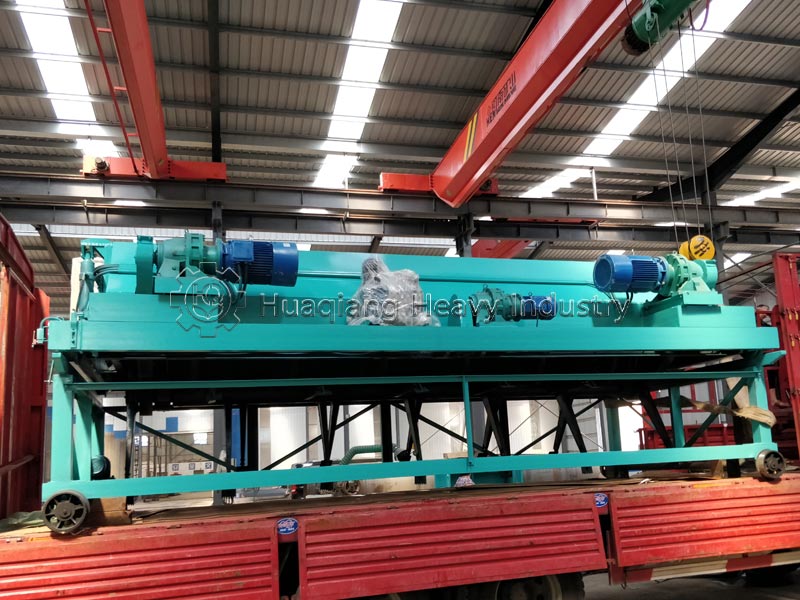
The core prerequisite of an organic fertilizer production line is organic fertilizer fermentation, a key process in which microorganisms decompose organic materials. Whether it’s livestock manure, straw, or kitchen waste, all require suitable temperature, humidity, and aeration conditions to decompose and transform through the metabolic action of microorganisms, ultimately forming nutrient-rich, mature materials. Fermentation composting turning technology is the core support for ensuring smooth fermentation. Regularly turning the compost pile using specialized equipment replenishes oxygen, meeting the growth needs of aerobic microorganisms and preventing the production of foul odors from anaerobic fermentation. It also regulates the pile temperature, preventing high temperatures from killing beneficial microorganisms, and ensures more uniform material mixing, significantly improving fermentation efficiency and composting quality.

With technological upgrades, organic fertilizer production lines have evolved from traditional single-process systems to intelligent, integrated systems. Bio-organic fertilizer production lines, in particular, have become the mainstream of high-end organic fertilizer production due to their precise cultivation and preservation of beneficial microorganisms. The “finishing touch” of the production line is undoubtedly the core equipment in the granulation process—the organic fertilizer granulator. Traditional granulation equipment suffers from uneven particle size and high energy consumption, but the emergence of new-type organic fertilizer granulators has completely changed this situation.

Among many new granulation devices, the new two-in-one organic fertilizer granulator stands out due to its integrated design. This integrated granulator combines material mixing and granulation functions, simplifying the production process and precisely controlling particle size and hardness. The resulting organic fertilizer granules are uniform and round, facilitating storage, transportation, and field application. Compared to traditional equipment, the new granulator also boasts lower energy consumption and less pollution, aligning with green production principles and finding widespread application in large-scale organic fertilizer production enterprises.

A complete organic fertilizer production line involves interconnected steps, from raw material pretreatment and fermentation turning to granulation, drying, and screening. Fermentation composting technology lays the foundation for material maturation, while the new granulation equipment ensures product quality. Their synergistic effect significantly improves the resource utilization rate of agricultural waste. Today, with continuous technological advancements, organic fertilizer production lines are developing towards greater intelligence, efficiency, and environmental friendliness, not only solving the problem of organic waste pollution but also providing strong support for sustainable agricultural development. Understanding the scientific principles of organic fertilizer production lines allows for a clearer appreciation of the value of organic fertilizer and encourages greater attention to the circular economy in agriculture, injecting new momentum into the development of green agriculture.

A Comprehensive Analysis of Powder + Granular Organic Fertilizer Production Line

 The powder + granular organic fertilizer production line is an integrated solution designed specifically for the diversified production needs of organic fertilizer enterprises. Through its core design of “shared raw materials, differentiated processes, and universal equipment,” it simultaneously achieves large-scale production of both powdered and granular organic fertilizers. One set of equipment meets different application scenarios (powder is suitable for fertigation and drip irrigation; granules are suitable for strip application and broadcasting), significantly improving capacity utilization and market adaptability, and is suitable for green agriculture scenarios such as ecological planting and facility agriculture.

Production Line Configuration and Core Details

I. Raw Material Pretreatment and Sharing Unit: Laying the Foundation for Dual Products

(I) Raw Material Storage and Fermentation Pretreatment

Raw Material Warehouse and Fermentation System: Equipped with 3 large-capacity 100m³ raw material warehouses to store organic raw materials such as livestock and poultry manure, straw, and mushroom residue; equipped with a 500m³ windrow-type fermentation turner (or trough-type turner) to ferment and decompose the raw materials (decomposition degree ≥85%), removing odors and pathogens. The fermentation cycle is 7-15 days. After fermentation, the moisture content of the raw materials is controlled at 35%-45%, laying the foundation for subsequent processing.

Crushing and Impurity Removal: The fermented raw materials are conveyed to a 90-type vertical crusher via a 6-meter belt conveyor, crushed to ≤3mm (granular fertilizer raw materials) or ≤1mm (powdered fertilizer raw materials). During the crushing process, impurities such as stones and plastics are removed by an impurity removal device. The crusher is equipped with a pulse dust collector, achieving a dust collection efficiency of 99% and a material utilization rate of 98%.

(II) Precise Batching and Mixing

Multi-Group Batching System: Equipped with a 4-compartment batching machine, storing fermented organic fertilizer, straw charcoal, trace elements, and functional microbial agents respectively. A variable frequency screw batching scale is used to precisely control the proportions (functional microbial agent addition amount 0.1%-0.5%), with a batching error ≤±1%. When producing powdered fertilizer, soluble additives such as humic acid and amino acids are added to improve the fertilizer’s water solubility; when producing granular fertilizer, 3%-5% binder (such as bentonite or starch) is added to ensure granulation effect.

Twin-shaft mixer: A 60-type twin-shaft mixer is used to thoroughly mix the multi-component raw materials, with a mixing uniformity error ≤2%. The mixer is equipped with a spray humidification/drying device to adjust the raw material moisture content according to the product type (powdered fertilizer: 20%-25%; granular fertilizer: 30%-35%).

II. Process branching unit: Parallel production of powdered and granular fertilizers

(I) Powdered organic fertilizer production line (branching branch 1)

Fine grinding and sieving: The mixed raw materials are further ground to 100-150 mesh using a 13-type ultrafine pulverizer to ensure uniform powder fineness and rapid dissolution. After grinding, the powder is graded using a 1.2×4.0 meter vibrating screen to remove substandard coarse particles, which are then returned to the pulverizer for reprocessing.

Finished Product Storage and Packaging: Qualified powder is conveyed via a sealed screw conveyor into two 50m³ finished product silos (dedicated to powder form). The silos are equipped with dehumidification and ventilation devices to prevent moisture absorption and clumping. The packaging process utilizes a dual-station automatic powder packaging scale with a screw feeder and dust cover design to prevent dust from flying. It supports switching between 20kg and 25kg specifications, with a measurement error ≤ ±0.2kg and a packaging speed of 80 bags/hour.

(II) Granular Organic Fertilizer Production Line (Branch 2) Core Granulation Process: The mixed raw materials are conveyed via an 8-meter belt conveyor to a Φ3.2×1.2-meter disc granulator (or rotary drum granulator). Through centrifugal force and the action of a binder, 3-5mm rounded granules are formed, with a granulation rate ≥90%. The granulator is equipped with a spray humidification device to adjust moisture in real time and ensure granule strength.

Drying and Cooling/Curing: Wet granules are conveyed via a 10-meter belt conveyor into a Φ1.8×15-meter drum dryer, where hot air circulation heating is used to control the drying temperature at 60-80℃ (to prevent inactivation of functional bacteria), reducing the moisture content to below 12%. They then enter a Φ1.5×12-meter counter-current cooler for rapid cooling to room temperature, increasing the granule strength to over 2.0MPa, making them more resistant to storage and transportation and less prone to pulverization.

Grading, Screening, and Packaging: The cooled granules are graded using a Φ1.5×6.0-meter drum screen (3-5mm sieve openings). Unqualified granules are returned to the granulator for reprocessing. Qualified granules are fed into two 80m³ finished product silos (dedicated to granules) and packaged using a dual-station automatic granule packaging scale, supporting 25kg and 50kg sizes at a packaging speed of 100 bags/hour.

III. Environmental Protection and Intelligent Control Unit: Green and Stable Production

(I) Environmental Protection System

Dust Treatment: Four MC-96 pulse dust collectors are installed in the crushing, screening, and packaging stages, with a total air volume of 18,000 m³/h. The dust concentration in the workshop is ≤10 mg/m³, meeting environmental standards.

Exhaust Gas Treatment: Odors generated during fermentation are purified by a biological filter before being discharged, with an ammonia concentration ≤15 mg/m³.

Wastewater Treatment: Production cleaning wastewater is treated by sedimentation and filtration tanks and then recycled for raw material fermentation humidification, achieving zero wastewater discharge.

(II) Intelligent Control System

An integrated PLC central control system is installed, with preset production modes for powder and granules. Process parameters (crushing fineness, ingredient ratio, drying temperature, etc.) can be switched with one click. Real-time monitoring of equipment operation status, raw material moisture content, and finished product output is provided. Automatic fault alarms and data recording (storage period ≥90 days) are supported, reducing manual intervention.

Core Advantages and Adaptability of the Production Line

Flexible Dual-Product Switching: One set of equipment enables simultaneous/switching production of powdered and granular organic fertilizers, with a conversion time of ≤2 hours. This adapts to different customer needs (growers, agricultural input dealers) and application scenarios, enhancing market competitiveness.

Highly Efficient and Stable Production Capacity: Hourly production capacity reaches 5-8 tons (powder) or 6-10 tons (granules), with an annual capacity of 40,000-80,000 tons, suitable for the production needs of small, medium, and large-scale organic fertilizer enterprises. Equipment sharing rate exceeds 70%, saving 30% in investment costs and 25% in floor space compared to two separate production lines.

Superior Product Quality: Powdered fertilizer has uniform fineness and good water solubility, suitable for fertigation and drip irrigation; granular fertilizer is round, dense, and high-strength, suitable for mechanized strip application and broadcasting, with a functional bacteria survival rate of over 90%, ensuring fertilizer efficacy.

Green and Environmentally Friendly: The entire process features a sealed design, dust recovery, and wastewater recycling, meeting national environmental protection requirements. The fermentation process also enables the resource utilization of agricultural waste, contributing to the development of green agriculture.

Suitable and Unsuitable Scenarios

Suitable Scenarios: Large-scale organic fertilizer production enterprises and agricultural waste resource utilization projects that require the supply of both powdered and granular organic fertilizers, suitable for diversified fertilization needs such as ecological planting, fruit and vegetable greenhouses, and grain crops.

Unsuitable Scenarios: Raw materials with a moisture content >50% and that are not fully fermented (easily leading to equipment blockage and product spoilage); pure functional microbial fertilizers (requiring low-temperature processing and additional low-temperature drying equipment).

A Flexible Solution for Diverse Market Needs

This integrated powder + granular organic fertilizer production line provides manufacturers with a highly adaptable and efficient foundation. It enables the flexible production of two major fertilizer forms from a shared raw material base, maximizing equipment utilization and market responsiveness.

While specialized for organic production, this line represents a category of advanced fertilizer production machine technology. Its drum granulation process using a rotary drum granulator is a common and effective fertilizer processing machine method. For operations looking to expand into mineral-based products, the principles of this line are complementary to an npk production line. The granulation stage could be adapted using alternative technologies, such as a roller press granulator production line for dry fertilizer granules compaction, or a disc granulation production line. These technologies are all part of modern npk fertilizer production technology, allowing manufacturers to build upon this organic foundation to create a comprehensive portfolio that serves both organic and conventional agricultural markets.

We warmly welcome people from all walks of life to visit, guide, and discuss business with us, and work hand in hand with Huaqiang Heavy Industry to promote the high-quality development of green agriculture!