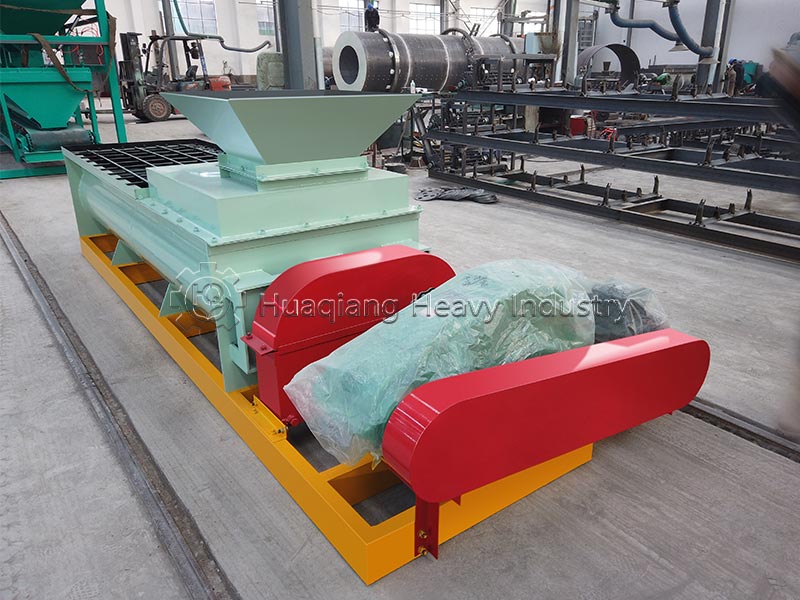
Double roller press granulator: Granulation equipment for NPK fertilizer production lines

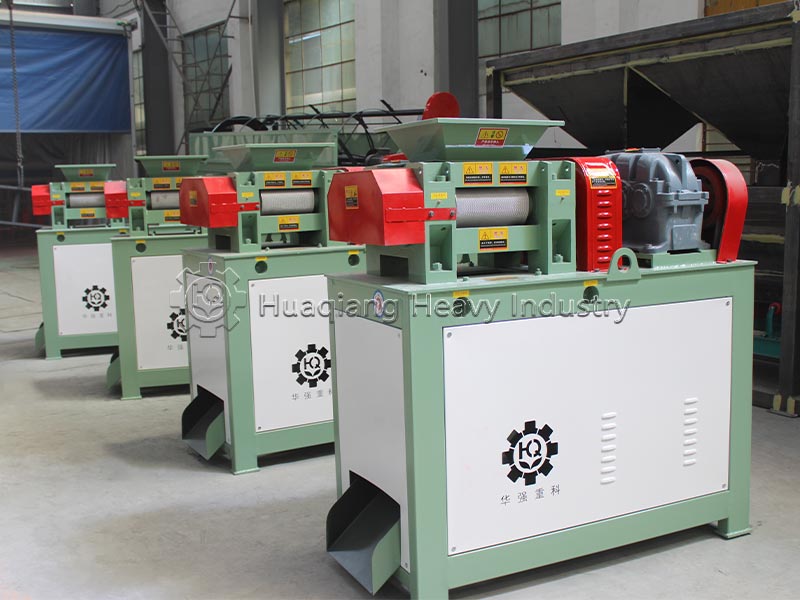
NPK compound fertilizers, due to their balanced nutrients and suitability for various crops, have become the mainstream fertilizer in agricultural production. The core efficiency of an NPK fertilizer production line largely depends on the selection of the fertilizer granulator. Among them, the double roller press granulator, with its unique advantages, has become the preferred granulation equipment for many NPK production lines, helping to achieve efficient and low-cost granulation.

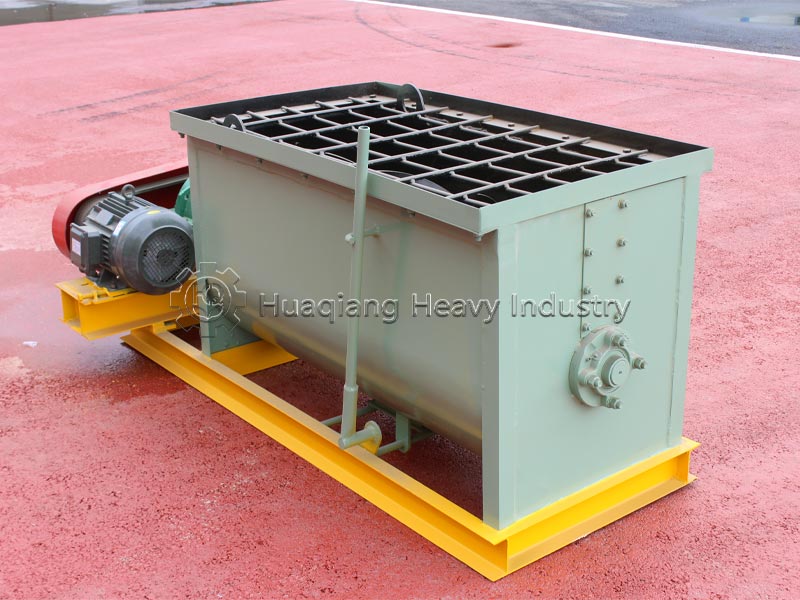
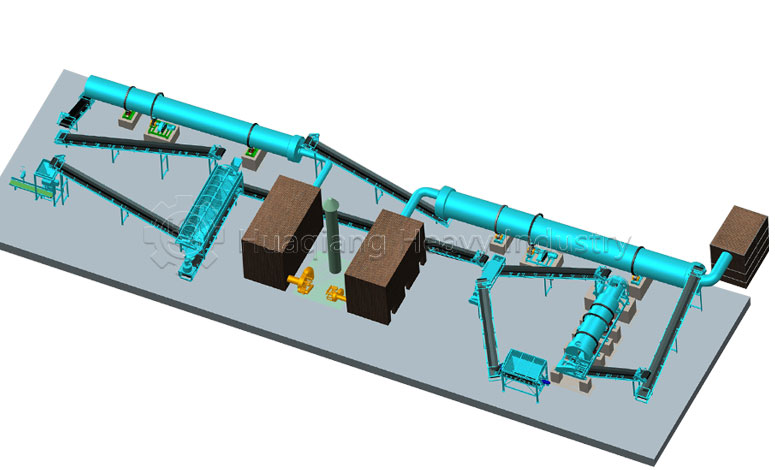
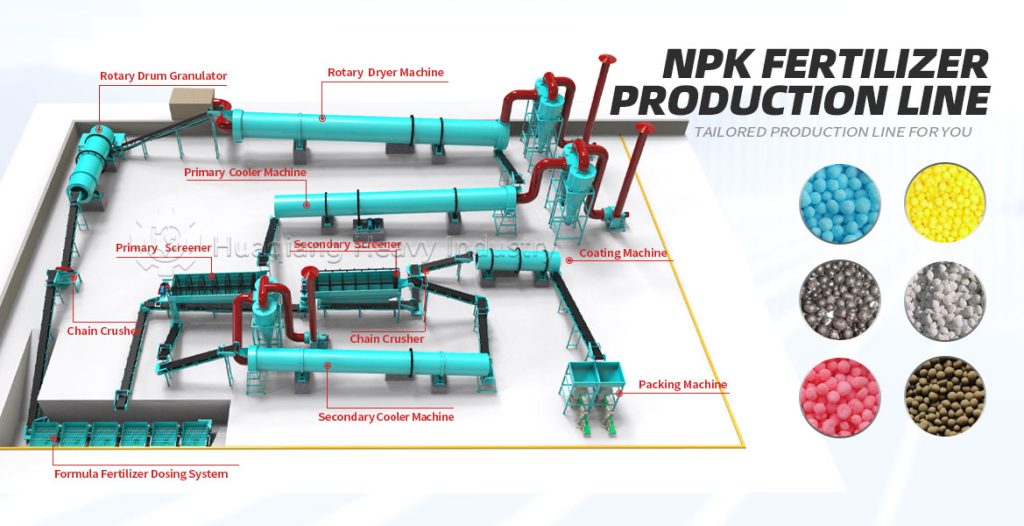
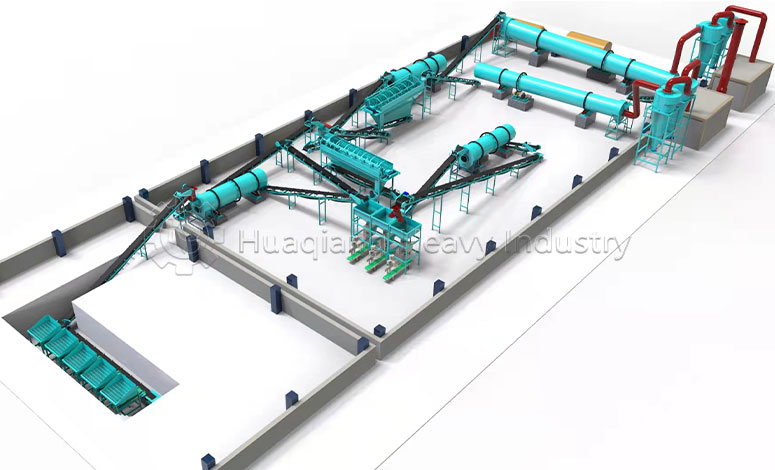
In an NPK fertilizer production line, the double roller press granulator is at the core. Pre-treated nitrogen, phosphorus, and potassium raw materials and fillers are uniformly mixed by a fertilizer mixer machine and then fed into this equipment. The pressure generated by the relative extrusion of the double rollers directly forms the material into granules, without the need for additional water or binders. This dry granulation method eliminates subsequent drying and cooling steps, significantly simplifying the NPK production line process and reducing energy consumption and production costs.

As one of the mainstream fertilizer granulators, the double roller press granulator has significant advantages in NPK production. It has strong adaptability to raw material moisture content, capable of processing materials with a moisture content of 8%-15%, avoiding the clumping problems that often occur in wet granulation; it has a high granulation rate, and the granules have high strength and are not easily broken, meeting the needs of NPK compound fertilizer storage, transportation, and mechanized fertilization. In addition, the equipment has a simple structure and is easy to operate, and can be easily connected with supporting equipment such as fertilizer screener machines and packaging machines, adapting to NPK fertilizer production lines of different scales.

Whether for small and medium-sized NPK production projects or large-scale production lines, the double roller press granulator can adapt to the needs with its flexible capacity adjustment capabilities. It not only improves the production efficiency of NPK fertilizers but also ensures the quality stability of the finished fertilizer, becoming an important equipment support for promoting the high-quality development of the NPK compound fertilizer industry.

Mastering Variables: Crafting Better Slow-Release Urea Granules

 Introduction: How is Good Fertilizer “Forged”?

In the field, we want nitrogen fertilizer to release slowly, nourishing crops persistently, rather than leaching or volatilizing quickly. Slow-release urea fertilizers are designed for this purpose. However, manufacturing high-quality slow-release urea granules is not a simple matter of mixing and pressing. It is more akin to a precise “culinary” process, where the raw material formulation is the recipe, and the granulation process is the heat and timing. A recent study delves into how adjusting two key “switches” in a disc granulator—binder concentration and granulation time—can precisely control the final “physical fitness” of fertilizer granules, thereby providing a scientific guide for producing more efficient and environmentally friendly slow-release urea.

I. The Core of the Study: Two Variables, Four Qualities

Imagine a rotating shallow pan where urea powder and a binder solution extracted from cassava starch are mixed and tumbled. The research team set up a clear comparative experiment: they fixed all other conditions like disc speed and inclination, and systematically changed only two factors: the concentration of the starch binder solution and the time the material spends tumbling in the pan for granulation.

They focused on these four “fitness” indicators that determine fertilizer quality:
1. Durability: Are the granules “tough” enough? Can they withstand collisions and friction during long-distance transport without turning into powder?
2. Density: Are the granules “fluffy” or “solid”? This affects the actual weight per bag of fertilizer, transportation costs, and application uniformity in the field.
3. Pelletizing Yield: How much raw material successfully turns into qualified granules? This directly impacts production efficiency and cost.
4. Water Absorption and Dispersion Time: Do the granules disintegrate quickly or release slowly upon contact with water? This is the core measure of their “slow-release” capability. We want them to dissolve like a slow-release candy, providing nutrients steadily in the soil.

II. Finding One: Binder Concentration—The “Glue” Matters

Cassava starch plays the role of “natural glue” here. The study found that the thickness of this “glue” has a decisive impact on granule quality.

When researchers increased the concentration of the starch solution, a positive chain reaction occurred: the granules’ water absorption, density, pelletizing yield, and durability all improved simultaneously. This is because a thicker starch solution forms a stronger, denser binding network around each urea particle. Just like using thicker glue for bonding, the adhesion is firmer, the structure is more compact, and the granules naturally become tougher, heavier, and have fewer internal pores.

More interestingly, granules made with higher concentration starch also “held on” longer in water. They disintegrated and released nutrients more slowly, which is the dream characteristic of slow-release fertilizers. Observations under an electron microscope showed that granules from the high-concentration group had surfaces like smooth, dense pebbles, while those from the low-concentration group had rough, porous surfaces, visually explaining the source of the performance difference.

III. Finding Two: Time—The Art of “Kneading”

Granulation time is like the kneading time when making dough. The study showed that extending the “kneading” time of the granules in the disc also led to comprehensive quality improvements.

Longer granulation time gives the powder more opportunities to collide, adhere, and round off. This results in more regular granule shapes and a more compact interior. Consequently, granule durability, density, and pelletizing yield all increased with time. Simultaneously, sufficient kneading allows the starch “glue” to distribute more evenly, forming a more complete coating. This not only slightly increases the granules’ water absorption capacity but, more importantly, extends their dispersion time in water, further optimizing the slow-release effect.

IV. Insights for Producers: How to “Customize on Demand”

This study turns complex processes into clear multiple-choice questions:

• If you want to produce high-end fertilizers with optimal controlled-release performance and superior storage/transport durability, the answer is: use a higher concentration of cassava starch binder and allow for a longer granulation time.

• If you need to strike a balance between production efficiency and cost to produce the most cost-effective product, you can utilize the data models derived from research to calculate the optimal combination of binder concentration and granulation time based on your specific requirements for granule density, strength, and release period.

It’s like mastering a precise “cooking” formula, allowing fertilizer producers to flexibly “customize” slow-release urea products with different specifications and performance according to market demand.

Optimizing Granulation: The Science Behind Consistent Fertilizer Pellets

The scientific study of binder concentration and granulation time directly applies to the core of npk fertilizer production technology. In a complete npk fertilizer production line, precise formulation using a npk blending machine ensures accurate nutrient ratios. The subsequent granulation stage, which is central to the npk fertilizer manufacturing process, leverages advanced npk granulation machine technology to transform this mix. The principles of optimizing binder properties and process timing are critical for equipment like a npk fertilizer granulator machine, whether it operates as a wet granulator or an alternative system like a fertilizer roller press machine for dry compaction.

Mastering these variables allows manufacturers to fine-tune the NPK compound fertilizer production capacity and the final product’s physical properties—such as density, strength, and dissolution rate. This level of control is essential for producing high-quality slow-release or controlled-release fertilizers. The integration of this scientific understanding into the operation of npk fertilizer granulator machine equipment demonstrates how empirical research translates into practical, scalable manufacturing excellence. It enables the production of consistent, “tailor-made” fertilizers that meet specific agronomic needs, enhancing nutrient use efficiency and supporting sustainable agricultural practices through precision engineering.

Conclusion

The power of science lies in transforming experience into quantifiable, replicable laws. This study on disc granulation process, through rigorous experimentation, reveals how two ordinary operational parameters—binder concentration and granulation time—act like levers to influence the final quality of slow-release urea granules. It not only provides a direct “operating manual” for fertilizer plants to optimize production but also brings us a step closer to the goal of producing more efficient, environmentally friendly, and intelligent “ideal fertilizers.” In the future, by exploring more “variables,” we can hope to design bespoke fertilizers, like precision instruments, perfectly tailored to the needs of every crop and every plot of soil.

Oil Palm Empty Fruit Bunches: From Agricultural Waste to Effective Fertilizer

In the context of global climate change, the efficient utilization of agricultural waste to achieve resource recycling has become a critical issue for sustainable agriculture worldwide. Oil palm empty fruit bunches (EFB), a major by-product of palm oil production, have long been treated as waste, decomposing naturally or being incinerated, which not only wastes resources but also exacerbates greenhouse gas emissions. However, recent studies show that properly processed EFB can serve as an excellent soil conditioner, significantly improving soil properties and increasing crop yields.

Resource Potential and Processing Methods of EFB

Globally, approximately 99 million tons of EFB are produced annually. In Ghana alone, daily EFB production reaches 390 tons. Such vast amounts of organic waste, if utilized effectively, could greatly promote sustainable agricultural development. EFB is primarily applied in four forms: direct mulching, biochar, compost, and ash. Different processing methods directly influence its effectiveness as a fertilizer.

EFB’s Role in Promoting Crop Growth

A meta-analysis of 19 studies revealed that, compared to unamended soil, EFB application increased crop growth and yield by an average of 49.2%. Among the various forms, EFB biochar showed the most significant effect, increasing yield by up to 78.4%, followed by mulching (33.8%), composting (30.9%), and ash (21.0%). When EFB was co-applied with mineral fertilizers or other materials, crop yield still increased by 16.4%.

Key Factors Influencing EFB’s Effectiveness

The yield-enhancing effects of EFB are moderated by several factors:

Experimental Environment: Effects under greenhouse conditions were superior to those in open fields, with a difference of approximately 68%, mainly due to uncontrollable environmental variables in the field.

Soil Texture: EFB showed the most significant improvement in coarse-textured soils like sandy soil, with lesser effects on clay soil, indicating its greater potential for improving impoverished soils.

Crop Type: Although effects varied slightly among crops, EFB generally had a positive impact on all crop types.

Mechanisms of EFB in Soil Improvement

EFB is rich in nutrients such as potassium and nitrogen. Its application improves soil through the following pathways:

Biochar: Enhances soil porosity, water retention, and nutrient holding capacity, particularly raising the pH of acidic soils and promoting phosphorus uptake.

Compost: Reduces the carbon-to-nitrogen ratio, promotes nutrient release, and increases soil organic matter and microbial activity.

Direct Mulching: Suppresses weeds, reduces soil erosion, and gradually releases nutrients during decomposition.

Sustainable Agriculture and Climate-Smart Choices

In resource-poor regions like sub-Saharan Africa, EFB offers smallholder farmers a low-cost, accessible soil improvement option. Moreover, converting EFB into biochar or compost contributes to carbon sequestration and emission reduction, achieving dual benefits for agriculture and the climate. For example, co-composting EFB with palm oil mill effluent can reduce greenhouse gas emissions by up to 76%.

Challenges and Prospects

Despite its promising potential, EFB application faces several challenges:

Cost-Benefit Analysis: Converting EFB into biochar or compost requires additional investment, and its economic feasibility must be evaluated based on local conditions.

Nutrient Release Dynamics: The release of nutrients from EFB is influenced by soil and environmental factors, necessitating further research for precise application.

Resource Competition: EFB can also be used as fuel or industrial raw material, requiring integrated planning for its optimal utilization.

From Waste to Resource: Industrial Pathways for OPEFB Fertilizer

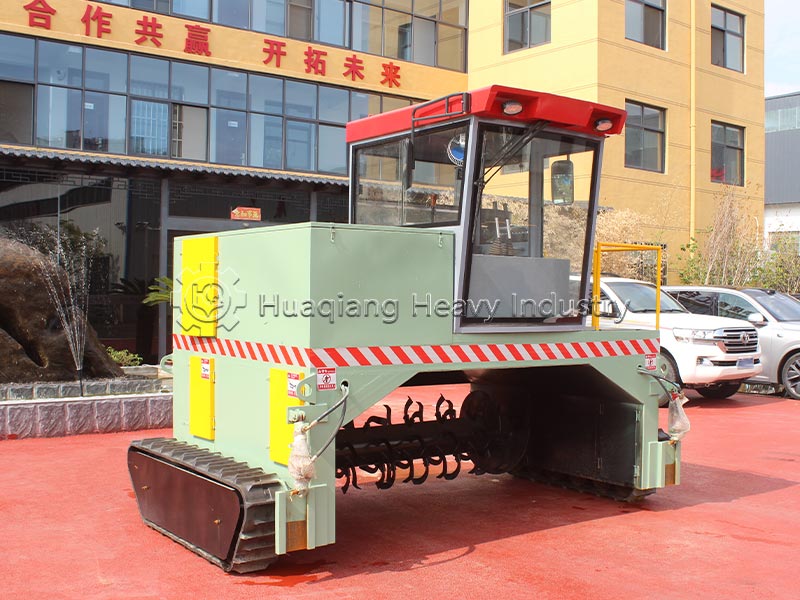
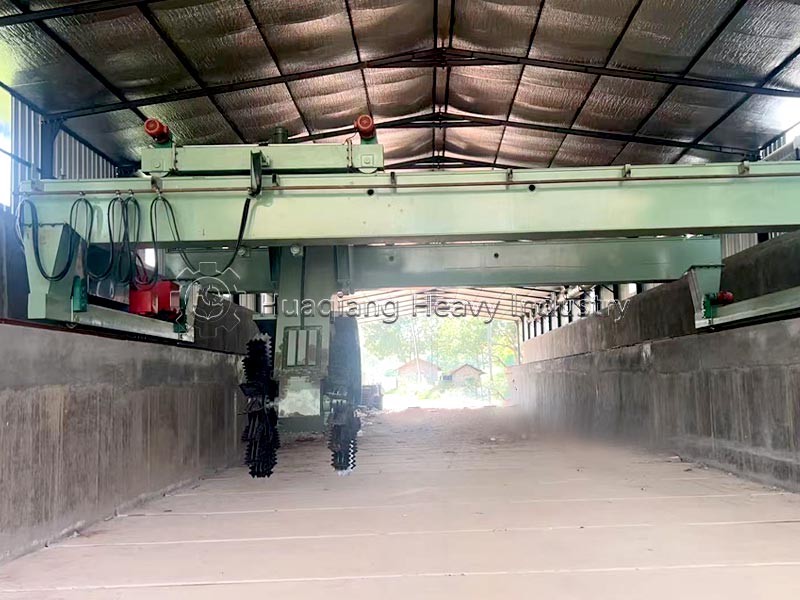
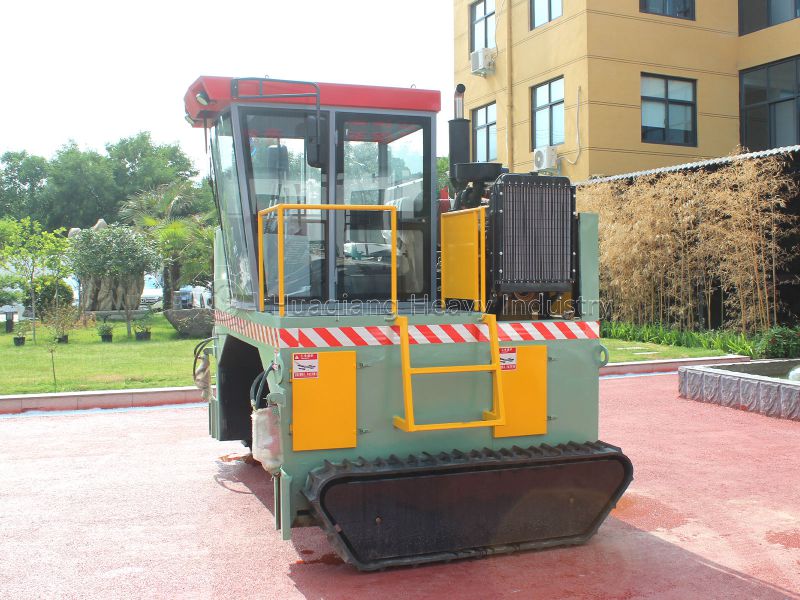
The valorization of Oil palm empty fruit bunch (OPEFB) is a key strategy in sustainable agriculture, unlocking the potential of its unique oil palm empty fruit bunch composition. The most effective uses of oil palm empty fruit bunch often involve transforming it through an efficient organic fertilizer fermentation process. This requires sophisticated fermentation composting turning technology to optimize decomposition, implemented using equipment like the chain compost turning machine or for large-scale operations.

Following complete stabilization, the composted OPEFB can be integrated into a formal organic fertilizer production line. To create a market-ready product, this line typically includes a granulation stage. Innovative equipment such as a new type two in one organic fertilizer granulator efficiently mixes and shapes the material into uniform pellets. For enhanced value, this process can be configured as a bio organic fertilizer production line, inoculating the compost with beneficial microbes. This systematic approach demonstrates a complete industrial workflow for converting a major agricultural by-product into high-quality, soil-enhancing fertilizers, supporting both circular economies and climate-resilient farming.

Conclusion

The utilization of oil palm empty fruit bunches as fertilizer not only addresses waste management challenges but also provides a viable pathway for enhancing soil fertility and climate resilience in global agriculture, particularly in tropical regions. Moving forward, through deeper research, optimized technologies, and policy support, EFB is poised to play an increasingly significant role in sustainable agriculture, contributing to both food security and ecological conservation.

Fertilizer Crusher: Selection and Operation Guide

In the fertilizer production process, crushing is a crucial step for improving raw material uniformity and facilitating subsequent granulation. Selecting the appropriate crushing equipment based on the characteristics of different raw materials is essential. The half-wet material crusher, chain crusher, cage crusher, and horizontal crusher are four common types of specialized equipment in fertilizer processing. Although they all belong to crushing machinery, they differ significantly in terms of applicable raw materials, moisture tolerance, crushing precision, and application scenarios. This article provides an in-depth analysis of their core differences, advantages, and usage considerations, offering scientific selection and operational guidance for global fertilizer producers.

Common Principles: Core Safety and Maintenance

Regardless of the type of crusher selected, some universal safety and maintenance principles must be followed. First, controlling impurities in raw materials is critical. Foreign objects such as metal blocks and stones can severely damage core components like blades, chains, or cage bars. Therefore, it is recommended to install magnetic separators and grid screens at the feed inlet for pretreatment. Second, uniform and quantitative feeding is essential for ensuring stable equipment operation, as instantaneous overload can easily cause blockages or motor failure. Additionally, different equipment has varying tolerances for raw material moisture. Exceeding the design range can lead to material adhesion, blockages, or reduced efficiency, so raw materials should be appropriately dried or conditioned based on equipment characteristics. In terms of safety, always check fasteners before operation, lubricate bearings regularly, and clean the chamber promptly after shutdown to prevent hardening and caking. Never open the machine cover for maintenance while the equipment is running to ensure personal safety.

Feature Analysis: Unique Advantages of the Four Crusher Types

The Half-Wet Material Crusher is an expert in processing high-moisture organic materials. It can effectively handle semi-wet materials with a moisture content of 20% to 60%, such as decomposed livestock manure, straw, and biogas residue, without issues of adhesion or blockage. Its core advantages lie in its high moisture tolerance and adjustable crushing granularity (1-5 mm), often achieving the desired product in a single pass without secondary processing. This equipment operates on an impact crushing principle, relying on high-speed rotating wear-resistant alloy blades to impact and tear materials. During use, it is important to ensure that the raw material moisture content does not exceed the upper limit and to regularly inspect blade wear.

The Chain Crusher is known for its simple structure and low maintenance costs. It is suitable for processing caked raw materials with a moisture content not exceeding 25%, such as hardened organic fertilizer or returned granules. Its working principle involves high-speed rotating chain groups impacting and kneading materials, achieving both crushing and mixing effects while producing uniformly sized products. It is primarily used for coarse or medium crushing but should avoid processing overly hard lumps to prevent chain deformation.

The Cage Crusher is designed specifically for fine crushing. It excels in refining dry raw materials (moisture ≤20%), producing finely ground products with particle sizes as fine as 80-120 mesh. It operates with low noise and minimal dust. Its core mechanism involves the shearing and grinding action of a double-layer cage bar rotor. It is suitable for fine crushing of inorganic fertilizer and compound fertilizer powders but is not suitable for processing coarse or hard lumps. During operation, raw material moisture must be strictly controlled, and the gaps between cage bars should be cleaned regularly to prevent blockages that could affect precision.

Horizontal crushers are widely used and essential equipment in production. They can process various dry and wet (≤15%) raw materials, and the crushing particle size (1-10 mm) can be flexibly adjusted by changing the screen. With their large-capacity crushing chamber and high output, horizontal crushers are particularly suitable for large-scale production lines. Horizontal crushers are mainly divided into two types: hammer crushers (impact crushers) and belt crushers (kneading and mixing crushers). When processing high-fiber materials, the feed speed must be controlled to prevent entanglement.

Scientific Selection: Based on Raw Materials and Process Needs

Choosing the right crusher depends on clearly understanding the characteristics of the raw materials and the process goals of the production line. If the main task is to process high-moisture organic fertilizer materials after decomposition, the half-wet material crusher is the optimal choice. For coarse crushing tasks such as breaking up caked organic fertilizer or processing returned materials, the chain crusher is more cost-effective and efficient. When the production requires refining inorganic fertilizer or compound fertilizer raw materials into fine powders, the cage crusher should be selected. For comprehensive production lines with diverse raw material types that require handling multiple materials, the versatile horizontal crusher offers the greatest flexibility and output guarantee.

In summary, understanding the core principles and applicable ranges of each type of equipment, combined with strict daily maintenance, can not only improve the efficiency and quality of fertilizer production but also significantly extend equipment lifespan, providing solid technical support for the development of global sustainable agriculture.

From Crushing to Granulation: A Systematic Production Workflow

Selecting the appropriate crushing machine is the critical first step in preparing raw materials for efficient fertilizer production. This choice—whether a half-wet crusher for moist organics or a cage crusher for fine powders—directly impacts the quality of the mixed feed. In a complete npk fertilizer production line, the uniformly crushed materials are then precisely blended using a npk blending machine before entering the core fertilizer granulation processes.

For organic fertilizer, the chain starts with a windrow composting machine, followed by crushing, before the material enters a dedicated organic fertilizer production line or bio organic fertilizer production line. Granulation is the final shaping stage across all types. This utilizes specialized fertilizer processing machine equipment: a disc granulator for shaping is central to a disc granulation production line, while a double roller press granulator forms the core of a dry roller press granulator production line. The synergy between precise size reduction, accurate blending, and advanced granulation technologies ensures the efficient production of high-quality, application-ready fertilizers for global agriculture.

Comparison of organic fertilizer granulation processes: Dry method vs. Wet method

Granulation is a core process in organic fertilizer production, and the organic fertilizer granulator, as a key component of organic fertilizer production equipment, has a process selection that directly impacts efficiency. Dry granulation and wet granulation are the mainstream processes, each with its own focus in terms of principles, equipment, and applicable scenarios. The choice depends on the characteristics of the raw materials and production capacity.

Dry granulation does not require the addition of water or binders, relying on the inherent viscosity of the raw materials or external force for shaping. The commonly used equipment is a fertilizer compaction machine. After pretreatment by the organic fertilizer production equipment, the material is extruded into thin sheets and then crushed and screened. The advantages are the elimination of the drying step, low energy consumption, and a simple process, suitable for composted raw materials with a moisture content of 10%-15%. The disadvantages are the high requirements for raw material viscosity and weaker granule strength, making it suitable for small and medium-sized production.

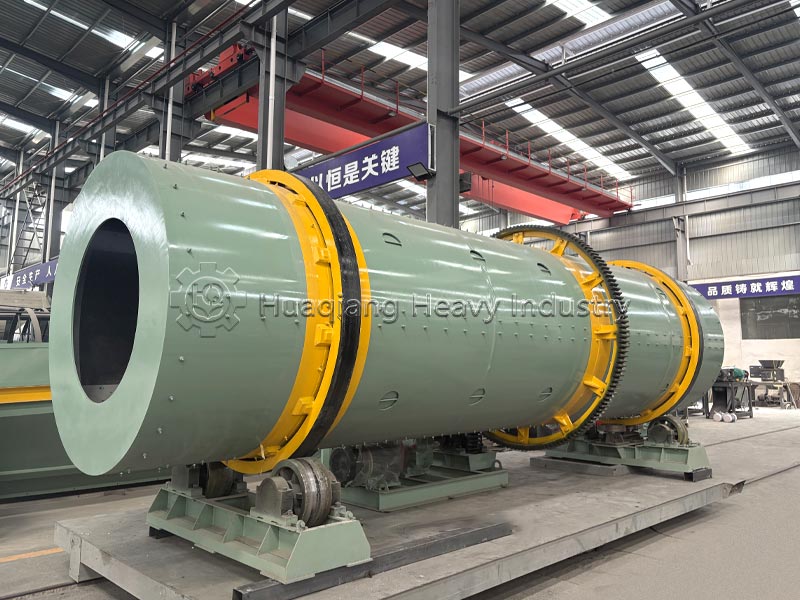
Wet granulation requires spraying water or binders and relies on mechanical force for granulation. Typical equipment includes organic fertilizer disc granulators and rotary drum granulators, which are key components of large-scale organic fertilizer production equipment. After the material is agglomerated into spheres through rotation, it needs to be processed through drying and cooling units of the organic fertilizer production equipment. The advantages are good granule sphericity, high strength, and strong adaptability to raw materials; the disadvantages are the need for additional drying equipment, resulting in higher energy consumption and costs.

Key selection criteria: For small and medium-scale production, with low moisture content and good viscosity of raw materials, dry granulation organic fertilizer granulators are suitable; for large-scale production, where granule quality is a priority or the raw material moisture content is high, the wet process dominated by organic fertilizer disc granulators is more advantageous. Regardless of the process, complete pretreatment and post-treatment equipment are necessary to ensure efficiency.

From waste materials to multi-functional fertilizers

Introduction: Compost is More Than Just Fertilizer

Composting, an ancient yet modern organic waste conversion technology, has long seen its final products evolve beyond the simple concept of “mature organic matter.” Through different processing techniques and formulation designs, compost can be transformed into various fertilizer products with diverse forms and functions, meeting the varied needs from field agriculture to precision horticulture, and from soil improvement to targeted nutrition. Understanding these derived fertilizer types and the scientific principles behind them is crucial for agricultural producers to choose suitable fertilizers and achieve efficient, sustainable cultivation.

Part I: The Four Major Forms of Compost-Based Fertilizers

1. The Basic Form: Mature Bulk Organic Fertilizer

This is the most primitive and purest form of compost. After complete maturation, organic waste is used directly without additional processing. It appears dark brown or black, with a loose texture resembling fertile forest topsoil. It is rich in humus—a stable organic matter that significantly improves soil structure, increasing soil porosity and water retention. Simultaneously, it contains abundant beneficial microbial communities and slowly released basic nutrients like nitrogen, phosphorus, and potassium. This fertilizer is particularly suitable as a base fertilizer for field crops (e.g., wheat, corn) or as a soil amendment for orchards and vegetable gardens. When incorporated into the soil through tillage, it lays a healthy foundation for crop growth.

2. The Advanced Form: Granular Organic Fertilizer

To meet the needs of modern mechanized fertilization, mature compost can be converted into uniform granules through granulation processes (e.g., disc granulation, drum granulation). These granules are typically 2-6 mm in diameter, with moderate strength, facilitating transportation, storage, and precise application via seeders or spreaders. Granulation not only reduces dust during application but also controls nutrient release rate through physical form, achieving longer-lasting effects. A more advanced product is the “organic-inorganic compound fertilizer,” which incorporates fast-acting chemical fertilizers (e.g., urea) during granulation, perfectly combining the soil-improving function of organic fertilizer with the quick-release properties of chemical fertilizer.

3. The Functional Form: Bio/Functional Organic Fertilizer

This represents an intelligent upgrade of composting technology. By inoculating mature compost with specific functional microorganisms (e.g., phosphorus-solubilizing bacteria, potassium-solubilizing bacteria, biocontrol agents), the resulting “bio-organic fertilizer” not only provides nutrients but also mobilizes fixed phosphorus and potassium in the soil or suppresses soil-borne diseases. Another type, “functional organic fertilizer,” is enriched with biostimulants like humic acid, seaweed extracts, and amino acids, which directly stimulate crop root growth and enhance stress resistance. These fertilizers are “value-added” products widely used in high-value cash crops and protected agriculture.

4. The Refined Form: Organic Water-Soluble Fertilizer

Through physical or chemical methods, soluble organic components (mainly small-molecule humic acid, fulvic acid, and amino acids) are extracted from mature compost to produce liquid or powdered water-soluble fertilizers. This fertilizer type has high nutrient concentration and fast dissolution, fully compatible with modern drip irrigation, sprinkler irrigation, and fertigation systems. It can be rapidly absorbed by crops and is especially suitable for quick nutritional supplementation during critical growth stages (e.g., flowering and fruit setting), making it an ideal choice for precision agriculture.

Part II: Two Technological Pathways: Aerobic vs. Anaerobic Composting

The essence of composting is the microbial decomposition of organic matter, divided into two major technological pathways based on oxygen dependence.

Aerobic Composting: The Mainstream Efficient Process

Aerobic composting relies on aerobic microorganisms (bacteria, fungi, actinomycetes) to decompose organic matter in the presence of oxygen. This process releases significant heat, rapidly raising the pile temperature to 55-65°C within days. The high temperature not only accelerates decomposition but also effectively kills pathogens and weed seeds. Aerobic composting has a short cycle (typically 20-40 days), produces minimal odor during the process (mainly carbon dioxide and water), and yields stable product quality, making it the mainstream process for large-scale organic fertilizer production. Its success hinges on maintaining pile porosity, ensuring oxygen supply through turning or forced aeration.

Anaerobic Composting: Harvesting Both Energy and Fertilizer

Anaerobic composting occurs under strictly oxygen-free conditions, led by anaerobic microorganisms like acidogenic bacteria and methanogens. This process does not generate high temperatures, decomposition is slow, and the cycle is long (typically 3-6 months). However, it has a unique advantage: producing biogas (mainly methane), a renewable clean energy source usable for cooking, lighting, or power generation. Therefore, anaerobic composting (especially biogas projects) is popular in rural areas and small farms, achieving the triple goal of “waste treatment – fertilizer production – energy recovery.” However, it requires strict sealing, and poor management can lead to malodorous gases like hydrogen sulfide.

Part III: How to Choose the Right Composting Pathway and Product?

The choice of composting method and final product depends on specific conditions and objectives:

· For large-scale farms or organic fertilizer plants: Aerobic composting is the preferred choice for its high efficiency and high degree of product commercialization. Granular or functional fertilizers can be produced based on market needs.

· For resource-limited rural households or small ecological farms: Anaerobic composting (e.g., household biogas digesters) can treat waste while providing cooking gas, with biogas slurry and residue being high-quality liquid organic fertilizers.

· For protected agriculture and high-value crop growers: Consider using functional bio-organic fertilizers or organic water-soluble fertilizers to achieve precise, efficient nutrient management and soil health maintenance.

· For field crop producers: Basic mature bulk fertilizer or granular organic fertilizer are cost-effective options that can effectively improve soil and lay the foundation for long-term sustainable production.

Integrated Fertilizer Manufacturing: From Composting to Granulation

Modern fertilizer production encompasses two distinct yet complementary pathways. The organic fertilizer manufacturing process, rooted in advanced composting, transforms waste into stable humus. To create a commercial product, this compost is often shaped using equipment like those in a disc granulation production line. Conversely, the conventional npk fertilizer production process follows a different route. It begins with chemical synthesis and precise blending, followed by granulation. Here, technologies like drum granulation using a rotary drum granulator are common in a standard npk production line.

The choice of granulation method is critical. While wet processes like drum granulation dominate for many NPK blends, alternative technologies exist. The principle of fertilizer granules compaction is employed in dry granulation, utilizing a fertilizer compaction machine or fertilizer compactor as the core of a roller press granulator production line. This diversity in the npk manufacturing process highlights the industry’s adaptability. Whether starting from organic waste or synthetic raw materials, modern integrated systems select the optimal processing and shaping technologies to produce efficient, market-ready fertilizers that support sustainable global agriculture.

Disc granulator suitable raw materials: What materials are good for granulation?

The disc granulator is key equipment in fertilizer production. Thanks to its simple structure, easy operation, and strong adaptability, it’s widely used for granulating various fertilizers like organic fertilizer, compound fertilizer, and biofertilizer.
1.Organic Fertilizer Raw Materials
Livestock manure (chicken, pig, cattle manure, etc.). Agricultural waste (straw, rice husks, mushroom residue, etc.). Municipal sludge (sewage treatment plant sludge, food waste, etc.). Humic acid materials (weathered coal, lignite, etc.)
2.Inorganic and Compound Fertilizer Raw Materials
NPK compound fertilizers (granulated mixtures like urea, monoammonium phosphate, potassium chloride). Micronutrient fertilizers (containing iron, zinc, boron, etc.). Slow-release and controlled-release fertilizers (coated fertilizers, sulfur-coated urea, etc.). Adjusting the disc’s tilt angle, rotation speed, and water spray optimizes particle roundness and strength.

3.Bio-organic and Functional Fertilizers
Microbial fertilizers (with functional bacteria like Bacillus subtilis, phosphate-solubilizing bacteria). Organic-inorganic compound fertilizers (combining organic matter with chemical fertilizer for better efficiency). Soil conditioners (materials that improve soil, like humic acid, silicon-calcium fertilizer).
4.Raw Material Requirements
While disc granulators are adaptable, raw materials still need to meet these conditions:
Suitable moisture content (usually 20%-40%; too high causes sticking, too low makes granulation hard).
Adequate stickiness (binders like bentonite or lignin can be added to adjust this).
Proper particle size (powder or fine particles granulate more easily).
Overall, whether it’s traditional organic fertilizer or newer functional fertilizers, the disc granulator can meet production needs. It’s an ideal piece of equipment for fertilizer processing.

Dual-effect in one: A new chapter opens in organic fertilizer granulation machine

In the field of organic fertilizer production, technological innovation has always been the core driving force for industry progress. A new type two in one organic fertilizer granulator that integrates mixing and granulation processes is quietly changing the traditional production model, bringing a brand-new solution to the industry.

This new two-in-one equipment innovatively integrates two major functions into a single machine, enabling materials to be continuously mixed and granulated within the same working unit, simplifying the process and improving overall consistency.

In terms of granulation technology, the most common organic fertilizer production equipment on the market is mainly divided into flat die pelleting machines and ring die pelleting machines. This new two-in-one equipment does not simply replace either of them, but rather draws on the design essence of different granulation technologies. Its emergence means that producers can reduce equipment investment and maintenance costs, while reducing energy consumption and space occupation during the production process. For modern fertilizer companies pursuing production efficiency and resource optimization, this is undoubtedly a highly attractive option.

In conclusion, this new type organic fertilizer production equipment, integrating mixing and granulation, represents a shift in organic fertilizer equipment towards greater intensification, efficiency, and intelligence. It serves as a powerful complement to traditional technologies such as flat die pelleting machines and ring die pelleting machines, and represents a new approach to future production line construction.

Fallen leaves become a source of fertilizer! A practical guide to large-scale composting

The accumulation of fallen leaves in late autumn, often considered a nuisance, has become a valuable, low-cost raw material for organic fertilizer plants. Utilizing fallen leaves for composting not only solves the environmental problem of leaf disposal but also enriches the supply of organic fertilizer raw materials and reduces production costs.

Step 1: Raw Material Collection and Pre-treatment.

Organic fertilizer plants need to collect healthy fallen leaves in bulk from gardens, scenic spots, and other locations, avoiding diseased, moldy, or oil-contaminated leaves. The leaves are transported to the pre-treatment workshop via conveyor belts. Screening equipment is used to remove stones, branches, and other impurities, and then a fertilizer crusher is used to shred the leaves to a particle size of 2-3 centimeters to increase the surface area and accelerate the decomposition process.

Step 2: Scientific Proportioning and Mixing.

Fallen leaves are a carbon source material and need to be combined with nitrogen source materials such as livestock and poultry manure and fermentation agents at a carbon-to-nitrogen ratio of 25:1-30:1. A fertilizer mixer machine is used to uniformly mix the shredded leaves, nitrogen sources, and an appropriate amount of composting microorganisms. Water is sprayed to adjust the moisture content to 55%-60%, providing a suitable environment for microbial fermentation.

Step 3: Large-Scale Fermentation and Management.

The mixed materials are transferred to fermentation tanks, using either windrow or trench composting methods. An organic compost turning machine is used for regular turning to ensure proper aeration of the compost pile. The pile temperature is monitored throughout the process, maintaining a high temperature of 55-65°C for 15-20 days. This kills pathogens and insect eggs while promoting the decomposition of organic matter.

Step 4: Post-Composting Processing.

Once the compost turns dark brown, becomes loose in texture, and has no odor, the composting process is complete. After screening to remove undecomposed impurities, the compost can be mixed with other nutrient materials according to market demand. A organic fertilizer granulator is used to produce granular organic fertilizer, which is then dried, cooled, and packaged before being stored in the warehouse as a qualified commercial organic fertilizer.

Technical Details of the Single Silo Single Weight Automatic Batching System

The single silo single weight automatic batching system is an automated equipment used for precise metering and mixing of multiple materials.  With its core advantages of high precision and high automation, it is widely used in various industrial fields such as chemical, pharmaceutical, food, and building materials. This system precisely measures each material through independent weighing units and then mixes them according to preset formula ratios, fundamentally ensuring the stability of product quality and significantly improving the efficiency of the production process. It is a key equipment for achieving refined batching in modern industrial production.

Equipment Structure and Composition

The single silo single weight automatic batching system adopts a modular design, with each component working together to achieve precise batching. Its core structure mainly consists of the following six parts:

  1. Material Bins (Raw Material Storage Unit)

As the core component for raw material storage, the material bins adopt an independent design, with each bin corresponding to one type of raw material, effectively preventing cross-contamination of different materials. The bin material can be selected from stainless steel, carbon steel, etc., depending on the characteristics of the raw materials. In some special scenarios (such as food and pharmaceuticals), polished stainless steel is used to ensure compliance with industry hygiene standards. The top of the bin is usually equipped with a dust cover and a level gauge to monitor the raw material inventory in the bin in real time, preventing material shortages or overflows.

  1. Weighing Unit (Core of Precise Measurement)

The weighing unit is crucial for ensuring batching accuracy. Each material bin is equipped with an independent high-precision electronic scale, whose range and accuracy can be customized according to batching requirements (the conventional accuracy range is ±0.1% to ±0.5%). The electronic scale adopts a suspended installation structure to reduce the impact of equipment vibration on measurement accuracy. It is also equipped with a weighing sensor and a data acquisition module, which can transmit weight data to the control system in real time, enabling dynamic weighing monitoring. 3. Conveying Device (Material Transfer Hub)

Responsible for transferring materials from the storage silo to the weighing unit or subsequent mixing equipment.  The appropriate conveying method is selected based on the material form (powder, granules, liquid) and conveying distance:

Screw conveyor: Suitable for powder and fine granular materials; its enclosed structure reduces dust leakage, and it offers stable conveying efficiency;

Belt conveyor: Suitable for larger granular or bulk materials; it has adjustable conveying speed and low maintenance costs;

Pneumatic conveying system: For materials that are easily airborne and require high precision (such as pharmaceutical raw materials), a closed pneumatic conveying system is used to avoid material loss and contamination.

  1. Mixer (Material Homogenization Equipment)

Used to uniformly mix multiple materials according to the formula ratio after precise weighing. Different types of mixing equipment can be selected based on material characteristics, such as ribbon mixers (suitable for powder and granular mixing), paddle mixers (suitable for high-viscosity materials), and V-type mixers (suitable for high-precision mixing scenarios in pharmaceuticals, food, etc.). The mixer is equipped with time control and speed adjustment functions to ensure that the mixing uniformity meets production requirements.

  1. Control System (Equipment Operation Hub)

Using a PLC (Programmable Logic Controller) or microcomputer control system, this is the “brain” of the entire batching system. The system has the following core functions:

Formula management: Can store hundreds of different formulas, supporting quick formula recall and modification;

Process control: Automatically controls all process actions such as material conveying, weighing, mixing, and unloading, enabling unmanned operation;

Data monitoring: Real-time display of the operating status of each link, material weight, formula execution progress, and other data, supporting data recording and traceability;

Fault alarm: When there is a shortage of materials, overweight, equipment failure, etc., it will promptly issue an audible and visual alarm and display the cause of the fault.

The control system is equipped with a user-friendly human-machine interface (HMI), using a touch screen for operation. Parameter settings are simple and intuitive, making it easy for operators to use.

6. Safety Protection System (Ensuring Operational Safety)

To ensure the safety of equipment and operators, the system is equipped with comprehensive safety protection devices:

Overload protection: When the weight of the weighing unit exceeds the rated range, the power supply to the conveying device is automatically cut off to prevent equipment damage;

Emergency stop device: Emergency stop buttons are installed at critical positions of the equipment for quick shutdown in case of emergencies;

Dustproof and explosion-proof design: For flammable and explosive environments such as chemical and pharmaceutical industries, explosion-proof motors and sealed structures are used, meeting explosion-proof rating requirements;

Protective barriers and warning signs: Protective barriers are installed for moving parts, and operation warning signs are posted at critical positions of the equipment.

Working Principle

The single-bin automatic weighing and batching system achieves automated batching through a closed-loop process of “preset formula → precise metering → coordinated conveying → uniform mixing → automatic unloading”. The specific working steps are as follows:

Formula parameter setting: The operator inputs the types of materials required for production, the proportion of each material, and the total batching amount through the human-machine interface. The system stores the parameters and generates a production task order;

Material conveying and weighing: After the system starts, it controls the opening of the discharge valve of the corresponding material bin according to the formula sequence, and the material enters the independent weighing unit through the conveying device. The electronic scale collects material weight data in real time and feeds it back to the control system. When the weight reaches the preset value, the control system precisely closes the discharge valve, completing the metering of that material;

Multi-material coordinated metering: Following the above steps, the independent weighing of all formula materials is completed in sequence, ensuring that the weight error of each material is controlled within the allowable range;

Mixing and unloading: After all materials are metered, the control system controls the opening of the discharge door of the weighing unit, and the materials enter the mixer. The mixer operates according to the preset time and speed. After the materials are uniformly mixed, the mixed materials are automatically unloaded to the subsequent process (such as packaging machine, granulator, etc.);

Cyclic operation: After one batching is completed, the system automatically cleans the residual materials in the weighing unit (some equipment is equipped with an automatic blowing function), and executes the next batching task according to the production plan, achieving continuous production. III. Core Features of the Equipment

The single silo single weight automatic batching system demonstrates significant performance characteristics in industrial production thanks to its advanced design and technological advantages:

  1. High Batching Accuracy, Ensuring Stable Product Quality

The independent weighing design of “one bin, one scale” avoids the problem of material interference in traditional mixed weighing.  Combined with high-precision electronic scales and dynamic weighing algorithms, it ensures that the batching error for each material is controlled within ±0.1% to ±0.5%. Precise batching ratios effectively prevent product quality fluctuations caused by deviations in raw material ratios, improving the product pass rate.

  1. High Degree of Automation, Improving Production Efficiency

The entire process, from formula setting, material conveying, weighing, mixing to unloading, is automatically controlled, requiring no manual intervention, significantly reducing the intensity of manual labor. Compared with traditional manual batching, production efficiency is increased by 30% to 50%, while avoiding human errors in the manual batching process (such as weighing errors, incorrect batching sequence, etc.), making it suitable for large-scale continuous production.

  1. Strong Adaptability, Meeting the Needs of Multiple Scenarios

It can flexibly adapt to different forms of materials (powder, granules, liquids, blocks, etc.), supports rapid switching of multiple formulas, and meets the production needs of different industries such as chemical, pharmaceutical, food, and building materials. The equipment’s weighing range, conveying speed, mixing time, and other parameters can be customized according to actual production needs, providing strong scalability.

  1. Convenient Operation and Low Maintenance Costs

The user-friendly human-machine interface makes parameter setting, formula management, and equipment monitoring simple and intuitive. Operators can be trained quickly. The equipment adopts a modular structure design, making the assembly and disassembly of components convenient. Key wear parts (such as conveyor belts and weighing sensors) are highly interchangeable, facilitating maintenance and reducing maintenance costs.

  1. Safe and Environmentally Friendly, Compliant with Industry Standards

A complete safety protection system ensures the safety of equipment and personnel, reducing the risk of production accidents. The enclosed material bins and conveying system effectively reduce dust leakage and material volatilization, meeting environmental protection requirements; for industries such as food and pharmaceuticals, the equipment materials and structural design comply with GMP and other industry hygiene standards, preventing material contamination. IV. Typical Application Scenarios

Chemical Industry: Used for the raw material blending of products such as coatings, dyes, and rubber, precisely controlling the proportion of each component to ensure stable product performance;

Pharmaceutical Industry: Suitable for high-precision ingredient dispensing of pharmaceutical raw materials (powders, granules), complying with GMP standards and avoiding cross-contamination;

Food Industry: Used for the mixing and blending of food raw materials such as flour, starch, and additives, ensuring consistent food taste and quality;

Building Materials Industry: Applicable to the raw material proportioning of building materials such as concrete, mortar, and tile adhesive, improving performance indicators such as material strength;

Fertilizer Industry: Used for the mixing of raw materials for products such as NPK compound fertilizers and organic-inorganic compound fertilizers, precisely controlling the proportion of nutrients such as nitrogen, phosphorus, and potassium.

Integrating Precision Batching into Modern Granulation Systems

The single silo single weight automatic batching system is the critical first step in ensuring formula accuracy for modern fertilizer production. In a complete npk fertilizer production line, this precision is realized by a npk blending machine, which ensures the exact N-P-K ratio before the material enters the granulation stage. The uniformly blended powder then proceeds to the core fertilizer granulation processes, where it is shaped into final product form.

The choice of granulation technology depends on the product type. For standard compound fertilizers, a disc granulator for shaping spherical pellets is often used in a disc granulation production line. Alternatively, a double roller press granulator forms the basis of a dry roller press granulator production line. This same principle of precise batching and subsequent shaping applies to the organic fertilizer production line and the bio organic fertilizer production line. Whether the final shaping is done by a disc granulator machine or another type of fertilizer granulator, the integration of automated, high-accuracy batching with advanced granulation is fundamental to producing consistent, high-quality fertilizers that meet specific agricultural nutrient requirements.