Introduction: Compost is More Than Just Fertilizer
Composting, an ancient yet modern organic waste conversion technology, has long seen its final products evolve beyond the simple concept of “mature organic matter.” Through different processing techniques and formulation designs, compost can be transformed into various fertilizer products with diverse forms and functions, meeting the varied needs from field agriculture to precision horticulture, and from soil improvement to targeted nutrition. Understanding these derived fertilizer types and the scientific principles behind them is crucial for agricultural producers to choose suitable fertilizers and achieve efficient, sustainable cultivation.
Part I: The Four Major Forms of Compost-Based Fertilizers
1. The Basic Form: Mature Bulk Organic Fertilizer
This is the most primitive and purest form of compost. After complete maturation, organic waste is used directly without additional processing. It appears dark brown or black, with a loose texture resembling fertile forest topsoil. It is rich in humus—a stable organic matter that significantly improves soil structure, increasing soil porosity and water retention. Simultaneously, it contains abundant beneficial microbial communities and slowly released basic nutrients like nitrogen, phosphorus, and potassium. This fertilizer is particularly suitable as a base fertilizer for field crops (e.g., wheat, corn) or as a soil amendment for orchards and vegetable gardens. When incorporated into the soil through tillage, it lays a healthy foundation for crop growth.
2. The Advanced Form: Granular Organic Fertilizer
To meet the needs of modern mechanized fertilization, mature compost can be converted into uniform granules through granulation processes (e.g., disc granulation, drum granulation). These granules are typically 2-6 mm in diameter, with moderate strength, facilitating transportation, storage, and precise application via seeders or spreaders. Granulation not only reduces dust during application but also controls nutrient release rate through physical form, achieving longer-lasting effects. A more advanced product is the “organic-inorganic compound fertilizer,” which incorporates fast-acting chemical fertilizers (e.g., urea) during granulation, perfectly combining the soil-improving function of organic fertilizer with the quick-release properties of chemical fertilizer.
3. The Functional Form: Bio/Functional Organic Fertilizer
This represents an intelligent upgrade of composting technology. By inoculating mature compost with specific functional microorganisms (e.g., phosphorus-solubilizing bacteria, potassium-solubilizing bacteria, biocontrol agents), the resulting “bio-organic fertilizer” not only provides nutrients but also mobilizes fixed phosphorus and potassium in the soil or suppresses soil-borne diseases. Another type, “functional organic fertilizer,” is enriched with biostimulants like humic acid, seaweed extracts, and amino acids, which directly stimulate crop root growth and enhance stress resistance. These fertilizers are “value-added” products widely used in high-value cash crops and protected agriculture.
4. The Refined Form: Organic Water-Soluble Fertilizer
Through physical or chemical methods, soluble organic components (mainly small-molecule humic acid, fulvic acid, and amino acids) are extracted from mature compost to produce liquid or powdered water-soluble fertilizers. This fertilizer type has high nutrient concentration and fast dissolution, fully compatible with modern drip irrigation, sprinkler irrigation, and fertigation systems. It can be rapidly absorbed by crops and is especially suitable for quick nutritional supplementation during critical growth stages (e.g., flowering and fruit setting), making it an ideal choice for precision agriculture.
Part II: Two Technological Pathways: Aerobic vs. Anaerobic Composting
The essence of composting is the microbial decomposition of organic matter, divided into two major technological pathways based on oxygen dependence.
Aerobic Composting: The Mainstream Efficient Process
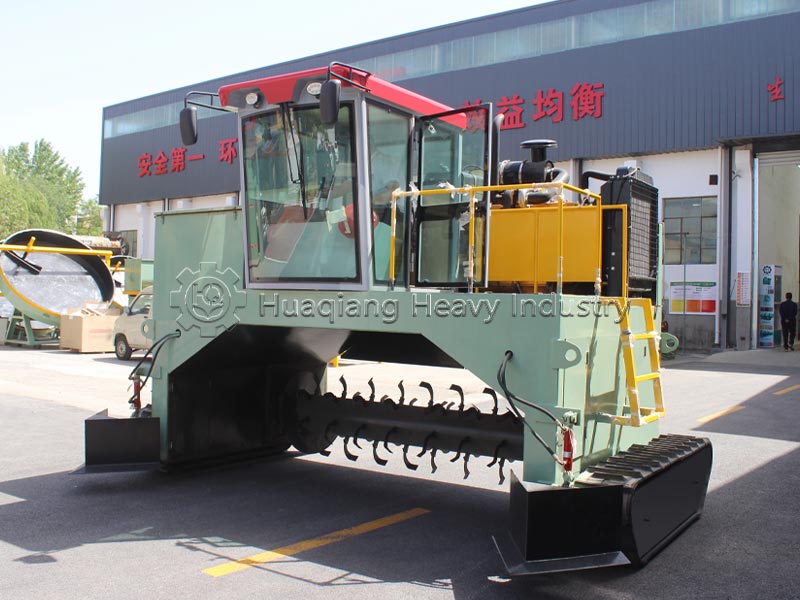
Aerobic composting relies on aerobic microorganisms (bacteria, fungi, actinomycetes) to decompose organic matter in the presence of oxygen. This process releases significant heat, rapidly raising the pile temperature to 55-65°C within days. The high temperature not only accelerates decomposition but also effectively kills pathogens and weed seeds. Aerobic composting has a short cycle (typically 20-40 days), produces minimal odor during the process (mainly carbon dioxide and water), and yields stable product quality, making it the mainstream process for large-scale organic fertilizer production. Its success hinges on maintaining pile porosity, ensuring oxygen supply through turning or forced aeration.
Anaerobic Composting: Harvesting Both Energy and Fertilizer
Anaerobic composting occurs under strictly oxygen-free conditions, led by anaerobic microorganisms like acidogenic bacteria and methanogens. This process does not generate high temperatures, decomposition is slow, and the cycle is long (typically 3-6 months). However, it has a unique advantage: producing biogas (mainly methane), a renewable clean energy source usable for cooking, lighting, or power generation. Therefore, anaerobic composting (especially biogas projects) is popular in rural areas and small farms, achieving the triple goal of “waste treatment – fertilizer production – energy recovery.” However, it requires strict sealing, and poor management can lead to malodorous gases like hydrogen sulfide.
Part III: How to Choose the Right Composting Pathway and Product?
The choice of composting method and final product depends on specific conditions and objectives:
· For large-scale farms or organic fertilizer plants: Aerobic composting is the preferred choice for its high efficiency and high degree of product commercialization. Granular or functional fertilizers can be produced based on market needs.
· For resource-limited rural households or small ecological farms: Anaerobic composting (e.g., household biogas digesters) can treat waste while providing cooking gas, with biogas slurry and residue being high-quality liquid organic fertilizers.
· For protected agriculture and high-value crop growers: Consider using functional bio-organic fertilizers or organic water-soluble fertilizers to achieve precise, efficient nutrient management and soil health maintenance.
· For field crop producers: Basic mature bulk fertilizer or granular organic fertilizer are cost-effective options that can effectively improve soil and lay the foundation for long-term sustainable production.
Integrated Fertilizer Manufacturing: From Composting to Granulation
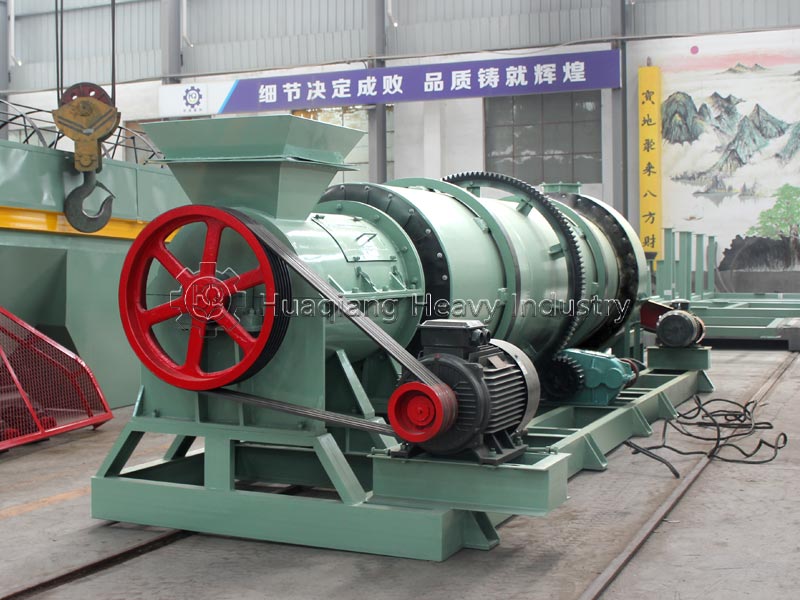
Modern fertilizer production encompasses two distinct yet complementary pathways. The organic fertilizer manufacturing process, rooted in advanced composting, transforms waste into stable humus. To create a commercial product, this compost is often shaped using equipment like those in a disc granulation production line. Conversely, the conventional npk fertilizer production process follows a different route. It begins with chemical synthesis and precise blending, followed by granulation. Here, technologies like drum granulation using a rotary drum granulator are common in a standard npk production line.
The choice of granulation method is critical. While wet processes like drum granulation dominate for many NPK blends, alternative technologies exist. The principle of fertilizer granules compaction is employed in dry granulation, utilizing a fertilizer compaction machine or fertilizer compactor as the core of a roller press granulator production line. This diversity in the npk manufacturing process highlights the industry’s adaptability. Whether starting from organic waste or synthetic raw materials, modern integrated systems select the optimal processing and shaping technologies to produce efficient, market-ready fertilizers that support sustainable global agriculture.