How can you prevent organic fertilizer from “fermenting and spoiling” when using a windrow compost turner?

Many people use windrow compost turners, thinking that “just turning it is enough.” In reality, they fail to pay attention to details, which can easily lead to spoiled compost (turning it black, smelling, or not fermenting thoroughly).
First, adjust the frequency of turning based on the compost temperature. If the compost temperature is below 45°C, microbial activity is low, so turning it every two days is sufficient. Avoid frequent turning. If the compost temperature exceeds 65°C, turn it once a day. Use a windrow compost turner to move the hot material to the surface to dissipate heat and prevent beneficial bacteria from being killed. This will keep the compost temperature stable at 50-60°C, ensuring optimal fermentation.
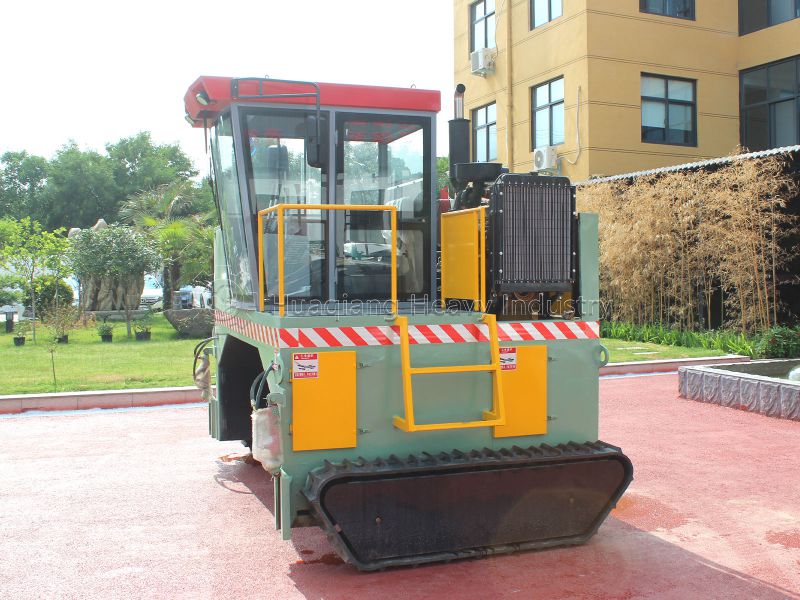
Second, check the moisture content of the compost when turning it. If the turned material sticks to the blades and cannot be shaken off, it is too wet. Sprinkle a layer of dry straw on the compost before turning it again. The compost turner will automatically mix it during turning. If the material breaks down and becomes dusty when turned, it is too dry. Spray water on it while turning it, and control the moisture content so that it can be clumped when held in the hand but falls apart when released.
Third, don’t forget to turn the “edge piles.” Many people only turn the large pile in the center, neglecting the smaller piles on the sides, which can cause them to under-ferment. A windrow compost turner can move in a “U-shaped” pattern, turning the center first, then moving around to the edges, bringing the material toward the center, ensuring every pile is turned.

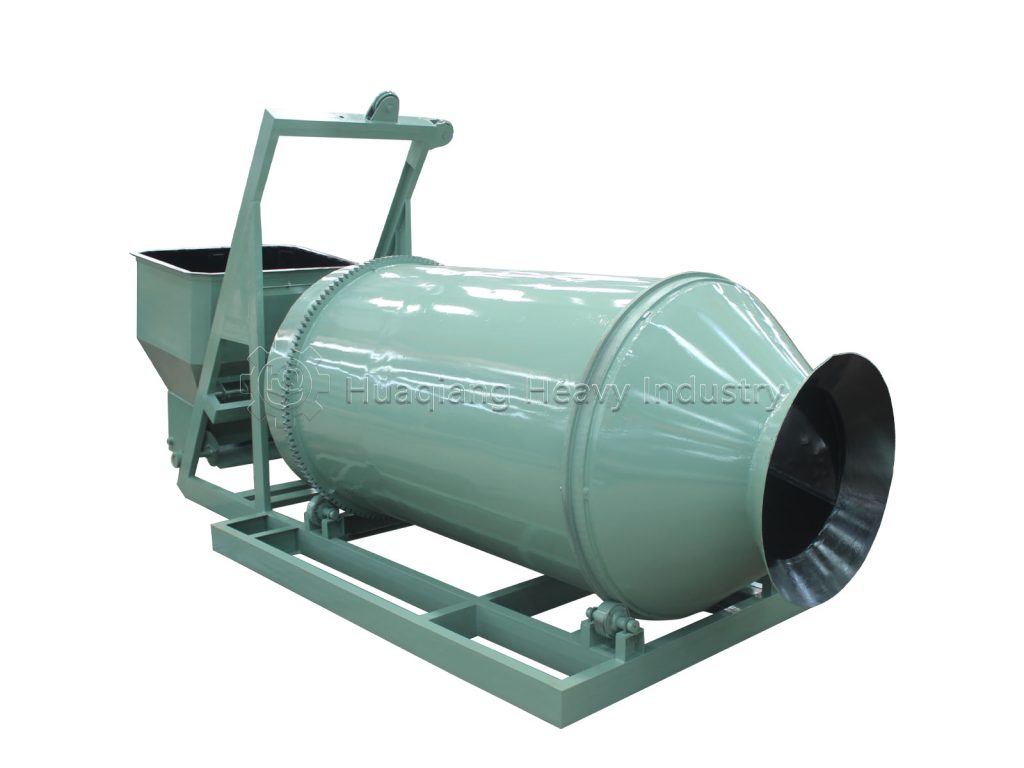
Energy consumption optimization for BB fertilizer mixers: Cost reduction from adjustment to operational details

In BB fertilizer production, BB fertilizer mixers account for 20%-30% of total energy consumption. Through equipment adjustment and operational optimization, energy consumption can be reduced by 15%-20% without compromising mixing quality.

For BB fertilizer mixer upgrades, variable-speed motors are preferred over traditional fixed-speed motors. The speed is adjusted according to the mixing stage: in the initial feeding phase (when the raw materials have not yet filled the barrel), a low speed of 15 rpm is used to avoid idling energy waste; in the middle mixing phase (when the raw materials are fully tumbling), the speed is increased to 22-25 rpm for efficient mixing; and in the later stages (when the mixing is nearly uniform), the speed is reduced to 18 rpm to reduce energy consumption from excessive mixing. Furthermore, adjusting the mixer’s blade angle from 45° to 30° (for granular raw materials) reduces blade resistance, reduces motor load by 10%-12%, and reduces energy consumption accordingly.

There are three key aspects to optimizing operational details: First, “full load but not overload”—feeding the equipment at 75% of its rated capacity to avoid wasted idling caused by underfeeding (<60%) or motor overload and energy consumption caused by overfeeding (>90%). Second, “centralized batch production”—concentrating fertilizer production of the same formula within 2-3 hours to reduce energy consumption from frequent equipment starts and stops. Third, “reasonable cleaning cycles”—changing “clean every batch” to “clean every three batches”—reduces the equipment’s idle time during cleaning. Furthermore, an anti-stick coating on the drum wall ensures that residue remains within standards.

In addition, regularly inspect the wear of the BB fertilizer mixer’s blades. If the blade edge is worn by more than 1/4, repair or replace it promptly to avoid extended mixing time due to insufficient blade power.

How can we ensure that the effects of BB fertilizer containing functional additives are not lost through a blender?

When adding functional ingredients such as slow-release agents, biological agents, and trace elements to BB fertilizer, the BB fertilizer blender requires special adjustments to prevent the additive effects from being lost or unevenly distributed during the blending process.
Biological agents (such as Bacillus subtilis) are sensitive to high temperatures and easily inactivated. Therefore, two key controls must be implemented during blending: first, the blending temperature. By installing a cooling jacket on the BB fertilizer blender barrel, the chamber temperature can be kept below 35°C to prevent frictional heating from the blades, which could reduce the activity of the agent. Second, the mixing order: pre-mix the agent with 10 times the amount of carrier (such as humus powder) to form a “mother powder.” This should then be added after the blender has been running for 5 minutes. This minimizes direct friction between the agent and other ingredients and ensures a viable bacterial count retention rate exceeding 90%.

If adding a slow-release agent, to avoid damaging the coating during mixing, use a “low-shear” impeller (with blunted blade edges), reduce the speed to 15-18 rpm, and control the mixing time to ≤8 minutes. This prevents the slow-release agent particles from excessively colliding and causing the coating to crack, thereby losing its slow-release effect.
For trace elements, they should first be crushed to a size of 100 mesh or larger, pre-diluted with five times the amount of powdered fertilizer (such as monoammonium phosphate powder), and then added to the BB fertilizer blender using a “multi-point feeding” method to ensure even distribution of the trace elements and avoid localized high concentrations that could cause fertilizer damage to the crop.

Practical methods for reducing raw material waste in ring die granulators

In fertilizer production, raw material waste in ring die granulators primarily stems from substandard pellets and die blockage. Targeted measures can increase raw material utilization by 5%-8%.

First, substandard pellets are recycled. After screening in the pelletizer, broken and large particles are collected and crushed to the required particle size (consistent with new raw material) using a dedicated fertilizer crusher. These particles are then mixed with new raw material at a ratio of 1:5 for re-pelletization. Care should be taken to control the moisture content during mixing. If the moisture content of the recycled material exceeds 18%, it should be air-dried to 14%-16% before mixing to prevent moisture absorption and impact on the overall pelletizing effect. Furthermore, the recycled material mix ratio should not exceed 20% to prevent it from affecting the strength of the new pellets.

Secondly, reduce ring die blockage losses. Before each shutdown, empty the pelletizing chamber of any remaining raw material. Then, introduce a small amount of talcum powder (5-8 kg per ton of raw material). Run the ring die granulator at no load for 5 minutes to allow the talcum powder to adhere to the inner wall of the ring die, forming a protective film to prevent residual raw material from solidifying and clogging. During daily production, check the ring die holes for blockage every four hours. If a small blockage is detected, clear it with a special needle (0.5 mm smaller in diameter than the die hole) to prevent further blockage and material waste.

In addition, polish the edges of the ring die holes every 100 hours to remove burrs and minimize material loss caused by material being stuck in the holes. A magnetic separator should be installed at the pelletizer feed inlet to remove metallic impurities from the raw material, preventing them from damaging the ring die and causing pelletizing problems, further reducing material waste.

Optimizing the linkage between the ring die granulator and front-end raw material processing

The granulation performance of a ring die granulator isn’t solely determined by the equipment itself. Linkage optimization with the front-end crushing, mixing, and conditioning processes can significantly improve production efficiency and pellet quality.
During the crushing process, the raw material particle size must be matched to the ring die aperture. For an 8mm ring die aperture, the raw material particle size should be controlled below 2mm, with a particle size deviation of no more than 0.5mm, to prevent large particles from clogging the die aperture. A grading screen can be installed at the pulverizer outlet, with the screen aperture set to 1/4 the ring die aperture, to ensure uniform particle size and reduce the frequency of granulator downtime for cleaning. If the raw material contains a high amount of coarse fiber (such as straw powder), the pulverizer should use a hammer-type mechanism to enhance crushing efficiency.


The mixing process must ensure uniformity among the raw materials, binders, and nutrients. Uneven mixing can result in insufficient nutrients or insufficient strength in some pellets. A typical requirement for uniformity is a coefficient of variation of ≤7%. This can be achieved by adjusting the mixer speed (30-40 rpm) and mixing time (5-8 minutes). Sampling points should be set up at the fertilizer mixer outlet for hourly testing.
During the conditioning process, the steam supply should be adjusted according to the production speed of the ring die granulator. For example, if the pelletizer processes 5 tons of raw materials per hour, the steam supply should be maintained at a stable 0.3-0.4 tons/hour, monitored in real time by a flow meter. If the pelletizer speed is increased to 6 tons/hour, the steam supply should be increased to 0.45-0.5 tons/hour to prevent the raw materials from being too dry or too wet.
By coordinating the speed and flow of the front-end and pelletizer, production efficiency can be increased by 10%-15%, reducing downtime caused by process disconnects.

Cage crusher operation and maintenance guide during daily use

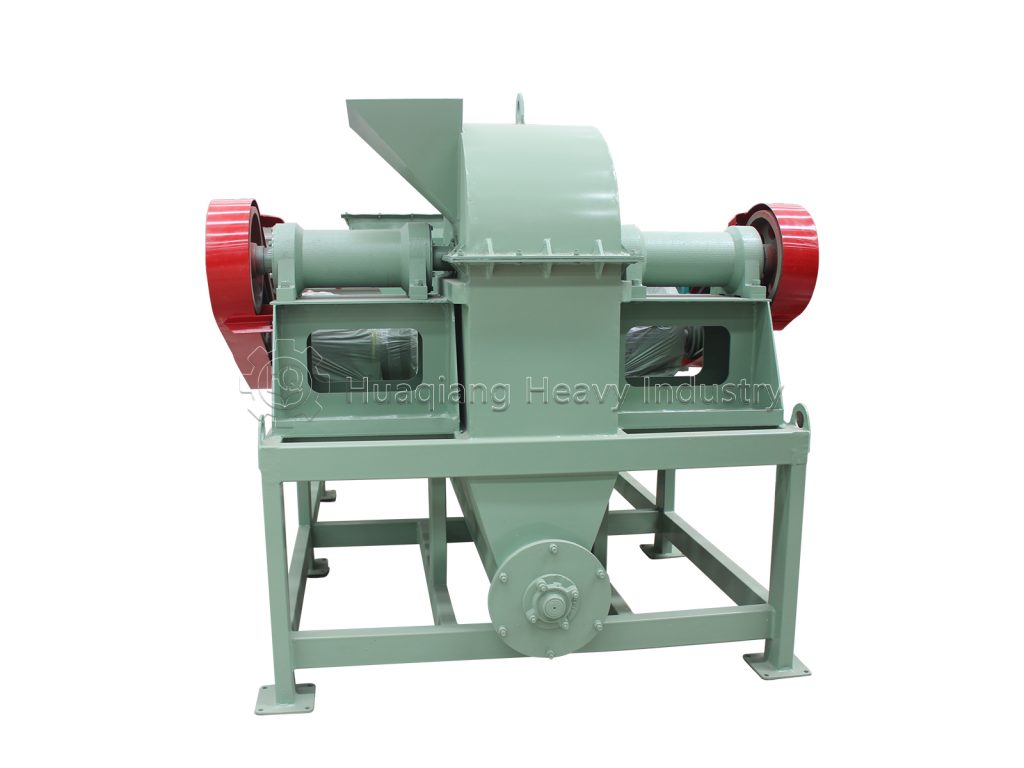
Before using a cage crusher, it’s crucial to control the moisture content of the material. For materials such as corn, soybean meal, bran, and fish meal used in the feed industry, the ideal moisture content is generally between 10% and 14%. This is because feed pellets need to remain loose. Moisture levels above 14% can cause the material to stick to the cage rotor, hindering the grinding process. Below 10% can easily generate dust, polluting the environment and potentially posing a safety hazard. For example, corn with a moisture content of 9% can be over-crushed into a fine powder due to its brittle texture, exceeding the required particle size for feed pelleting.

Regularly inspect the beater. Manually move the beater. If the beater shakes more than 5mm, or if the bolts securing it are loose or missing, tighten them immediately with a torque wrench. Use a lock washer to prevent further loosening. If a beater is severely worn, replace it with a beater of the same specification to ensure consistent height across all beaters.

Check the cage plate for material buildup. If wet material is not cleaned after crushing, material may stick to the inside of the cage plate, causing the rotor’s center of gravity to shift. Stop the cage crusher and use a scraper to clean it. Reduce operating time when handling wet material. Also, check for cage wear. Measure the diameter of both cage plates with a caliper. If wear exceeds 2mm, replace the cage plates. After replacement, perform a dynamic balancing test on the rotor.

Bearing maintenance is also crucial. After 10 minutes of operation, touch the bearing seat. If the temperature exceeds 70°C or there is a snag during rotation, the bearing may be depleted or damaged.

Only by properly controlling material moisture and performing routine maintenance can you maintain a cage crusher in good operating condition, improve production efficiency, and extend the equipment’s life.

How to configure an organic fertilizer production line? Proper selection and matching of disc granulators

To build an efficient organic fertilizer production line, the proper selection of a disc granulator and its supporting equipment are crucial, directly impacting the overall production efficiency and product quality.

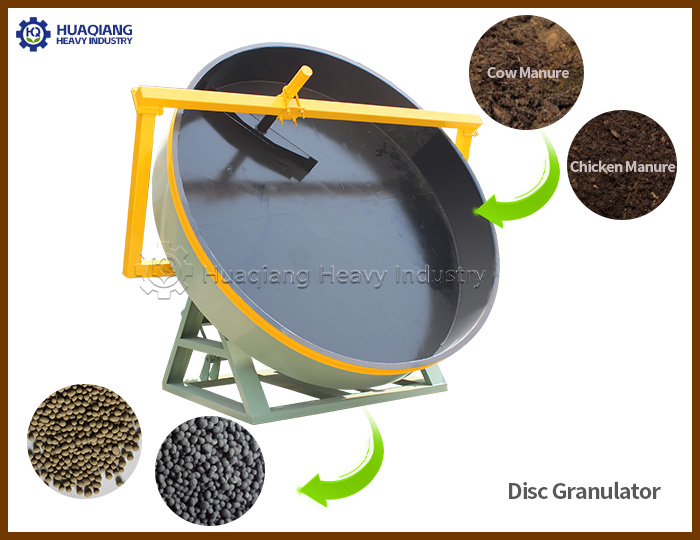
When selecting a disc granulator, the specifications of the disc granulator should be determined based on the production capacity requirements of the fertilizer production line. If the production line has a low capacity, a machine with a moderate processing capacity can be selected. If the production capacity requirements are high, a disc granulator with a high processing capacity should be used to ensure that the granulation process is compatible with the overall production capacity and avoid capacity bottlenecks.

Furthermore, the type of fertilizer being produced, such as organic fertilizer or NPK compound fertilizer, should be considered. Different types of fertilizer raw materials have different characteristics, so an appropriate disc granulator must be selected to ensure optimal granulation results.

The selection of supporting equipment is also crucial. In a fertilizer production line, a disc granulator must work in conjunction with other equipment such as a fertilizer crusher, mixer, screener, dryer, and packaging machine. The pulverizer crushes the raw materials to the appropriate particle size, preparing them for granulation; the mixer ensures that the raw materials are evenly mixed; the screening machine screens the granulated particles and separates unqualified particles; the dryer reduces the moisture content of the particles for easy storage; and the packaging machine completes the final product packaging.

The rational combination of these supporting equipment can form a complete and efficient fertilizer production process, improve the automation level and production efficiency of the entire production line, and create greater value for the enterprise.