Chain crusher: From equipment structure to applications in medium-hard material crushing

In agricultural organic fertilizer production and chemical raw material processing, selecting a suitable and efficient fertilizer crushing equipment is crucial. Chain crushers, with their excellent crushing capabilities for medium-hard materials, have become the first choice for many companies. To choose the right equipment, it’s essential to first understand the structure of the chain crusher and then determine its suitability based on your specific needs.

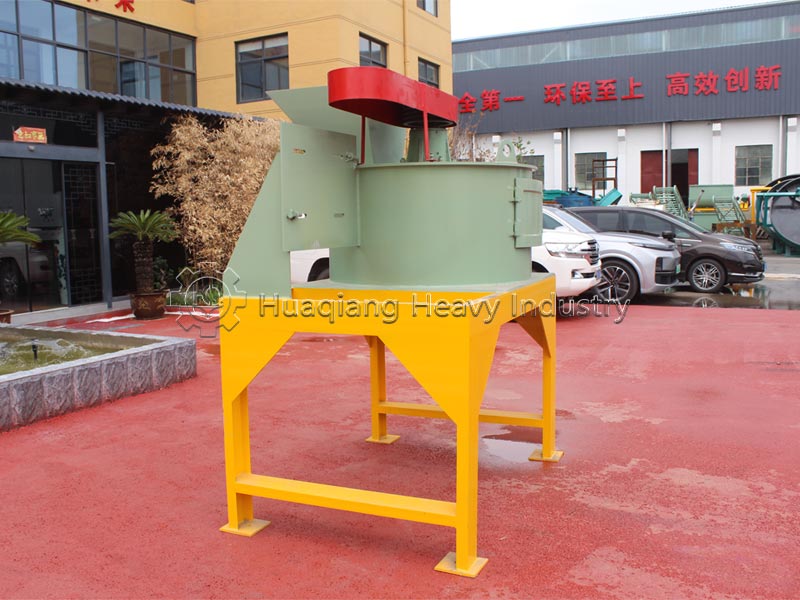
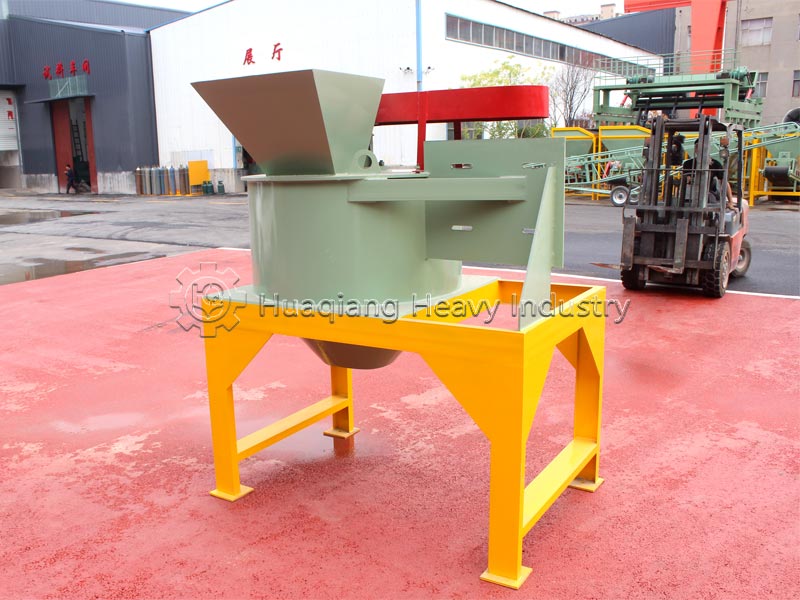
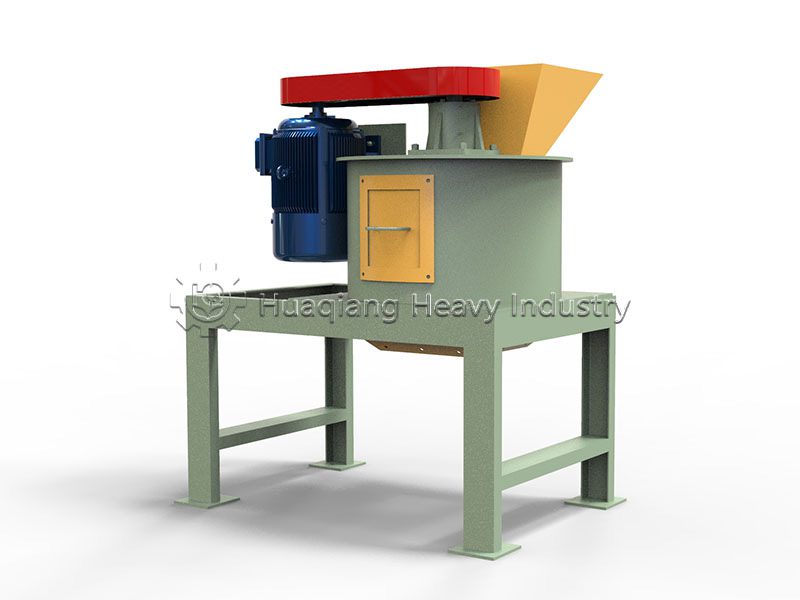
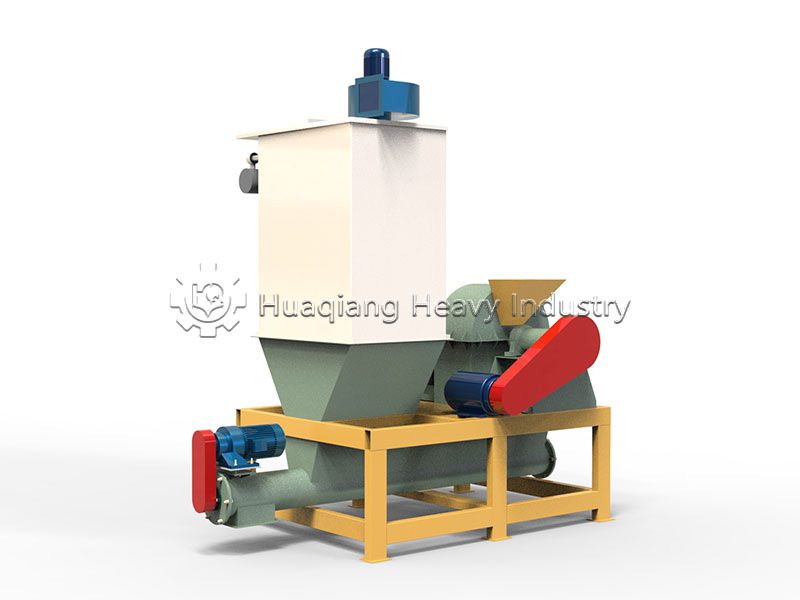
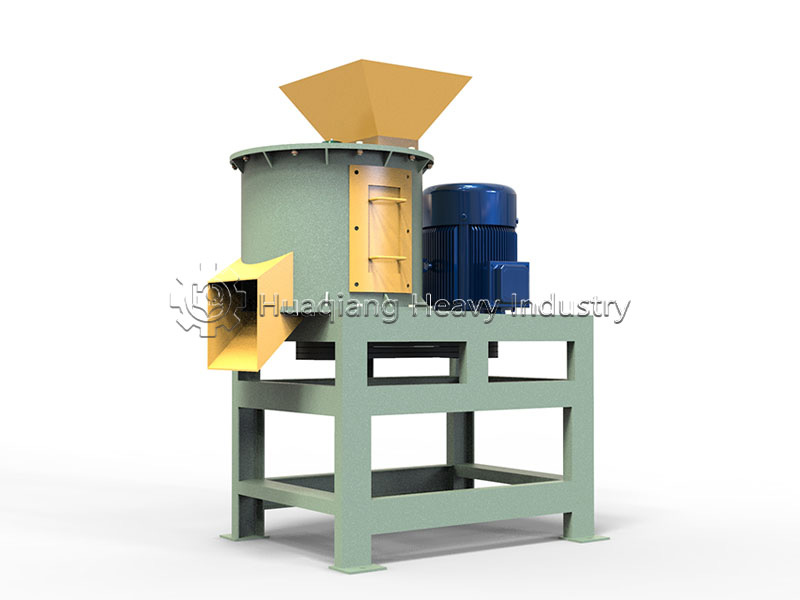
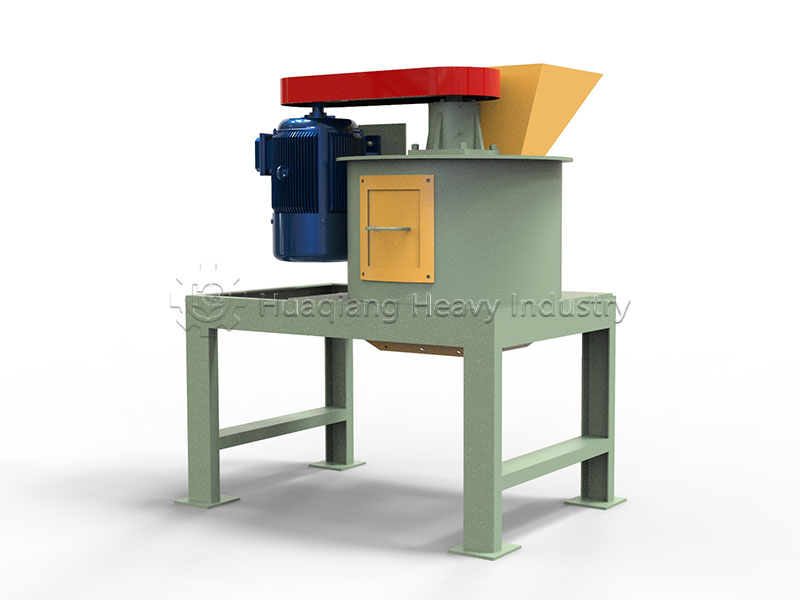
The chain crusher’s structure and components work together to support its stable operation: a robust steel chassis withstands impact vibrations during crushing, protecting the internal rotor assembly; the rotor’s main shaft, chain, and hammers are the core of the crushing process, directly affecting crushing efficiency; adjustable-aperture screens allow for flexible control of the output particle size to meet different production requirements; the inlet and outlet design ensures smooth material flow, while protective devices safeguard operational safety. Understanding these structural elements helps companies determine whether the equipment meets their production intensity and safety standards during the selection process.

As a high-efficiency fertilizer crusher, two points need to be considered when selecting a chain crusher: First, the characteristics of the material. If it is necessary to process medium-hard materials or materials with a certain degree of moisture and stickiness, the adaptability advantage of the chain crusher can be fully utilized. Second, the production capacity requirements. Combine the parameters such as the motor power and rotor speed of the equipment to match your own production scale. Choosing the right organic fertilizer production equipment can not only improve the efficiency of material pretreatment, but also lay a stable foundation for subsequent production processes, helping enterprises reduce costs and increase efficiency.

High-efficiency crushing equipment boosts fertilizer production and solves material processing challenges

In fertilizer production, material crushing is one of the key steps. Whether it’s bio-organic fertilizer or NPK compound fertilizer, raw materials need to be crushed to a uniform particle size to ensure the smooth operation of subsequent granulation and mixing processes.

When it comes to high-efficiency crushing equipment, cage crushers are undoubtedly a popular choice. As a typical fertilizer crusher, its unique cage-type rotor design easily handles high-hardness and high-moisture materials—such as organic waste with high water content. Its high-speed rotating cage bars, combined with wear-resistant crushing teeth, can quickly crush materials, and by adjusting the gap between the rotor and the fixed crushing plate, it can precisely control the output particle size, ensuring uniform particle size after crushing and meeting the needs of different fertilizer production lines.

In addition to cage crushers, other crushing equipment is also used in fertilizer production depending on the characteristics of the raw materials. When processing biomass raw materials such as straw and rice straw, straw crushers can crush the raw materials into fine fibers, facilitating microbial decomposition and fermentation; for half-wet organic materials, half-wet material crushers can prevent material sticking and clogging, maintaining stable crushing efficiency; while chain crushers and horizontal crushers are suitable for medium-hardness fertilizer raw materials, flexibly adapting to different production scenarios.

Today, with the large-scale development of bio-organic fertilizer production line and NPK fertilizer production line, the adaptability of crushing equipment is constantly improving. The right crushing equipment can become a powerful “assistant” in fertilizer production, helping companies improve product quality and expand production scale.

Core supporting equipment for bio-organic fertilizer production lines

Under the trend of green agricultural development, the intelligent and efficient operation of bio-organic fertilizer production lines has become a goal pursued by the industry. As a key piece of equipment in bio-organic fertilizer production, the fertilizer crusher’s performance directly impacts the final quality and production efficiency of organic fertilizers. Whether for the reuse of agricultural waste or large-scale organic fertilizer production, it plays an irreplaceable and crucial role.

The fertilizer crusher boasts strong adaptability, capable of processing various raw materials such as straw, livestock and poultry manure, and composted materials, perfectly addressing the shortcomings of traditional crushing equipment in handling wet and mixed materials. In the bio-organic fertilizer production line, it connects the raw material pretreatment stage, crushing large raw materials into uniform particle sizes. This not only increases the contact area between the material and microorganisms, improving subsequent fermentation efficiency, but also lays a solid foundation for the subsequent granulation process, avoiding problems such as poor particle formation caused by uneven raw material particle size.

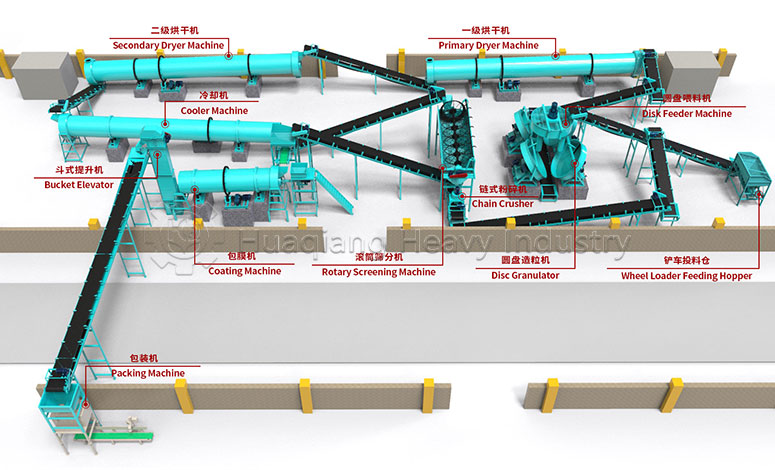
As one of the core pieces of bio-organic fertilizer equipment, it can be used in conjunction with chain crushershorizontal crushers, and other equipment, flexibly adapting to different production needs such as bio-organic fertilizer production lines and NPK fertilizer production lines. By adjusting crushing parameters according to different raw material characteristics, it can precisely control the output particle size, meeting the production requirements of various fertilizer products such as powder fertilizers and granular fertilizers.

For organic fertilizer production enterprises, a high-quality fertilizer crusher not only improves the overall production capacity of the production line but also offers the advantages of convenient maintenance and low energy consumption, helping enterprises reduce production costs.

The “Pre-treatment Powerhouse” of bio-organic fertilizer production lines

In the bio-organic fertilizer production process, the efficiency of the pre-treatment stage directly determines the quality of subsequent production, and the half-wet material crusher is the core equipment in this stage. As one of the key pieces of bio-organic fertilizer equipment, it perfectly solves the problem of processing high-humidity materials, ensuring the stable operation of the bio-organic fertilizer production line.

Traditional dry crushers often encounter problems such as clogging and low efficiency when processing wet materials such as wet straw and composted organic fertilizer due to material adhesion. However, the half-wet material crusher, with its special design, can easily handle wet materials with a moisture content of 30%-60%. Its built-in anti-clogging device prevents material adhesion, and the high-speed rotating crushing elements quickly crush the wet material into uniform particles through impact, cutting, and grinding. This not only reduces equipment failures but also improves the efficiency of subsequent fermentation and granulation processes.

In a complete bio-organic fertilizer production line, the half-wet material crusher usually connects the raw material pre-treatment and fermentation stages. For example, when processing agricultural waste, it first crushes wet straw, livestock manure, and other raw materials to a suitable particle size, increasing the contact area of the materials and allowing for more thorough microbial fermentation; when used in conjunction with other bio-organic fertilizer equipment such as chain crushers and horizontal crushers, it can flexibly adapt to different raw materials and meet diverse production needs.

In addition, this equipment also has the advantages of convenient maintenance and controllable particle size. For organic fertilizer production enterprises, choosing a high-quality half-wet material crusher can effectively improve the overall production capacity of the production line and contribute to the development of green agricultural circular economy.

The core role of chain crushers in organic fertilizer production

In the organic fertilizer production process, material crushing is a critical pretreatment step, and chain crushers, with their outstanding performance, are the preferred equipment for this purpose. Organic fertilizer raw materials often contain lumps or medium-hard impurities. Inadequate crushing can affect the efficiency of subsequent granulation and mixing processes, as well as the quality of the finished product. It can even lead to problems such as material jamming in the granulator and uneven granulation in the finished fertilizer.

Designed specifically for the characteristics of organic fertilizer, chain crushers can efficiently crush a wide range of organic fertilizer raw materials, including those with a certain degree of moisture and viscosity, addressing the clogging and incomplete crushing issues of traditional crushing equipment. High-speed rotating chains and hammers impact and shear the material, while an adjustable screen allows for easy control of the crushed material’s particle size, meeting the stringent fineness requirements of organic fertilizer production.

Furthermore, the equipment’s sturdy structure, with core components made of wear-resistant steel, can withstand long-term, intensive operation, minimizing production interruptions. This provides a strong guarantee for the stable operation of organic fertilizer production lines, helping companies improve the yield rate of finished fertilizers and production efficiency.

Guide to selecting key equipment for bio-organic fertilizer production lines

With the rapid growth of green agriculture and organic farming, bio-organic fertilizer production lines are becoming a popular choice in the fertilizer industry. However, the core of a production line lies in equipment selection.

1.Fermentation Equipment
Trough Compost Turner: Best for large-scale production. Ensures even turning and high fermentation efficiency.
Crawler-type Turner: Ideal for windrow composting. Offers flexibility and lower investment.
Closed Fermentation Tank: Highly automated, prevents odor leakage, and excels in eco-friendliness.
Selection Tip: Choose based on raw materials (like livestock manure, straw) and production scale. Ensure thorough composting to eliminate pathogens and weed seeds.
2.Crushing Equipment
Half-Wet Material Crusher: Handles high-moisture organic materials well. Prevents clogging and boosts efficiency.
Chain Crusher: Suitable for fibrous materials (like straw, mushroom residue).
Selection Tip: Consider material moisture and hardness. Aim for uniform particle size to improve mixing and granulation later.

3.Mixing Equipment
Double Shafts Paddle Mixer: Delivers high mixing uniformity for powders and granules.
Ribbon Mixer: Works well with sticky materials and mixes thoroughly.
Selection Tip: Opt for corrosion-resistant materials (like stainless steel) to avoid material sticking and improve efficiency.
4.Granulation Equipment
Disc Granulator: Fits small-to-medium production. Produces rounded, moderately strong granules.
Rotary Drum Granulator: High-capacity, ideal for large-scale continuous production.
Extrusion Granulator: Energy-efficient and good for high-density organic fertilizer shaping.
Selection Tip: Select based on market needs (granule size or hardness). Ensure finished products resist breakage for easy transport and application.

Choosing the right equipment for production line boosts efficiency and guarantees product quality—supporting the growth of green agriculture.