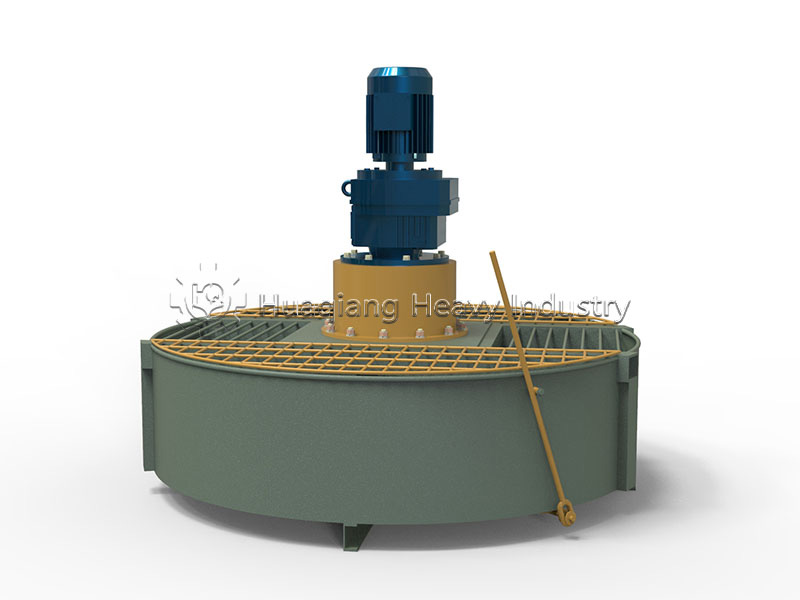
Key considerations for material handling during fertilizer mixer machines operation

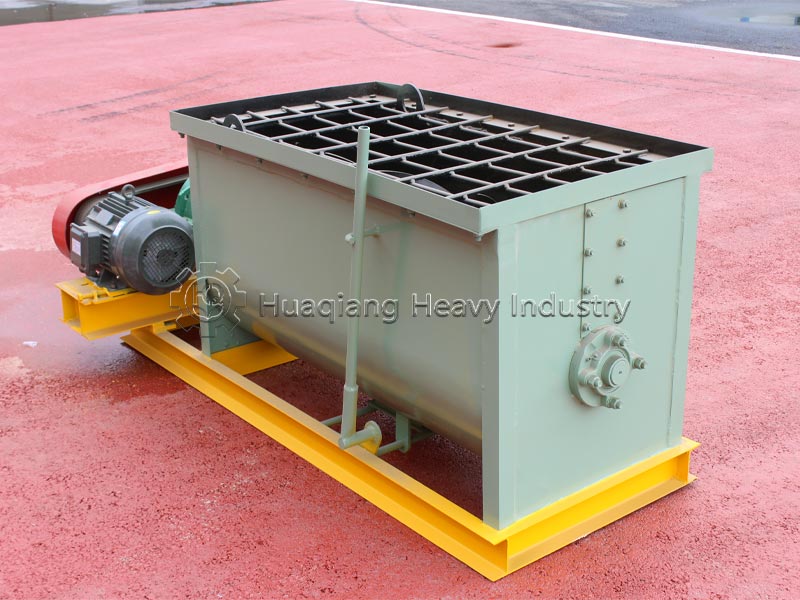
During the operation of a fertilizer mixer machine, the state and handling of the materials directly determine the mixing effect, equipment lifespan, and ultimately the quality of the final fertilizer product. Especially for organic and compound fertilizer production, controlling material-related considerations is a core prerequisite for ensuring a smooth overall production process of the bio-organic fertilizer equipment.

Material particle size uniformity must be prioritized. Materials fed into the mixer should be crushed and screened beforehand to avoid excessive mixing of coarse and fine particles—large particles tend to settle at the bottom of the equipment and cannot be fully mixed, while excessively fine powder may generate dust due to the mixing airflow and can easily lead to localized clumping. It is recommended to control the material particle size within a uniform range based on mixing requirements.

Material moisture content must be precisely controlled. The appropriate moisture content varies for different fertilizer materials, but generally needs to be controlled between 20% and 30%: excessively high moisture content can cause materials to stick to the mixing blades and machine walls, affecting mixing uniformity and potentially increasing equipment load; excessively low moisture content results in excessive material fluidity, making it difficult to achieve a stable mixing state, and may even cause dust pollution.

Mixing of impurities and incompatible materials is strictly prohibited. Materials must be thoroughly cleaned before feeding to remove hard impurities such as stones, metal fragments, and plastics; at the same time, mixing of materials with conflicting properties should be avoided to prevent chemical reactions during the mixing process, which could affect fertilizer quality or create safety hazards. In addition, feeding should be uniform and steady, avoiding large-scale feeding at once to prevent material accumulation, ensuring an orderly mixing process, and thus guaranteeing the stable operation of the subsequent fertilizer granulators.

Analysis of key factors affecting the quality of organic fertilizer granules

The quality of organic fertilizer granules directly impacts fertilization effectiveness, ease of storage and transportation, and product market competitiveness. Its formation process is constrained by multiple factors in the production chain.

Raw material characteristics are fundamental. The organic matter content, particle size distribution, and impurity content of the raw materials are crucial. The organic matter content needs to be maintained within a suitable range; too low a content will lead to poor granule formation and insufficient strength. Uneven raw material particle size can easily result in inconsistent granule size. It is recommended to crush the raw materials to a reasonable fineness beforehand, and then thoroughly mix and screen them to remove impurities using a fertilizer mixer machine. Furthermore, an imbalance in the carbon-nitrogen ratio of the raw materials will affect the subsequent fermentation process, indirectly leading to easily loosened granules.

Moisture content is a core condition for granulation. During granulation, the moisture content of the raw materials needs to be controlled between 25% and 35%. Excessive moisture can easily cause granules to stick together and clump, and may also lead to secondary fermentation during storage; insufficient moisture results in poor raw material fluidity, making it difficult to agglomerate and form granules, which are then prone to breakage. During production, the moisture content needs to be dynamically adjusted based on the type of raw material and the operating status of the bio-organic fertilizer equipment to ensure the stability of the granulation process.

Fertilizer granulator parameters and fermentation process should also not be overlooked. The speed, pressure, and inclination angle of different types of fertilizer granulators (such as disc granulators and flat die pelleting machines) directly affect the uniformity and strength of the granules; insufficient fermentation and maturation in the early stages will lead to residual undecomposed substances in the raw materials, resulting in a loose internal structure of the granules and making them prone to cracking and pulverization.

In summary, controlling key aspects such as raw material screening, fertilizer mixer blending, moisture adjustment, fertilizer granulator debugging, and fermentation control is essential to consistently produce high-quality organic fertilizer granules.

A powerful and efficient granulator for multiple applications: The ideal choice for organic fertilizer production

In the field of pellet processing, disc granulators have become popular equipment due to their superior performance, especially in organic fertilizer production. They are a core component of organic fertilizer disc granulation production lines, providing efficient solutions for pellet processing across multiple industries.

This organic fertilizer disc granulator boasts significant advantages, achieving a pelleting rate exceeding 95%. Its main gear undergoes high-frequency quenching treatment, effectively doubling its service life and significantly reducing maintenance costs. Its core component is an adjustable tilting disc with an adjustable tilt angle (30°-60°) and rotation speed (5-30 rpm). The disc’s inner wall is lined with wear-resistant material, allowing it to adapt to materials with different properties—from livestock manure and fermented straw in organic fertilizer production to iron ore powder in the metallurgical industry and cement raw materials in the building materials industry—all can be efficiently converted into pellets.

In the organic fertilizer production process, its operating logic is clear and efficient. First, the organic raw materials are pulverized to 0.1-1mm using a fertilizer crusher. After thorough mixing in a fertilizer mixer machine, they are evenly fed into a disc by a feeding device. Simultaneously, a water spraying device precisely controls the moisture content, maintaining the material’s moisture content at 10%-20%. As the disc rotates, the material is rolled into spheres under centrifugal force and friction. Particles with a sphericity exceeding 80% are screened by a fertilizer screener machine. Qualified products proceed to the subsequent drying stage, while unqualified particles are returned for reprocessing, ensuring stable finished product quality.

Besides organic fertilizer, it is also widely used in the metallurgical, building materials, and chemical industries: in metallurgy, it is used for granulation of mineral powder to facilitate subsequent sintering and smelting; in building materials, it is used to produce cement raw material granules to improve cement quality; and in chemicals, it is used for granulation of catalysts and pigments to enhance product flowability.

Double axis paddle mixers: A powerful mixing tool for efficient production across multiple industries

In production processes across industries such as chemicals, pharmaceuticals, food, and building materials, the uniformity and efficiency of material mixing directly impact the quality of the final product. Double axis paddle mixers, with their superior performance, have become the preferred equipment for many companies.

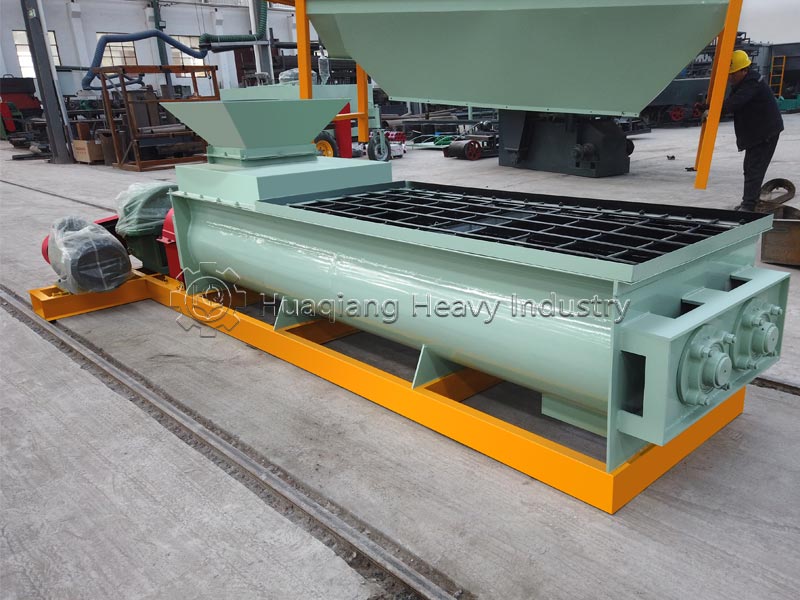
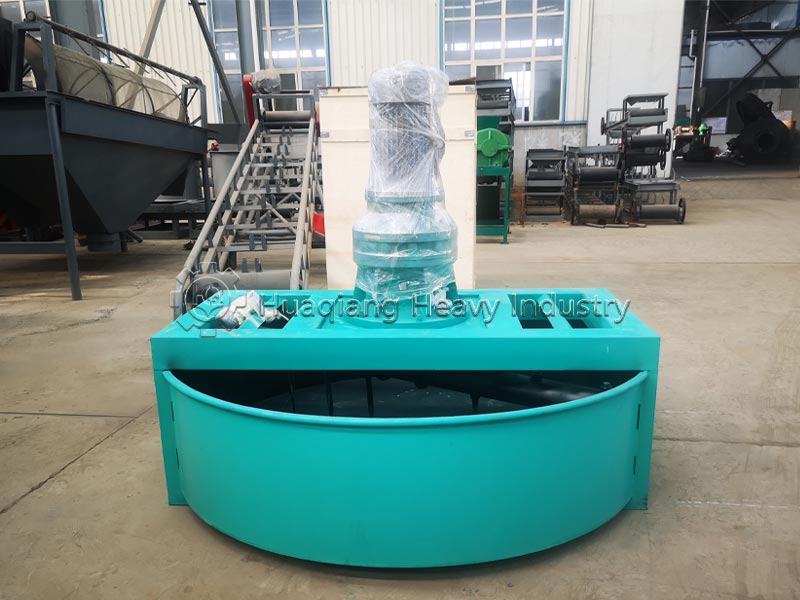
As a high-efficiency mixing device, it uses two independent, counter-rotating mixing shafts as its core. Through paddle-type or other types of mixing blades, it shears, crushes, and diffuses materials, easily achieving deep mixing. It is particularly suitable for scenarios requiring the mixing of high-viscosity materials and solid particles, solving the problems of uneven mixing and low efficiency associated with traditional mixing equipment.

In the fertilizer production field, NPK fertilizer production lines have extremely high requirements for material mixing precision. NPK blending machine needs to uniformly mix raw materials such as nitrogen, phosphorus, and potassium. Double axis paddle mixers, with their stable mixing effect, ensure uniform distribution of raw materials, laying a good foundation for subsequent granulation, drying, and other processes, significantly improving the quality of fertilizer products. Furthermore, it is not only an important component of fertilizer mixer equipment but can also work in conjunction with fertilizer mixer machines and other equipment, adapting to the needs of different production lines such as organic fertilizers and bio-organic fertilizers.

Beyond industrial applications, double axis paddle mixers also play a crucial role in food additive mixing and pharmaceutical raw material pretreatment. For companies pursuing high-efficiency, high-quality production, selecting suitable high-efficiency mixing equipment is undoubtedly a key step in improving production efficiency and reducing costs, injecting strong momentum into the sustainable development of the industry.

Building the core strength for efficient and environmentally friendly fertilizer production

Under the general trend of green agricultural development, the demand for organic fertilizers is growing due to their ability to improve soil quality and enhance crop quality. Efficient organic fertilizer production equipment has become crucial for achieving large-scale and standardized production.

Organic fertilizer production equipment comes in a wide variety of types, covering the entire production process. Among them, the organic fermentation compost turning machine is the core of the initial stage. It can regulate temperature and aeration by turning the fermented materials, accelerating the decomposition of raw materials such as straw and livestock manure, preventing odor generation, and laying a high-quality foundation for subsequent production. In the processing stage, the fertilizer crusher can crush the decomposed materials to a uniform particle size, solving the problem of clumping; subsequently, the fertilizer mixer machine can accurately mix various auxiliary materials to ensure balanced nutrition in the organic fertilizer.

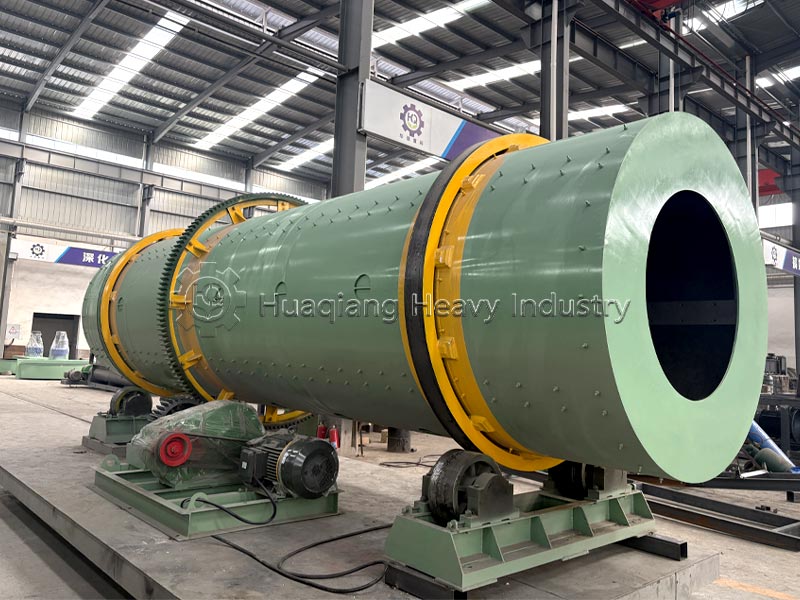
The granulation stage relies on organic fertilizer granulators, such as disc granulators and rotary drum granulators, which can process the mixed materials into granules. This not only facilitates storage and transportation but also controls the nutrient release rate. After granulation, the fertilizer dryer and cooler work together to remove moisture from the granules and stabilize their shape. The fertilizer screener machine then screens out products of the qualified particle size, and unqualified particles can be crushed and reused, reducing waste. Finally, the fertilizer packaging machine achieves automated quantitative packaging, improving production efficiency.

When choosing organic fertilizer production equipment, it is necessary to consider your own production capacity needs and raw material characteristics. For example, small farms can choose compact single-unit equipment, while large production enterprises are suitable for complete organic fertilizer production lines. High-quality equipment can not only increase output but also reduce energy consumption and pollution, meeting environmental protection requirements.

A path to quality improvement and efficiency for small and medium-sized fertilizer enterprises

For small and medium-sized fertilizer enterprises, the performance of NPK fertilizer production lines directly determines their market competitiveness. Choosing the right compound fertilizer production equipment and optimizing production processes are crucial for reducing costs and increasing efficiency. Many companies have achieved a transformation from “extensive production” to “precise and efficient production” by upgrading their production lines.

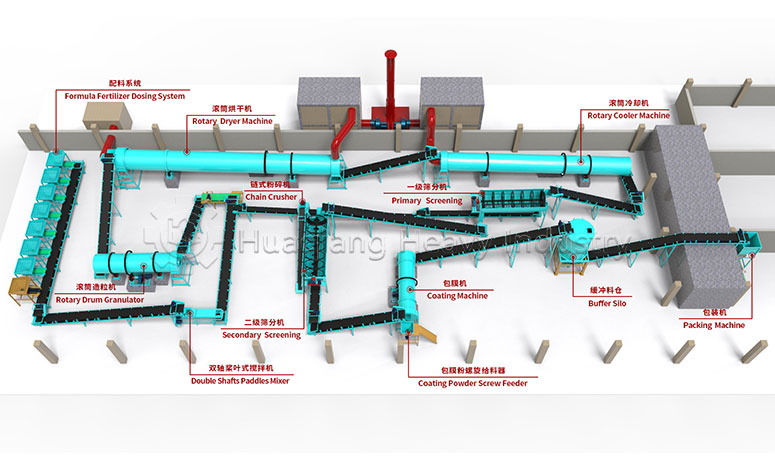
The core of upgrading production lines for small and medium-sized fertilizer enterprises is to balance practicality and cost-effectiveness. A basic NPK fertilizer production line requires essential equipment: in the raw material processing stage, a fertilizer crusher can crush large pieces of phosphate rock, potash fertilizer, and other raw materials to a suitable particle size, and a precise batching system can prevent deviations in nutrient ratios; a fertilizer mixer machine is used in the mixing stage to ensure uniform mixing of nitrogen, phosphorus, potassium, and auxiliary materials, laying the foundation for subsequent granulation. A fertilizer granulator can be selected based on production capacity. Subsequent drying, cooling, and coating machines, and fertilizer screener machines can screen out qualified granules, and then an automatic packaging machine completes the packaging process, significantly reducing labor costs.

Process optimization is equally indispensable. A high-quality NPK fertilizer granulation process can improve the finished product qualification rate. Automated compound fertilizer production is now mainstream; a simple PLC control system can monitor parameters such as drying temperature and granulation speed in real time, reducing human error.

Small and medium-sized fertilizer enterprises do not need to blindly pursue high-end equipment; they should choose a suitable solution based on their production capacity and product positioning. Prioritize manufacturers with comprehensive after-sales service to ensure that equipment problems can be resolved promptly.

From equipment to process, how to choose the right NPK fertilizer production line?

In the process of agricultural modernization, the demand for high-quality compound fertilizers has surged, making NPK fertilizer production lines core equipment for fertilizer companies expanding production. However, faced with a variety of equipment and processes, choosing a production line that suits their specific needs is a challenge for many industry professionals.

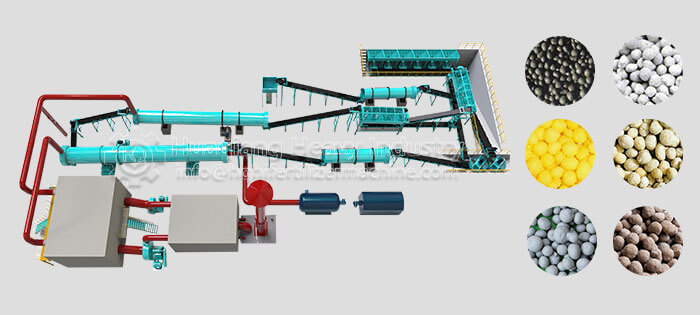
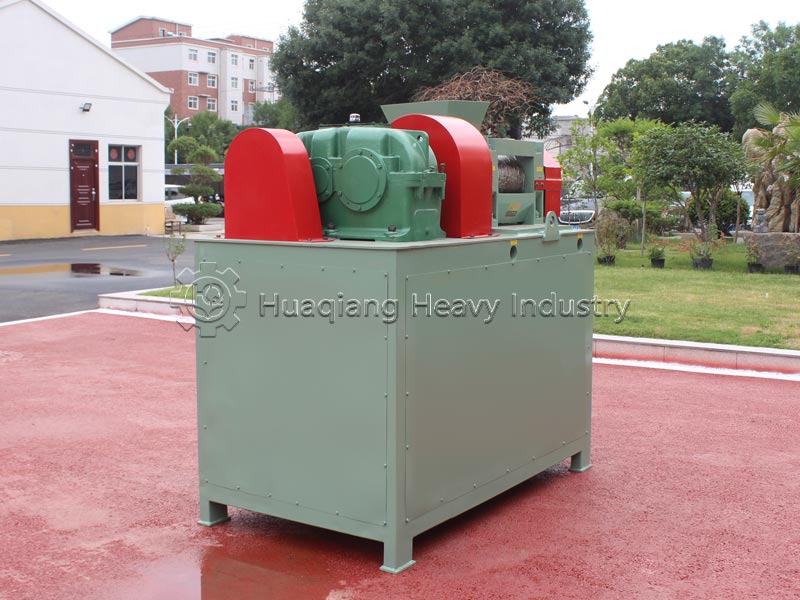
First, let’s look at the core equipment configuration. A complete NPK fertilizer production line needs to cover key stages such as raw material processing, mixing, granulation, drying, and cooling. In the raw material processing stage, a fertilizer crusher can crush large raw materials to a suitable particle size, and with a precise batching system, the proportion of nitrogen, phosphorus, and potassium components can be strictly controlled; for the mixing stage, a fertilizer mixer machine is recommended, and a double shaft paddle mixer can achieve a raw material mixing uniformity of over 95%; granulation is the core process, with disc granulators suitable for small and medium-sized capacities, while double roller press granulators are suitable for high-hardness granule requirements, and companies can choose according to their needs. Subsequent drying, cooling, and coating machines, along with fertilizer screener machines, ensure that the finished granules are uniform and have a qualified moisture content, and finally, automatic packaging is achieved through packaging machines, improving production efficiency.

At the process level, automation is key. A high-quality NPK fertilizer granulation process requires a PLC control system for full monitoring, precisely adjusting parameters from raw material proportioning to drying temperature, ensuring stable nutrient content in the finished product and reducing energy consumption. Choosing the right NPK fertilizer production line is not just about purchasing a set of equipment, but also laying the foundation for the long-term development of the enterprise. Combining capacity, finished product requirements, and manufacturer services will allow the production line to truly become a profit engine.

Flat die pelleting machines: A technological breakthrough in high-pressure extrusion molding

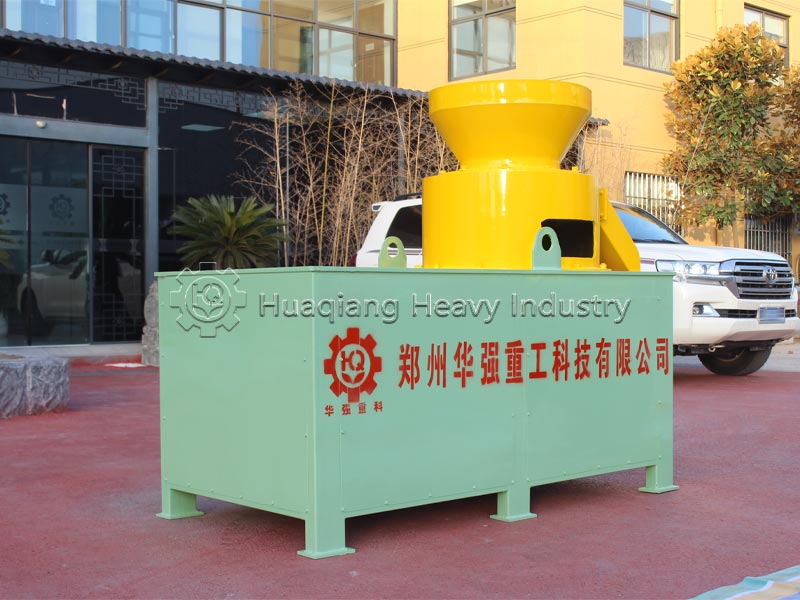
In the field of organic fertilizer granulation technology, the flat die pelleting machine adopts a technical approach different from traditional granulation methods. Through high-efficiency vertical extrusion, it transforms powdered organic raw materials into solid and dense granular products, demonstrating unique process value.

In practical production, the flat die pelleting machine exhibits significant structural advantages. Its relatively compact mechanical structure requires less floor space, and power transmission is more direct and efficient. This design not only reduces the site requirements for equipment installation but also results in superior energy efficiency.

From the perspective of system integration, the flat die pelleting machine plays a crucial role in modern organic fertilizer production lines. It can be efficiently connected with upstream fermentation equipment and downstream drying and screening equipment, forming a complete production process loop. As a key molding unit in the organic fertilizer production equipment system, its stable performance and low maintenance requirements ensure the continuous and stable operation of the entire production line.

Particularly noteworthy is the equipment’s high tolerance for raw material moisture content. Even under relatively low humidity conditions, it can maintain good molding effects, providing greater operational flexibility for moisture control during the production process and reducing the impact of fluctuations in raw material humidity on production stability.

With its unique technical characteristics and reliable production performance, the flat die pelleting machine enriches the technical options for organic fertilizer granulators and, through continuous technological optimization, drives the entire organic fertilizer production equipment industry towards a more efficient and professional direction.

NPK fertilizer mixing technology: From homogeneous slurry to precision blending

In modern NPK fertilizer production, the mixing process is not merely simple stirring, but a core technology permeating the entire production process. It directly determines the uniformity of nutrient distribution, affecting the stability and fertilizer efficacy of the final product. From liquid to solid, from chemical to physical, the mixing process, in its diverse forms, supports the production quality of compound fertilizers.

In the initial stages of production, the chemical reaction itself is accompanied by deep mixing of raw materials. When the basic nitrogen, phosphorus, and potassium raw materials undergo chemical reactions under specific conditions, continuous mechanical stirring ensures sufficient contact between the reactants. The homogeneous slurry formed in this process lays the necessary physical foundation for subsequent granulation.

After chemical mixing, the materials enter the refined physical mixing stage. When the slurry or powder needs to be combined with other auxiliary materials, specialized fertilizer mixer machines, through scientifically designed motion trajectories, can achieve a highly uniform distribution of each component in a short time.

In another important branch of NPK fertilizer production—the production of physically blended fertilizers (BB fertilizers)—NPK fertilizer production technology exhibits different technical requirements. Faced with basic fertilizer granules of varying densities and sizes, the mixing process must achieve both uniform nutrient distribution and minimize granule breakage and separation. This targeted mixing technology enables the perfect coexistence of various granule types.

From mechanical stirring in the chemical reactor to the uniform distribution of the finished granules, the mixing process remains a crucial node in the NPK fertilizer production line. Its technological advancements not only improve the intrinsic quality of fertilizer products but also provide a reliable material foundation for the development of precision agriculture.

BB fertilizer mixer: Flexible productivity in the precision agriculture era

In modern fertilizer production, the BB fertilizer mixer is the core engine of the NPK blending fertilizer production line, characterized by physical blending, translating the concept of precise formulation into a uniform and high-quality finished product.

While there are many types of general-purpose fertilizer mixers, the BB fertilizer mixer is a specialized piece of equipment designed specifically for granular blending. Its unique structure allows for the uniform mixing of nitrogen, phosphorus, and potassium base fertilizers of different particle sizes and densities in a very short time, while minimizing particle breakage.

Compared to the chemical reaction route of traditional NPK fertilizer production lines, the NPK blending fertilizer production line centered on the BB fertilizer mixer exhibits unique advantages. It can quickly adjust the formula based on soil testing data, enabling flexible production of small batches and multiple varieties. This flexibility allows fertilizer processing plants to respond promptly to the personalized needs of different regions and crops, truly achieving precision fertilization.

In a complete NPK blending fertilizer production line, the BB fertilizer mixer works precisely in conjunction with the automatic batching system and conveying equipment. After precise metering, raw materials enter the mixing chamber, where they are efficiently mixed within a set time before being directly packaged or shipped in bulk. This compact design significantly shortens the conversion time from formulation to product.

With the increasing demands for precision fertilization in modern agriculture, the BB fertilizer mixer is playing an increasingly crucial role in NPK blending fertilizer production lines.