Detailed process flow of roller press granulator production line

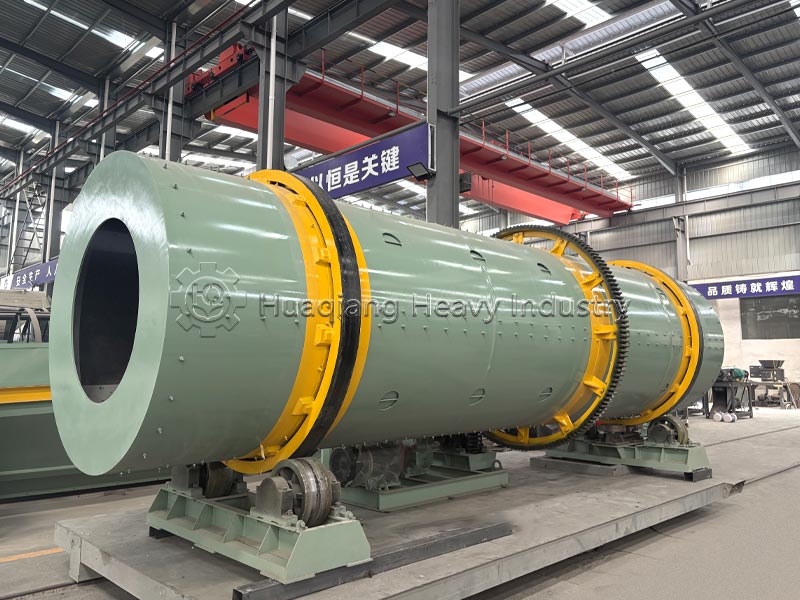
Roller press granulator production lines, with their advantages of cold pressing, energy efficiency, and wide compatibility with raw materials, are widely used in the processing of compound fertilizers and organic fertilizers. They eliminate the need for high-temperature drying, maximizing the retention of raw material activity and nutrients.

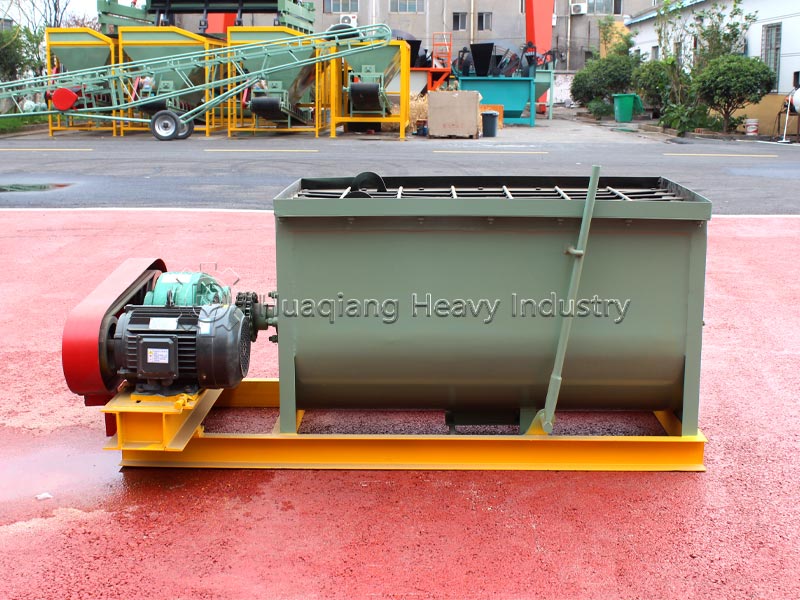
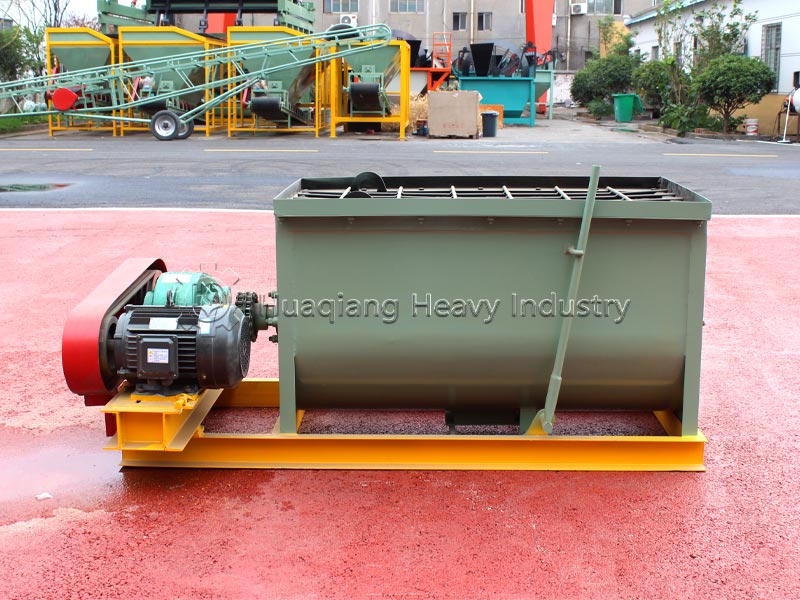
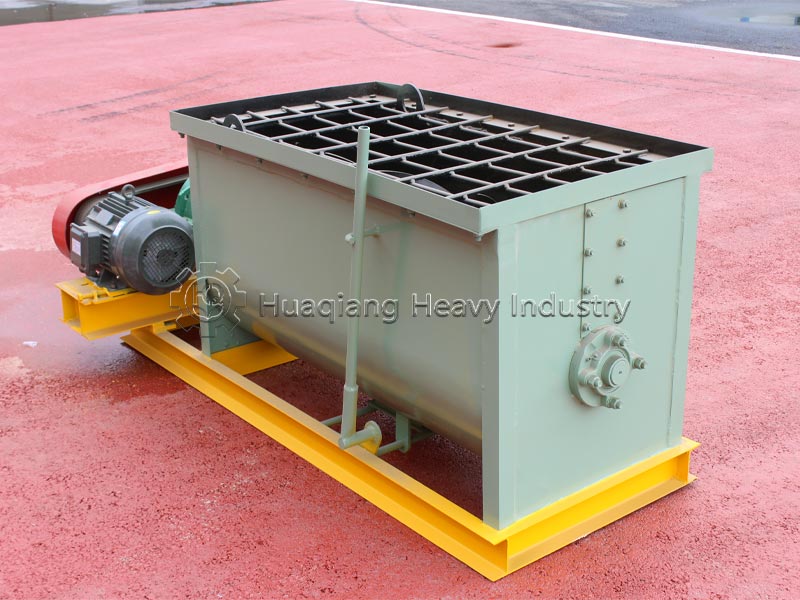
Raw Material Pretreatment: First, the raw materials are precisely proportioned according to a preset ratio. Inorganic raw materials such as urea and monoammonium phosphate, or well-rotted organic materials, are mixed with auxiliary materials and fed into a fertilizer mixer for homogenization, ensuring uniform nutrient distribution. Then, the material is processed by crushing and screening equipment to achieve a particle size of 80 mesh or higher, while simultaneously adjusting the moisture content to 8%-12% to avoid clumping or poor forming.
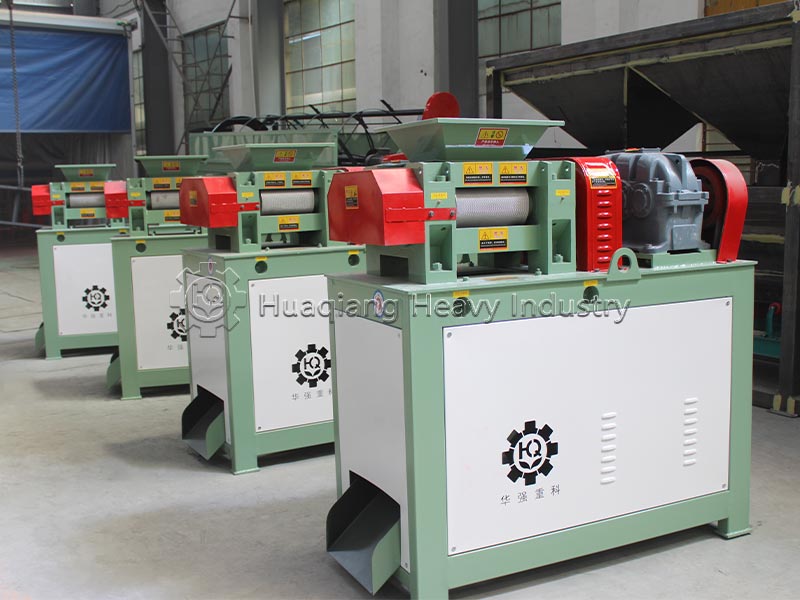
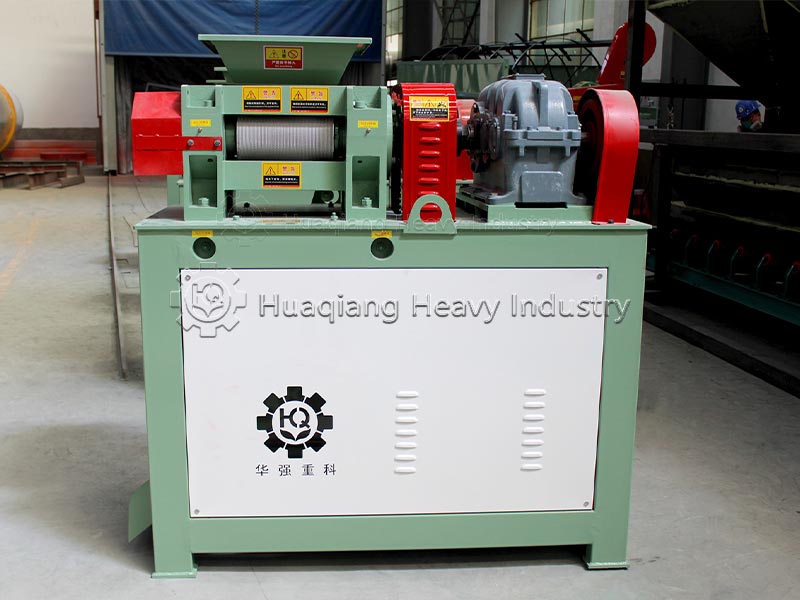
Roller Pressing: The pretreated material is fed into a double roller press granulator. High pressure is applied by a pair of counter-rotating rollers, pressing the loose material into dense flakes or blocks. The roller pressure needs to be finely adjusted according to the material characteristics. Insufficient pressure will result in brittle particles, while excessive pressure may damage the equipment and affect solubility; precise control is essential.

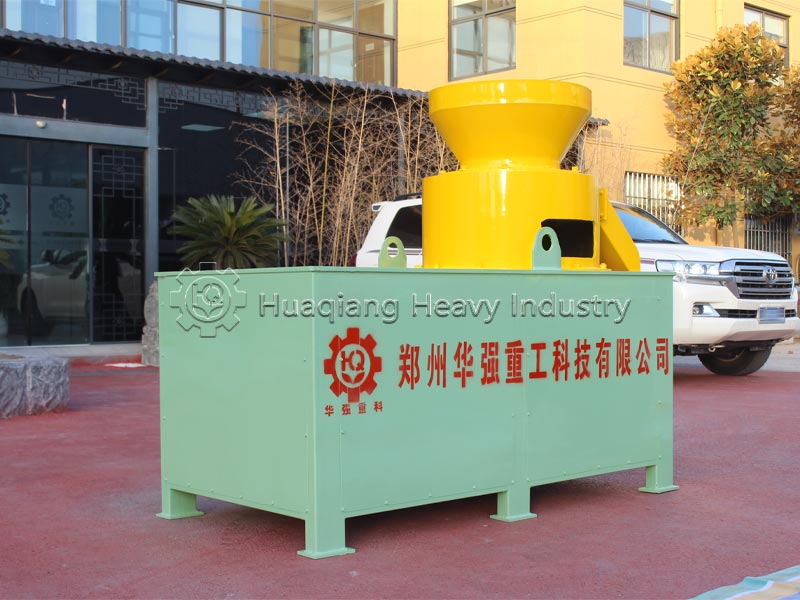
Post-Processing Screening: The raw material is crushed into irregular particles by a crusher, then classified by a fertilizer screener machine. Qualified particles enter subsequent stages, while unqualified coarse particles and fine powder are returned to the pretreatment stage for reprocessing, forming a closed-loop production process and improving raw material utilization. Finally, qualified particles are quantitatively packaged and sealed for storage.

This process is simple and compact, with low energy consumption and strong environmental friendliness. It is suitable for processing various material combinations and is an ideal choice for small- to medium-capacity fertilizer production lines.

A comprehensive overview of the core raw materials for NPK compound fertilizer production

The core value of NPK compound fertilizer lies in the balanced supply of the three major nutrients: nitrogen (N), phosphorus (P), and potassium (K). The selection of raw materials directly determines its nutrient content, fertilizer efficiency, and applicable scenarios. Production requires an NPK fertilizer production line, precisely matching nitrogen, phosphorus, and potassium source raw materials and a small amount of auxiliary materials according to nutrient requirements.

Nitrogen source raw materials are diverse and highly adaptable. Urea has a nitrogen content of 46%, and its nutrients are pure and easily absorbed, making it the first choice for high-nitrogen compound fertilizers; ammonium chloride is low in cost, and ammonium sulfate can supplement sulfur, respectively suitable for chlorine-loving and sulfur-tolerant crops; calcium ammonium nitrate combines nitrogen and calcium supplementation functions, is safe to use, and is suitable for fruit and vegetable cultivation.

Phosphorus source raw materials mainly come from phosphate rock processing, requiring consideration of both effectiveness and stability. Monoammonium phosphate and diammonium phosphate are the mainstream options; the former has a high phosphorus content and good water solubility, while the latter has excellent nitrogen-phosphorus synergy; superphosphate and triple superphosphate are cost-effective, the former contains sulfur, and the latter has a higher phosphorus concentration, and can be selected according to cost and crop needs.

Potassium source raw materials are divided into chloride and sulfate types. Potassium chloride has a high potassium content and low cost, suitable for field crops, but prohibited for chlorine-sensitive crops; potassium sulfate is suitable for chlorine-sensitive crops and supplements sulfur, and is mostly used for fruits, vegetables, and cash crops; potassium nitrate combines nitrogen and potassium nutrients, acts quickly, and is suitable for critical growth stages of crops.

Auxiliary materials need to include binders and fillers to improve the molding and stability of the fertilizer. During processing, the main and auxiliary materials are thoroughly mixed using a fertilizer mixer, and specialized fertilizer production equipment is used to ensure uniformity.

A comprehensive analysis of the advantages and disadvantages of DAP fertilizer

Diammonium phosphate (DAP) is a high-concentration nitrogen-phosphorus compound fertilizer.  It is both an efficient source of phosphorus and an important raw material in NPK fertilizer production line. Thanks to its high nutrient density and direct fertilizing effect, it is widely used for crops and soils with high phosphorus requirements. However, due to limitations in its nutrient composition and soil adaptability, it has significant drawbacks and requires rational application based on specific circumstances.

Its core advantages are prominent. First, it is rich in nutrients and easily absorbed, containing 18% nitrogen and 46% phosphorus. The phosphorus exists in a water-soluble form, quickly meeting the phosphorus needs of crops during the seedling and flowering stages, promoting root development and flower bud differentiation. Second, it has broad applicability, performing well in alkaline and neutral soils, and can alleviate problems such as weak crop growth and low fruit setting rates caused by phosphorus deficiency. Third, it has excellent physical properties. After processing with professional fertilizer production equipment, the granules are uniform and strong, not easily absorbing moisture or clumping, facilitating storage, transportation, and mechanized application.

However, its disadvantages also need attention. First, the nutrients are limited, containing only nitrogen and phosphorus. Long-term single application can easily lead to potassium deficiency in the soil, causing nutrient imbalance in crops and affecting yield and quality. Second, its effectiveness is reduced in acidic soils, decreasing phosphorus availability and potentially exacerbating soil acidification. Furthermore, excessive application can lead to phosphorus accumulation, wasting resources and inhibiting the absorption of trace elements such as zinc and iron, resulting in excessive vegetative growth and reduced stress resistance in crops.

In summary, diammonium phosphate is an efficient phosphorus source fertilizer, with advantages in rapid phosphorus supplementation and strong adaptability. Due to its limited nutrient composition, in NPK fertilizer production lines, it needs to be thoroughly mixed with potassium fertilizer, organic fertilizer, etc., using a fertilizer mixer. In acidic soils, lime can be added for conditioning. Applying it as needed will maximize its fertilizing effect.

Practical strategies for improving fertilizer production efficiency with fertilizer granulators

Fertilizer granulators are core equipment in fertilizer production lines, and their operating efficiency directly determines overall production capacity. Improving efficiency is not simply about increasing speed; it requires a multi-dimensional approach involving raw material adaptation, parameter optimization, and maintenance support. The goal is to maximize production capacity while ensuring granule quality.

Raw material pretreatment: The moisture content of raw materials should be strictly controlled at 8%-12%. Excessive moisture can lead to sticking and clumping, increasing equipment load, while insufficient moisture makes molding difficult. Simultaneously, the materials should be crushed and screened to a particle size of ≤2mm and thoroughly mixed in a fertilizer mixer to prevent uneven composition, which can cause jamming or poor molding, thus clearing obstacles for efficient granulation.

Precise parameter matching: Based on the characteristics of the raw materials (hardness, specific gravity) and the target granule requirements, adjust the rotation speed, pressure, or inclination angle accordingly: lighter materials can have their speed increased to enhance propulsion, while high-hardness materials require increased pressure and reduced speed to ensure dense granules. Appropriate parameters can stabilize the granulation rate at over 90%, reducing rework losses and directly increasing production capacity per unit of time.

Daily maintenance: Regularly clean residual materials inside the machine, polish worn parts (such as roller surfaces and the inner wall of the disc), and check the transmission and lubrication systems to avoid sudden breakdowns and downtime. Also, match the granulator’s capacity with the preceding and subsequent processes to prevent material accumulation or insufficient supply, thus avoiding efficiency waste.

In summary, improving efficiency requires a comprehensive approach considering raw materials, parameters, and maintenance, forming a closed loop. This allows the equipment to perform at its best while ensuring stable granule quality.

Roller press granulation technology: A reliable choice for improving the strength and uniformity of fertilizer granules

The strength and uniformity of fertilizer granules directly affect their transportation and storage stability and application effectiveness, making them a core indicator of high-quality fertilizers. Roller press granulation technology, with its unique principle of “dry extrusion and die-hole molding,” can precisely control particle characteristics from the molding source, effectively improving strength uniformity.

Roller press granulation uses the synchronized pressure rollers of a fertilizer compaction machine to apply constant pressure to dry powder raw materials that have been mixed by a fertilizer mixer and screened by a fertilizer screener machine. The raw materials are then extruded and molded through die holes. The fertilizer compaction machine’s pressure control is precise, and the roller speed and pressure are constant, ensuring that each granule receives the same extrusion pressure, thus preventing strength differences caused by uneven pressure from the source.

This technology has wide raw material adaptability; NPK compound fertilizers and other materials, after pretreatment, can be stably granulated through the fertilizer compaction machine. At the same time, the precise feeding system of the fertilizer compaction machine can stabilize the raw material supply speed, avoiding local pressure changes caused by feeding fluctuations; secondary screening after molding removes irregular particles, further improving the consistency of finished product particle size and strength.

In practical applications, fertilizer granules produced by roller press granulation have a coefficient of variation in strength of ≤5%, far superior to traditional processes, with a transportation pulverization rate of less than 2%. This meets the high requirements for particle stability in large-scale planting, reducing fertilizer waste and ensuring uniform application. In summary, roller press granulation technology, through precise pressure control and process optimization, can significantly improve the strength and uniformity of fertilizer granules, providing strong support for the production of high-quality fertilizers.

Can urea granulation technology improve agricultural productivity?

Urea, as a core nitrogen fertilizer in agriculture, has an application efficiency that directly impacts crop yield and quality. Urea granulation technology, through morphological optimization and process upgrades, addresses pain points from multiple dimensions and is a key technological support for boosting productivity.

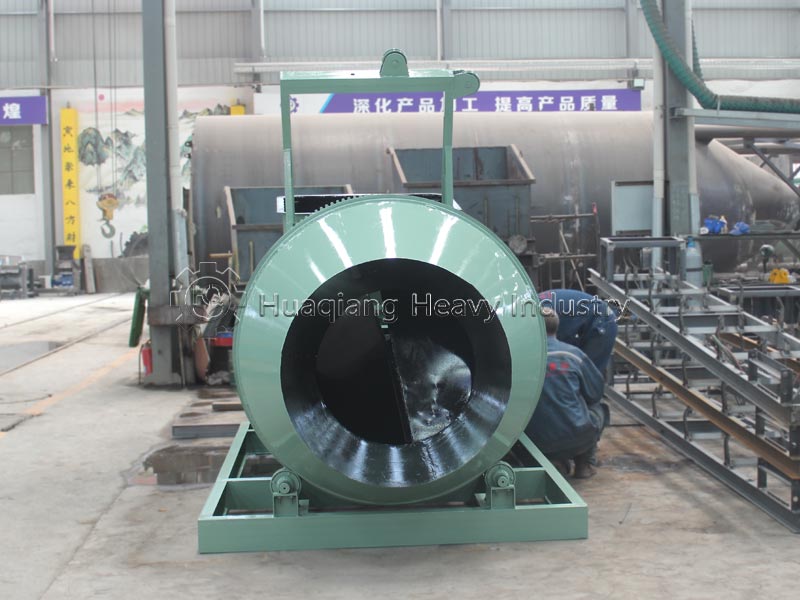
Granulation technology optimizes urea characteristics. After screening raw materials with uniform particle size using a fertilizer screener machine, powdered urea is converted into granular urea with uniform particle size and moderate strength through processes such as rotary drum granulation and spray granulation. This solves the problem of caking during transportation and storage, and also extends the nutrient release cycle. Granular urea releases nitrogen slowly after being applied to the soil, reducing high-temperature volatilization losses, avoiding waste, and providing continuous fertilization.

Granulation technology improves application efficiency. Granular urea is compatible with mechanized fertilization equipment, enabling precise broadcasting and band application, significantly improving efficiency, adapting to large-scale planting bases, and reducing labor input; uniform granules prevent localized nutrient excess that can burn seedlings, ensuring crop growth. Some granulation processes add slow-release agents and efficiency enhancers, extending fertilizer efficiency and reducing the number of fertilizations, indirectly lowering planting costs.

Granulation technology contributes to green agriculture. Granular urea reduces nitrogen loss and pollution to soil and water bodies, aligning with the needs of green transformation; its stable characteristics facilitate mixing with phosphorus and potassium using a fertilizer mixer to produce compound granular fertilizers, achieving balanced fertilization and improving crop yield and quality. High-quality granular urea allows crops to fully absorb nutrients and grow robustly, directly boosting yield per unit area and contributing to increased agricultural productivity.

A comprehensive analysis of the production process of powdered fertilizers

Powdered fertilizers are widely used in agriculture due to their ease of application and uniform nutrient distribution. Their production process revolves around “raw material purification → precise proportioning → fine shaping.”

Raw material pretreatment is fundamental. Raw materials are selected based on the type of fertilizer. Organic fertilizer raw materials require the use of composted livestock manure, straw, etc., which are dried or air-dried to adjust the moisture content to 10%-15% to prevent subsequent clumping; inorganic fertilizer raw materials such as urea and monoammonium phosphate require impurity removal to eliminate stones, impurities, and other foreign matter, while simultaneously reducing the water content through drying equipment.

Mixing and proportioning is the core process. According to the preset nutrient ratio, various pre-treated raw materials are fed into a fertilizer mixer. For example, the production of NPK compound fertilizer requires precise proportioning of urea, diammonium phosphate, potassium chloride, and other raw materials. During the mixing process, uniform mixing must be ensured to avoid excessively high or low local nutrient concentrations. Horizontal ribbon mixers or vertical disc mixers are typically used.

Crushing and screening are crucial for shaping. The mixed material needs to be crushed by a fertilizer crusher to ensure that the particle size meets the standard (generally requiring a pass rate of over 80 mesh). The crushed material then enters a screening machine, where different mesh sizes are used to separate unqualified particles. Coarse particles are returned for secondary crushing, while fine particles proceed to the next stage.

Inspection and packaging are the final guarantee. The screened powdered fertilizer is sampled and tested. Key indicators include nutrient content, moisture content, and particle size. After passing the inspection, the fertilizer is sent to the packaging stage, where it is quantitatively packaged by an automatic packing machine, sealed, and labeled with product information.

Why are compound fertilizer production equipment so crucial for the production of fertilizer granules?

The quality of fertilizer granules (forming rate, uniformity, strength, etc.) directly determines the fertilizer’s effectiveness and market competitiveness, and all of this highly depends on the performance and suitability of the compound fertilizer production equipment. From raw material mixing to finished product screening, the operating status of each piece of equipment directly affects the entire granule production process.

Production equipment is the core guarantee of granule quality. The mixing uniformity of the fertilizer mixer determines the consistent distribution of nitrogen, phosphorus, potassium, and additives in the material, preventing nutrient segregation in the granules; the parameter accuracy of the NPK fertilizer granulator (such as rotation speed and pressure) directly affects the granule forming rate and strength; and the fertilizer screener machine accurately screens qualified granules, removing impurities and unqualified products, ensuring that the finished product meets the required particle size.

Equipment performance determines production efficiency and stability. Efficient complete sets of production equipment can achieve continuous operation of raw material processing, mixing, granulation, and screening, significantly increasing the granule output per unit of time; at the same time, the stability of the equipment directly affects production continuity, reducing downtime losses caused by equipment failures.

Rational equipment configuration is key to cost control. Suitable production equipment can accurately control raw material usage and energy consumption, reducing material waste; high-quality equipment has lower maintenance costs and a longer service life, reducing long-term investment. In addition, equipment that meets standards can ensure that granule quality meets requirements, avoiding additional costs caused by rework due to unqualified products, and indirectly improving production efficiency.

Composting pitfall guide: Common composting mistakes and how to avoid them

Composting is the core process in the production of bio-organic fertilizers. High-quality compost relies on scientific operation and the rational use of bio-organic fertilizer composting equipment. In practice, many misconceptions can lead to composting failure and reduced fertilizer efficiency.  Understanding common mistakes and how to avoid them is crucial.

The primary mistake is an imbalance in raw material ratios. Blindly piling up a single raw material leads to an imbalance in the carbon-to-nitrogen ratio, resulting in either slow decomposition or the production of foul odors. Solution: Mix raw materials at a ratio of 25:1-30:1, such as livestock manure mixed with straw, and use a fertilizer mixer to ensure thorough mixing, guaranteeing balanced nutrients and supporting microbial activity.

Improper moisture control can easily cause problems. Excessive moisture leads to oxygen deficiency and foul odors in the compost pile, while insufficient moisture results in insufficient microbial activity. Correct practice: Control the moisture content at 50%-60%, ideally when the material can be squeezed into a ball without dripping water between the fingers. Add water when dry and add dry straw to adjust moisture when too wet.

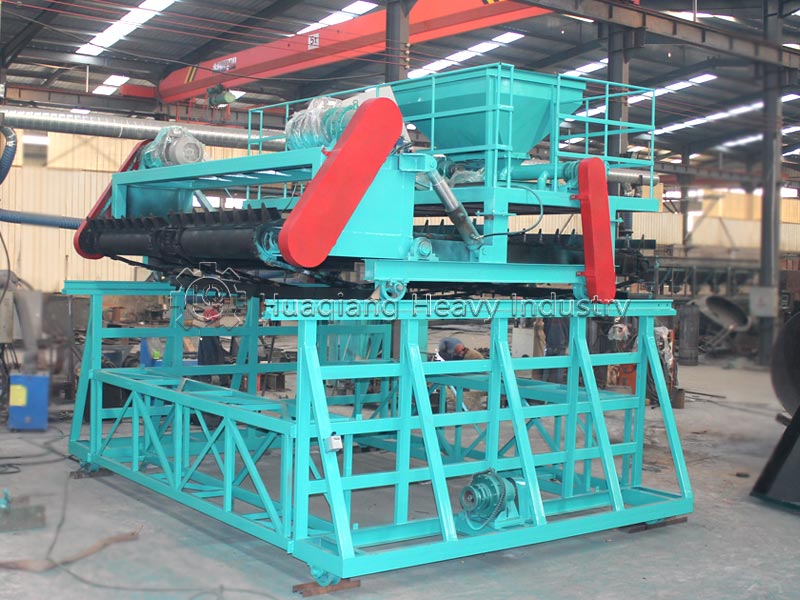
Infrequent or improper turning of the compost pile is a key problem. Lack of turning easily leads to anaerobic fermentation, while shallow turning results in uneven oxygen supply to the materials. Recommendation: After the pile temperature reaches above 60℃ and is maintained for 3-5 days, use a compost turning machine for deep turning to ensure that the materials are fully exposed to oxygen.

What is BB fertilizer? Definition, characteristics, and application advantages of BB Fertilizer

BB fertilizer, short for “Blended Bulk Fertilizer,” is a formulated fertilizer created by precisely measuring and uniformly mixing two or more single-element fertilizers (such as urea, potassium chloride, monoammonium phosphate, etc.), compound fertilizers, or micronutrient fertilizers, based on soil fertility, crop needs, and fertilization plans. Unlike traditional compound fertilizers, BB fertilizer production involves no chemical synthesis reactions. Its core advantage lies in “customization on demand and precise nutrient matching.”

The core characteristics of BB fertilizer are formula flexibility and targeted nutrient delivery. Soil fertility varies greatly in different regions, and different crops have different nutrient requirements at different growth stages. BB fertilizer can adjust the ratio of nitrogen, phosphorus, potassium, and micronutrients according to specific needs. For example, the proportion of potassium chloride can be increased for orchards deficient in potassium. Furthermore, its nutrient distribution is intuitive, with each raw material particle retaining its original characteristics, thus avoiding problems of excessive or deficient single nutrients after application.

The simple and precise production process is key to the widespread adoption of BB fertilizer. Production relies on fertilizer mixers and precise metering equipment, without the need for complex chemical reaction devices: first, various raw materials are screened to remove impurities and ensure uniform particle size; then, they are precisely weighed according to the formula using a metering system; finally, they are sent to a BB fertilizer mixer for thorough mixing. Once the mixing uniformity meets the standards, it can be packaged and shipped. Compared to compound fertilizer production, BB fertilizer production lines(NPK blending fertilizer production lines) have lower investment costs, simplified processes, and can achieve flexible production of small batches and multiple formulas.

In terms of application, BB fertilizer has wide applicability and is easy to use. It can be applied in various ways, such as broadcasting, banding, or spot application, according to crop needs, and can also be used in combination with organic fertilizers to improve fertilizer efficiency; it also reduces fertilizer waste and lowers planting costs, making it particularly suitable for the personalized fertilization needs of large-scale planting bases.