Key equipment maintenance for NPK blending fertilizer production lines

The NPK blending fertilizer production line is the core of compound fertilizer production. The condition of its equipment directly affects product quality and production efficiency. Proper, science-based maintenance not only cuts unplanned downtime but also significantly extends equipment life and lowers production costs.

1.Raw Material Pretreatment System

Fertilizer crushers and screening equipment are the front-end critical units. Poor maintenance here causes problems later. Check hammer heads and screen mesh wear weekly. Replace them when wear reaches one-third of the original thickness. Clean out leftover material inside the equipment thoroughly after each day’s production to prevent caking and corrosion.

2.Mixing System

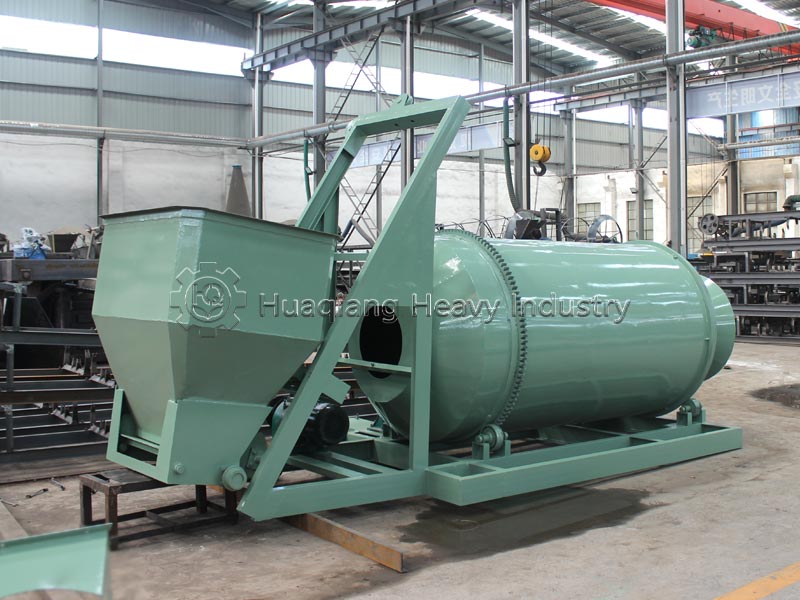
The double axis paddle mixer is the heart of blending. Pay special attention to paddle wear and shaft end seal condition. Measure the gap between paddles and the mixing chamber monthly. Adjust or replace paddles if the gap exceeds 5mm. Replace seals every six months to prevent lubricant leaks contaminating the product.

3.Packaging and Conveying Equipment

Automatic packing scales and belt conveyors directly impact packing accuracy and NPK blending fertilizer production line continuity. Calibrate packing scale sensors monthly using standard weights to keep weighing errors within ±0.2%. Check conveyor idler rollers quarterly for smooth rotation. Seized rollers significantly increase motor load.

Implementing these maintenance steps can greatly reduce equipment failure rates and boost the overall efficiency of the NPK blending fertilizer production line. This provides a solid foundation for stable product quality and controlled production costs.

NPK fertilizer mixing technology: From homogeneous slurry to precision blending

In modern NPK fertilizer production, the mixing process is not merely simple stirring, but a core technology permeating the entire production process. It directly determines the uniformity of nutrient distribution, affecting the stability and fertilizer efficacy of the final product. From liquid to solid, from chemical to physical, the mixing process, in its diverse forms, supports the production quality of compound fertilizers.

In the initial stages of production, the chemical reaction itself is accompanied by deep mixing of raw materials. When the basic nitrogen, phosphorus, and potassium raw materials undergo chemical reactions under specific conditions, continuous mechanical stirring ensures sufficient contact between the reactants. The homogeneous slurry formed in this process lays the necessary physical foundation for subsequent granulation.

After chemical mixing, the materials enter the refined physical mixing stage. When the slurry or powder needs to be combined with other auxiliary materials, specialized fertilizer mixer machines, through scientifically designed motion trajectories, can achieve a highly uniform distribution of each component in a short time.

In another important branch of NPK fertilizer production—the production of physically blended fertilizers (BB fertilizers)—NPK fertilizer production technology exhibits different technical requirements. Faced with basic fertilizer granules of varying densities and sizes, the mixing process must achieve both uniform nutrient distribution and minimize granule breakage and separation. This targeted mixing technology enables the perfect coexistence of various granule types.

From mechanical stirring in the chemical reactor to the uniform distribution of the finished granules, the mixing process remains a crucial node in the NPK fertilizer production line. Its technological advancements not only improve the intrinsic quality of fertilizer products but also provide a reliable material foundation for the development of precision agriculture.

BB fertilizer mixer: Flexible productivity in the precision agriculture era

In modern fertilizer production, the BB fertilizer mixer is the core engine of the NPK blending fertilizer production line, characterized by physical blending, translating the concept of precise formulation into a uniform and high-quality finished product.

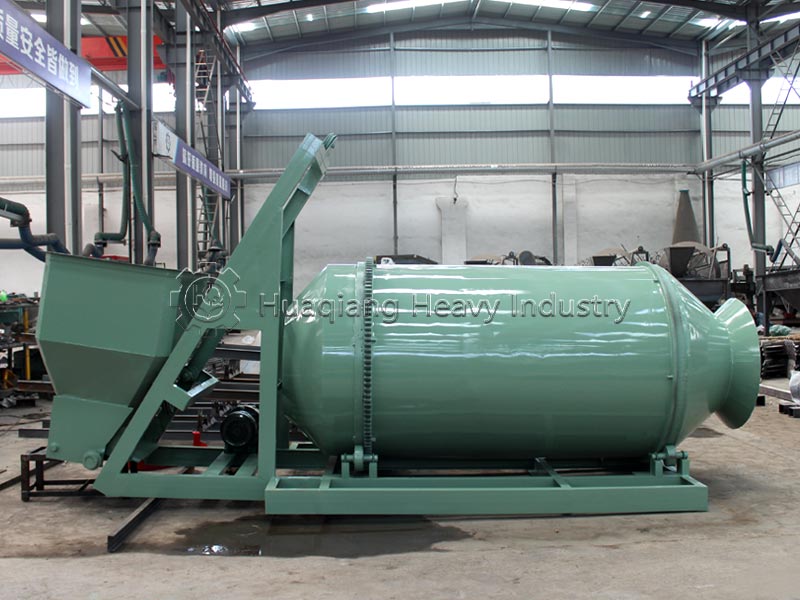
While there are many types of general-purpose fertilizer mixers, the BB fertilizer mixer is a specialized piece of equipment designed specifically for granular blending. Its unique structure allows for the uniform mixing of nitrogen, phosphorus, and potassium base fertilizers of different particle sizes and densities in a very short time, while minimizing particle breakage.

Compared to the chemical reaction route of traditional NPK fertilizer production lines, the NPK blending fertilizer production line centered on the BB fertilizer mixer exhibits unique advantages. It can quickly adjust the formula based on soil testing data, enabling flexible production of small batches and multiple varieties. This flexibility allows fertilizer processing plants to respond promptly to the personalized needs of different regions and crops, truly achieving precision fertilization.

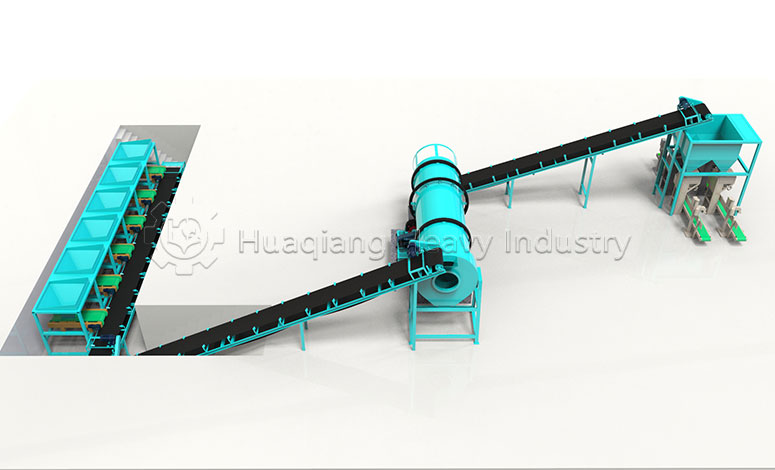
In a complete NPK blending fertilizer production line, the BB fertilizer mixer works precisely in conjunction with the automatic batching system and conveying equipment. After precise metering, raw materials enter the mixing chamber, where they are efficiently mixed within a set time before being directly packaged or shipped in bulk. This compact design significantly shortens the conversion time from formulation to product.

With the increasing demands for precision fertilization in modern agriculture, the BB fertilizer mixer is playing an increasingly crucial role in NPK blending fertilizer production lines.

Precisely formulated NPK blending fertilizer production line

In modern agricultural production, bulk blended fertilizers, which flexibly meet customized needs, are playing an increasingly important role. The core of this efficient operation is a well-designed NPK blending fertilizer production line, which achieves the efficient conversion from multiple single-element fertilizers to a uniformly blended finished product through the coordinated operation of specialized equipment.

The value of the entire NPK blending fertilizer production line is primarily reflected in its “precision.” The production line can accurately measure the proportions of nitrogen, phosphorus, potassium, and micronutrients based on specific soil testing results and crop nutrient requirements. This precise formulation capability is the foundation for producing truly personalized bulk blended fertilizers.

In the core mixing stage of the production line, the performance of the BB fertilizer mixer is crucial. This equipment does not simply tumble; instead, through a scientifically designed mixing method, it ensures that granular raw materials of different sizes and specific gravities achieve a highly uniform physical mixture in a short time.

From a macroscopic process perspective, a complete NPK blending fertilizer production line integrates multiple modules such as automatic batching, efficient mixing, and finished product conveying. As the heart of the production line, the bulk blending fertilizer machine’s efficiency and mixing quality directly determine the quality of the final product. This systematic production method greatly improves production flexibility and efficiency, making small-batch, multi-formulation customized production possible.

Collaboration and innovation: A symphony of equipment in modern bio-organic fertilizer production

In the field of modern bio-organic fertilizer production, the coordinated operation of various specialized equipment is driving continuous innovation in production processes. From raw material processing to finished product output, different functional pieces of equipment perform their respective roles, jointly composing a harmonious symphony of efficient production.

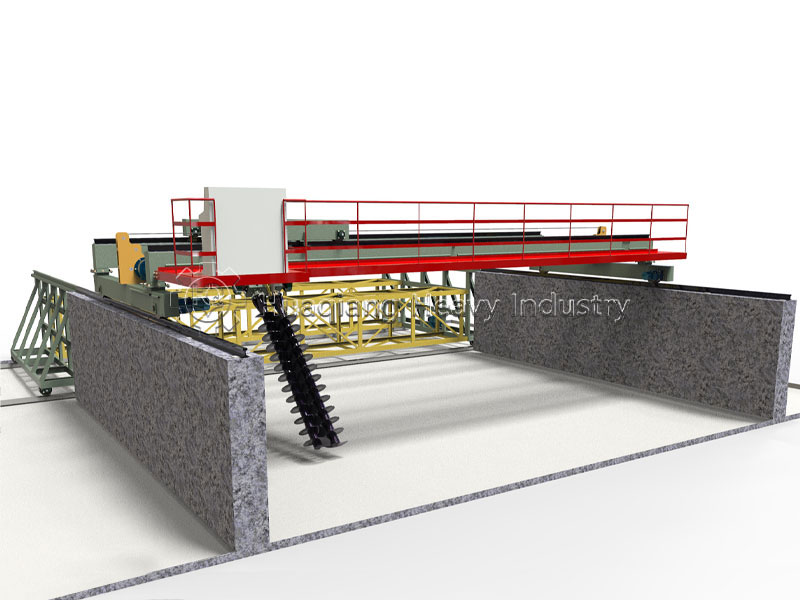
The double screws compost turning machine demonstrates unique advantages in the fermentation stage. Its double screws structure can penetrate deep into the material, achieving a more thorough turning effect. This design not only improves fermentation efficiency but also ensures uniform oxygenation of the material, laying a solid foundation for subsequent processing.

The bio-organic fertilizer equipment system, with its specialized configuration, provides an ideal environment for functional microorganisms. From temperature control to ventilation regulation, from humidity management to inoculant addition, this system ensures that every step of biotransformation takes place under optimal conditions, effectively guaranteeing the quantity and vitality of active bacteria in the final product.

In the material mixing stage, the fertilizer mixer machine plays a crucial role. Through a scientifically designed mixing method, it thoroughly and evenly mixes different raw materials. This uniform mixing not only ensures a balanced distribution of nutrients but also creates favorable conditions for the subsequent granulation process.

When the materials enter the forming stage, the new type organic fertilizer granulator demonstrates its superior processing capabilities. It can produce granules with uniform specifications and moderate hardness, tailored to the characteristics of different raw materials. This innovative granulation technology not only enhances the product’s commercial value but also significantly improves its application performance.

The perfect coordination of these devices creates a highly efficient and stable bio-organic fertilizer production line. From the raw material processing by the double screws compost turner to the uniform mixing by the fertilizer mixer machine, and finally to the finished product forming by the new type organic fertilizer granulator, each step is closely integrated to ensure the high quality and consistency of the final product.

The art of precise formulation: The synergistic approach of NPK blending fertilizer production lines

In the modern fertilizer manufacturing field, NPK blending fertilizer production lines, with their precise formulation execution capabilities and flexible production modes, provide strong guarantees for the precise supply of nutrients to crops. This system achieves precise proportions and uniform distribution of various nutrients through the perfect coordination of specialized equipment.

As the core of the entire production line, the NPK blending machine undertakes the crucial mixing task. Its unique structural design ensures that nitrogen, phosphorus, potassium, and various micronutrients reach an ideal mixing state in a short time. This efficient blending process not only guarantees the uniform distribution of nutrients but also ensures that each bag of finished fertilizer has a completely consistent nutrient content.

The fertilizer mixer machine, working closely with the NPK blending machine, plays an important auxiliary role in the mixing process. Through secondary homogenization of the materials, it further improves the homogeneity of the product and eliminates any potential mixing dead zones. The seamless cooperation between the two machines forms the foundation for the quality assurance of the NPK blending fertilizer production line.

The advantage of the entire NPK blending fertilizer production line lies in its outstanding flexibility. Compared to traditional compound fertilizer production lines, it can quickly adjust the formula composition according to different soil characteristics and crop needs, achieving customized production of small batches and multiple varieties. This characteristic allows fertilizer products to better adapt to regional and individualized agronomic requirements.

Double axis paddle mixers: Precision mixing equipment in modern fertilizer production lines

In modern fertilizer production systems, double axis paddle mixers, with their superior mixing performance, have become indispensable key equipment in NPK blending fertilizer production lines and bio-organic fertilizer equipment.

In NPK blending fertilizer production lines, double axis paddle mixers play a crucial role. Their precise paddle arrangement and adjustable speed configuration ensure perfect mixing of raw materials with different specific gravities and particle sizes, such as nitrogen, phosphorus, and potassium. The staggered arrangement of the paddles on each shaft, rotating in opposite directions, forms a complex three-dimensional motion trajectory, completely eliminating mixing dead zones and ensuring that the nutrient uniformity of each batch meets process requirements.

Simultaneously, in bio-organic fertilizer equipment systems, double axis paddle mixers also demonstrate unique advantages. The equipment can gently and effectively process organic materials containing active microbial agents, ensuring uniform mixing while maximizing the protection of microbial activity. Its unique motion mode is particularly suitable for handling organic raw materials with large specific gravities and complex physical properties.

From a performance perspective, double axis paddle mixers exhibit excellent stability in NPK blending fertilizer production lines. Precision manufacturing processes and optimized power configurations ensure that the equipment can meet the stringent requirements of continuous production. In bio-organic fertilizer equipment systems, its excellent sealing performance and corrosion-resistant design effectively guarantee long-term stable operation in humid and corrosive environments.

As an important member of the fertilizer mixer machine family, the double axis paddle mixer, with its superior mixing accuracy and wide adaptability, is driving the technological upgrade of NPK blending fertilizer production lines and bio-organic fertilizer equipment systems, injecting new momentum into the refined development of the modern fertilizer industry.

The drum fertilizer cooler is a key piece of equipment in fertilizer production lines

In modern fertilizer production systems, the application of drum fertilizer coolers is no longer limited to traditional organic fertilizer production lines. Whether processing compound fertilizer granules on NPK blending fertilizer production lines or organic materials in bio-organic fertilizer equipment systems, this equipment demonstrates excellent adaptability and stability.

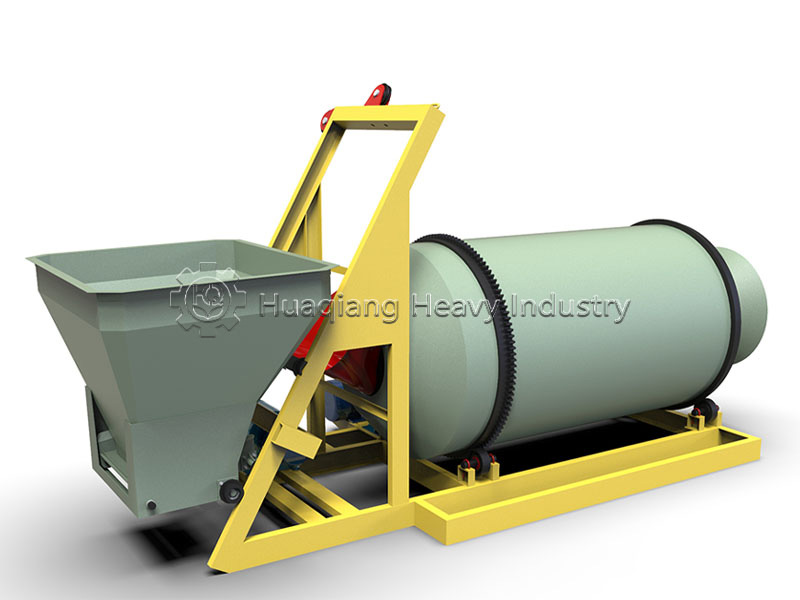
Structurally, the drum fertilizer cooler achieves full contact between the material and cooling air through a slowly rotating cylinder and an innovative internal airflow guiding device. This design is suitable not only for conventional organic fertilizer production but also meets the stringent cooling requirements of NPK blending fertilizer production lines. After the material is mixed and granulated in the NPK blending machine, it enters the drum cooling system for rapid cooling, ensuring stability during subsequent packaging and storage.

In bio-organic fertilizer equipment systems, the drum fertilizer cooler plays an even more crucial role. Because bio-organic fertilizers contain active microbial components, excessively high temperatures can affect the activity of the microbial community. The drum fertilizer cooler, through a precise temperature control system, can effectively protect the beneficial microorganisms in the fertilizer while rapidly cooling it, ensuring the application effect of the bio-fertilizer.

It is worth mentioning that modern drum fertilizer coolers also excel in energy conservation and environmental protection. Whether in NPK blending fertilizer production lines or bio-organic fertilizer equipment systems, their optimized air duct design and heat recovery devices can effectively reduce energy consumption while ensuring that the production environment meets environmental protection standards.

Key technological aspects of NPK fertilizer production lines

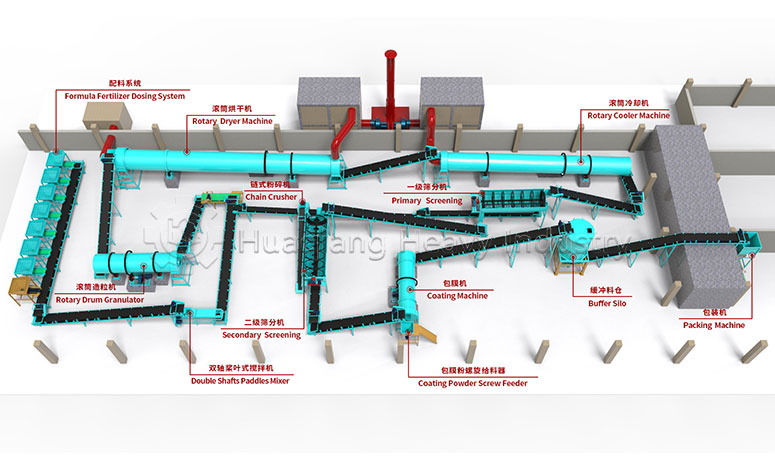
In the modern fertilizer industry, NPK fertilizer production lines have formed a mature and complete technological process. From raw material preparation to finished product packaging, each step embodies the essence of modern industrial technology.

Precise raw material proportioning is the primary step in the production line. Through the coordinated operation of an automatic metering system and a fertilizer mixer machine, major nutrients such as nitrogen, phosphorus, and potassium are accurately proportioned and mixed according to a scientific formula. This step not only requires precise metering but also ensures uniform distribution of various nutrients through thorough mixing by the fertilizer mixer machine.

The granulation process is the core of the NPK fertilizer production line. After being uniformly mixed by the fertilizer mixer machine, the raw materials enter the granulation system to be transformed into granules of uniform size.

In modern fertilizer production systems, NPK fertilizer production lines and bio-organic fertilizer equipment often form a good complementary relationship. Although they process different raw materials, they share common technical requirements in areas such as automation control and quality monitoring. This technology sharing allows production enterprises to flexibly adjust their product structure according to market demand.

The drying and cooling system plays a decisive role in product quality. The newly formed granules undergo a precisely temperature-controlled drying process to remove excess moisture, followed by a cooling process to bring the product to the appropriate temperature. The precise control of these steps directly affects the product’s storage stability and application efficacy.

With changing agricultural demands, NPK fertilizer production lines are evolving towards greater intelligence and environmental friendliness. The application of new technologies not only improves production efficiency but also enables products to better meet the precision fertilization needs of modern agriculture.

NPK fertilizer production line: Key technologies for scientific formulation and efficient production

In the modern fertilizer industry, the NPK fertilizer production line exhibits a precise and efficient process. From raw material processing to finished product packaging, each step reflects modern industry’s pursuit of precision and stability.

The production process begins with the scientific formulation of raw materials. Nitrogen, phosphorus, and potassium base materials are precisely proportioned using an NPK blending machine; this crucial step ensures the accuracy and uniformity of the product’s nutrients. Subsequently, the formulated raw materials enter a fertilizer mixer machine for thorough mixing, laying the foundation for the subsequent granulation process.

The granulation process is the core technology of the NPK fertilizer production line. Depending on product characteristics and production scale, different process routes can be selected, such as rotary drum granulation or extrusion granulation. Among these, rotary drum granulation technology, with its continuous production capability, occupies an important position in large-scale NPK fertilizer production lines.

The drying and cooling system is a crucial link in ensuring product quality. Newly generated granules need to undergo a precisely temperature-controlled drying process to remove excess moisture while maintaining the chemical stability of the nutrients. The subsequent cooling process lowers the product temperature to a suitable range, creating conditions for later screening and packaging.

With the increasing demands for precision fertilization in modern agriculture, NPK fertilizer production lines are developing towards greater environmental friendliness and energy efficiency. New NPK blending technologies and highly efficient, energy-saving fertilizer mixing equipment are constantly emerging, driving technological upgrades across the entire industry. These technological advancements will ultimately translate into higher-quality, more environmentally friendly fertilizer products, providing strong support for the sustainable development of modern agriculture.