Granulation is a pivotal process in fertilizer production, transforming fine powders into granular forms that enhance handling, storage, and uniform application. In 2026, the machinery employed for NPK and organic fertilizer granulation is primarily categorized based on the production method: Wet Granulation and Dry Granulation. The selection of appropriate equipment is determined by key factors such as production scale, raw material moisture content, and budget constraints. Additionally, a complete granulation line relies on a suite of support machinery to ensure product quality and production efficiency. Understanding these granulation machines and their functions is essential for optimizing fertilizer manufacturing processes.
Wet granulation machines, which utilize liquid binders or steam to aggregate powder into granules, are widely used in both NPK and organic fertilizer production. The Rotary Drum Granulator stands as the industry standard for large-scale NPK production, capable of handling output rates up to 30 tons per hour (t/h). In this machine, raw materials tumble within a rotating cylinder, forming dense, spherical granules through either chemical reactions between components or the addition of liquid binders. Its high capacity and stable performance make it indispensable for large commercial fertilizer plants.
For small-to-medium-sized production facilities (with output ranging from 0.5 to 6 t/h), the Disc (Pan) Granulator offers a cost-effective solution. This inclined rotating disc allows operators to directly observe the granulation process, enabling real-time adjustments to liquid spray volume and material feed rate to ensure the production of round, uniform granules. Specifically tailored for organic fertilizers, the Stirring-Tooth (New Type Organic) Granulator uses high-speed mechanical agitation to convert fermented organic wastes into high-quality, uniform granules, addressing the unique properties of organic materials. The Rotary Drum Churning Granulator combines the advantages of drum and stirring-tooth technologies, achieving a granulation rate exceeding 90% with more consistent pellet size, making it a versatile choice for medium-to-large organic fertilizer plants.
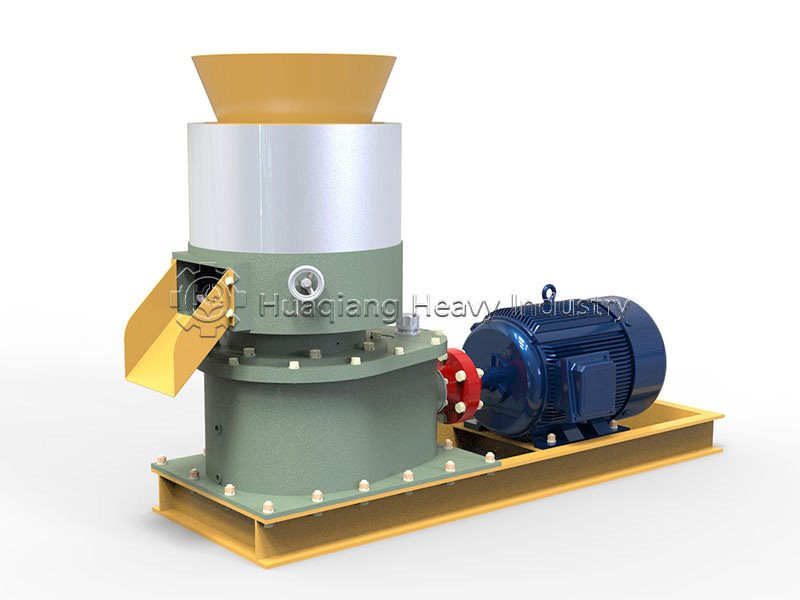
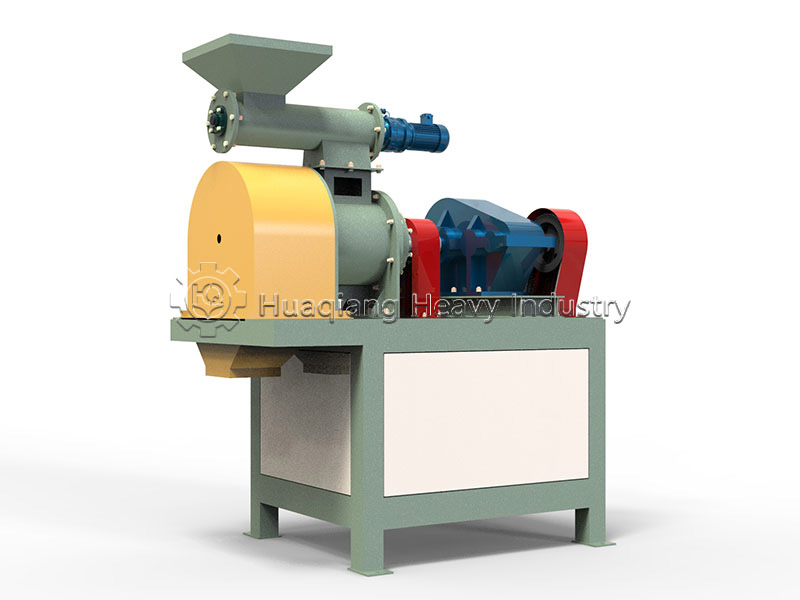
Dry granulation machines, which rely on mechanical pressure to compact dry powder (with moisture content below 10%) without the need for water or binders, are favored for their energy efficiency. The Double Roller Extrusion Granulator is the most commonly used dry granulation equipment. It squeezes dry powder between two counter-rotating rollers, directly forming high-density granules. A key advantage of this machine is that it eliminates the need for subsequent drying and cooling processes, significantly reducing energy consumption and overall investment costs, making it ideal for moisture-sensitive or heat-sensitive fertilizers. The Flat Die Granulator is a compact alternative, pressing material through a die to produce cylindrical pellets. It is often used for small-scale operations such as farm-based organic manure processing due to its small footprint and low maintenance requirements.
A complete granulation production line cannot operate without auxiliary support machinery, which plays a crucial role in ensuring the quality and efficiency of the final product. Mixers and crushers are used in the pre-processing stage to create a uniform powder blend, as consistent raw material composition is essential for high-quality granulation. For wet granulation lines, Rotary Dryers and Coolers are indispensable—they remove excess moisture from the granules to prevent clumping and ensure storage stability. Screening Machines (Vibrating Sieves) separate oversized or undersized granules, which are then recycled back into the granulation process to improve material utilization. Coating Machines apply a protective layer to the granules, enhancing their shelf life or enabling slow-release nutrient delivery, a feature increasingly demanded in sustainable agriculture. Finally, Automatic Packaging Machines handle the final weighing and bagging of the granulated product, improving packaging efficiency and accuracy.
In summary, the granulation machinery landscape in 2026 is diverse, with wet and dry granulation machines catering to different production needs and material characteristics. Wet granulation equipment excels in large-scale production and spherical granule formation, while dry granulation machines offer energy efficiency and suitability for sensitive materials. When combined with essential support machinery, these granulation systems form a complete production line that ensures the consistent quality and efficient manufacturing of both NPK and organic fertilizers. As the fertilizer industry moves toward sustainability, the continuous optimization of these machines—particularly in energy efficiency and adaptability to organic materials—will remain a key focus for manufacturers.
Integrating Granulation into Complete Fertilizer Production Systems
The choice of granulation technology is a defining step in the npk fertilizer manufacturing process or the organic fertilizer manufacturing system. For dry fertilizer granules compaction, a roller press granulator production line centered on a fertilizer compactor is a key fertilizer production machine technology. This method is efficient for the manufacturing of npk fertilizer from dry powders. In contrast, organic production often starts with an organic fertilizer fermentation process, managed by equipment like a windrow composting machine, before the cured compost is granulated.
For shaping organic materials, an organic fertilizer disc granulation production line utilizing a disc granulator for shaping is a prevalent wet method. Each of these core fertilizer processing machine units—whether a wet granulator or a dry fertilizer compaction machine—must be integrated with auxiliary equipment (mixers, dryers, screens) to form a complete, efficient production line. The synergy between the chosen granulation technology and the upstream/downstream processes ultimately determines the quality, cost, and sustainability of the final fertilizer product.
Therefore, designing a fertilizer plant requires a holistic view of the entire npk manufacturing process or organic system. It involves selecting the granulation machine that best matches the raw material characteristics and production goals, ensuring seamless material flow from initial processing to finished, market-ready granules.