Practical Guide to Doubling Capacity of Small-Scale Organic Fertilizer Production Lines: An Upgrade Solution from 1t/h to 3t/h

With the continued growth in demand for organic fertilizer, many small-scale organic fertilizer production enterprises already in operation face an urgent need to increase their production capacity. How to stably increase capacity from 1 ton/hour to 3 tons/hour without large-scale modifications has become a key issue for enterprise development. This article provides a systematic and practical solution based on several successful upgrade cases.

Bottleneck Diagnosis: Identifying Key Aspects of Capacity Limitations

Before developing an upgrade plan, a comprehensive assessment of the existing production line is essential:

Fermentation Bottlenecks:

Insufficient turning frequency leads to excessively long fermentation cycles.

Fermentation tank volume limitations prevent processing of increased raw materials.

Inefficient aeration system affects microbial activity.

Pre-treatment Issues:

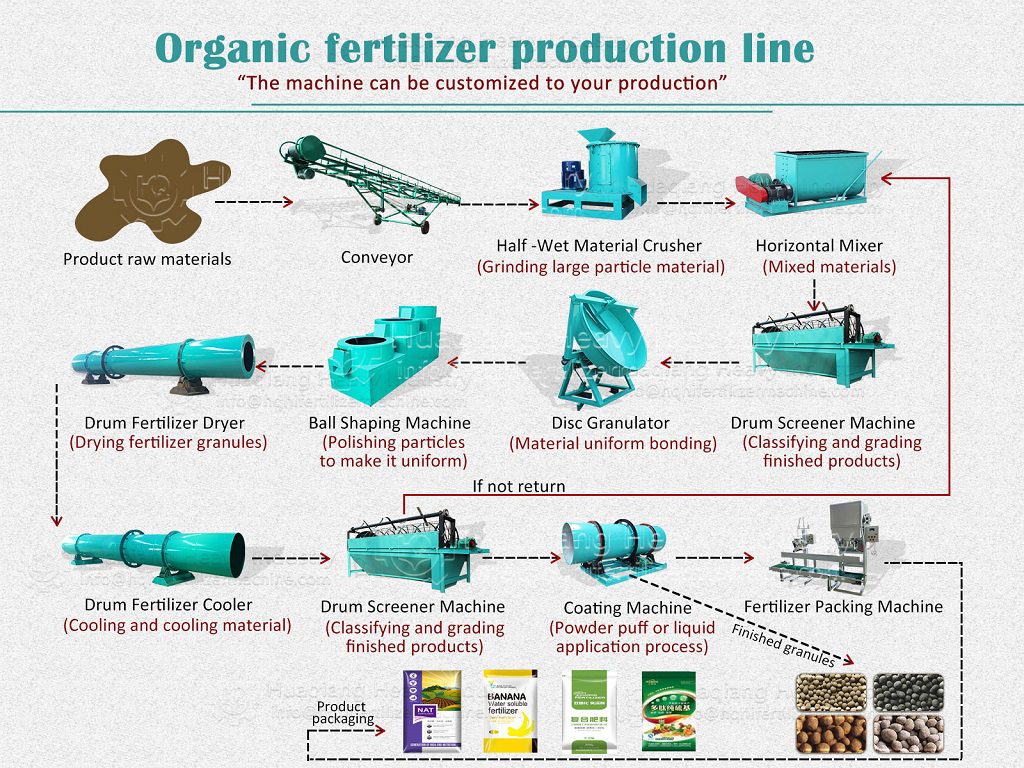
Insufficient crushing equipment capacity becomes a production bottleneck.

Inadequate mixing uniformity affects subsequent granulation efficiency.
Granulation and Post-processing Limitations:

Upper capacity limit of the granulator design.

Insufficient heat exchange efficiency of the drying and cooling system.

Mismatched processing capacity of screening equipment.

System Upgrade: A Three-Step Capacity Improvement Plan

Phase 1: Process Optimization and Equipment Fine-tuning (Upgrading to 1.5t/h)

Fermentation Process Improvements:

Optimized turning strategy: Adopting continuous turning in three shifts shortens the fermentation cycle from 20 days to 15 days.

Adding high-efficiency microbial agents: Selecting compound fermentation strains reduces heating time by 3… 0%

Install Automatic Temperature Monitoring System: Real-time monitoring of temperature changes for precise control of the fermentation process.

Pre-treatment Upgrade:

Add pre-crushing equipment before the existing crusher to form a two-stage crushing system.

Modify the mixer blades to increase mixing efficiency by 20%.

Install an online moisture meter for precise control of raw material moisture content.

Second Stage: Key Equipment Upgrade (Upgrade to 2.2t/h)

Pelletizing System Modification:

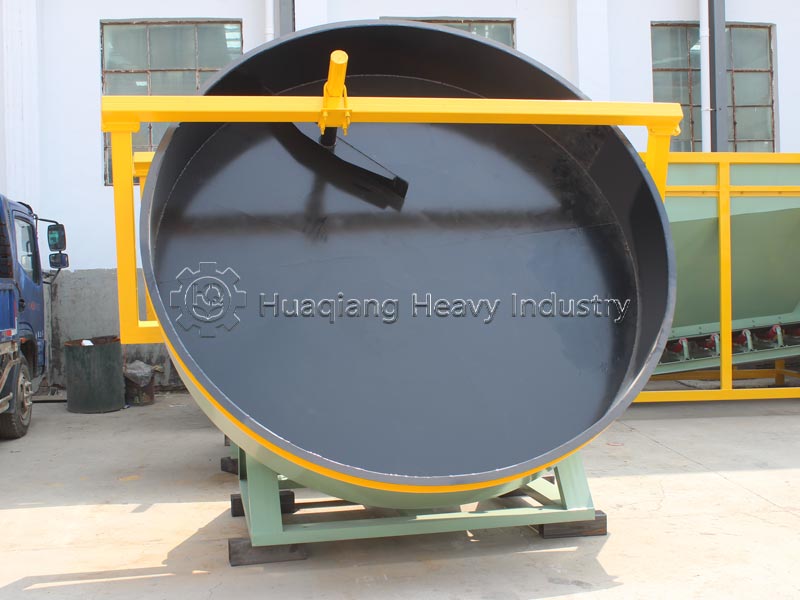
Replace the pelletizing disc with a larger diameter disc (upgrade from Φ2.2m to Φ3.0m).

Optimize the pelletizing disc tilt adjustment mechanism for rapid and precise adjustment.

Install an automatic liquid spraying system to ensure uniform addition of binder.

Drying System Upgrade:

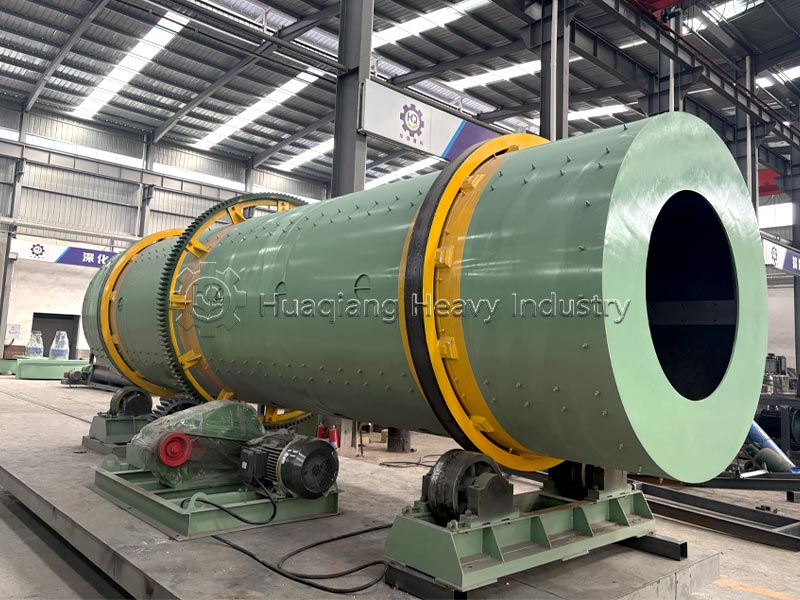
Increase the density of the lifting plates inside the dryer to improve heat exchange efficiency.

Optimize the hot air system to increase hot air circulation utilization.

Install a waste heat recovery device to reduce energy costs.

Third Stage: Automation and System Integration (Achieving 3t/h)

Automation Control System Construction:

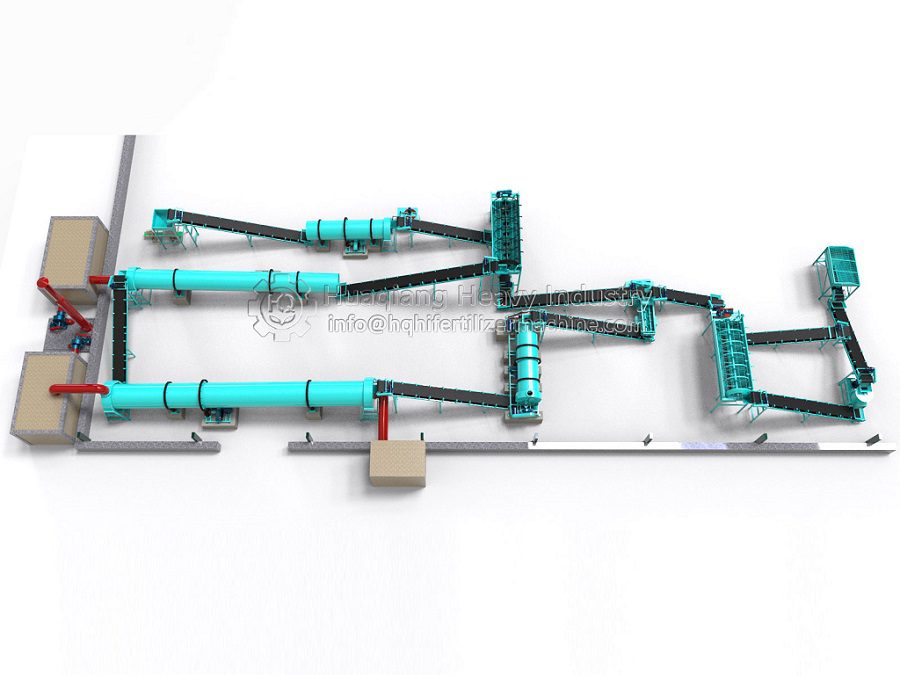
Install a PLC centralized control system. Achieve inter-equipment linkage:

Establish a production data monitoring platform to optimize process parameters in real time.

Configure an intelligent alarm system to reduce downtime due to malfunctions.
Logistics system optimization:

Upgrade the raw material conveying system by adopting frequency converter-controlled belt conveyors.

Add an automatic finished product packaging line, increasing packaging efficiency by 50%.

Optimize the workshop logistics layout to reduce material transfer time.

III. Economic Benefits:

Capacity increase: From 1 t/h to 3 t/h, annual capacity from 2400 tons to 7200 tons (based on 300 operating days per year).

Cost reduction: Unit product energy consumption reduced by 25%, labor costs reduced by 40%.

Investment payback period: Generally 6-10 months. Recoverable Investment

Implementation Key Points and Precautions

Gradual Approach:Avoid large-scale, one-time upgrades. Complete the first phase of verification before proceeding to subsequent phases.

Equipment Compatibility:Newly purchased equipment must be highly compatible with existing systems. Customized design may be necessary.

Personnel Training:Systematic training should be provided to operators after each upgrade phase.

Quality Control:A stricter quality control system must be established during capacity expansion.

Environmental Compliance:Environmental protection facilities must be reassessed after capacity expansion to ensure emissions meet standards.

Successful Case Study

A Shandong organic fertilizer company adopted this solution and completed its capacity upgrade in 6 months:

Phase 1: Through process optimization, capacity increased to 1.5 t/h within one month.

Phase 2: After upgrading key equipment, capacity reached 2.3 t/h.

Phase 3: After automation upgrades, stable capacity reached 3.1 t/h. The company’s annual profit increased by 1.5 million yuan after the upgrade, with a payback period of only 7 months.

Strategic Upgrades within the Organic Fertilizer Production System

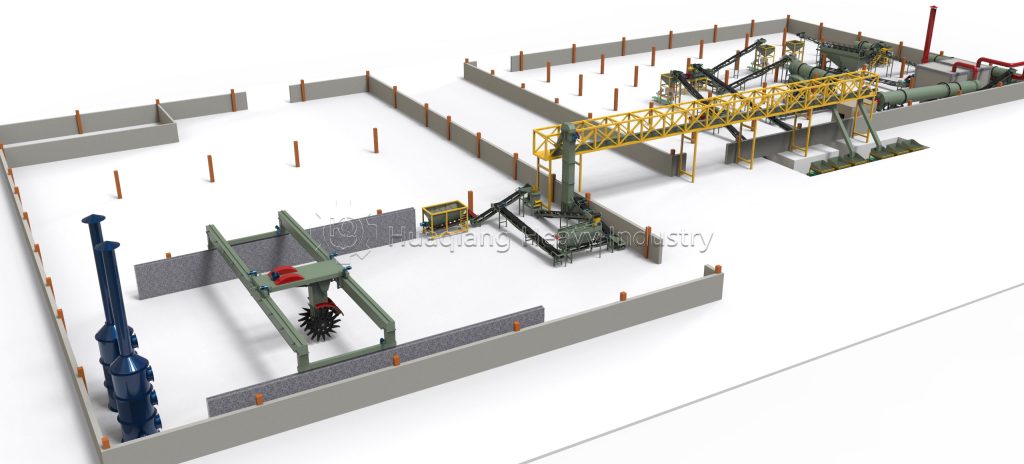
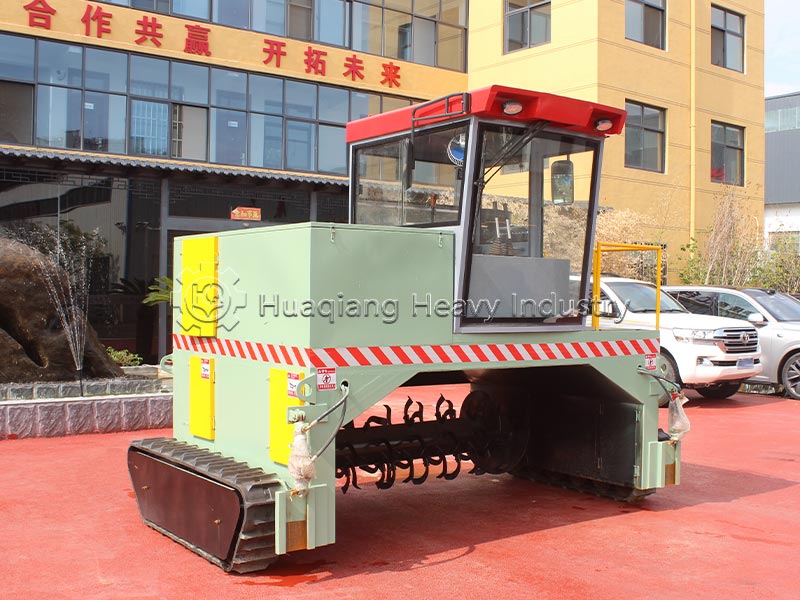
The capacity expansion strategy highlights the interconnected nature of a complete organic fertilizer manufacturing system. Increasing throughput often requires parallel upgrades across the entire organic fertilizer production line. For instance, to support a higher-capacity granulation stage, the upstream organic fertilizer fermentation process must be accelerated, which may involve upgrading to a more efficient chain compost turning machine for faster and more uniform decomposition. This ensures a sufficient supply of high-quality compost feedstock for the increased granulation demand.

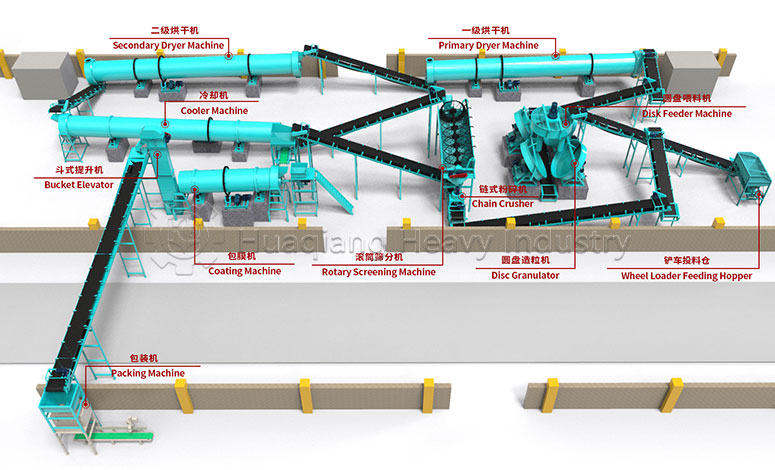
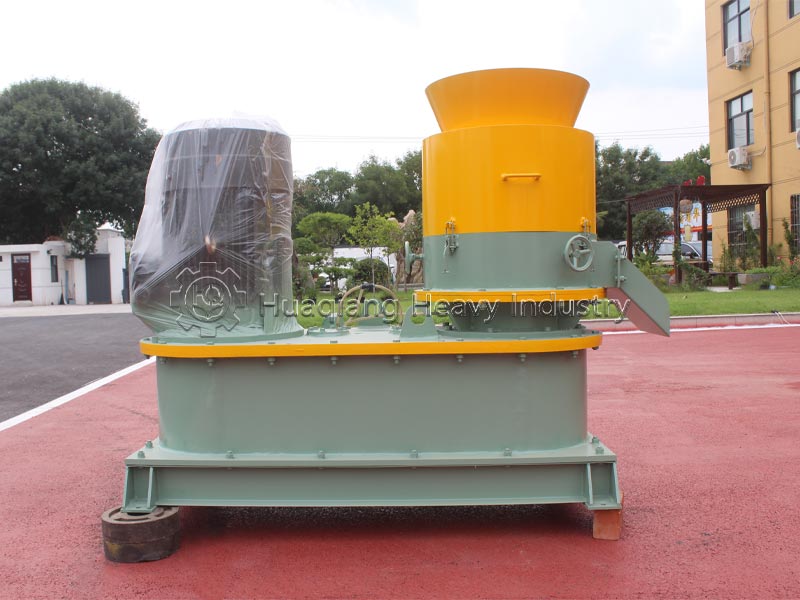
The core stage of organic fertilizer production granulation is often a primary bottleneck. The upgrade plan might involve replacing a standard organic fertilizer disc granulation machine with a larger model or transitioning to a higher-capacity organic fertilizer disc granulation production line. Alternatively, to save space and process steps, a new type two in one organic fertilizer granulator that combines mixing and granulation could be an efficient upgrade path. If the goal is to produce a microbial-enhanced product, the entire line may evolve into a specialized bio organic fertilizer production line. These strategic equipment changes are central to modernizing organic fertilizer manufacturing for greater scale and profitability.

Therefore, successful capacity expansion is not about upgrading a single machine in isolation. It requires a holistic view of the entire system—from composting and crushing to mixing, granulation, and drying—ensuring that each upgraded component is synchronized to achieve the new, higher production target efficiently and reliably.

Capacity expansion of small-scale organic fertilizer production lines is a systematic project requiring coordinated efforts in process optimization, equipment upgrades, and management improvement. Enterprises should develop detailed, phased implementation plans based on their own specific circumstances, steadily increasing production capacity while ensuring product quality. Through scientific upgrading and transformation, not only can production capacity be significantly improved, but production costs can also be substantially reduced, enhancing market competitiveness and laying a solid foundation for the enterprise’s sustainable development.
A Comprehensive Guide to Choosing a High-Performance Granulator

Smart Investment, Avoiding Procurement Traps

In fertilizer production line investment, the choice of granulator directly impacts product quality, production efficiency, and return on investment. With a wide variety of equipment on the market and significant price differences, avoiding procurement pitfalls and selecting truly high-performance equipment has become a crucial issue for investors. This article provides a systematic purchasing guide from multiple dimensions, including technology, economics, and service.

I. Defining Needs: Four Key Analyses Before Purchase

1. Product Positioning and Process Matching

Primary Considerations:

Fertilizer Type: Organic fertilizer, compound fertilizer, and bio-fertilizer each have suitable machine models

Raw Material Characteristics: Fiber content, moisture range, differences in adhesiveness

Capacity Requirements: Current demand and future expansion plans

Pellet Requirements: Pellet size specifications, strength standards, appearance

Matching Recommendations:

Roller Granulator: Suitable for large-scale NPK compound fertilizer production

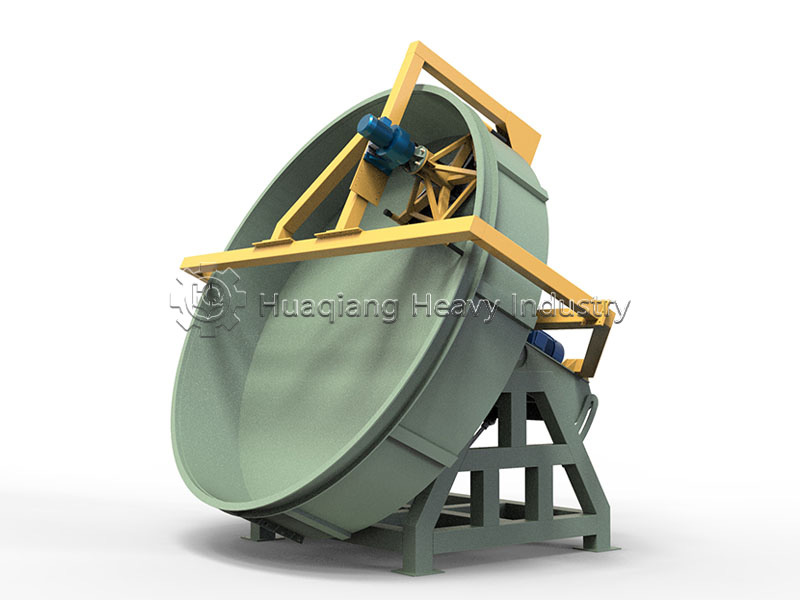
Disc Granulator: Suitable for small and medium-sized organic fertilizer production lines

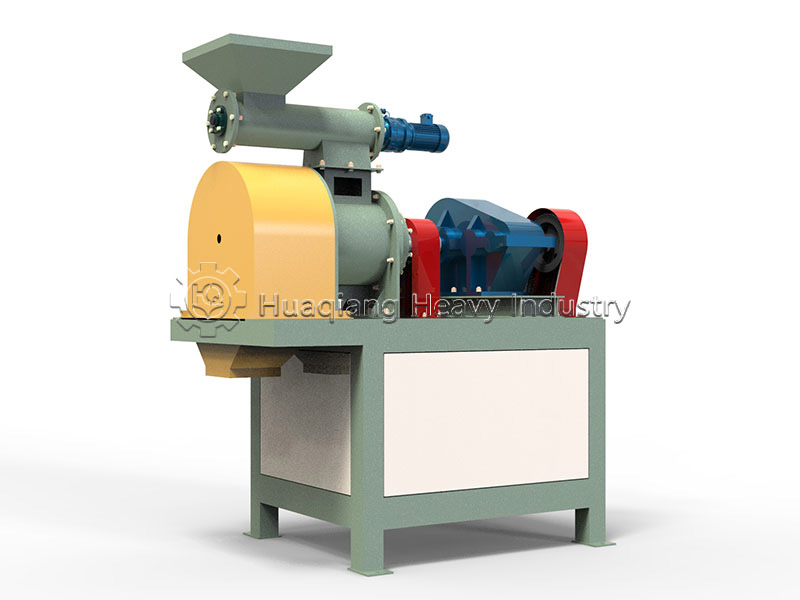
Double Roller Extruder: Suitable for heat-sensitive raw materials and specialty fertilizers

2. Production Condition Assessment

Site Limitations: Equipment size and plant matching

Energy Supply: Power capacity, steam pressure requirements

Environmental Requirements: Dust and noise emission standards

Operational Level: Automation level and personnel skill matching


II. Core Parameters: Performance Indicators That Must Be Monitored

1. Technical Performance Specifications

Pelletizing Quality Parameters:

Pelletizing Rate: High-quality equipment should achieve 85% or higher

Pellet Strength: Standard pellet compressive strength ≥15N

Pellet Size Uniformity: Qualification rate should exceed 90%

Return Rate: Ideally controlled within 15%

Production Efficiency Parameters:

Rated Capacity: Requires a 20% margin in the design

Energy Consumption: Electricity consumption per ton of product, steam consumption

Continuous Operating Time: High-quality equipment should be able to operate continuously for over 720 hours

2. Key Component Configuration Standards

Transmission System:

Gearbox Brand: International brands such as SEW and Flender, or equivalent domestic brands

Bearing Configuration: Well-known brands such as SKF and NSK

Motor Protection Rating: IP55 or higher, F-class insulation

Main Body Material:

Parts in Contact with Materials: 304/316 stainless steel

Structural Components: Q235B or higher carbon steel, thickness meets standards

Wear-Resistant Treatment: Wear-resistant layer welded to key parts

III. Cost Analysis: Life Cycle Cost Accounting

1. Identifying Procurement Cost Traps

Low-Price Trap Warnings:

Material Downgrading: Using non-standard steel or substandard stainless steel

Component Downgrading: Using inferior bearings and ordinary motors

Simplified Processes: Omitting necessary heat treatment processes

Lack of Service: Not including installation, commissioning, or technical training

2. Actual Cost Breakdown

Initial Investment:

Equipment Purchase Cost: 60-70% of total cost

Installation and Commissioning Cost: Typically 8-12% of equipment price

Ancillary Equipment Cost: Dust removal, conveying, and other auxiliary systems

Operating Costs:

Energy Costs: Electricity and steam consumption

Maintenance Costs: Replacement of wear parts, regular maintenance

Labor Costs: Operator staffing requirements

Calculation Example: One model of granulator is priced at 300,000 yuan, another model at 400,000 yuan

Lower-priced equipment: Annual maintenance cost 40,000 yuan, energy consumption 20% higher

High-quality equipment: Annual maintenance cost 15,000 yuan, energy consumption lower

Total cost over 3 years: Lower-priced equipment = 300,000 + 120,000 + energy consumption premium; High-quality equipment = 400,000 + 45,000. Calculations show that the high-quality equipment is actually more cost-effective.


IV. Supplier Evaluation: Seven Key Considerations

1. Technical Strength Verification

Check Patent Certificates: Must possess at least 3 relevant patents

Inspect Production Base: Production scale, equipment precision, quality control system

Require On-site Trial Run: Use in-house raw materials for production verification

2. Success Case Verification

On-site Visit: Visit at least 3 operating projects

Customer Interviews: Understand the actual operation of the equipment

Operating Data: Obtain continuous operation records and output data

3. Service Capability Assessment

Pre-sales Service:

Professionalism of Solution Design

Detailed Technical Disclosure

Customization Capability

After-sales Service:

Response Time: Committed to no more than 24 hours

Spare Parts Supply: Inventory status of commonly used spare parts

Technical Training: Systematic training system

V. Contract Signing: Key Clauses and Considerations

1. Clear Technical Annexes

Detailed Technical Parameter List

Confirmation of Key Component Brands

Performance Guarantee Indicator Data

2. Detailed Acceptance Standards

No-load Test Run Requirements

Load Test Run Standards

Capacity Verification Methods

3. Strict Warranty Terms

Warranty Period: At least 12 months

Warranty Scope: Clearly defined contents

Fault Response: Specific time commitment


VI. Procurement Implementation: Five-Step Process Control

Requirements Confirmation: Detailed technical specifications prepared

Market Research: Screening 3-5 qualified suppliers

Solution Comparison: Organizing technical solution review meetings

Business Negotiation: Comprehensive evaluation of price and service

Contract Execution: Strictly adhering to contract milestones

VII. Lessons from Successful Cases

Procurement Experience of a Fertilizer Company in Shandong:

Initial Selection of Low-Priced Equipment: 250,000 RMB

Operational Problems: Frequent breakdowns, annual maintenance costs exceeding 60,000 RMB

Insufficient Capacity: Actual capacity only 80% of nominal capacity

Re-procurement: Selecting high-quality equipment priced at 380,000 RMB

Results Comparison: 80% reduction in failure rate, capacity achieved target, return on investment within 2 years

Choosing the Right Granulation Technology: A Strategic Investment

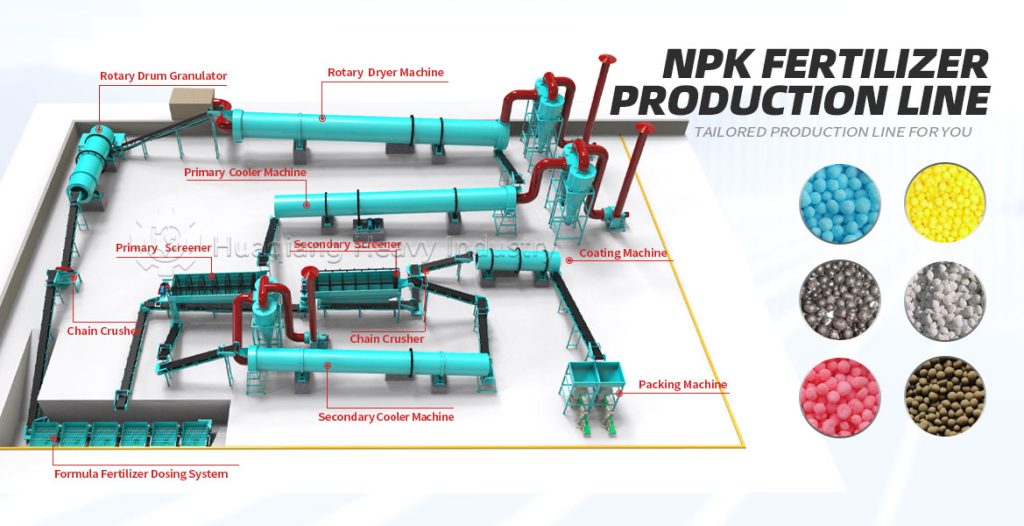
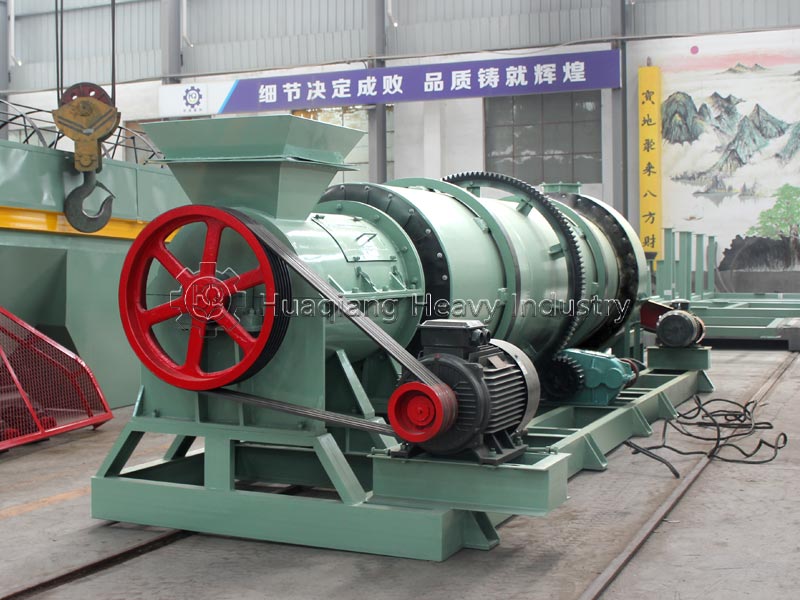
The procurement guide highlights the critical decision between fundamentally different granulation technologies within the npk fertilizer manufacturing process. One primary pathway is the roller press granulator production line, a system based on fertilizer granules compaction. This method uses a high-pressure fertilizer compactor (or fertilizer compaction machine) for dry fertilizer compaction, eliminating the need for drying. The alternative mainstream technology for large-scale npk manufacturing process operations is the rotary drum granulator, which uses wet agglomeration with binders.

This choice is a core strategic investment. The roller press line offers lower energy consumption but may produce less spherical granules. The drum granulator offers high capacity and spherical shape but requires more energy for drying. The selection must align with the specific product goals, raw material characteristics, and total cost of ownership analysis outlined in the procurement guide. For operations requiring gentle shaping of organic materials, other technologies like a disc granulator for shaping might be more appropriate. Therefore, a “one-size-fits-all” approach is a trap; the investment must be in the technology that best fits the defined production needs and long-term economic model.

Ultimately, the most cost-effective investment is not the cheapest machine, but the most appropriate technology package—comprising the right granulation principle, robust components, and reliable service—that ensures efficient, stable, and profitable production over the equipment’s entire lifecycle.

Conclusion: Value investment is better than price-based procurement. When purchasing granulators, a full life-cycle cost concept should be established to avoid falling into the trap of simply comparing prices. True cost-effectiveness is a comprehensive balance of performance, quality, service, and price. Investors are advised to:

Conduct thorough research into their own actual needs;

Establish a scientific evaluation system;

Pay attention to the overall strength of suppliers;

Focus on the long-term operational benefits of equipment.

Remember: The cheapest equipment is often the most expensive investment, while the most suitable equipment is the true cost-effective choice. Through rational analysis and scientific decision-making, companies can not only avoid procurement pitfalls but also lay a solid foundation for long-term stable production, maximizing investment returns.

The Upgrade Path of Organic Fertilizer Packaging: An Efficiency Transformation from Manual to Intelligent

In the final stage of the organic fertilizer production process, the efficiency and quality of the packaging process directly affect the product’s market performance. While traditional manual packaging methods require less investment, they are no longer adequate for modern production demands. With technological advancements and increased scale in the industry, packaging equipment is evolving from manual to semi-automatic and then to fully automatic processes. This transformation not only improves production efficiency but also achieves a qualitative leap in precision and standardization.

Limitations and Applicable Scenarios of Manual Packaging

For small production lines or startups with a daily capacity of less than 50 tons, manual packaging remains a common choice. This method requires no expensive equipment investment, is simple and flexible to operate, and can adapt to the needs of multi-specification, small-batch production. However, the limitations of manual packaging are also quite obvious: each person can only complete 2-3 tons of packaging per day, packaging accuracy is difficult to control, and the error is usually within ±5%. The high labor intensity of long-term packaging work and the poor consistency of product appearance all restrict the scaled development of enterprises.

More importantly, dust pollution during manual packaging is difficult to control effectively, affecting not only the health of operators but also potentially leading to product quality issues. With rising labor costs and intensifying market competition, the economic viability of traditional manual packaging is gradually diminishing.

The Widespread Application of Semi-Automatic Packaging Machines

When the daily production capacity reaches 50-200 tons, semi-automatic packaging machines become the most cost-effective option. This equipment employs a semi-automatic design with manual bagging assistance and automatic weighing and sealing, significantly improving packaging efficiency while maintaining flexibility. Operators are primarily responsible for bagging and monitoring equipment operation; packaging weighing is precisely controlled by electronic sensors, with an error consistently within ±1%.

The price of a single semi-automatic packaging machine is typically between 30,000 and 50,000 yuan, with a short investment payback period, generally not exceeding 6 months. The equipment structure is relatively simple, maintenance is convenient, and the technical requirements for operators are not high, making it suitable for most small and medium-sized organic fertilizer production enterprises. The semi-automatic packaging machine series launched by Huaqiang Heavy Industry is also equipped with a dust collection device, effectively improving the working environment and meeting the environmental protection requirements of modern production.

The Scalability Advantages of Fully Automated Packaging Systems

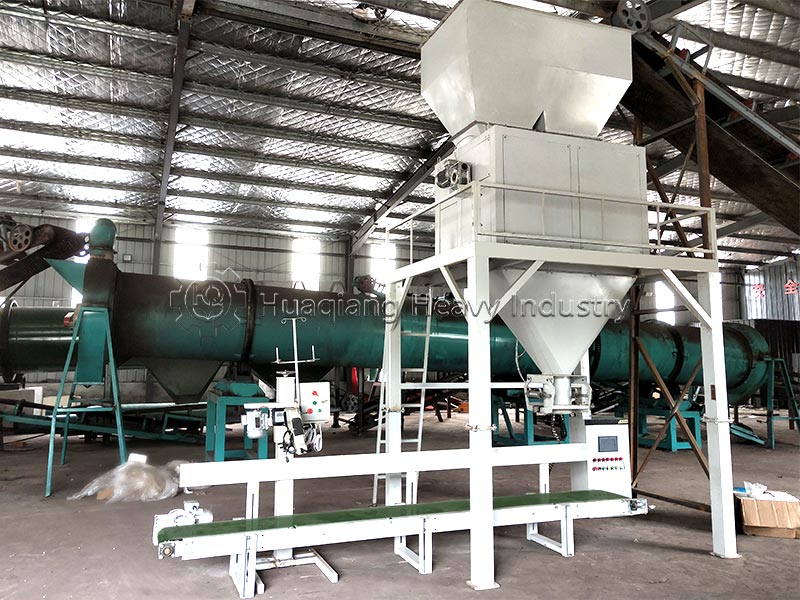
For large-scale organic fertilizer production lines with a daily capacity exceeding 200 tons, fully automated packaging systems offer unparalleled advantages. This system automates the entire process from bagging, weighing, sealing to palletizing, achieving a production efficiency of 20-50 tons per day. Utilizing a PLC intelligent control system, the packaging weight can be precisely adjusted within the range of 20-50 kg according to requirements, with an error controlled within ±0.5%.

Huaqiang Heavy Industry’s fully automated packaging system is designed with the specific characteristics of organic fertilizer production in mind. The equipment uses corrosion-resistant materials to adapt to the chemical properties of organic fertilizer; it is equipped with a multi-layer filtration and dust removal system to ensure a clean packaging environment; and its modular design facilitates maintenance and upgrades. More importantly, the system can be linked with other equipment on the production line to form a complete automated production chain.

Practical Application Results and Return on Investment

A transformation case study of a large organic fertilizer production company fully demonstrates the value of automated packaging. This company previously used manual packaging methods, requiring six operators, with a daily packaging capacity of only 30 tons and a packaging error rate of 3%. After introducing the Huaqiang Heavy Industry fully automated packaging system, only one monitoring personnel are needed in the packaging process, increasing daily packaging capacity to 80 tons and reducing the error rate to 0.3%.

The economic benefits of the upgrade are significant: annual labor cost savings exceed 200,000 yuan, and packaging efficiency increases by over 160%. More importantly, the improved packaging quality directly enhances product market competitiveness; standardized packaging specifications and precise weight control have earned customer trust, resulting in a comprehensive improvement in brand image. The equipment investment can be fully recovered within one year through cost savings.

Packaging: The Final Step in the Fertilizer Production Chain

The automated packaging process is the critical interface between manufacturing and the market, but it is entirely dependent on the quality of the granules produced upstream. These granules are created in the core npk fertilizer production process or organic lines. In an npk fertilizer production line, raw materials are first blended in a npk bulk blending machine before granulation. Granulation may involve a disc granulation production line using a disc granulator (with a disc granulator for shaping), or a roller press granulator production line using a double roller press granulator for dry compaction.

Similarly, in an organic fertilizer line fed by a windrow composting machine, the cured compost is shaped via granulation before packaging. The physical properties of these granules—their size uniformity, hardness, and dust content—directly impact the performance of the fertilizer packing machine. A consistent, hard granule flows smoothly, allowing for faster and more accurate weighing and bagging. Therefore, the efficiency of the entire npk fertilizer line is only fully realized when high-quality granulation is seamlessly coupled with reliable, automated packaging.

Investing in advanced packaging technology is thus the final step in capturing the full value created by the upstream production equipment. It transforms bulk material into a branded, ready-to-sell product, ensuring that the investment in granulation and blending machinery delivers maximum return.

Selection Strategy and Future Outlook

When selecting packaging equipment, companies should comprehensively consider their own production capacity, investment budget, and development plans. Small businesses can start with semi-automatic equipment and gradually upgrade as they expand; large enterprises should directly choose fully automated systems to achieve optimal production efficiency and product quality control.

Looking to the future, with the development of IoT and AI technologies, packaging equipment will further evolve towards intelligence. Intelligent identification systems will be able to automatically detect packaging quality, big data analysis can optimize packaging parameters, and remote monitoring systems can achieve intelligent equipment management. These technological advancements will make the organic fertilizer packaging process more efficient, precise, and environmentally friendly. In today’s increasingly competitive organic fertilizer industry, the modernization of packaging is not only crucial for production efficiency but also for a company’s market competitiveness and brand value. Choosing suitable packaging equipment and implementing scientific packaging management will be essential for organic fertilizer companies to enhance their overall competitiveness. Huaqiang Heavy Industry, as a leading equipment supplier in the industry, will continue to dedicate itself to packaging technology innovation and provide customers with more comprehensive product solutions.

Customized Solutions for Pig Manure Organic Fertilizer Production Lines: Achieving a Double Harvest of Environmental Protection and Economic Benefits

Raw Material Characteristics and Processing Challenges

Pig manure, a common organic waste in traditional agricultural production, boasts advantages such as rich nitrogen, phosphorus, and potassium content and high organic matter content, making it an ideal raw material for producing high-quality organic fertilizer. However, fresh pig manure has a high moisture content of 70%-85%, is highly sticky, and has a strong odor. These characteristics pose significant challenges to large-scale processing and resource utilization. How to transform this high-moisture, high-viscosity raw material into stable and efficient commercial organic fertilizer has become an important issue for modern livestock enterprises and organic fertilizer producers.

Pretreatment System: Solving the High Moisture, High-Viscosity Problem

Pretreatment is the first step in pig manure organic fertilizer production, directly determining the smooth progress of subsequent processes. To address the problem of excessively high moisture content in pig manure, the production line is first equipped with powerful solid-liquid separation equipment. Through mechanical extrusion, the moisture content is rapidly reduced to below 55%, creating suitable conditions for subsequent processing. The separated solid material then enters a specially designed semi-wet material crusher. This equipment employs a special toothed structure and high-strength alloy blades to effectively overcome the stickiness of pig manure, achieving efficient, non-sticky crushing and improving the material fineness to over 80 mesh.

This stage of process optimization not only solves the raw material handling problem but also lays a solid foundation for subsequent fermentation through precise moisture control. A specially designed anti-clogging system and automated control device ensure continuous and stable operation of the pretreatment stage, with a processing capacity of over 5 tons per hour, meeting the needs of large-scale production.

Fermentation Process: Achieving Harmlessness and Stabilization

Fermentation is the core step in pig manure organic fertilizer production, directly affecting the product’s safety and fertilizer efficiency. The production line uses advanced dynamic fermentation technology, and depending on site conditions, a hydraulic turner or a trough fermentation system can be selected. During fermentation, a special compound microbial agent is added to precisely adjust the carbon-to-nitrogen ratio of the material to the ideal range of 25:1-30:1, creating the most suitable environment for microbial reproduction.

The entire fermentation process is meticulously controlled, with the temperature strictly maintained within a high-temperature range of 55-65℃ for 10-15 days. This high-temperature fermentation process effectively kills pathogenic microorganisms and insect eggs, eliminates antibiotic residues, and promotes the full decomposition of organic matter. Regular operation of the turning equipment ensures uniform heating and sufficient aeration of the material, significantly shortening the fermentation cycle and improving the quality of decomposition.

Forming and Post-processing: Creating High-Quality Commercial Fertilizer

The fermented material enters the forming and processing stage. Considering the characteristics of pig manure organic fertilizer, a two-in-one granulation device is recommended. This equipment can directly form uniform granules from fermented material without drying pretreatment, achieving a pelleting rate of over 85%, and producing high-strength, non-breakable granules. For large-scale production enterprises, a drum drying and cooling system can be added to control the final moisture content of the granules below 10%, significantly extending the product’s shelf life.

Post-processing steps include grading and screening, and automatic packaging. Multi-layer vibrating screens accurately grade the finished product according to particle size; unqualified granules are returned for reprocessing, ensuring uniform product specifications. The fully automatic packaging system achieves quantitative weighing, automatic bagging, and sealing, with a packaging efficiency of 800-1000 bags per hour, significantly improving the automation level of the production line.

Economic Benefits and Environmental Value: The return on investment for pig manure organic fertilizer production lines is significant. Taking a 3-ton/hour production line designed by Huaqiang Heavy Industry for a 10,000-head pig farm as an example, this system processes 30 tons of pig manure daily, with an annual output of 18,000 tons. Based on the current market price of 800 yuan per ton, annual sales revenue could reach 14.4 million yuan. While solving the problem of manure treatment in livestock farms, it also creates considerable economic benefits.

More importantly, this solution achieves resource utilization of waste, reducing environmental pollution pressure and aligning with current policies promoting green development and a circular economy. The production line’s closed design and exhaust gas treatment system effectively control odor diffusion and dust emissions during production, achieving clean production.

Technological Innovation and Continuous Improvement: With technological advancements and changing market demands, pig manure organic fertilizer production lines are developing towards greater intelligence and efficiency. The application of new biological deodorization technology, intelligent temperature control systems, and remote monitoring platforms makes the production line more stable and reliable. Simultaneously, customized designs for different regional climate conditions and raw material characteristics ensure the adaptability and practicality of the solution in various environments.

Through scientific and reasonable process design and professional and reliable equipment configuration, the pig manure organic fertilizer production line not only solves the environmental pressure of the livestock industry, but also creates new economic growth points, achieving a perfect unity of economic and environmental benefits, and providing a practical solution for sustainable agricultural development.

Granulation Technology for High-Moisture Organic Feedstocks

Following the intensive fermentation phase, often accelerated by a large wheel compost turning machine or a chain compost turning machine, the cured pig manure compost is ready for the final shaping process within a complete organic fertilizer production line. The stage of organic fertilizer production granulation offers multiple technology paths to accommodate the material’s characteristics. A traditional and effective method is the organic fertilizer disc granulation production line, which utilizes an organic fertilizer disc granulation machine to form spherical pellets via a tumbling action.

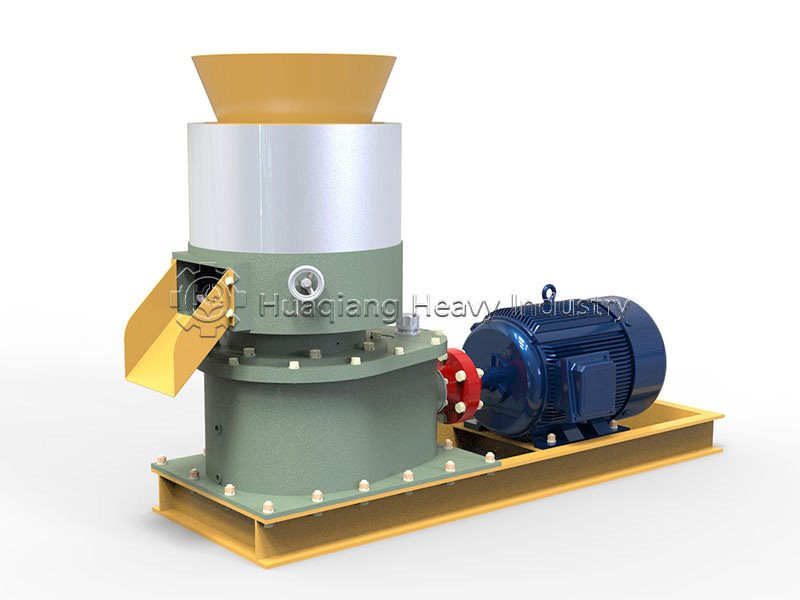
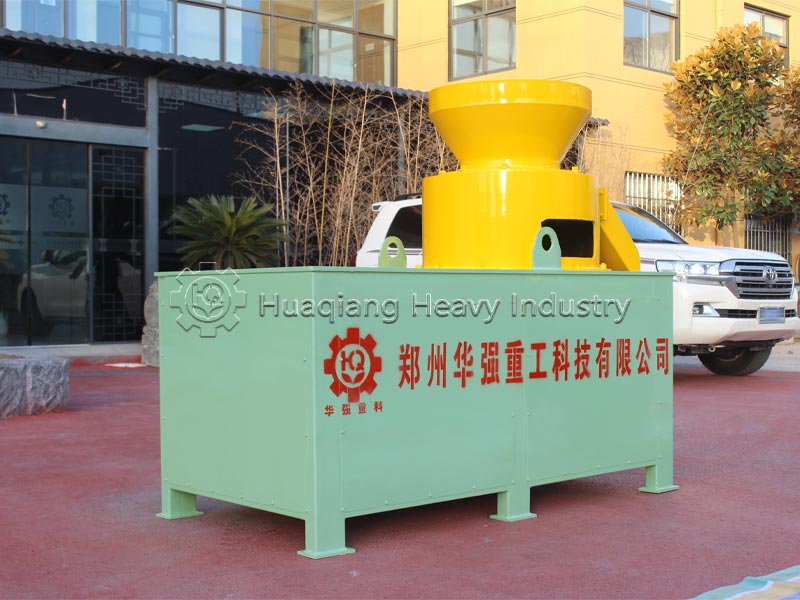
For operations seeking efficiency, a new type two in one organic fertilizer granulator that combines mixing and granulation can be advantageous. For producing dense, cylindrical pellets, a flat die press pellet machine for sale offers a robust extrusion solution. More complex systems, like an organic fertilizer combined granulation production line, may integrate different granulators. Alternatively, a double roller press granulator can be used for dry compaction if the moisture content is sufficiently reduced. The selection of the appropriate granulation technology is a critical decision in organic fertilizer manufacturing, directly impacting the final product’s physical properties, production cost, and marketability.

This integrated approach—from dewatering and composting to flexible granulation—demonstrates how challenging waste streams like pig manure can be systematically transformed into a standardized, value-added agricultural product, closing the nutrient loop on the farm.

A comprehensive analysis of the harmful effects of excessive N, P, and K fertilizers on plants

Nitrogen, phosphorus, and potassium are essential macronutrients for plants. NPK fertilizer production lines process them into granular fertilizers using equipment such as rotary drum granulators or disc granulators. However, blindly applying excessive amounts not only fails to promote growth but also disrupts plant physiological metabolism, causing growth problems, leading to reduced yield and quality. The harmful effects of excessive amounts of different elements vary.

Excessive nitrogen fertilizer easily leads to “excessive vegetative growth and poor fruit set” in plants. Excessive nitrogen fertilizer stimulates excessive vegetative growth, resulting in thin stems, dark green leaves, poor ventilation and light penetration, reduced resistance to lodging and pests/diseases, and increased susceptibility to aphids and powdery mildew. In fruits and vegetables, this results in fewer flowers, lower fruit set, deformed fruits, insufficient sweetness, delayed maturity, and compromised quality.

Excessive phosphorus fertilizer causes “nutrient antagonism” and growth stagnation. Excessive phosphorus inhibits the absorption of zinc, iron, and calcium by plants, leading to chlorosis and yellowing of leaves, slow growth of new leaves, and poor root development. Simultaneously, it exacerbates soil compaction, impairs root respiration, and weakens plant growth, with more pronounced harm to calcium- and zinc-loving crops.

Excessive potassium fertilizer causes “physiological imbalance.” Excessive potassium disrupts nutrient balance, inhibits nitrogen and magnesium absorption, and causes leaf edges to scorch and curl, resulting in “leaf burn.” It also affects water transport, reducing plant drought resistance, causing root aging, and hindering fruit enlargement, leading to small or stunted fruit.

In summary, excessive application of granular fertilizer produced by NPK fertilizer production lines will damage plants and pollute the soil in multiple ways. It is necessary to precisely control the nutrient content of granules, rationally manage the amount of fertilizer applied, and follow the principle of “light and frequent fertilization.”

Don’t neglect maintenance! The key to long-term operation of compost turning machines

As a core piece of equipment in organic fertilizer production lines, the operating status of compost turners directly determines composting efficiency and finished product quality. Many composting projects suffer from frequent equipment failures and shortened lifespans due to neglected routine maintenance, increasing operating costs and disrupting production processes.

Maintenance is crucial for ensuring production efficiency. Compost materials often contain impurities and are highly moist and viscous, making them prone to wear on turning teeth, bearing jamming, and hydraulic system leaks over time. Regular cleaning, lubrication, and component inspection ensure uniform mixing and stable power, preventing uneven fermentation and prolonged composting periods caused by equipment failures, thus maintaining efficient production line operation.

Maintenance can significantly reduce overall costs. The repair costs (parts + labor) for sudden failures are several times higher than routine maintenance costs, and downtime can easily lead to a chain reaction of losses, including raw material accumulation and finished product supply disruptions. Regularly identifying potential hazards reduces the failure rate, extends equipment lifespan, and allows for more reasonable allocation of depreciation costs.

Maintenance can mitigate safety and environmental risks. Aging components can easily lead to safety accidents such as material splashing and equipment tipping over. Hydraulic oil leaks and motor overheating can also cause secondary pollution, violating environmental compliance requirements. Proper maintenance allows for timely replacement of aging components and resolution of leaks, ensuring personnel safety.

In summary, compost turning machine maintenance is a crucial link connecting equipment stability, production efficiency, and cost control. Whether for small projects or large-scale production lines, prioritizing daily maintenance and establishing standardized procedures are essential to ensuring the continued value of organic fertilizer compost turning equipment and providing a solid foundation for compost production.

Why is urea considered the “King of Fertilizers”?

Among numerous types of fertilizers, urea is hailed as the “king of fertilizers” due to its comprehensive advantages. Supported by mature fertilizer production lines and specialized urea processing equipment, urea achieves large-scale, standardized production, making it an indispensable core fertilizer in modern agriculture.

Its high nutrient concentration and purity are its core competitive advantages. Urea contains up to 46% nitrogen, the highest nitrogen content among solid nitrogen fertilizers. Its nutrient supply capacity per unit weight far surpasses traditional nitrogen fertilizers such as ammonium bicarbonate. Its nutrients are pure, releasing only nitrogen and carbon dioxide after application, with no harmful residues. This precisely meets the nitrogen needs of crops, promoting photosynthesis and nutrient accumulation.

It boasts extremely wide applicability and strong compatibility. Urea is suitable for various crops, including field crops, fruits and vegetables, and flowers, as well as different soil environments. It can be used as a base fertilizer, top dressing, or diluted for foliar application, compatible with various methods such as broadcasting, furrow application, and drip irrigation, meeting the needs of crops at different growth stages. Its versatility far surpasses specialized fertilizers.

Its fertilizer effect is mild and long-lasting, and its application is safe. Urea needs to be converted into ammonium nitrogen by soil microorganisms before it can be absorbed by crops. This conversion process is gradual, avoiding problems such as seedling burn and excessive growth.  The long-lasting effect provides a stable supply of nitrogen, reducing the frequency of fertilization and labor costs.

Its excellent industrial attributes and outstanding cost-effectiveness are inseparable from the support of fertilizer production equipment. Urea production technology is mature, and raw materials are readily available. Combined with specialized urea processing equipment and standardized fertilizer production lines, it can achieve efficient, large-scale production, significantly reducing costs. After processing with professional equipment, urea is more stable, easier to store and transport, and less prone to caking.

NPK compound fertilizer production equipment: Driving high-quality development of the agricultural economy

The NPK fertilizer production line, centered around the NPK fertilizer granulator, is a core support for the fertilizer industry. With its key role in increasing compound fertilizer production capacity, optimizing quality, and adapting to large-scale farming, it has become a crucial force in driving the high-quality development of the agricultural economy.

The NPK fertilizer production line ensures stable agricultural production. The efficient production line achieves precise nutrient ratios and automated processes. By controlling granule quality through the core NPK fertilizer granulator, it can quickly produce specialized compound fertilizers tailored to different crops and soils, significantly improving production capacity and quality stability.

The popularization of NPK fertilizer production lines and fertilizer granulators drives the upgrading of upstream raw material processing and machinery manufacturing, and fosters downstream industries such as large-scale farming and agricultural product processing. The efficient operation of the equipment reduces production and planting costs, increasing farmers’ income and agricultural efficiency.

Intelligent and energy-efficient NPK fertilizer production lines are adapted to the needs of modern large-scale and mechanized farming, promoting the deep integration of the fertilizer industry with digital agriculture and ecological agriculture. Precise fertilization reduces resource waste, enhances the resilience of agriculture, and achieves a win-win situation for both economic and ecological benefits.

How does disc granulation technology differ from other mineral fertilizer granulation methods?

In the field of mineral fertilizer granulation, disc granulation technology holds an important position due to its wide applicability and simple process. Its core differences from mainstream methods such as double roller press granulator and spray granulation are significant.

The granulation principle and process complexity differ markedly. Disc granulation utilizes an inclined rotating disc, using friction and centrifugal force along with a small amount of water to cause the material to roll and agglomerate into shape. The process is simple and requires no complex pre-treatment. Roller extrusion granulation is a dry granulation method, where dry material is compressed into sheets by double rollers, then crushed and screened. It requires no water addition, but strict control of raw material moisture content is necessary. Spray granulation requires the material to be made into a slurry, which is then atomized at high temperature and rapidly cooled to form granules. This process is complex and energy-intensive.

The suitability of raw materials and the characteristics of the finished products also differ. Disc granulation is suitable for various mineral raw materials such as ammonium phosphate and potassium chloride, with raw material moisture content controlled at 15%-25%. The finished product has high sphericity and uniform strength. Roller extrusion granulation is suitable for hard mineral raw materials with a moisture content of 8%-12%. The finished product is mostly columnar, with high strength but poor sphericity. Spray granulation is suitable for easily soluble mineral raw materials. The finished product consists of fine particles, which dissolve quickly but are prone to moisture absorption during storage.

Production capacity and energy consumption are suitable for different production scales. Disc granulators have low energy consumption and low investment costs, making them suitable for small and medium-scale production. Roller extrusion granulation has medium production capacity and moderate energy consumption, suitable for transitional scenarios between small and large-scale production. Spray granulation has a large production capacity but high energy consumption and high equipment investment, making it only suitable for large enterprises.

Common Fault Diagnosis and Maintenance Strategies for Granulators

As a core piece of equipment in fertilizer production lines, the granulator’s operating status directly affects the efficiency and economic benefits of the entire production line. Mastering scientific fault diagnosis methods and systematic maintenance strategies can significantly extend equipment life, reduce unplanned downtime losses, and create continuous and stable production value for enterprises.

I. Common Fault Phenomena and Precise Diagnostic Procedures

1. Granulation Quality Issues

Symptoms: Uneven granules, insufficient strength, decreased pelletizing rate

Diagnostic Steps:

Check raw material ratio: Verify the accuracy of nitrogen, phosphorus, potassium, and binder proportions.

Check raw material moisture content: Take samples to determine moisture content; the normal range should be 25%-35%.

Analyze raw material fineness: Use a sieve analyzer to ensure that more than 80% of the raw material passes through an 80-mesh sieve.

Check granulation parameters: Verify key parameters such as disc tilt angle (35°-45°), rotation speed (20-30 rpm), etc.

Solutions:

If the raw material moisture content is abnormal, immediately adjust the drying or humidification system.

If the formula ratio is unbalanced, recalibrate the automatic batching system.

If the granulation parameters are improper, reset them according to the standard operating manual.

2. Equipment Mechanical Failures

Symptoms: Abnormal vibration, bearing overheating, abnormal noise in the transmission system

Rapid Diagnostic Methods:

Vibration Detection: Measure the bearing housing vibration using a vibration meter. Normal vibration should be less than 4.5 mm/s.

Temperature Monitoring: Detect the bearing temperature using an infrared thermometer. If it exceeds 80℃, immediate action is required.

Sound Localization: Use a stethoscope to pinpoint the source of abnormal noise.

Typical Case: A fertilizer plant’s granulator suddenly experienced severe vibration. Testing revealed:

Main bearing vibration reached 8.2 mm/s (exceeding the standard)

Bearing temperature reached 92℃ (severely exceeding the standard)

Disassembly and inspection revealed severe wear on the bearing rollers.

Root Cause: Lubrication system failure leading to insufficient lubrication in the bearing.
      

II. Systematic Maintenance and Upkeep System

Daily Maintenance Standards (Performed every shift)

Cleaning and Inspection:

Remove accumulated material from the inner wall of the granulation disc

Clean the screen blockage

Inspect the scraper wear

Lubrication Management :

Check oil levels at all lubrication points

Replenish with dedicated high-temperature grease

Record lubrication time and amount

Tightening Check:

Check anchor bolt tightness

Verify transmission component connection status

Confirm safety protection devices are intact

Preventive Maintenance Plan Weekly Maintenance Focus:

Thoroughly clean the equipment interior

Inspect wear parts for vulnerable components

Calibrate measuring instrument accuracy

Monthly Maintenance Items:

Comprehensive bearing inspection: clearance measurement, seal inspection

Transmission system verification: gear meshing clearance adjustment

Electrical system inspection: motor insulation test, wiring tightening

Quarterly Deep Maintenance:

Comprehensive equipment disassembly and inspection

Flaw detection of major components

Control system software upgrade

III. Intelligent Maintenance Technology Application Online Monitoring System Construction Sensor Deployment:

Vibration sensors: key bearing locations

Temperature sensors: motors, bearings, reducers Current Sensor: Main Drive Motor

Data Acquisition and Analysis:

Establish Equipment Health Database

Set Early Warning Thresholds

Achieve Trend Analysis and Prediction

Predictive Maintenance Practices Successful Case: A fertilizer company in Zhejiang Province, through the installation of an online monitoring system:

Provided early warning of main bearing failure 3 weeks in advance

Avoided 72 hours of unplanned downtime

Saved 150,000 yuan in maintenance costs

Reduced production loss by 300 tons

IV. Spare Parts Management Optimization Strategy Key Spare Parts Classification Management Category A Spare Parts (Key Spare Parts):

Main Drive Bearing

Gear Reducer

Pelletizing Disc Liner Inventory Strategy: Maintain 1-2 sets of safety stock

Category B Spare Parts (Important Spare Parts):

Scraper Assembly

Sealing Sleeves

Electrical Components Inventory Strategy: Maintain 3-6 months’ worth of usage

Category C Spare Parts (Common Spare Parts):

Standard Fasteners

Ordinary Sealing Rings

Lubricating Grease Inventory Strategy Omitted: Procurement on Demand

Supplier Management

Establish a list of qualified suppliers

Sign a rapid response agreement

Implement supplier performance evaluation  
      

V. Personnel Training and Technology Transfer

Operator Capacity Building

Basic Training:

Equipment Structure and Principles

Standard Operating Procedures

Daily Inspection Points

Skills Enhancement:

Fault Diagnosis Methods

Emergency Handling Procedures

Maintenance Techniques

Establish a Knowledge Management System

Compile a Fault Case Database

Produce Maintenance Video Tutorials

Establish a Technical Exchange Platform

VI. Economic Benefit Analysis

After implementing systematic maintenance management:

Equipment failure rate reduced by 60%

Average repair time shortened by 45%

Spare parts inventory cost reduced by 30%

Equipment service life extended by 40%

Annual comprehensive benefits increased by 25%

Holistic Maintenance for Diverse Granulation Systems

The rigorous maintenance principles outlined are universally applicable but must be adapted to the specific fertilizer production machine technology employed. Within the npk fertilizer manufacturing process (or the manufacturing of npk fertilizer), different granulation technologies are used. For the common wet fertilizer granulation processes involving a rotary drum granulator, maintenance focuses on liners, bearings, and the drive system. For dry granulation, a roller press granulator production line utilizing a fertilizer compactor requires specific attention to roller surface integrity, hydraulic pressure, and bearing temperature, as this fertilizer compaction method relies on high mechanical pressure.

Similarly, in an organic fertilizer disc granulation production line, maintenance revolves around the disc, scraper, and gearbox. The upstream fertilizer processing machine, such as a windrow composting machine providing feedstock, also has its own maintenance schedule. Therefore, a comprehensive strategy is required for the entire suite of fertilizer production machine units. Predictive maintenance and spare parts management for the core granulator—whether for fertilizer granules compaction or wet agglomeration—are critical investments that protect the substantial capital tied up in the npk manufacturing process and ensure uninterrupted, profitable operation.

Ultimately, viewing maintenance not as a reactive cost but as a proactive component of operational strategy is what transforms equipment management into a source of competitive advantage, ensuring reliability across all fertilizer production technologies.

The maintenance management of granulators is a systematic project that requires the organic combination of traditional experience and modern technology. By establishing a scientific fault diagnosis system, implementing refined maintenance, and applying intelligent monitoring technology, enterprises can not only effectively reduce downtime losses but also transform equipment management from a “cost center” to a “value creation center.” It is recommended that enterprises formulate appropriate maintenance strategies based on their own actual situation, and continuously optimize and improve them to ultimately maximize the value of equipment throughout its entire life cycle, providing a solid guarantee for the stable production and sustainable development of enterprises.