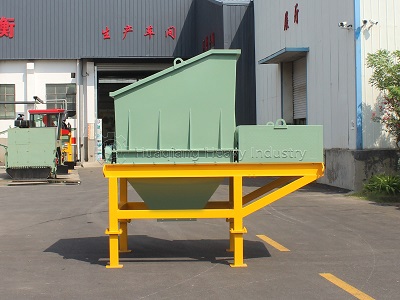
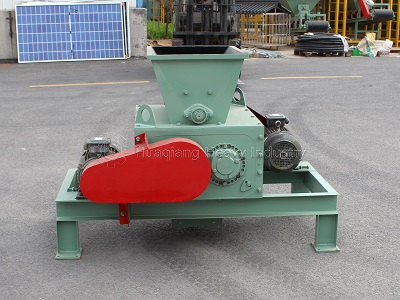
Fertilizer crushers: How to choose one?

On the stage of fertilizer production, the crusher is a crucial “pre-treatment specialist.” Whether it’s hard chemical fertilizer raw materials or damp, caked organic fertilizer, they all need its “grinding” to become uniform, fine powder, laying the foundation for subsequent high-quality granulation. But with many types of crushers available, how does one choose?

The Four “Schools” of Crushers

Crushers are mainly classified by their working principle, each with its own specialty, much like different martial arts schools:

Impact School (Hammer/Blade Type): These crushers rely on high-speed rotating hammers or blades to violently strike the material, breaking it by impact force. They excel at handling brittle materials, such as dried fertilizer granules or organic fertilizer blocks, offering high efficiency and output.

Compression School (Jaw/Roller Type): They don’t rely on brute force but use “internal skill,” applying extrusion and shearing forces through two relatively moving components (like jaw plates or rollers). They are experts for tackling “hard bones” like phosphate rock, potassium chloride, and other mineral fertilizers, steadily breaking large chunks into smaller particles.

Shear School: True to its name, it uses sharp cutting tools for slicing and shearing, specifically designed to conquer “tough” materials with high fiber content and toughness, such as straw, caked livestock manure, and peat. It’s like using sharp scissors to cut rope.

Grinding School (Ball Mills, etc.): Pursuing ultimate fineness. They rely on friction and grinding between grinding media (balls, rods) and the material to pulverize it into super-fine powder. They are often used in compound fertilizer production where strict powder fineness is required.

The All-Rounder: Chain-Type Crusher

Among the many types, the chain-type crusher is highly favored in organic and compound fertilizer production due to its unique adaptability and comprehensive performance. It cleverly combines impact and shear principles.

Its core working component consists of multiple sets of chains mounted on a high-speed rotating shaft. After material enters the crushing chamber, it is first violently struck by the high-speed chains, breaking large pieces. Then, the relative movement between adjacent chains creates a shearing force, cutting long fibers short. Collisions between material particles and with the chamber walls further refine the particle size. Finally, qualified fine powder passes through the screen at the bottom, while oversized particles remain in the chamber for further “tempering.”

Why Does the Chain-Type Crusher Stand Out?

It has become a common choice for small and medium-sized fertilizer plants, thanks mainly to the following advantages:

Strong Raw Material Adaptability: It can handle both caked organic fertilizer with 20%-30% moisture (resistant to clogging) and medium-hard chemical fertilizer granules, making it a versatile machine.

Uniform Crushing Particle Size: The dual action of impact and shear, combined with screen control, produces uniform powder that meets the requirements for subsequent granulation.

Simple Structure, Easy Maintenance: The core wearing parts are the chains, which are low-cost and easy to replace, resulting in minimal daily maintenance work.

Low-Temperature Operation, Protects Nutrients: The crushing process does not generate high temperatures, avoiding the loss of heat-sensitive nutrients like nitrogen in organic fertilizers. This is crucial for organic fertilizer production that emphasizes nutrient preservation.

Good Balance of Energy Consumption and Efficiency: Compared to pure impact crushers like hammer mills, it has relatively lower energy consumption and higher efficiency when processing fibrous materials.

From Crushing to Granulation: A Complete Organic Fertilizer Production Chain

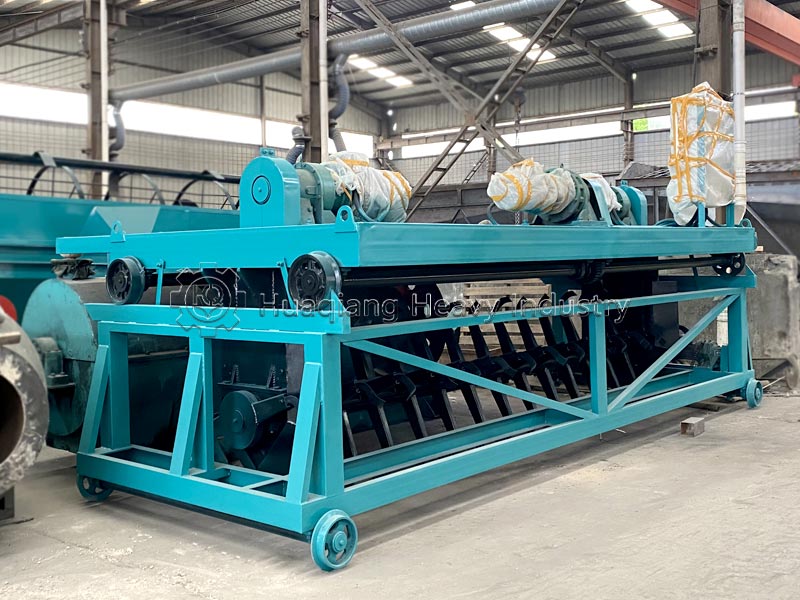
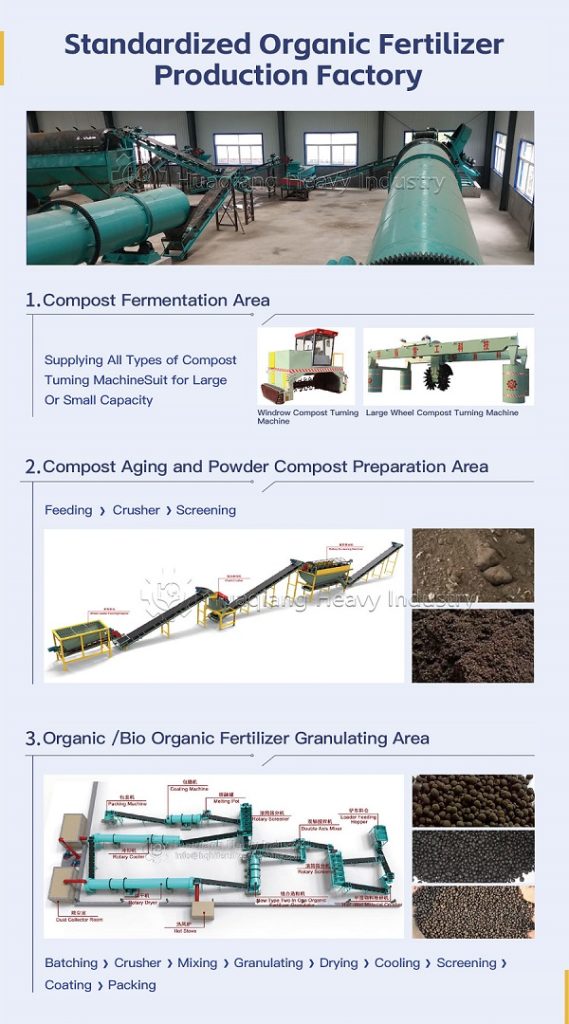
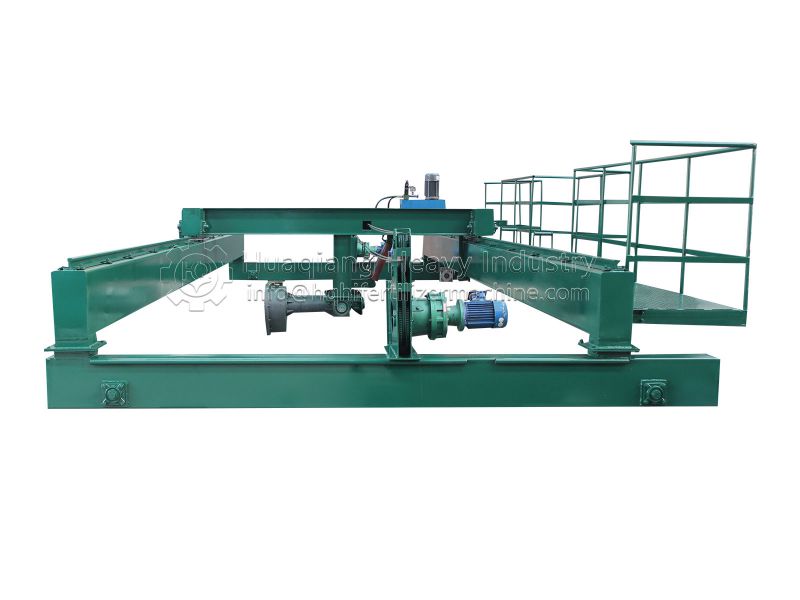
The chain crusher, as a key piece of organic fertilizer raw material crushing equipment, is the essential first step in a comprehensive organic fertilizer production line. Its role is to prepare uniform raw materials for the subsequent organic fertilizer fermentation process. Efficient decomposition during fermentation is further enhanced by modern fermentation composting turning technology, implemented with equipment such as the chain compost turning machine to ensure proper aeration and temperature control.

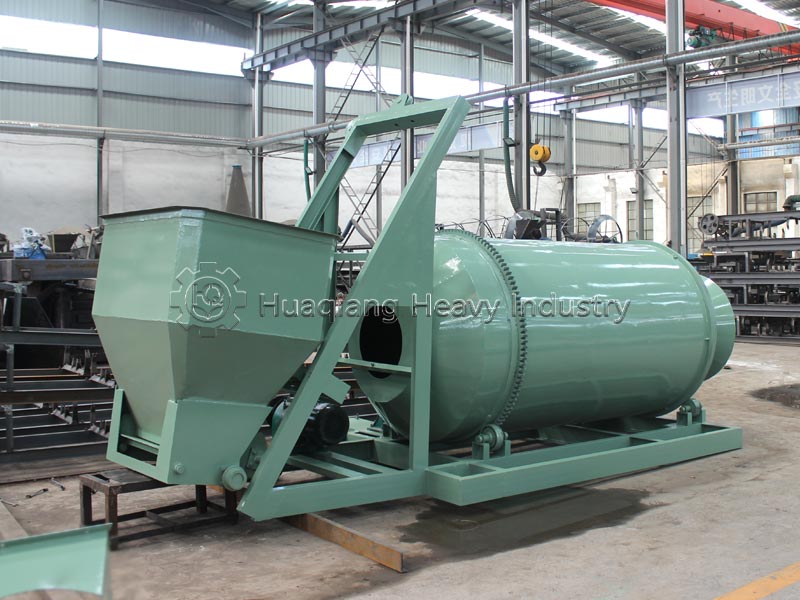
Following complete stabilization, the matured compost proceeds through the final stages of the bio organic fertilizer production line. The complete suite of organic fertilizer production equipment then comes into play, often featuring a new type two in one organic fertilizer granulator that combines mixing and shaping functions to transform the compost into uniform, market-ready pellets. This integrated system—from efficient size reduction and optimized biological decomposition to precision granulation—demonstrates the sophisticated workflow required to transform diverse organic wastes into high-value, effective soil amendments for sustainable agriculture.

Conclusion

Choosing the right fertilizer crusher is all about “applying the right remedy.” Understanding the characteristics of the raw material (hardness, moisture, fiber content) and the final product’s requirements for particle size is the foundation for making the correct decision. The chain-type crusher, with its good balance and adaptability, provides a reliable and efficient solution for processing fertilizer raw materials with complex compositions. It ensures that every batch of raw material enters the next process in optimal condition, securing the first gate for producing high-quality granular fertilizer.

High-efficiency material mixing solutions for multiple industries

In the production processes of chemical, pharmaceutical, food, and building materials industries, the uniformity and efficiency of material mixing directly affect product quality. Horizontal ribbon mixers, with their unique advantages, have become the preferred equipment for many companies.

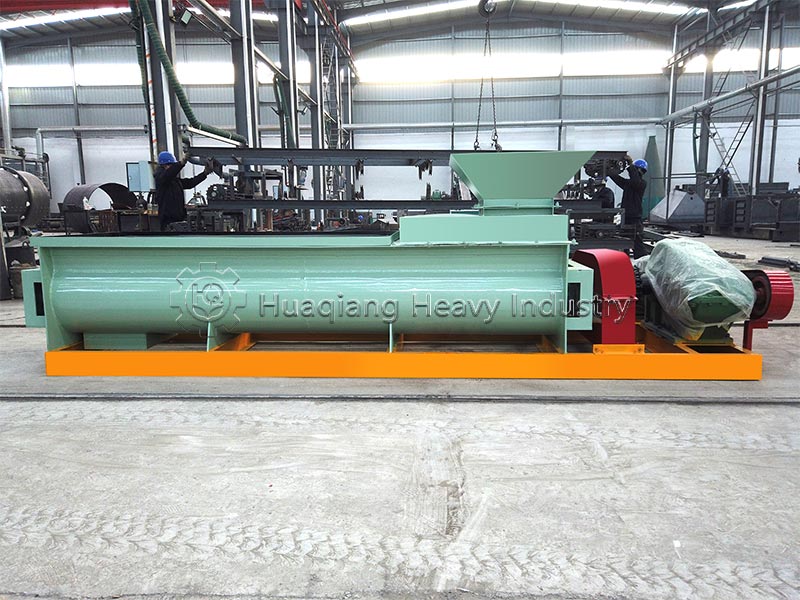
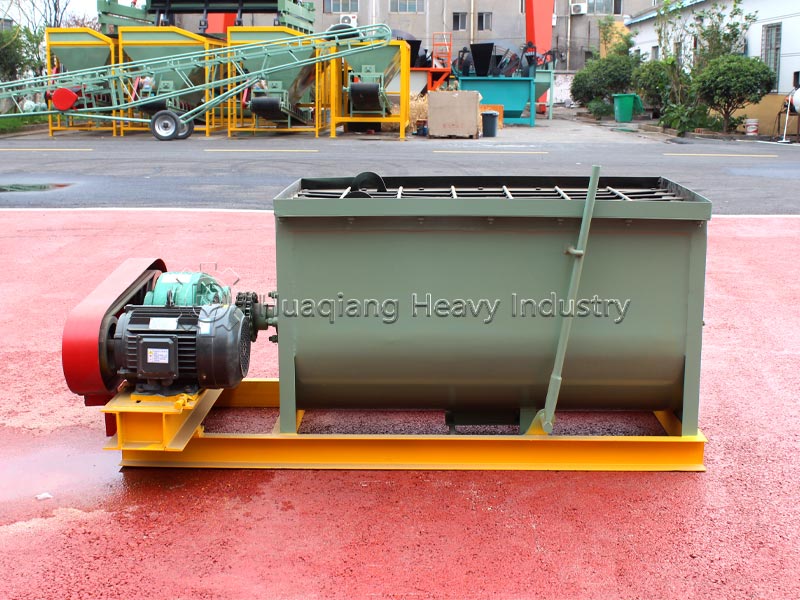
As a professional material mixing equipment, the core highlight of the horizontal ribbon mixer lies in its horizontally arranged mixing drum design. This structure not only accommodates large volumes of materials, meeting the needs of large-scale production, but also adapts to the mixing of high-viscosity materials or materials containing solid particles, solving the problem of insufficient uniformity in traditional mixing equipment when handling special materials.

From an application perspective, the horizontal ribbon mixer is extremely versatile. In the chemical industry, it can precisely mix various chemical raw materials, ensuring reaction stability; in the pharmaceutical field, the strict sealing device prevents material leakage and contamination, meeting industry hygiene standards.

Notably, horizontal ribbon mixers are also often used in conjunction with NPK fertilizer production lines and NPK blending machines, undertaking critical material pretreatment work in the fertilizer production process. By uniformly mixing nitrogen, phosphorus, and potassium components, it improves fertilizer quality. Whether for single-material mixing or production line integration, the horizontal ribbon mixer, with its efficient and stable performance, has become an important piece of equipment driving quality improvement and efficiency enhancement across multiple industries.

Ensuring smooth operation of ring die pelleting machines: Repair measures for organic fertilizer plants

The ring die pelleting machine is the core equipment in an organic fertilizer production line. Its smooth operation is key to both production efficiency and product quality. This article details the repair measures organic fertilizer plants use to keep ring die pellet mills running steadily.
1.Troubleshooting and Repairing Common Issues
Poor discharge: Check if the die compression ratio matches the material properties. Clear blocked die holes and replace severely worn ring dies when needed.
Poor pellet formation: Adjust material moisture to 30–40%. Check the roller gap (usually 0.1–0.3 mm) and ensure proper fit between rollers and the die.
Abnormal vibration: Stop the machine immediately. Inspect the main shaft bearings, replace damaged ones, and recalibrate dynamic balance.
2.Preventive Maintenance
Regular lubrication: Check the lubrication system every 8 hours. Use high-temperature lithium-based grease and ensure bearing temperatures stay below 65°C.
Wear-part monitoring: Track roller and die wear. Consider replacing them if output drops by 15% or energy use rises by 20%.
Daily cleaning: Thoroughly clear residue after each shutdown to prevent material caking during startup.

3.Optimizing Operating Parameters
Adjust key settings based on material properties:
Main shaft speed: 60–120 rpm
Working pressure: 6–12 MPa
Material particle size: ≤3 mm
By applying these repair and maintenance steps, organic fertilizer plants can significantly boost ring die pelleting machine stability, extend equipment life, and cut energy use. Regular upkeep reduces unplanned downtime and ensures consistent pellet quality.

One-step mixing and granulation? A revolution in organic fertilizer production line efficiency is here

In traditional organic fertilizer production, mixing and granulation are often two separate processes. The material handling and switching between them not only consumes time and manpower but also increases energy consumption and dust control difficulties. However, a simpler and more efficient production line is becoming the new trend, the core of which lies in a single piece of equipment integrating these two functions—the new type two in one organic fertilizer granulator.

The value of this equipment lies not in its complex principles, but in its extreme simplification of the process. It skips intermediate steps, allowing raw materials to be uniformly mixed and finely granulated within the same working unit. For the production line, this means less space required, smoother process connections, and lower overall operating costs.

Particularly noteworthy is the quality improvement brought about by this new type two in one organic fertilizer granulator. Because the mixed material is immediately fed into the granulation section, its homogeneity and moisture content are instantly set at optimal levels, directly resulting in a higher pelletizing rate and more robust, rounded granules.

It can be said that the emergence of the new type two in one organic fertilizer granulator is not a simple superposition of functions, but a reshaping of the logic of organic fertilizer production, making the organic fertilizer production line more intelligent and more intensive.

Hydraulic Double Roller Granulator: Efficient Granulation Technology

 In modern industrial production, hydraulic double roller granulators are transforming powder material processing methods through their exceptional high-pressure extrusion molding technology. This equipment provides stable pressure through advanced hydraulic systems, converting powdered raw materials into uniform, high-strength granules, offering efficient production solutions for multiple industries including fertilizer, chemical, and food processing.

Innovative Working Principle

The core technology of hydraulic double roller granulators lies in their unique high-pressure extrusion molding mechanism. The equipment provides adjustable pressure of 10-30MPa through a hydraulic system, driving dual rollers to rotate relative to each other and tightly compress powdered materials into shape. This process is entirely based on physical action, requiring no high-temperature heating or chemical reactions, being both energy-efficient and environmentally friendly while preserving the original characteristics of materials.

The precise pressure control of hydraulic systems is a significant advantage of this equipment. Compared to traditional mechanical pressure, hydraulic systems can provide more stable and uniform pressure, ensuring consistency in granule hardness and size. Pressure fluctuations can be controlled within ±0.5MPa, a precision crucial in high-quality granule production.

Wide Range of Industrial Applications

Hydraulic double roller granulators demonstrate excellent industry adaptability. In fertilizer production, they can convert powdered raw materials like organic fertilizer and compound fertilizer into granules of 2-6 millimeters, significantly reducing dust loss during storage and transportation. In the chemical industry, they can process various powdered raw materials including catalysts and dyes, improving product stability and usage convenience.

The equipment’s versatility is achieved through replaceable roller skin design. Depending on different industry needs, wear-resistant alloy steel, stainless steel, or special rubber roller skins can be selected to meet various material processing requirements. The forming grooves on roller skin surfaces can also be customized to produce granule products of different shapes and sizes.

Intelligent Control System

Modern hydraulic double roller granulators are equipped with advanced intelligent control systems. Through PLC controllers and touchscreen interfaces, operators can easily set and monitor various parameters of the granulation process. Key parameters including pressure, rotation speed, and feeding rate can be adjusted and displayed in real-time, ensuring the production process remains in optimal condition.

The intelligent control system also features parameter storage functionality, capable of saving granulation formulas for multiple materials. When needing to switch production between different materials, simply recalling corresponding parameter settings is required without re-debugging, greatly improving production efficiency and flexibility. Increased automation levels also significantly reduce operational difficulty and labor requirements.

Production Efficiency and Quality Control

Hydraulic double roller granulators demonstrate outstanding performance in improving production efficiency. A single unit can produce 0.5-5 tons of granule products per hour, with formation rates exceeding 90%. The produced granules possess excellent physical properties, with compressive strength reaching 15-30N, and granule size uniformity controlled within ±0.5 millimeter error range.

The equipment’s requirements for raw material pretreatment are relatively simple. Typically, only needing to crush powdered raw materials to 80-120 mesh and adjust moisture content to 8%-15% can initiate production. For materials with poor adhesiveness, small amounts of environmentally friendly binders can be added to improve formation rates, though most organic materials can form well relying on their inherent adhesiveness.

Maintenance and Sustainable Development

To ensure long-term stable equipment operation, scientific maintenance is crucial. Regular daily maintenance work including checking hydraulic systems, cleaning roller skin surfaces, and lubricating transmission components can significantly extend equipment service life. Wear parts like roller skins adopt modular designs and can be conveniently replaced after wear, reducing maintenance costs.

In today’s increasing emphasis on environmental protection and energy conservation, hydraulic double roller granulators demonstrate significant advantages with their low energy consumption and pollution-free characteristics. Compared to traditional granulation methods, their energy consumption is only one-third of spray granulators, with extremely low dust emissions, fully complying with environmental requirements of modern industrial production. With continuous technological advancement, this equipment will continue playing important roles in powder processing across various industries.

Diverse Granulation Methods in Modern Fertilizer Manufacturing

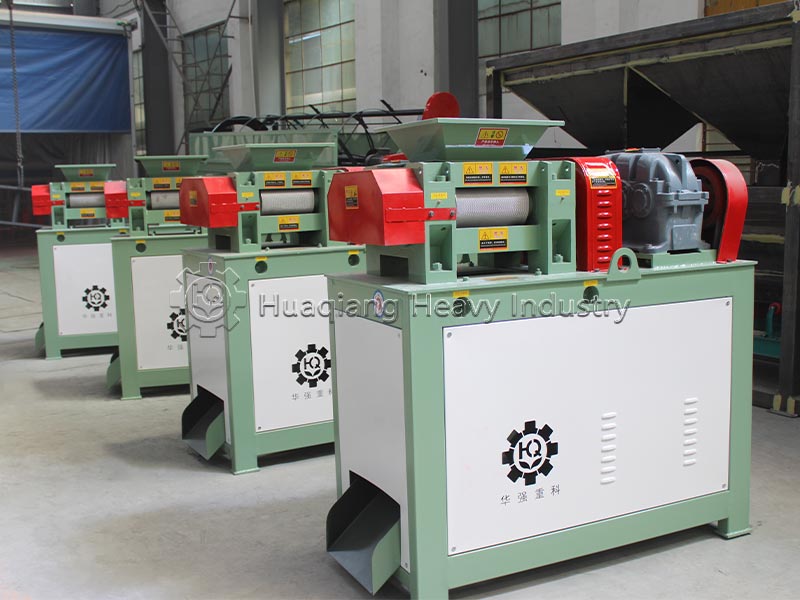
The hydraulic double roller granulator exemplifies a specific approach within the spectrum of modern fertilizer production machine technology. It operates on the principle of fertilizer granules compaction, acting as a specialized type of fertilizer compaction machine or fertilizer compactor. This dry granulation method is distinct from the wet granulation commonly used in the broader npk manufacturing process, which often employs equipment like the rotary drum granulator (also known as a drum granulator or rotary granulator).

The choice of technology depends on the product and raw materials. A complete roller press granulator production line is built around compaction equipment like the hydraulic double roller granulator, ideal for moisture-sensitive materials. In contrast, a disc granulation production line uses a different mechanism for shaping. This diversity in npk fertilizer production technology allows manufacturers to select the most efficient and suitable granulation method—whether high-pressure compaction or other forming processes—to create high-quality, durable fertilizer granules that meet specific agricultural needs for storage, handling, and nutrient delivery.

Building the core strength for efficient and environmentally friendly fertilizer production

Under the general trend of green agricultural development, the demand for organic fertilizers is growing due to their ability to improve soil quality and enhance crop quality. Efficient organic fertilizer production equipment has become crucial for achieving large-scale and standardized production.

Organic fertilizer production equipment comes in a wide variety of types, covering the entire production process. Among them, the organic fermentation compost turning machine is the core of the initial stage. It can regulate temperature and aeration by turning the fermented materials, accelerating the decomposition of raw materials such as straw and livestock manure, preventing odor generation, and laying a high-quality foundation for subsequent production. In the processing stage, the fertilizer crusher can crush the decomposed materials to a uniform particle size, solving the problem of clumping; subsequently, the fertilizer mixer machine can accurately mix various auxiliary materials to ensure balanced nutrition in the organic fertilizer.

The granulation stage relies on organic fertilizer granulators, such as disc granulators and rotary drum granulators, which can process the mixed materials into granules. This not only facilitates storage and transportation but also controls the nutrient release rate. After granulation, the fertilizer dryer and cooler work together to remove moisture from the granules and stabilize their shape. The fertilizer screener machine then screens out products of the qualified particle size, and unqualified particles can be crushed and reused, reducing waste. Finally, the fertilizer packaging machine achieves automated quantitative packaging, improving production efficiency.

When choosing organic fertilizer production equipment, it is necessary to consider your own production capacity needs and raw material characteristics. For example, small farms can choose compact single-unit equipment, while large production enterprises are suitable for complete organic fertilizer production lines. High-quality equipment can not only increase output but also reduce energy consumption and pollution, meeting environmental protection requirements.

Core supporting equipment for bio-organic fertilizer production lines

Under the trend of green agricultural development, the intelligent and efficient operation of bio-organic fertilizer production lines has become a goal pursued by the industry. As a key piece of equipment in bio-organic fertilizer production, the fertilizer crusher’s performance directly impacts the final quality and production efficiency of organic fertilizers. Whether for the reuse of agricultural waste or large-scale organic fertilizer production, it plays an irreplaceable and crucial role.

The fertilizer crusher boasts strong adaptability, capable of processing various raw materials such as straw, livestock and poultry manure, and composted materials, perfectly addressing the shortcomings of traditional crushing equipment in handling wet and mixed materials. In the bio-organic fertilizer production line, it connects the raw material pretreatment stage, crushing large raw materials into uniform particle sizes. This not only increases the contact area between the material and microorganisms, improving subsequent fermentation efficiency, but also lays a solid foundation for the subsequent granulation process, avoiding problems such as poor particle formation caused by uneven raw material particle size.

As one of the core pieces of bio-organic fertilizer equipment, it can be used in conjunction with chain crushershorizontal crushers, and other equipment, flexibly adapting to different production needs such as bio-organic fertilizer production lines and NPK fertilizer production lines. By adjusting crushing parameters according to different raw material characteristics, it can precisely control the output particle size, meeting the production requirements of various fertilizer products such as powder fertilizers and granular fertilizers.

For organic fertilizer production enterprises, a high-quality fertilizer crusher not only improves the overall production capacity of the production line but also offers the advantages of convenient maintenance and low energy consumption, helping enterprises reduce production costs.

A path to quality improvement and efficiency for small and medium-sized fertilizer enterprises

For small and medium-sized fertilizer enterprises, the performance of NPK fertilizer production lines directly determines their market competitiveness. Choosing the right compound fertilizer production equipment and optimizing production processes are crucial for reducing costs and increasing efficiency. Many companies have achieved a transformation from “extensive production” to “precise and efficient production” by upgrading their production lines.

The core of upgrading production lines for small and medium-sized fertilizer enterprises is to balance practicality and cost-effectiveness. A basic NPK fertilizer production line requires essential equipment: in the raw material processing stage, a fertilizer crusher can crush large pieces of phosphate rock, potash fertilizer, and other raw materials to a suitable particle size, and a precise batching system can prevent deviations in nutrient ratios; a fertilizer mixer machine is used in the mixing stage to ensure uniform mixing of nitrogen, phosphorus, potassium, and auxiliary materials, laying the foundation for subsequent granulation. A fertilizer granulator can be selected based on production capacity. Subsequent drying, cooling, and coating machines, and fertilizer screener machines can screen out qualified granules, and then an automatic packaging machine completes the packaging process, significantly reducing labor costs.

Process optimization is equally indispensable. A high-quality NPK fertilizer granulation process can improve the finished product qualification rate. Automated compound fertilizer production is now mainstream; a simple PLC control system can monitor parameters such as drying temperature and granulation speed in real time, reducing human error.

Small and medium-sized fertilizer enterprises do not need to blindly pursue high-end equipment; they should choose a suitable solution based on their production capacity and product positioning. Prioritize manufacturers with comprehensive after-sales service to ensure that equipment problems can be resolved promptly.

Explanation of the production process of fertilizer granules processed by flat die pelleting machine

The flat die pelleting machine is a key piece of equipment in modern organic fertilizer production, valued by fertilizer manufacturers for its efficient and stable processing capability.

1.Raw Material Pre-treatment Stage

Ingredient Mixing: Raw organic materials (like livestock manure, straw) and additives (like bentonite, microbial agents) are mixed according to the recipe. Moisture content is usually maintained at 30-40%.

Crushing: A fertilizer crusher grinds the mixture to a particle size of 3-5mm, ensuring uniformity for the next step.

2.Core Granulation Process

Feeding System: Pre-treated material is evenly fed into the flat die pelleting machine’s inlet via conveyor belt. Feed rate is typically 2-3 tons per hour (depending on the machine model).

Compression Molding: Under vertical pressure, the material is forced through holes in the flat die (usually 4-8mm in diameter). The gap between the rollers and flat die is kept at 0.1-0.3mm, with working pressure maintained between 8-15MPa.

Cutting: Rotating knives cut the extruded material into standard pellets, 5-15mm long.

3.Post-processing

Initial Drying: The newly formed pellets enter a dryer. Temperatures are kept at 60-80°C to reduce moisture content below 15%.

Cooling and Screening: After cooling, a vibration screener machine separates out qualified pellets (typically within ±1mm diameter tolerance). Unqualified pellets go back for re-granulation.

Coating: An anti-caking coating can be applied as needed to improve storage stability.

Flat die pelleting machines are especially suitable for small-to-medium organic fertilizer plants due to their simple structure, strong adaptability, and low energy consumption. Optimizing these production stages significantly improves pellet formation rate and product quality while lowering production costs.

Rotary drum granulator: The core art of large-scale fertilizer production

In modern fertilizer granulation workshops, the rotary drum granulator stands out with its unique operating method. Through continuous tumbling and enveloping, it transforms fine powder materials into uniform and firm granules.

This slowly rotating behemoth is a typical representative of large-scale production. Its internal structure is simple and efficient; the material rises and falls continuously under the rotation of the drum, forming an ideal granulation motion.

Compared to other granulation technologies, rotary drum granulation exhibits unique advantages. Compared to the dense granules directly formed by fertilizer compaction machines through molds, granules produced by rotary drums are typically more rounded and regular. Unlike the high-density granules formed by ring die pelleting machines under mold constraints, the granules produced by rotary drum granulation often have a more porous structure. And compared to the flexibility of flat die pelleting machines suitable for small to medium production volumes, rotary drum granulators demonstrate irreplaceable value in large-scale continuous production.

This granulation method is particularly suitable for the production of bulk fertilizer products. From compound fertilizers to organic-inorganic blended fertilizers, rotary drum granulators can process materials with various formulations, adapting to different production requirements. Their excellent granulation properties and high production capacity make them the preferred equipment for many fertilizer companies.

In today’s pursuit of sustainable agricultural development, rotary drum granulation technology continues to play a vital role. It not only improves the physical properties of fertilizer products but also provides reliable equipment support for precision fertilization and efficient agriculture.