Introduction: Importance of Understanding Fertilizer Behavior
In modern agriculture, the selection and application methods of fertilizer granules directly affect crop yield and soil health. Understanding fertilizer dissolution time and its impact on soil structure is a crucial step toward sustainable agriculture. This article scientifically analyzes the dissolution characteristics of different types of fertilizer granules and explores their relationship with soil compaction, providing practical guidance for growers worldwide.
I. Dissolution Time of Fertilizer Granules
The dissolution time of fertilizer granules depends on their chemical composition, physical structure, and manufacturing process. Understanding these differences helps farmers make informed choices based on crop needs and growth stages.
1. Fast-acting Fertilizer Granules
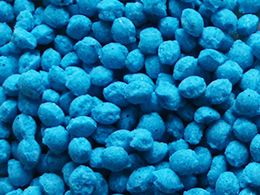
Fast-acting fertilizers typically refer to conventional chemical compound fertilizers, such as standard NPK granular fertilizers. These granules are made from water-soluble compounds with relatively loose structures that quickly break down upon contact with water. Under suitable soil moisture conditions, such fertilizers usually dissolve completely within 1-3 days, allowing nutrients to be immediately absorbed by crop roots. This rapid-release characteristic makes them particularly suitable for quickly supplementing nutrients during critical crop growth stages, but dosage must be carefully controlled to avoid root damage or nutrient loss due to excessive concentration.
2. Slow/Controlled-release Fertilizer Granules
Slow-release and controlled-release fertilizers regulate nutrient release rates through special coating technologies, representing significant advancements in fertilizer technology. Slow-release fertilizers typically use polymer or sulfur coatings, with dissolution cycles of approximately 20-60 days, where nutrients are gradually released as the coating degrades. Controlled-release fertilizers employ more precise coating technologies, allowing nutrient release cycles to be accurately designed for 3-6 months or even longer by controlling membrane thickness and composition. Such fertilizers significantly reduce fertilization frequency and improve nutrient utilization efficiency, making them particularly suitable for long-growth-period crops or areas where frequent fertilization is difficult.
3. Organic Fertilizer Granules
The “dissolution” of organic fertilizer granules is essentially a microbial decomposition process. Organic fertilizer granules made from composted animal manure or plant residues require gradual decomposition by soil microorganisms to release nutrients. This process typically takes 2-6 months, depending on soil temperature, moisture, and microbial activity. During decomposition, organic fertilizers not only provide nutrients but also improve soil biodiversity, though their nutrient release rate and concentration are relatively low, usually requiring combination with other fertilizers.

II. Relationship Between Fertilizers and Soil Compaction
Soil compaction refers to the destruction of soil structure, reduction of pores, and increased hardness. Fertilizers themselves are not the direct cause of compaction, but improper fertilization methods can exacerbate this problem.
1. Situations That May Cause Soil Compaction
Long-term exclusive use of certain chemical fertilizers is one of the main causes of soil compaction. For example, excessive application of physiologically acidic fertilizers such as ammonium chloride and ammonium sulfate can lower soil pH, destroy soil aggregate structure, and reduce soil permeability and water retention capacity. Additionally, using incompletely composted organic fertilizers can also cause problems, as these fertilizers continue to ferment in the soil, consuming oxygen and producing organic acids that inhibit beneficial microbial activity, indirectly leading to soil structure deterioration. Failure to perform proper deep plowing or irrigation after fertilization can cause fertilizer salts to accumulate in surface soil, squeezing soil pores and increasing compaction risk.
2. Situations Unlikely to Cause Soil Compaction
Scientific fertilization can completely avoid or minimize soil compaction risk. Combining well-composted organic fertilizers with chemical fertilizers is one of the most effective strategies, as organic matter promotes soil aggregate formation and improves soil buffering capacity. Due to their gradual nutrient release, slow-release and controlled-release fertilizers do not cause sharp increases in soil salt concentration, exerting far less pressure on soil structure than fast-acting chemical fertilizers. Adopting advanced techniques such as fertigation and deep fertilization ensures even fertilizer distribution, avoids surface accumulation, and further reduces compaction potential.
III. Globally Applicable Fertilization Recommendations
Based on the above analysis, we offer the following recommendations for global growers: First, conduct soil tests to understand current soil conditions and crop needs; second, select fertilizers with appropriate release characteristics according to crop growth cycles (fast-acting fertilizers for short-growth-period crops, slow-release fertilizers for perennial crops); third, establish an organic-inorganic combined fertilization system, applying high-quality organic fertilizer at least once annually to improve soil; fourth, adopt scientific fertilization methods such as deep placement and drip irrigation to improve fertilizer utilization efficiency; finally, regularly monitor soil conditions and adjust fertilization strategies accordingly.
From Industrial Process to Field Performance: The Journey of a Fertilizer Granule
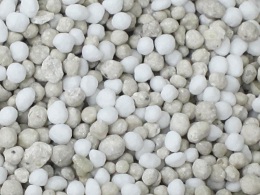
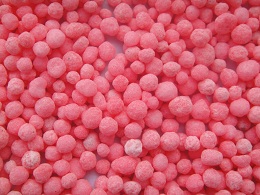
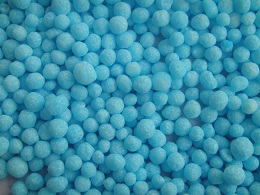
The diverse dissolution profiles and physical properties of fertilizer granules are a direct result of advanced fertilizer granulation technology employed during the manufacturing of npk fertilizer. The choice of process is fundamental: dry granulation processes utilize the principle of fertilizer granules compaction within a fertilizer compaction machine to create dense, slow-release pellets. In contrast, wet granulation methods, such as those using a rotary drum granulator, produce granules with different structural characteristics. The entire npk manufacturing process integrates this core shaping technology into a complete system of fertilizer manufacturing plant equipment, which may include a roller press granulator production line for compaction or a disc granulation production line for wet shaping.
For organic fertilizers, the production chain starts differently, often with decomposition aided by equipment like a windrow composting machine, before the material is processed by specialized fertilizer processing machine equipment. Regardless of the pathway, modern fertilizer production machine systems are engineered to produce granules with specific physical properties—such as hardness, density, and porosity—that directly influence their dissolution rate and interaction with soil. This sophisticated engineering ensures that the final product delivered to the field, whether a compacted NPK granule or an organically derived pellet, performs as intended: delivering nutrients efficiently while minimizing negative impacts on soil structure, thereby supporting sustainable crop production and soil health management.
Conclusion
The dissolution time of fertilizer granules ranges from days for fast-acting fertilizers to months for organic fertilizers, and selection should be based on crop needs and growth stages. Soil compaction is not an inevitable consequence of fertilizer use but rather the result of improper fertilization methods. By rationally combining fertilizer types and adopting scientific application methods, we can not only meet crop nutritional requirements but also improve soil health, achieving sustainable agricultural development. With advancements in fertilizer technology and the spread of agricultural knowledge, global farmers will have more tools and methods to balance production needs with environmental protection.