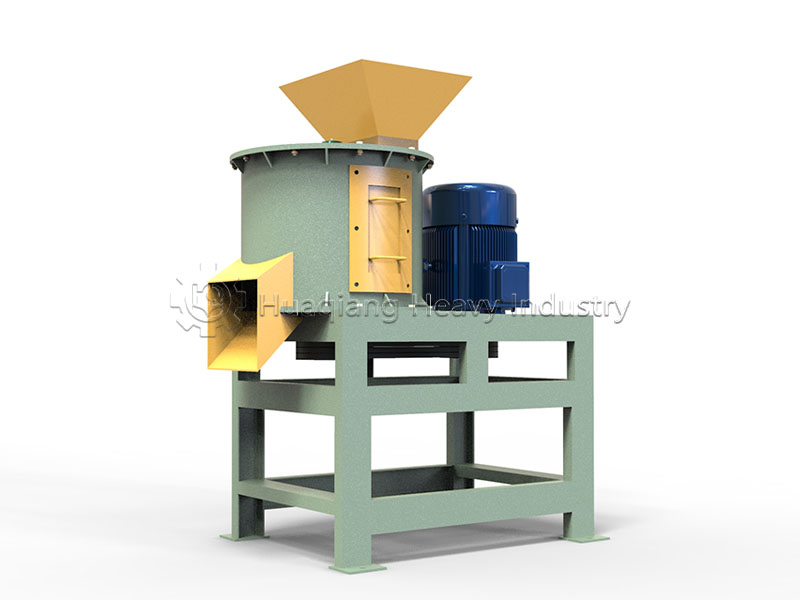
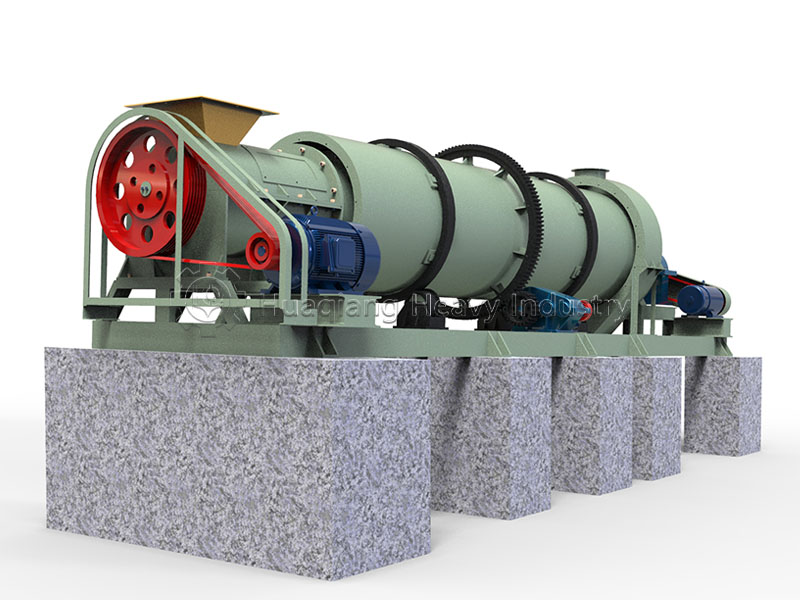
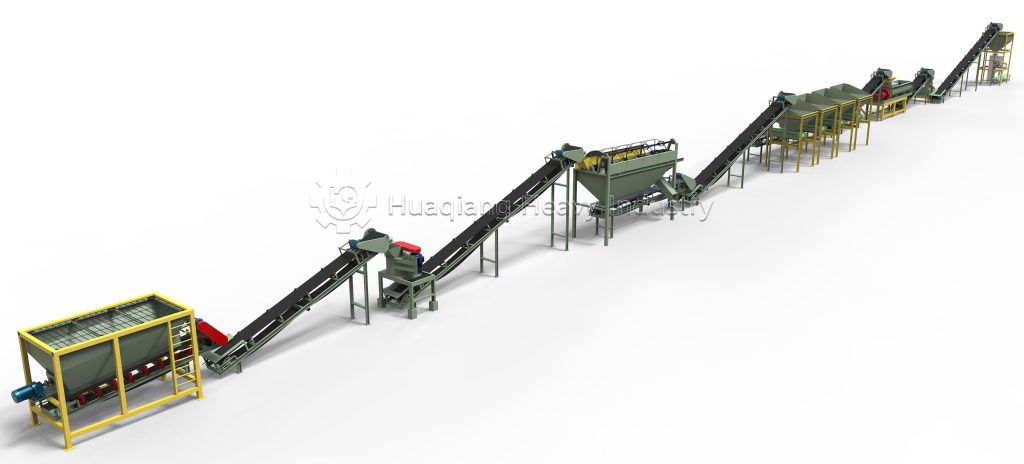
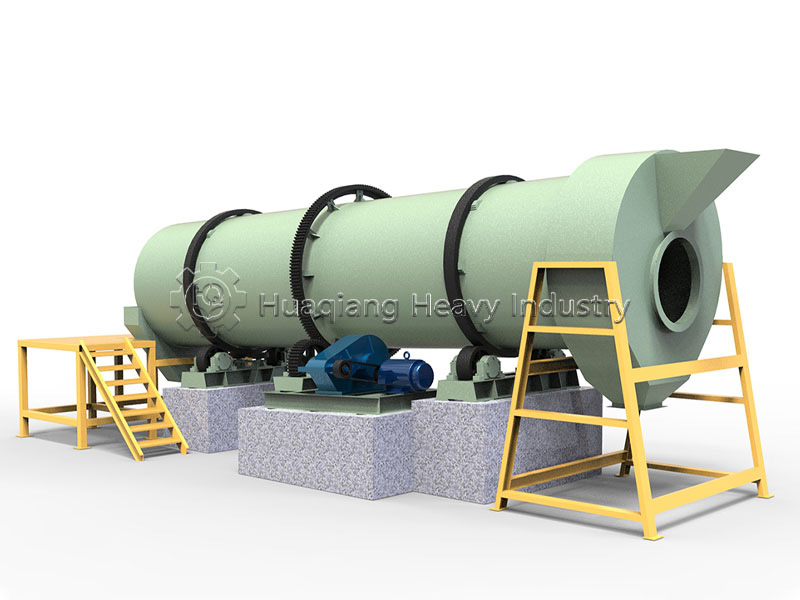
In the field of organic waste resource utilization, sticky and moist livestock and poultry manure, pasty kitchen waste, and insufficiently dried agricultural straw often pose pretreatment challenges due to their high moisture content and tendency to stick together. As an important member of the bio-organic fertilizer equipment system, the widespread application of half-wet material crushers has successfully transformed this technical bottleneck into a starting point for high-efficiency production.
The core capability of the half-wet material crusher lies in its excellent “moisture resistance” and “anti-clogging” design. It can efficiently process viscous materials with a moisture content of 30%-50%. This pretreatment not only solves the problems of subsequent conveying and mixing but also creates an ideal material state for deep fermentation.
In a complete bio-organic fertilizer production line, this equipment plays a crucial “pioneer” role. Its refined processing of raw materials directly improves fermentation efficiency and homogenization. The thoroughly crushed material has a significantly increased specific surface area, which is beneficial for the uniform inoculation and rapid reproduction of functional microorganisms.
The raw materials processed by this equipment exhibit significant advantages when entering the new type organic fertilizer granulator. The uniform and fine material properties significantly improve the granulation rate and enhance particle compactness and uniformity during the granulation process.
From a broader perspective, the technological advancements in half-wet material crushers have greatly broadened the range of raw material choices for bio-organic fertilizer production lines. This not only improves resource utilization but also provides a reliable guarantee for the production of high-quality bio-organic fertilizer products.
In modern NPK fertilizer production, the mixing process is not merely simple stirring, but a core technology permeating the entire production process. It directly determines the uniformity of nutrient distribution, affecting the stability and fertilizer efficacy of the final product. From liquid to solid, from chemical to physical, the mixing process, in its diverse forms, supports the production quality of compound fertilizers.
In the initial stages of production, the chemical reaction itself is accompanied by deep mixing of raw materials. When the basic nitrogen, phosphorus, and potassium raw materials undergo chemical reactions under specific conditions, continuous mechanical stirring ensures sufficient contact between the reactants. The homogeneous slurry formed in this process lays the necessary physical foundation for subsequent granulation.
After chemical mixing, the materials enter the refined physical mixing stage. When the slurry or powder needs to be combined with other auxiliary materials, specialized fertilizer mixer machines, through scientifically designed motion trajectories, can achieve a highly uniform distribution of each component in a short time.
In another important branch of NPK fertilizer production—the production of physically blended fertilizers (BB fertilizers)—NPK fertilizer production technology exhibits different technical requirements. Faced with basic fertilizer granules of varying densities and sizes, the mixing process must achieve both uniform nutrient distribution and minimize granule breakage and separation. This targeted mixing technology enables the perfect coexistence of various granule types.
From mechanical stirring in the chemical reactor to the uniform distribution of the finished granules, the mixing process remains a crucial node in the NPK fertilizer production line. Its technological advancements not only improve the intrinsic quality of fertilizer products but also provide a reliable material foundation for the development of precision agriculture.
In organic fertilizer production, flat die pelleting machines are highly favored for their strong adaptability and low investment cost. However, the moisture content of the material directly determines the success and efficiency of granulation—it can be considered the “lifeline” of the process.
1.Excessively Low Moisture: Results in Failure to Form Pellets and Reduced Output
When the material is too dry (usually with a moisture content below 20%), its viscosity significantly decreases. Under the pressure of the rollers, the powdered material cannot bind effectively, leading to loose, poorly formed pellets or granules with very low strength that break easily.
2.Excessively High Moisture: Causes Blockage and Sticking, Halting Production
If the material is too wet (usually with a moisture content above 40%), it becomes too soft and overly sticky. During compression, the material adheres to the rollers and the flat die mold, forming a thick layer of paste that causes serious clogging.
3.Ideal Moisture Range
Generally, the ideal moisture content for materials processed by a flat die pelleting machine falls within the range of 25%–35%. Within this range, the material exhibits optimal plasticity and viscosity. Therefore, to achieve the best performance of the flat die pelleting machine, it is essential to accurately monitor and pre-treat the moisture content of the incoming material. This can be done by adding dry auxiliary materials (such as straw powder or rice husk powder) or returned material to reduce moisture, or by adding water or slurry to adjust overly dry material.
In summary, precise control of material moisture is key to unlocking the full potential of flat die pelleting machines.
In the global pursuit of sustainable agriculture, organic fertilizer manufacturing technologies are rapidly developing, forming a complete technological system centered on biological fermentation, supplemented by physical-chemical conversion, and enhanced by deep processing technologies. These technologies transform agricultural waste into valuable resources, achieving a win-win situation for environmental protection and agricultural production.
Aerobic fermentation technology is currently the most widely used organic fertilizer production method worldwide. Through microbial action, organic wastes such as livestock manure and crop straw are decomposed and transformed under sufficient oxygen conditions. The high temperatures generated during fermentation not only eliminate pathogens and weed seeds but also effectively degrade complex organic matter like cellulose. In large agricultural bases like Shouguang in China, this technology has achieved large-scale production of 200,000 tons of organic fertilizer annually.
Anaerobic fermentation technology is particularly suitable for treating organic waste with high moisture content. In enclosed environments, microorganisms decompose organic matter under oxygen-free conditions while producing usable biogas energy. The United States and European Union countries often combine this technology with large-scale biogas projects, achieving dual benefits of energy recovery and fertilizer production. The recently developed anaerobic-aerobic two-stage fermentation technology combines the advantages of both methods, demonstrating excellent results in agricultural waste treatment projects in Spain and Germany.
Physical-Chemical Conversion: Breakthroughs in Technological Innovation
For difficult-to-degrade organic raw materials, physical-chemical conversion technologies provide new solutions. Pyrolysis carbonization technology produces biochar with special structures by treating lignocellulosic materials at high temperatures in low-oxygen environments. This material not only contains abundant organic carbon but also improves soil physical properties, commonly used in Europe for soil improvement in high-end organic agriculture.
Acid-alkali hydrolysis technology uses chemical means to break down the complex structure of cellulose, converting it into easily absorbable small molecules. This technology is particularly suitable for producing highly active liquid organic fertilizers, applied in special crop cultivation in countries like the United States. Oxidation degradation technology utilizes oxidants to treat organic waste, producing liquid fertilizers with good water solubility, suitable for resource utilization of urban organic waste.
Deep Processing Technology: Enhancing Product Value
Granulation technology transforms powdered organic fertilizer into granular form, greatly improving product commercial value and usability. Disc granulators and double-roller extrusion granulators are two mainstream equipment types, with the former producing uniform spherical particles and the latter excelling in energy efficiency. In places like Zhejiang, China, these technologies are also used to produce specialized fertilizers with added trace elements.
Functional additive technology significantly enhances organic fertilizer effectiveness by introducing beneficial microorganisms or special additives. Adding functional microorganisms like nitrogen-fixing bacteria and phosphorus-solubilizing bacteria can produce bio-organic fertilizers; adding components like humic acid and seaweed extracts enables production of specialized fertilizers for specific crops. Through technological innovation, companies like Kingenta Group have successfully developed high-end products with organic matter content exceeding 50%.
Intelligent Control and Environmental Technology
Modern organic fertilizer production increasingly emphasizes intelligent control and environmental protection. Through real-time monitoring of parameters like temperature and oxygen during fermentation using sensors, combined with automated control systems, fermentation cycles are shortened to within 15 days. Simultaneously, advanced dust removal and deodorization equipment effectively control environmental pollution during production, achieving clean production.
With increasing global emphasis on sustainable agriculture, organic fertilizer manufacturing technologies will continue developing toward greater efficiency, environmental friendliness, and intelligence. These technological advancements not only improve organic fertilizer quality and yield but also provide strong support for global agricultural sustainable development, promoting the establishment and improvement of circular agriculture models.
Integrated Systems for Advanced Organic Fertilizer Production
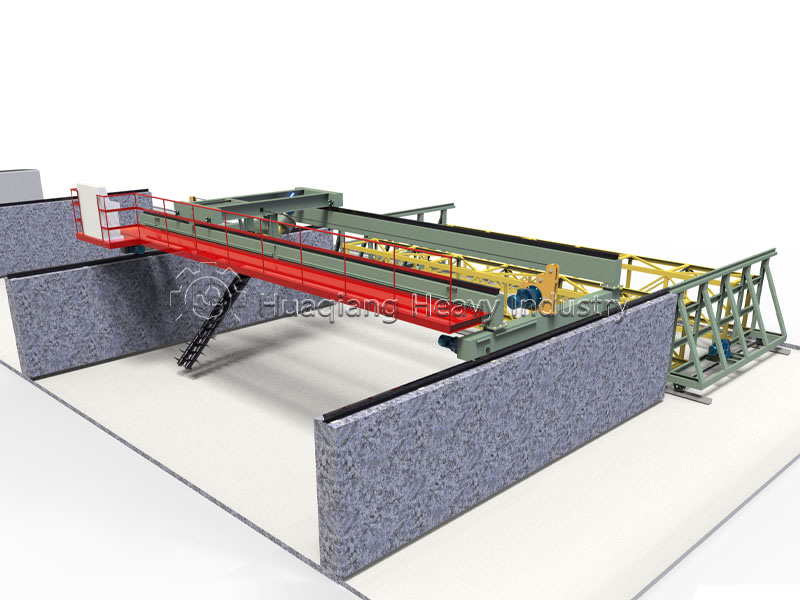
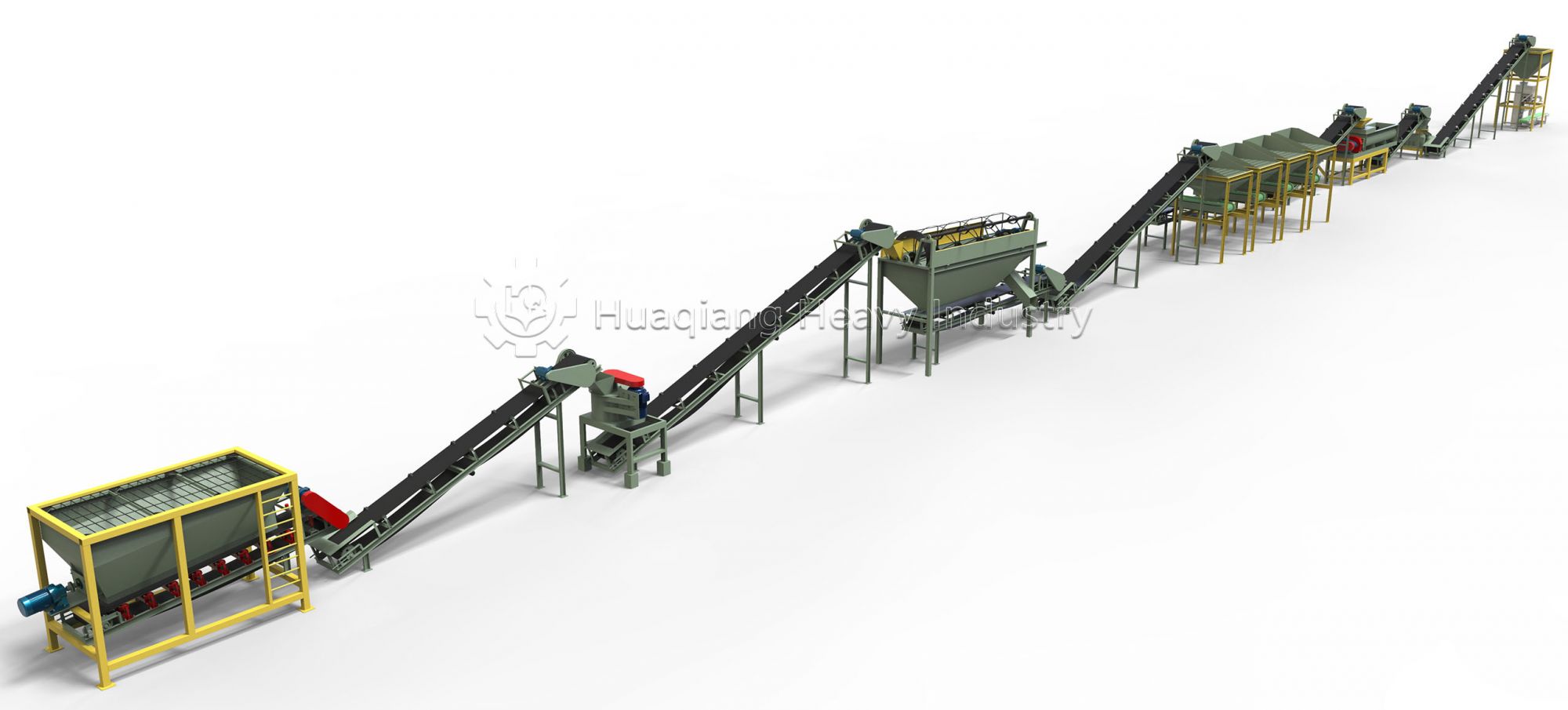
Modern organic fertilizer manufacturing technology is embodied in comprehensive organic fertilizer production line systems that integrate various specialized equipment. The process begins with efficient organic fertilizer fermentation equipment, including the chain compost turning machine for continuous operation and the large wheel compost turning machine for large-scale processing. These systems optimize biological decomposition through controlled aeration and temperature management. Following complete fermentation, the bio organic fertilizer production line incorporates additional microbial inoculation stages to enhance biological activity before proceeding to granulation.
The final stage of processing involves the organic fertilizer granulator, which transforms matured organic matter into uniform, market-ready pellets. This integrated approach demonstrates how advanced manufacturing technologies work synergistically—from initial biological transformation through fermentation to final physical shaping—to produce high-quality organic fertilizers. The continuous innovation in organic fertilizer manufacturing technology enables efficient conversion of diverse organic waste streams into valuable soil amendments while improving production efficiency, product consistency, and environmental performance. These technological advancements support the growing global demand for sustainable agricultural inputs that enhance soil health, promote crop productivity, and contribute to circular economy principles through effective organic waste utilization.
In organic fertilizer production, the challenge of bridging the gap between “mixing” and “granulation” is often amplified by differences in raw material characteristics. The new type two in one organic fertilizer granulator, integrating mixing and granulation, solves these problems with a design more closely suited to the characteristics of the raw materials.
Its most prominent advantage is its ability to handle “dry-wet mixtures.” For example, when mixing fresh chicken manure with a moisture content of 30% with dry straw powder with a moisture content of only 12%, the fertilizer granulator, within the same chamber, first uses the staggered rotation of a spiral stirring paddle to quickly interweave and blend the dry and wet materials. Simultaneously, a built-in micro-humidification device replenishes moisture to the dry material and guides the wet material to dry, resulting in a stable moisture content of 18%-22% after mixing.
It can also precisely control the proportions when dealing with “multi-component mixtures” of raw materials. Many organic fertilizers mix 3-4 raw materials, such as mushroom residue, rice husks, and humus, to enhance fertilizer efficiency. However, the densities of these different raw materials vary greatly. The new type two in one organic fertilizer granulator can automatically adjust the mixing speed according to the density of the raw materials. It slows down the mixing of heavier materials and speeds up the mixing of lighter materials, ensuring precise proportions of each raw material.
Even “difficult-to-bind fibrous raw materials” can be handled effectively. Raw materials like rice husks and peanut shells, with a fiber content exceeding 40%, tend to be loose when mixed alone. During the mixing stage, the two-in-one model uses a built-in shearing blade to cut long fibers into short fibers of 2-3 mm, which are then thoroughly mixed with other raw materials to form a mixture of “fiber skeleton + binding component.” No additional binder is needed during subsequent granulation, and the granules achieve the required hardness.
In the modern circular economy system, compost turning machines have become the core equipment of organic waste recycling facilities. From municipal solid waste treatment plants to livestock manure recycling stations, this efficient machinery is transforming the way organic waste is handled, converting environmental burdens into valuable resources.
From Waste to Resource Converter
Various organic wastes received by recycling facilities, such as food waste, garden waste, and livestock manure, can become sources of environmental pollution if not properly treated. Through mechanical turning and high-temperature aerobic fermentation processes, compost turning machines transform these wastes into safe, stable organic fertilizer. The high-temperature environment during fermentation effectively eliminates pathogens and insect eggs while decomposing odorous substances, achieving harmless waste treatment.
Compared to traditional natural composting that requires 3-6 months, compost turning machines can reduce the processing cycle to 15-45 days. This efficiency improvement enables recycling facilities to handle larger volumes of organic waste, meeting the growing waste treatment demands of urban areas.
Triple Benefits: Environmental, Economic, and Social
The application of compost turning machines in recycling facilities generates significant environmental benefits. Through centralized treatment of organic waste, soil and water pollution risks are effectively reduced, while greenhouse gas emissions are minimized. Compared to incineration or landfilling, the carbon dioxide produced during composting fermentation can be absorbed by subsequently planted crops, forming a carbon cycle.
Economic benefits are equally evident. A medium-sized compost turner can replace the labor of dozens of workers, significantly reducing labor costs. More importantly, each ton of organic waste can produce 0.6-0.8 tons of high-quality organic fertilizer, creating a “waste recycling-organic fertilizer sales” profit model. This transformation not only solves waste treatment problems but also creates new economic value.
Promoting Sustainable Agriculture
Organic fertilizer produced by compost turning machines plays an important role in improving soil quality. Soil compaction problems caused by long-term chemical fertilizer use can be effectively alleviated through organic fertilizer application. Beneficial microorganisms in organic fertilizer can regulate soil microecological balance and enhance soil water and nutrient retention capacity.
Through the use of organic fertilizer, agricultural production can reduce dependence on chemical fertilizers and pesticides, producing agricultural products that better meet green standards. This transformation not only increases the added value of agricultural products but also promotes the sustainable development of ecological agriculture.
Technological Innovation and Operational Advantages
Modern compost turning machines have made significant progress in operational convenience and adaptability. The increasing automation of equipment allows non-professionals to operate after simple training. Different models of compost turning machines can handle various types of organic waste, effectively processing everything from high-moisture food waste to dry garden waste.
Reduced maintenance costs also represent important technological advancements. Core components manufactured from wear-resistant and corrosion-resistant materials significantly extend service life, while modular design makes replacement and maintenance simpler. These improvements make compost turning machines more widely applicable and sustainable in recycling facilities.
Future Outlook
As global emphasis on circular economy and sustainable development continues to grow, the role of compost turning machines in recycling facilities will become increasingly important. The development of intelligent and automated technologies will make the composting process more precise and efficient, while the application of new materials will further extend equipment service life.
compost turning machines are not just waste treatment equipment but also bridges connecting urban waste management and agricultural production. By converting organic waste into high-quality organic fertilizer, they are helping to build a more sustainable resource cycling system, providing practical solutions to global environmental challenges.
Advanced Composting Technology for Efficient Resource Recovery
The transformation of waste to resource is powered by sophisticated fermentation composting turning technology. Modern recycling facilities utilize specialized equipment to optimize the organic fertilizer fermentation process. Key machinery includes the hydraulic trough compost turner for controlled indoor operations, the trough-type compost turner implementing trough-type aerobic fermentation composting technology, and the windrow compost turner for large-scale outdoor processing. For challenging materials or specialized applications, the large wheel compost turner and chain compost turner provide robust solutions.
These equipments required for biofertilizer production work in concert to accelerate decomposition, ensure pathogen elimination, and produce stable, nutrient-rich compost. The integration of these turning technologies creates efficient systems that convert diverse organic waste streams—from municipal food scraps to agricultural residues—into valuable soil amendments. This closed-loop approach not only addresses waste management challenges but also supports sustainable agriculture by providing organic fertilizers that improve soil health, enhance crop productivity, and reduce dependence on synthetic inputs. As circular economy principles gain global traction, these advanced composting systems represent a critical link between urban waste management and agricultural sustainability, turning environmental liabilities into agricultural assets through scientifically managed biological transformation processes.
How are piles of damp, sticky poultry waste transformed into standardized commercial organic fertilizer on modern organic fertilizer production lines? Today, specialized chicken manure organic fertilizer machines have built a systematic path to rebirth, efficiently converting it into a valuable resource for nourishing the soil.
The journey begins with collection and pretreatment. Fresh chicken manure is transported by specialized equipment and scientifically mixed with auxiliary materials such as straw. This crucial pretreatment creates an ideal structure and carbon-to-nitrogen ratio for subsequent fermentation, from which the entire chicken manure organic fertilizer machine operates in synergy.
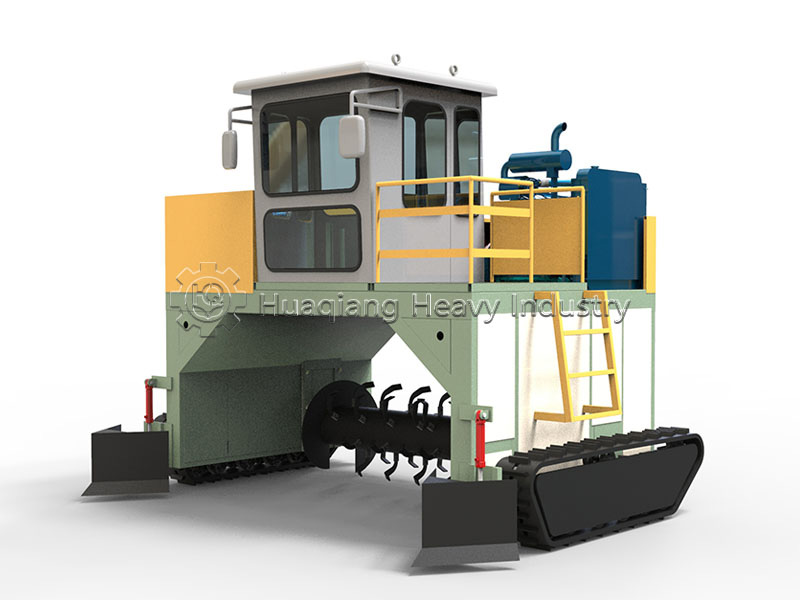
Harmless fermentation is the core of the transformation. In windrow fermentation fields, windrow compost turning machines play a key role. They move steadily along the pile, their wide tracks effectively overcoming the problem of soft ground, while their turning and throwing devices thoroughly break up and toss the material. With regular turning, the material comes into full contact with air, the temperature continuously rises under the action of microorganisms, and the pungent odor gradually transforms into an earthy smell, achieving the dual goals of safety and transformation.
Deep processing shapes the final form. After the composted material is crushed and screened, it enters the pelleting stage to improve its marketability. This is where the organic fertilizer granulator plays a crucial role. This transformation not only locks in nutrients and functional microorganisms but also makes it perfectly suited for mechanized application.
From the efficient fermentation of the windrow compost turning machine to the precise pelleting of the organic fertilizer granulator, modern chicken manure organic fertilizer machinery forms a complete value-added chain. This intelligent processing line not only solves environmental problems but also returns organic-rich resources to the land in a standardized manner.
As an innovative fertilizer production equipment, flat die pelleting machines are playing increasingly important roles in global agricultural production. This equipment not only efficiently produces high-quality granular fertilizer but also provides strong technical support for agricultural sustainable development. Through scientific use and maintenance, flat die pelleting machines can create significant economic and ecological benefits for users.
Significant Production Advantages
flat die pelleting machines demonstrate multiple advantages in fertilizer production. Firstly, they significantly improve fertilizer utilization rates. By converting powdered raw materials into granules, fertilizer release in soil becomes more uniform and stable, avoiding crop burning issues caused by local high concentrations, with nutrient utilization rates increasing by 15%-25%. Simultaneously, granular fertilizers have good flowability, facilitating mechanized application and greatly improving fertilization efficiency.
Environmentally, flat die pelleting machines play important roles. They can transform organic waste like livestock manure and crop straw into high-quality fertilizers, achieving resource recycling. The granulation process occurs at room temperature without high-temperature treatment, preserving active components in materials such as microorganisms and humus, which holds significant importance for improving soil structure and enhancing soil fertility.
Exceptional Economic Benefits
From an economic perspective, flat die pelleting machines demonstrate significant cost advantages. Equipment structure is relatively simple with low investment and maintenance costs, suitable for producers of different scales. Granular fertilizers produced have minimal loss during storage and transportation, preservable for 8-12 months, far exceeding preservation periods of powdered fertilizers.
Production efficiency is another important advantage. A single unit can produce 0.1-5 tons of granular fertilizer per hour, 50-100 times the efficiency of manual production. Simple operation requires only 1-2 operators to complete the entire production process, greatly reducing labor intensity and human resource costs.
Scientific Maintenance Management
To ensure long-term stable operation of flat die pelleting machines, scientific maintenance management is crucial. Daily maintenance includes equipment checks before startup and cleaning work after shutdown. Regular inspections of feeding systems, transmission systems, and safety devices ensure equipment remains in good working condition.
Regular maintenance should include weekly checks of wear part conditions, monthly inspections of cutting devices and lubrication systems, and quarterly comprehensive maintenance. Flat dies and pressure rollers, as core components, require special attention to their wear conditions. When die hole wear exceeds 0.5 millimeters or granule formation rates fall below 80%, flat dies should be replaced promptly.
Professional Lubrication Maintenance
Proper maintenance of lubrication systems significantly impacts equipment lifespan. Reducers require regular gear oil replacement, typically every 800-1000 operating hours. Bearings require lubricant addition every 300-500 hours to avoid wear caused by insufficient lubrication. Use appropriate lubricants and greases, strictly following equipment manual requirements.
During long-term equipment storage, special maintenance is necessary. Thoroughly clean equipment interiors and exteriors, apply anti-rust oil to key components like flat dies and pressure rollers, and cover equipment with waterproof cloths, storing in dry, ventilated environments.
Safe Operation Precautions
Safe operation is an important principle when using flat die pelleting machines. Opening protective covers or manually contacting rotating parts during equipment operation is prohibited. Using non-compliant tools or lubrication materials is strictly forbidden. When detecting equipment abnormalities, shutdown and inspection should occur promptly to avoid greater damage.
Through scientific maintenance and standardized operation, flat die pelleting machines can achieve long-term stable operation, creating continuous value for users. With continuous technological development and improvement, this equipment will play increasingly important roles in global agricultural production and environmental protection, contributing to achieving sustainable agricultural development.
Versatile Granulation Solutions for Modern Fertilizer Manufacturing
The flat die pelleting machine represents a specialized category within modern fertilizer production machine technology, offering unique advantages for room-temperature fertilizer granules compaction. This equipment exemplifies the innovation in fertilizer granulation machine design, producing uniform fertilizer columnar granule granulation equipment particularly suited for organic and bio-fertilizer applications. Its gentle processing method preserves heat-sensitive components, making it complementary to other technologies like the new type two in one organic fertilizer granulator which combines multiple processing steps.
As part of the broader ecosystem of fertilizer manufacturing equipment, flat die granulators demonstrate how specialized machinery addresses specific production needs—from small-scale organic operations to larger fertilizer production lines. Their efficiency, cost-effectiveness, and ability to transform diverse raw materials into market-ready granules contribute significantly to sustainable agriculture by enabling efficient resource utilization and reducing waste throughout the fertilizer production and application cycle.
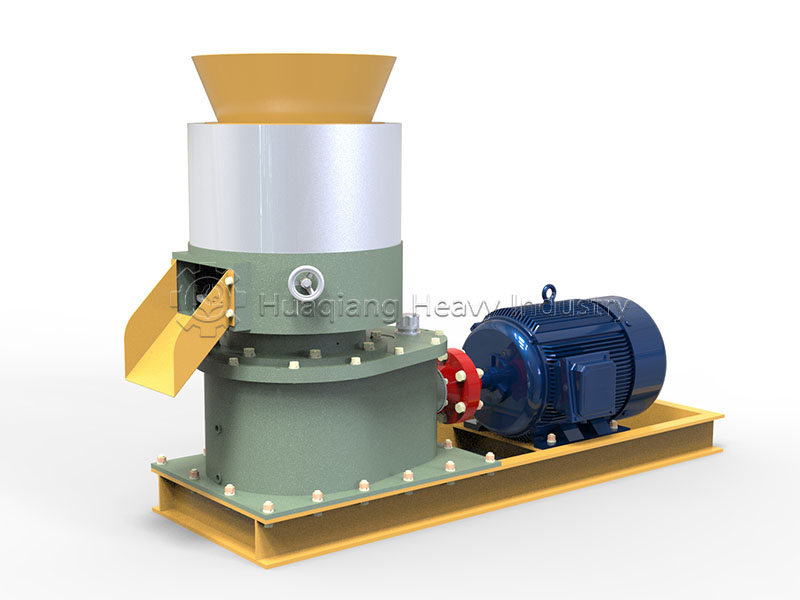
As a granulation equipment based on room-temperature extrusion molding principles, flat die pelleting machines are playing important roles in multiple fields including fertilizer, feed, and biomass energy with their unique advantages. Through innovative mechanical design, this equipment converts powdered materials into uniform granules under room temperature conditions, preserving material active components while improving product usability.
Innovative Working Principle
The core working principle of flat die pelleting machines is based on physical extrusion molding technology. Through relative motion between pressure rollers and flat dies, the equipment compresses materials through die holes under 10-30MPa pressure, forming regular cylindrical granules. This process occurs at room temperature, controlled below 60°C, effectively avoiding high-temperature damage to material active components.
Compared to traditional granulation technologies, the greatest advantage of flat die pelleting machines lies in their protective capability for heat-sensitive materials. Whether dealing with bio-organic fertilizers containing active microorganisms or feed additives rich in nutrients, all can maintain their original characteristics during granulation. This gentle processing method gives the equipment irreplaceable value in fields requiring preservation of material activity.
Wide Range of Application Fields
flat die pelleting machines have extensive application scope. In the fertilizer industry, they are particularly suitable for producing bio-organic fertilizers and compound microbial fertilizers, ensuring survival rates of beneficial microorganisms during granulation. In feed processing, granulated feed produced by the equipment not only improves feed palatability but also reduces waste during transportation and usage.
Biomass energy represents another important application field. By converting biomass raw materials like wood chips and straw into pellet fuels, the equipment provides technical support for development and utilization of renewable energy. Additionally, flat die pelleting machines demonstrate good adaptability in chemical and pharmaceutical industries.
Flexible Production Capacity
flat die pelleting machines demonstrate excellent flexibility in production scale. From small laboratory equipment producing dozens of kilograms per hour to production line equipment producing several tons per hour, various specifications can meet production requirements of different scales. This flexibility enables the equipment to suit both startup enterprises and family workshops while meeting production requirements of small to medium-sized factories.
The equipment’s modular design further enhances its adaptability. By replacing flat dies with different aperture sizes, various granule products with particle sizes between 2-12 millimeters can be produced. Adjustable designs of pressure rollers and cutting devices enable operators to optimize granulation parameters according to material characteristics, ensuring product quality.
Economic Benefits and Operational Convenience
Regarding economic benefits, flat die pelleting machines have obvious advantages. The equipment structure is relatively simple, with investment costs typically only half to one-third of other granulation equipment types. Energy consumption is also relatively low, with most models having power between 3-30 kilowatts, making operational costs controllable.
Operational simplicity is another important advantage. Equipment typically adopts one-button start-stop designs, with operators able to begin work after brief training. Daily maintenance work mainly focuses on lubrication and wear part replacement, with relatively low maintenance costs. These characteristics make flat die pelleting machines ideal choices for enterprises with limited capital.
Quality Control and Future Development
Granule products produced by flat die pelleting machines have stable and reliable quality. Granule particle sizes are uniform, with moderate compressive strength ensuring both integrity during transportation and convenience during usage. For products like organic fertilizers, regular granule shapes also improve fertilization uniformity.
With continuous global emphasis on sustainable development and environmental requirements, the application prospects of flat die pelleting machines will become broader. Technological innovation will further improve equipment production efficiency and energy utilization rates, while new material applications will extend equipment service life. In today’s pursuit of efficient production and environmental protection, flat die pelleting machines will continue providing reliable technical support for granulation production across various industries.
Diverse Granulation Technologies in Fertilizer Manufacturing
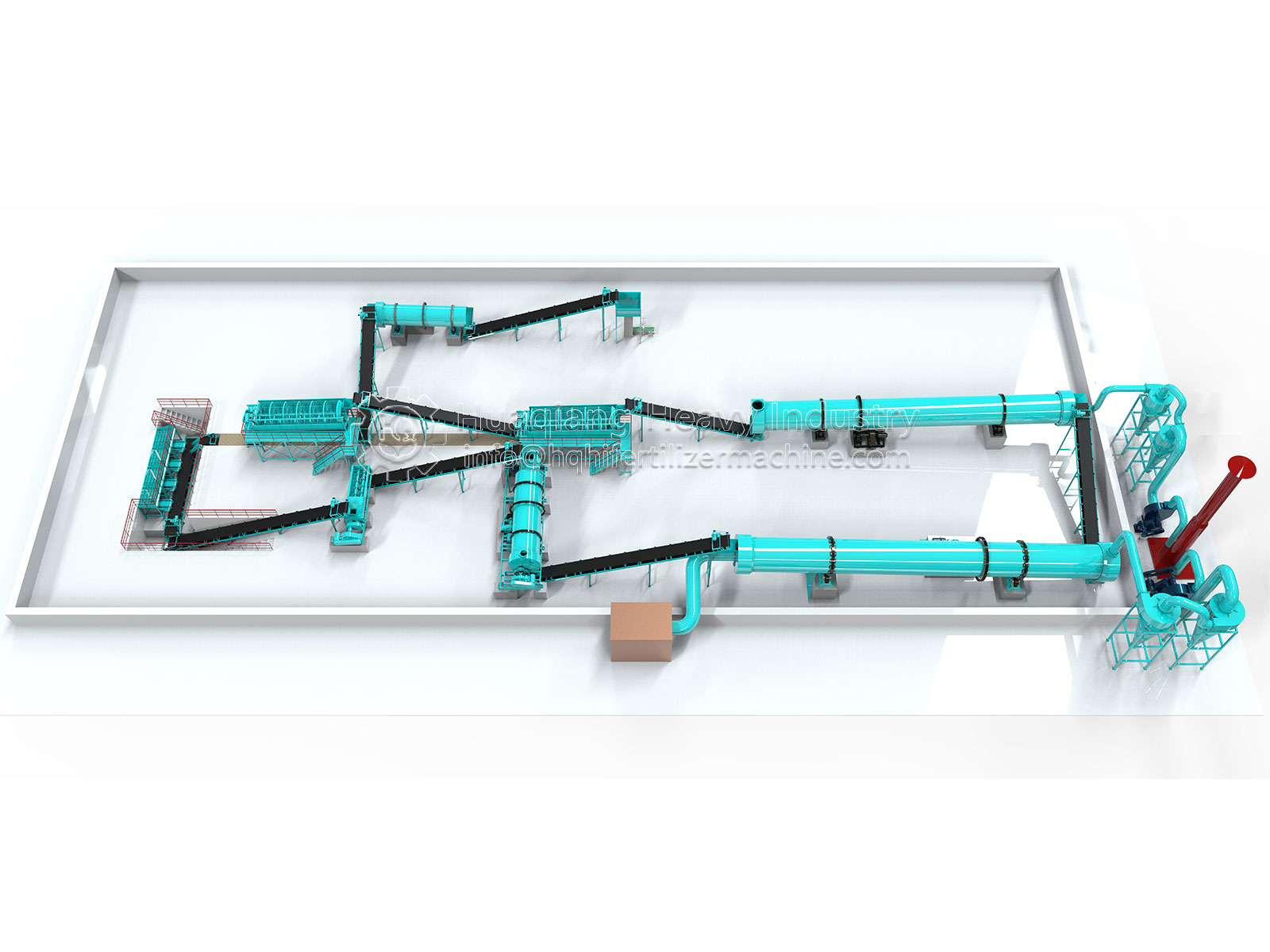
The flat die pelleting machine represents one of several specialized technologies within modern fertilizer granulation processes. While it excels in room-temperature processing for sensitive materials, other fertilizer granulator types serve distinct roles in comprehensive production systems. Within a complete npk fertilizer production line, equipment like the disc granulator machine forms the core of disc granulation production line operations for standard compound fertilizers, while the double roller press granulator serves as the foundation for specialized roller press granulator production line configurations.
For organic fertilizer manufacturing, the production chain typically begins with equipment such as the windrow composting machine for efficient biodegradation before granulation. The complete organic fertilizer production line and bio organic fertilizer production line often incorporate granulation technologies suited to organic materials. Meanwhile, the npk blending machine ensures precise formulation before granulation in chemical fertilizer production. This diversity in granulation equipment—from flat die systems for gentle processing to high-capacity disc and roller press systems—allows manufacturers to select optimal technologies based on material characteristics, production scale, and final product requirements, creating tailored solutions across the spectrum of modern fertilizer production.
How are piles of agricultural waste transformed into high-quality fertilizer rich in active microorganisms on a modern bio-organic fertilizer production line? This systematic processing chain integrates the collaborative operation of professional bio-organic fertilizer equipment, achieving a value transformation from “waste” to “soil nutrient.”
The journey begins with the pretreatment and scientific formulation of raw materials. Various organic raw materials are crushed, screened, and mixed in precise proportions, adjusting the carbon-nitrogen ratio and moisture content. This crucial step creates ideal conditions for subsequent fermentation, laying the technological foundation for the entire bio-organic fertilizer production line.
The core process lies in deep fermentation and the addition of microbial agents. The mixed materials enter the fermentation zone, where a windrow compost turning machine demonstrates its unique advantages. During the continuous 15-20 day aerobic fermentation process, the temperature undergoes a complete change curve, achieving complete harmlessness. When the temperature is suitable, professional functional microbial agents are precisely added, and active microorganisms begin to colonize and multiply in the material.
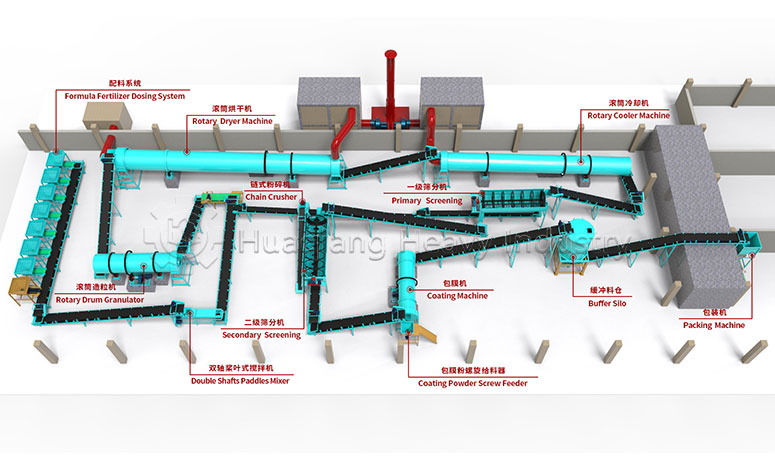
After fermentation, the material enters the refining stage. After obtaining powdered base fertilizer through crushing and screening, if it is necessary to improve the product’s marketability, it enters the granulation process. At this point, the rotary drum granulator comes into play. This not only improves the product’s appearance but also significantly enhances its storage and mechanized application performance.
This modern production line not only solves the problem of agricultural waste disposal but also produces biological products that can improve soil and enhance soil fertility, playing an increasingly important role in the construction of modern ecological agriculture.