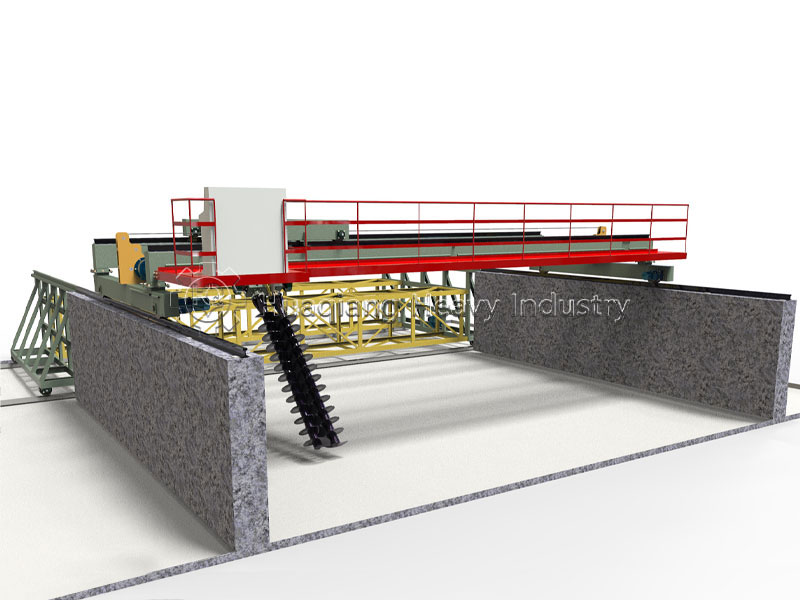
Windrow compost turning machines: A key guarantee for large-scale organic fertilizer production

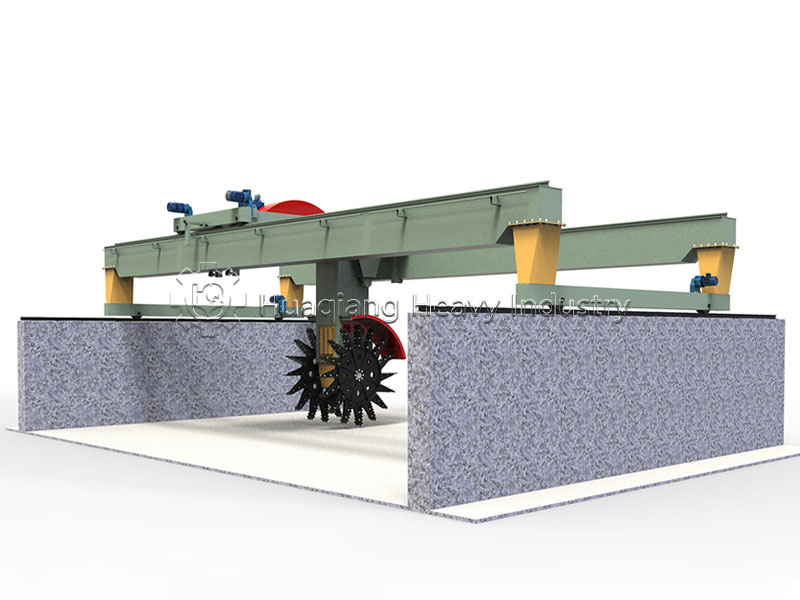
In modern bio-organic fertilizer production lines, the efficiency and stability of the fermentation process directly determine the overall performance of the entire production line. As an important component of the bio-organic fertilizer equipment system, the windrow compost turning machine, with its unique movement method and powerful operating capabilities, has become an indispensable core equipment for processing large-scale fermentation materials, providing a solid guarantee for efficient aerobic fermentation.

Compared with conventional equipment, the most significant advantage of the windrow compost turning machine lies in its excellent ground adaptability. This outstanding maneuverability ensures continuous and stable production operation of the composting process, which is an important foundation for maintaining the efficient operation of the bio-organic fertilizer production line.
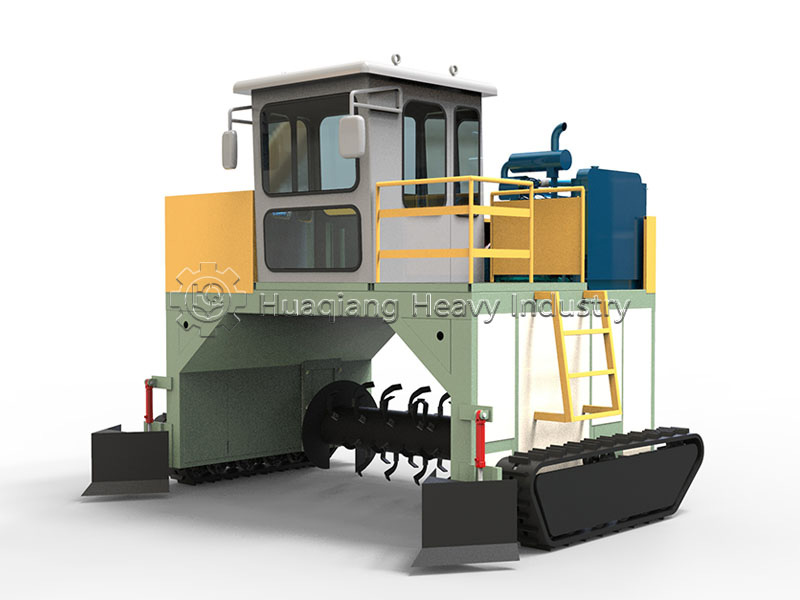
In a complete bio-organic fertilizer production line, the windrow compost turning machine usually dominates the core process of windrow composting. It efficiently collaborates with other bio-organic fertilizer equipment such as raw material pretreatment, microbial agent addition, and subsequent discharge, achieving mechanized operation of the entire process from raw material entry to initial decomposition.

As bio-organic fertilizer production lines rapidly develop towards intensification and standardization, the technological value of the windrow compost turning machine becomes increasingly prominent. It plays an irreplaceable role in promoting the resource utilization of organic waste and the large-scale production of high-quality bio-organic fertilizers.
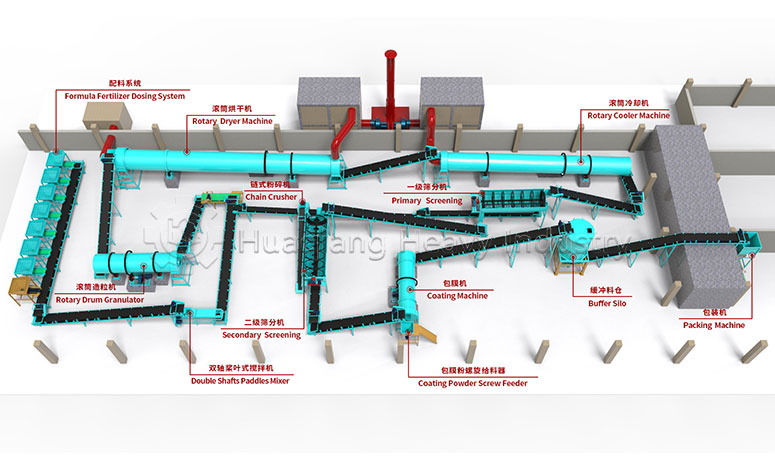
Key equipment for high-efficiency pretreatment in bio-organic fertilizer production lines

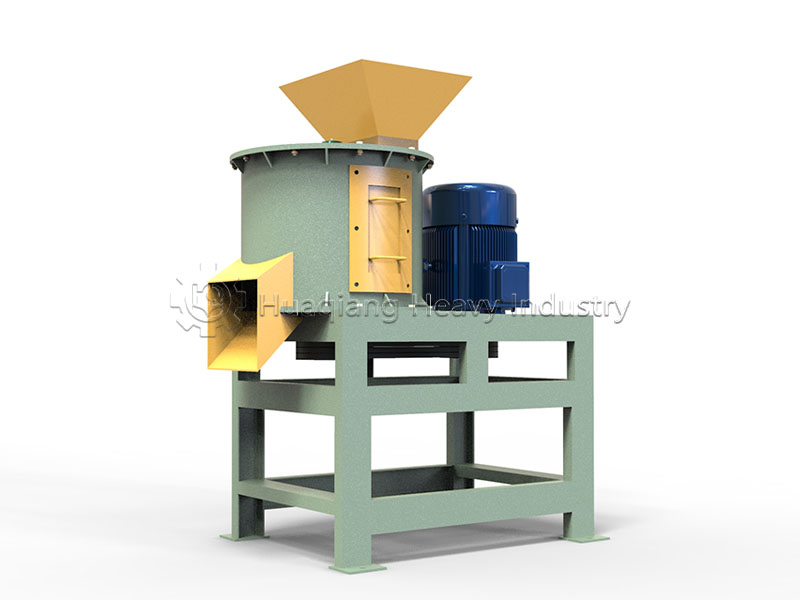
In the field of organic waste resource utilization, sticky and moist livestock and poultry manure, pasty kitchen waste, and insufficiently dried agricultural straw often pose pretreatment challenges due to their high moisture content and tendency to stick together. As an important member of the bio-organic fertilizer equipment system, the widespread application of half-wet material crushers has successfully transformed this technical bottleneck into a starting point for high-efficiency production.

The core capability of the half-wet material crusher lies in its excellent “moisture resistance” and “anti-clogging” design. It can efficiently process viscous materials with a moisture content of 30%-50%. This pretreatment not only solves the problems of subsequent conveying and mixing but also creates an ideal material state for deep fermentation.

In a complete bio-organic fertilizer production line, this equipment plays a crucial “pioneer” role. Its refined processing of raw materials directly improves fermentation efficiency and homogenization. The thoroughly crushed material has a significantly increased specific surface area, which is beneficial for the uniform inoculation and rapid reproduction of functional microorganisms.

The raw materials processed by this equipment exhibit significant advantages when entering the new type organic fertilizer granulator. The uniform and fine material properties significantly improve the granulation rate and enhance particle compactness and uniformity during the granulation process.

From a broader perspective, the technological advancements in half-wet material crushers have greatly broadened the range of raw material choices for bio-organic fertilizer production lines. This not only improves resource utilization but also provides a reliable guarantee for the production of high-quality bio-organic fertilizer products.

NPK fertilizer mixing technology: From homogeneous slurry to precision blending

In modern NPK fertilizer production, the mixing process is not merely simple stirring, but a core technology permeating the entire production process. It directly determines the uniformity of nutrient distribution, affecting the stability and fertilizer efficacy of the final product. From liquid to solid, from chemical to physical, the mixing process, in its diverse forms, supports the production quality of compound fertilizers.

In the initial stages of production, the chemical reaction itself is accompanied by deep mixing of raw materials. When the basic nitrogen, phosphorus, and potassium raw materials undergo chemical reactions under specific conditions, continuous mechanical stirring ensures sufficient contact between the reactants. The homogeneous slurry formed in this process lays the necessary physical foundation for subsequent granulation.

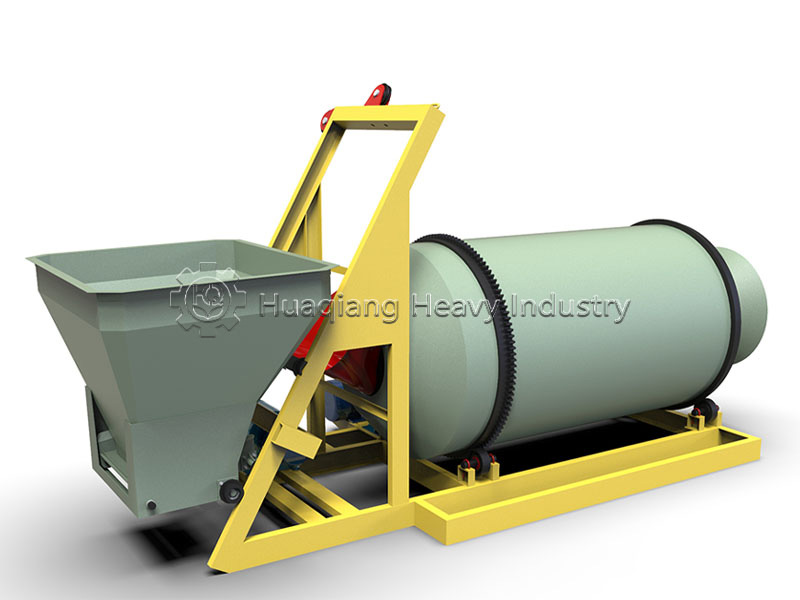
After chemical mixing, the materials enter the refined physical mixing stage. When the slurry or powder needs to be combined with other auxiliary materials, specialized fertilizer mixer machines, through scientifically designed motion trajectories, can achieve a highly uniform distribution of each component in a short time.

In another important branch of NPK fertilizer production—the production of physically blended fertilizers (BB fertilizers)—NPK fertilizer production technology exhibits different technical requirements. Faced with basic fertilizer granules of varying densities and sizes, the mixing process must achieve both uniform nutrient distribution and minimize granule breakage and separation. This targeted mixing technology enables the perfect coexistence of various granule types.

From mechanical stirring in the chemical reactor to the uniform distribution of the finished granules, the mixing process remains a crucial node in the NPK fertilizer production line. Its technological advancements not only improve the intrinsic quality of fertilizer products but also provide a reliable material foundation for the development of precision agriculture.

How is bio-organic fertilizer produced? A complete production line and core equipment analysis

How are piles of agricultural waste transformed into high-quality fertilizer rich in active microorganisms on a modern bio-organic fertilizer production line? This systematic processing chain integrates the collaborative operation of professional bio-organic fertilizer equipment, achieving a value transformation from “waste” to “soil nutrient.”

The journey begins with the pretreatment and scientific formulation of raw materials. Various organic raw materials are crushed, screened, and mixed in precise proportions, adjusting the carbon-nitrogen ratio and moisture content. This crucial step creates ideal conditions for subsequent fermentation, laying the technological foundation for the entire bio-organic fertilizer production line.

The core process lies in deep fermentation and the addition of microbial agents. The mixed materials enter the fermentation zone, where a windrow compost turning machine demonstrates its unique advantages. During the continuous 15-20 day aerobic fermentation process, the temperature undergoes a complete change curve, achieving complete harmlessness. When the temperature is suitable, professional functional microbial agents are precisely added, and active microorganisms begin to colonize and multiply in the material.

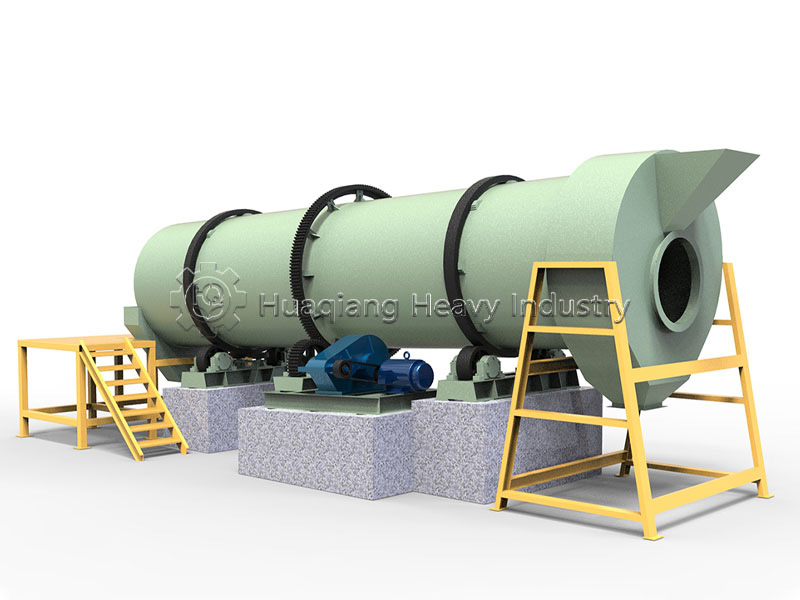
After fermentation, the material enters the refining stage. After obtaining powdered base fertilizer through crushing and screening, if it is necessary to improve the product’s marketability, it enters the granulation process. At this point, the rotary drum granulator comes into play. This not only improves the product’s appearance but also significantly enhances its storage and mechanized application performance.

This modern production line not only solves the problem of agricultural waste disposal but also produces biological products that can improve soil and enhance soil fertility, playing an increasingly important role in the construction of modern ecological agriculture.

BB fertilizer mixer: Flexible productivity in the precision agriculture era

In modern fertilizer production, the BB fertilizer mixer is the core engine of the NPK blending fertilizer production line, characterized by physical blending, translating the concept of precise formulation into a uniform and high-quality finished product.

While there are many types of general-purpose fertilizer mixers, the BB fertilizer mixer is a specialized piece of equipment designed specifically for granular blending. Its unique structure allows for the uniform mixing of nitrogen, phosphorus, and potassium base fertilizers of different particle sizes and densities in a very short time, while minimizing particle breakage.

Compared to the chemical reaction route of traditional NPK fertilizer production lines, the NPK blending fertilizer production line centered on the BB fertilizer mixer exhibits unique advantages. It can quickly adjust the formula based on soil testing data, enabling flexible production of small batches and multiple varieties. This flexibility allows fertilizer processing plants to respond promptly to the personalized needs of different regions and crops, truly achieving precision fertilization.

In a complete NPK blending fertilizer production line, the BB fertilizer mixer works precisely in conjunction with the automatic batching system and conveying equipment. After precise metering, raw materials enter the mixing chamber, where they are efficiently mixed within a set time before being directly packaged or shipped in bulk. This compact design significantly shortens the conversion time from formulation to product.

With the increasing demands for precision fertilization in modern agriculture, the BB fertilizer mixer is playing an increasingly crucial role in NPK blending fertilizer production lines.

How fertilizer granules compaction technology is reshaping bio-organic fertilizer production lines?

In the process of green transformation in modern agriculture, a complete bio-organic fertilizer production line is no longer merely a channel for processing organic waste, but a value-enhancing system integrating multiple technologies. Relying on specialized bio-organic fertilizer equipment, it transforms fermented and decomposed materials into high-value-added products through precise processing. Fertilizer granules compaction technology is becoming a core driving force for product upgrading.

The core value of an advanced bio-organic fertilizer production line lies in system integration. From precise fermentation at the front end to finished product processing at the back end, various bio-organic fertilizer equipment do not operate in isolation, but are seamlessly connected through intelligent control. This ensures stable and controllable operation throughout the entire process from raw materials to finished products, providing a fundamental guarantee for producing high-quality, highly active bio-organic fertilizer.

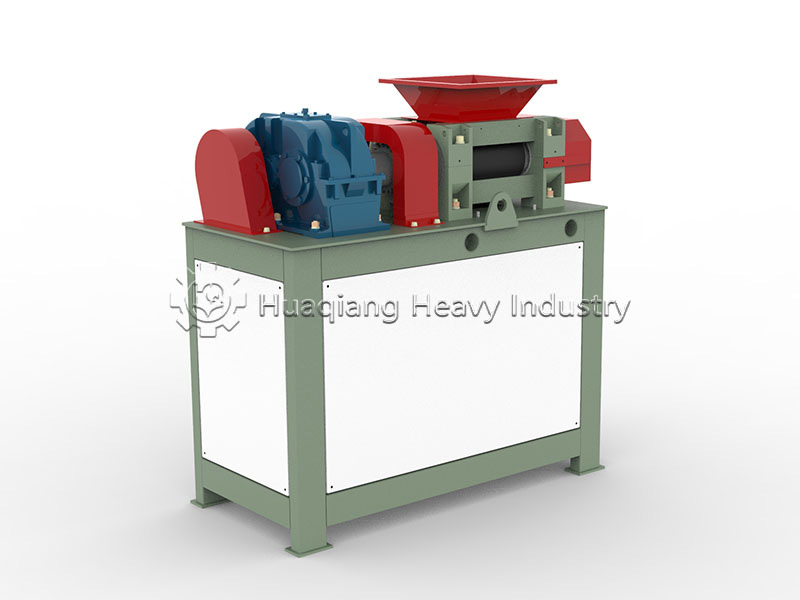
At the back end of the production line, the introduction of fertilizer granules compaction technology marks a crucial leap from “functionalization” to “commercialization.” This technology, through physical extrusion, transforms loose, powdery organic fertilizer into dense, regular pellets.

In fact, the integration of fertilizer granules compaction technology with bio-organic fertilizer equipment is driving the upgrading of the entire bio-organic fertilizer production line. The granular product form makes bio-organic fertilizer as convenient to use as traditional chemical fertilizers in the market, greatly increasing the acceptance of end users.

Precisely formulated NPK blending fertilizer production line

In modern agricultural production, bulk blended fertilizers, which flexibly meet customized needs, are playing an increasingly important role. The core of this efficient operation is a well-designed NPK blending fertilizer production line, which achieves the efficient conversion from multiple single-element fertilizers to a uniformly blended finished product through the coordinated operation of specialized equipment.

The value of the entire NPK blending fertilizer production line is primarily reflected in its “precision.” The production line can accurately measure the proportions of nitrogen, phosphorus, potassium, and micronutrients based on specific soil testing results and crop nutrient requirements. This precise formulation capability is the foundation for producing truly personalized bulk blended fertilizers.

In the core mixing stage of the production line, the performance of the BB fertilizer mixer is crucial. This equipment does not simply tumble; instead, through a scientifically designed mixing method, it ensures that granular raw materials of different sizes and specific gravities achieve a highly uniform physical mixture in a short time.

From a macroscopic process perspective, a complete NPK blending fertilizer production line integrates multiple modules such as automatic batching, efficient mixing, and finished product conveying. As the heart of the production line, the bulk blending fertilizer machine’s efficiency and mixing quality directly determine the quality of the final product. This systematic production method greatly improves production flexibility and efficiency, making small-batch, multi-formulation customized production possible.

The value upgrade path of bio-organic fertilizer production lines

In the field of modern organic fertilizer production, a complete bio-organic fertilizer production line is achieving a perfect transformation from raw materials to high-quality fertilizer through the collaborative innovation of key equipment.

The large wheel compost turning machine demonstrates superior performance in the raw material processing stage. Its unique large-diameter turning wheel design enables deep turning of fermented materials, effectively improving oxygen exchange efficiency. This efficient turning method ensures the uniformity and thoroughness of the fermentation process, laying a solid foundation for subsequent processing stages.

Entering the core processing stage, the bio-organic fertilizer equipment system plays a crucial role. Simultaneously, the new type organic fertilizer granulator, with its innovative molding technology, transforms the fermented material into uniformly sized granular products. This granulation method not only improves the physical properties of the product but also significantly enhances its commercial value.

In the finished product deep processing stage, the fertilizer coating machine brings a qualitative leap to the product. By uniformly coating the granule surface, it not only effectively prevents product clumping but also achieves a slow-release effect of nutrients. The addition of this process significantly improves the storage stability and application effect of the final product.

As modern agriculture continues to demand higher quality organic fertilizers, this systematic production line configuration is demonstrating strong market competitiveness. It not only realizes the resource utilization of organic waste but also provides the market with higher value-added bio-organic fertilizer products through refined processing techniques, playing an increasingly important role in promoting sustainable agricultural development.

Collaboration and innovation: A symphony of equipment in modern bio-organic fertilizer production

In the field of modern bio-organic fertilizer production, the coordinated operation of various specialized equipment is driving continuous innovation in production processes. From raw material processing to finished product output, different functional pieces of equipment perform their respective roles, jointly composing a harmonious symphony of efficient production.

The double screws compost turning machine demonstrates unique advantages in the fermentation stage. Its double screws structure can penetrate deep into the material, achieving a more thorough turning effect. This design not only improves fermentation efficiency but also ensures uniform oxygenation of the material, laying a solid foundation for subsequent processing.

The bio-organic fertilizer equipment system, with its specialized configuration, provides an ideal environment for functional microorganisms. From temperature control to ventilation regulation, from humidity management to inoculant addition, this system ensures that every step of biotransformation takes place under optimal conditions, effectively guaranteeing the quantity and vitality of active bacteria in the final product.

In the material mixing stage, the fertilizer mixer machine plays a crucial role. Through a scientifically designed mixing method, it thoroughly and evenly mixes different raw materials. This uniform mixing not only ensures a balanced distribution of nutrients but also creates favorable conditions for the subsequent granulation process.

When the materials enter the forming stage, the new type organic fertilizer granulator demonstrates its superior processing capabilities. It can produce granules with uniform specifications and moderate hardness, tailored to the characteristics of different raw materials. This innovative granulation technology not only enhances the product’s commercial value but also significantly improves its application performance.

The perfect coordination of these devices creates a highly efficient and stable bio-organic fertilizer production line. From the raw material processing by the double screws compost turner to the uniform mixing by the fertilizer mixer machine, and finally to the finished product forming by the new type organic fertilizer granulator, each step is closely integrated to ensure the high quality and consistency of the final product.

Bio-organic fertilizer production line: A perfect fusion of technology and equipment

In the wave of green development in modern agriculture, the bio-organic fertilizer production line, with its unique resource conversion capabilities, transforms various organic wastes into high-value-added bio-fertilizers. This complete production system, through the coordinated operation of specialized equipment, achieves an intelligent transformation from raw materials to finished products.

The core value of the entire bio-organic fertilizer production line lies in its systematic process flow. From the initial raw material fermentation treatment, to the intermediate addition and mixing of microbial agents, and then to the final molding processing, each step relies on the precise coordination of specialized bio-organic fertilizer equipment.

At the rear end of the production line, fertilizer granules compaction technology demonstrates its unique value. This technology not only significantly improves the physical properties of the product, making it easier to store and transport, but also greatly enhances its marketability, creating favorable conditions for mechanized fertilization.

Of particular note is that modern bio-organic fertilizer production lines consistently prioritize maintaining the activity of functional microorganisms during processing. From the ratio of microbial agents to the control of molding temperature, each step is meticulously designed to ensure that beneficial microorganisms remain active during processing, ultimately fulfilling their due biological functions in the product.