When choosing an organic fertilizer production line, how to judge its quality and performance?

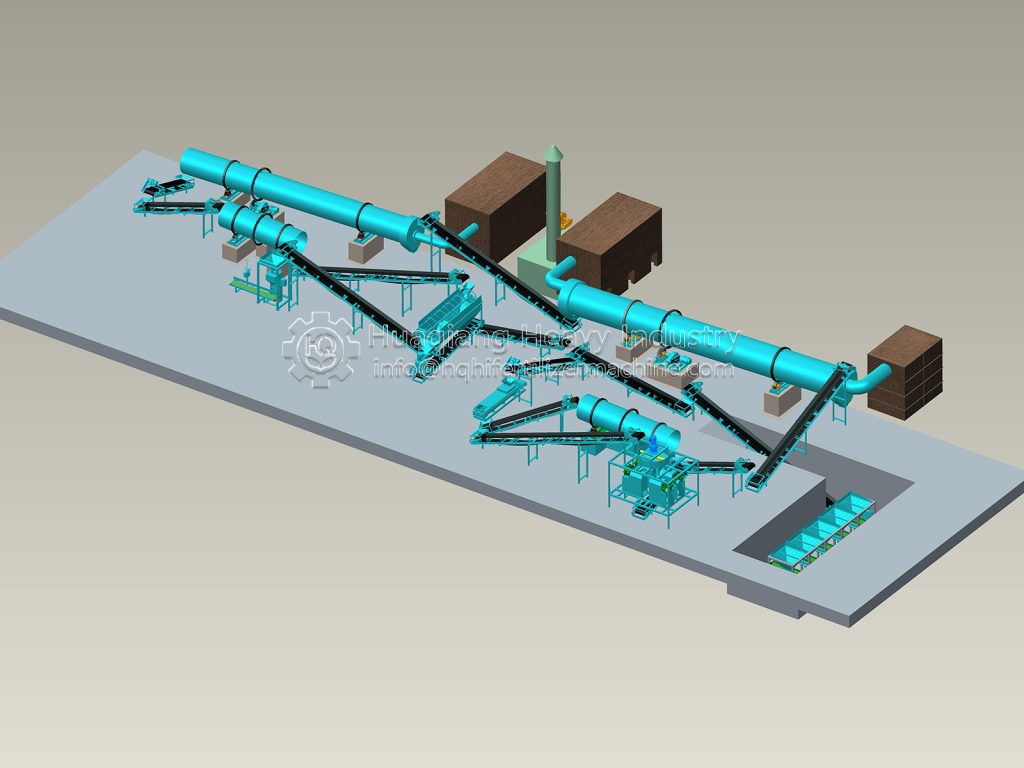
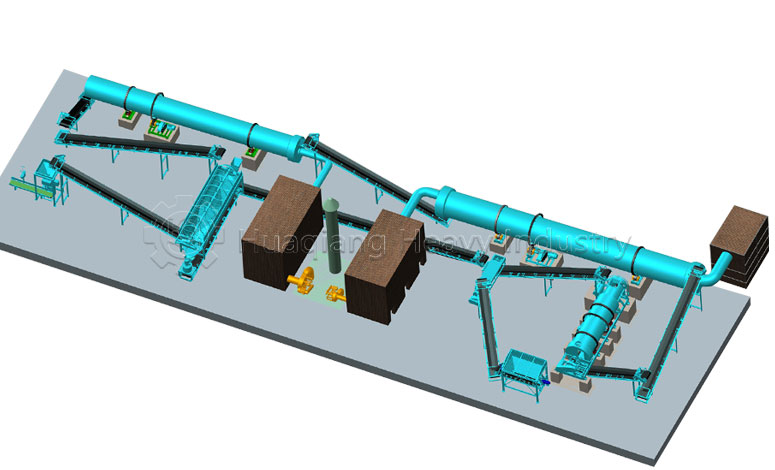
Organic fertilizer production line is an indispensable facility in modern agricultural production, which directly affects the yield and quality of organic fertilizer. Selecting the right organic fertilizer production line requires comprehensive evaluation from multiple perspectives.
 

  1. Raw material adaptability: We must first consider the adaptability of the production line to raw materials. High-quality Organic Fertilizer Production Linecan adapt to a variety of raw materials, including livestock manure, straw, food industry by-products, etc. The diversity of raw materials directly affects the nutritional value and production cost of organic fertilizers.
Organic-Fertilizer-Production-Line1
  1. Production capacity: The production capacity of the production line should match the scale and needs of the farm. For example, for large-scale farms, you may need to choose a production line that produces hundreds of tons per day, while for small-scale farms, you may need to choose a production line that produces tens of tons per day.
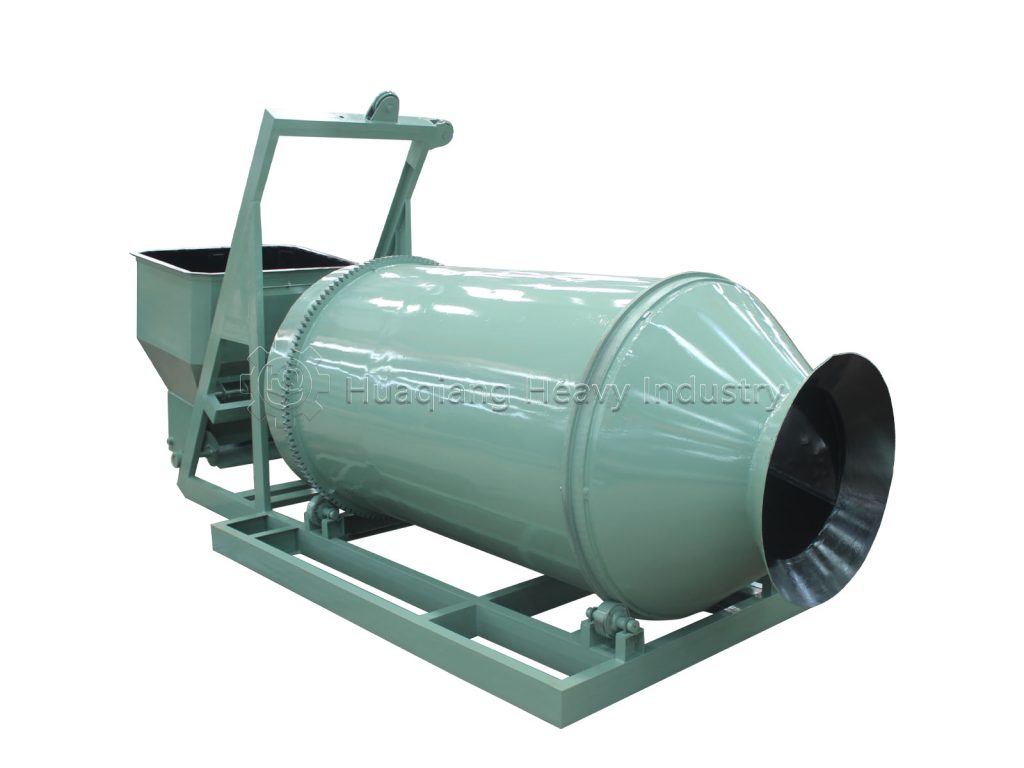
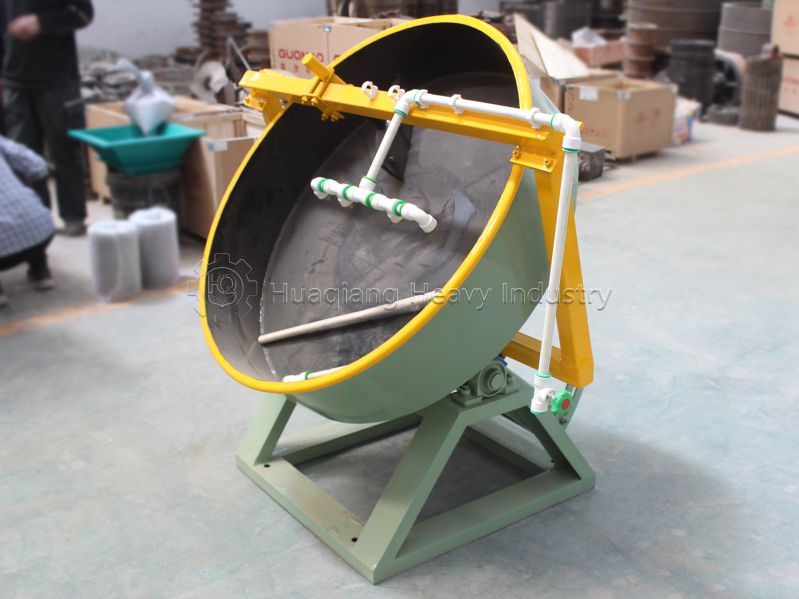
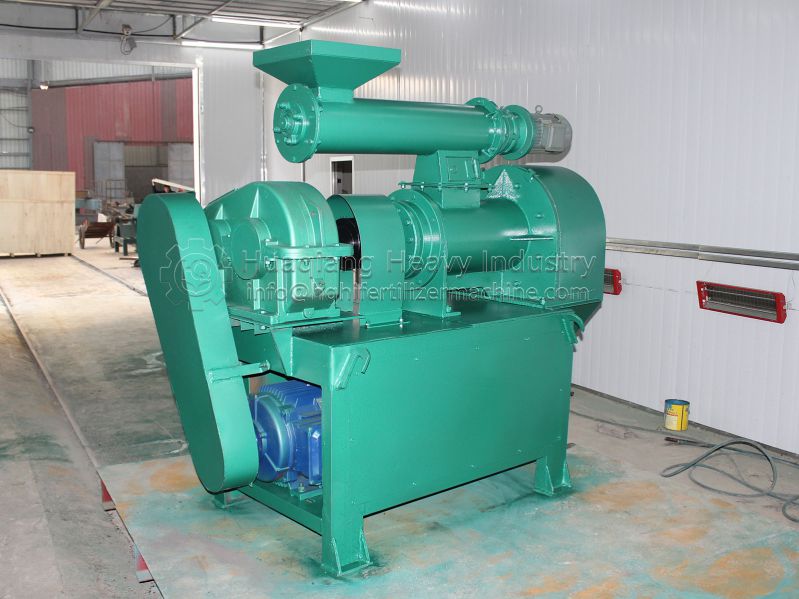
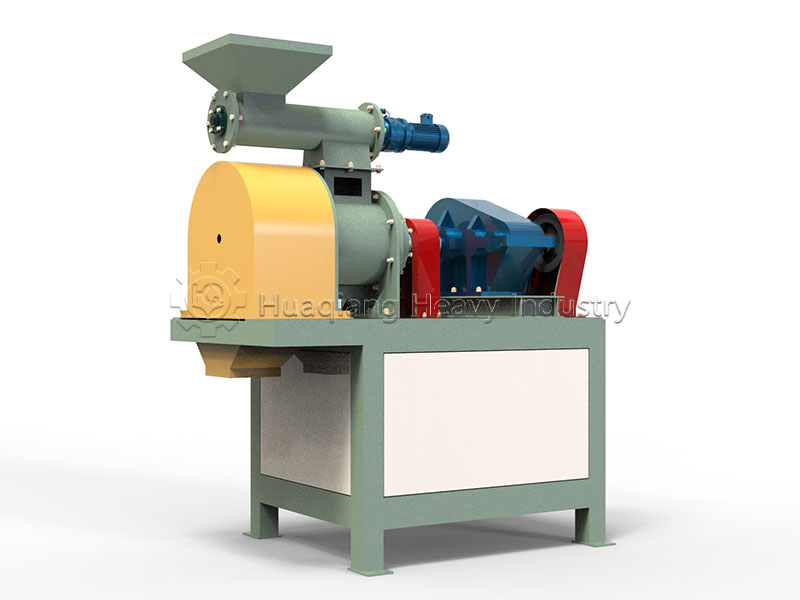
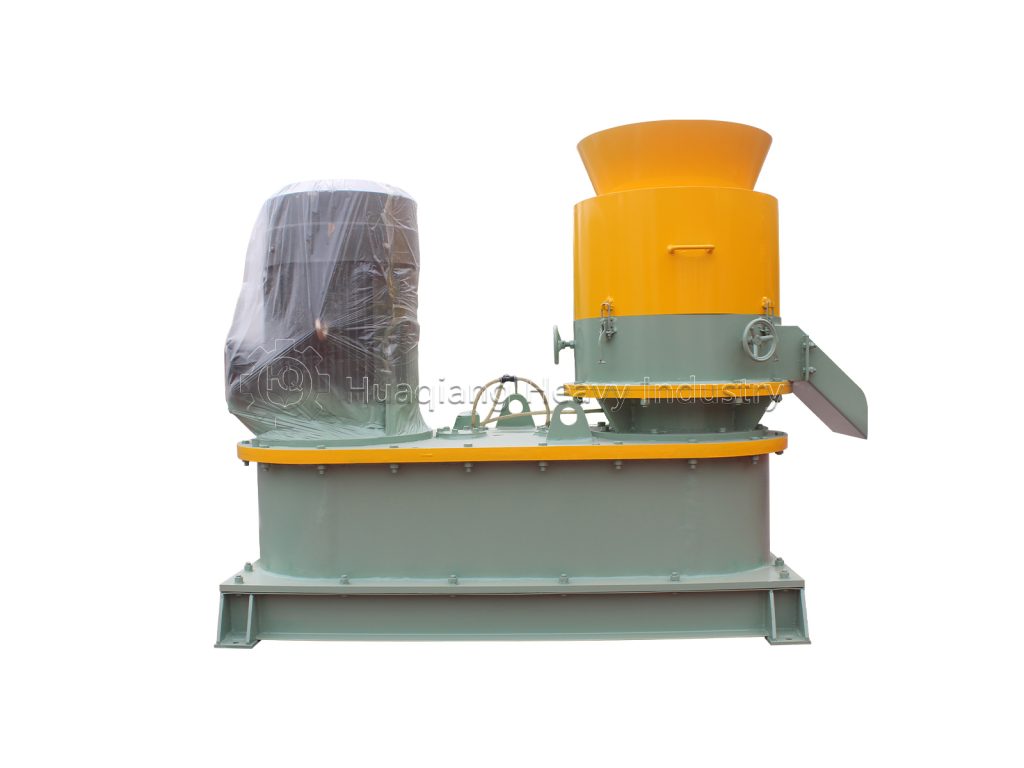
  1. Equipment composition: Organic fertilizer production line usually includes grinding, mixing, granulation, drying, screening and packaging and other links. The equipment performance of each link will affect the quality of the final product. For example, the Disc Granulator is able to produce uniform particles, which helps to improve fertilization efficiency.
18_1
  1. Environmental performance: In the production process, the production line should meet the environmental requirements and reduce the impact on the environment. This includes emission reduction, noise control, waste disposal and more.
  1. Degree of automation: modern organic fertilizer production lines are increasingly inclined to automation, which can reduce labor costs and improve production efficiency. Production lines with a high degree of automation can more accurately control various parameters in the production process.
  1. Energy consumption: The energy consumption of the production line is also an important indicator to measure its performance. Energy efficient production lines can reduce production costs while also meeting the requirements of sustainable development.
  1. After-sales service: It is important to choose a production line with good after-sales service. This includes services such as installation, commissioning, maintenance and upgrading of equipment.
  1. Return on investment: Finally, you need to consider the return on investment of the production line. This includes equipment acquisition costs, operating costs and maintenance costs. A high-quality production line should be able to recover the investment cost in a relatively short time.

 
Through the comprehensive evaluation of the above aspects, the quality and performance of the organic fertilizer production line can be judged, so as to make a reasonable choice.

Practical methods for reducing raw material waste in ring die granulators

In fertilizer production, raw material waste in ring die granulators primarily stems from substandard pellets and die blockage. Targeted measures can increase raw material utilization by 5%-8%.

First, substandard pellets are recycled. After screening in the pelletizer, broken and large particles are collected and crushed to the required particle size (consistent with new raw material) using a dedicated fertilizer crusher. These particles are then mixed with new raw material at a ratio of 1:5 for re-pelletization. Care should be taken to control the moisture content during mixing. If the moisture content of the recycled material exceeds 18%, it should be air-dried to 14%-16% before mixing to prevent moisture absorption and impact on the overall pelletizing effect. Furthermore, the recycled material mix ratio should not exceed 20% to prevent it from affecting the strength of the new pellets.

Secondly, reduce ring die blockage losses. Before each shutdown, empty the pelletizing chamber of any remaining raw material. Then, introduce a small amount of talcum powder (5-8 kg per ton of raw material). Run the ring die granulator at no load for 5 minutes to allow the talcum powder to adhere to the inner wall of the ring die, forming a protective film to prevent residual raw material from solidifying and clogging. During daily production, check the ring die holes for blockage every four hours. If a small blockage is detected, clear it with a special needle (0.5 mm smaller in diameter than the die hole) to prevent further blockage and material waste.

In addition, polish the edges of the ring die holes every 100 hours to remove burrs and minimize material loss caused by material being stuck in the holes. A magnetic separator should be installed at the pelletizer feed inlet to remove metallic impurities from the raw material, preventing them from damaging the ring die and causing pelletizing problems, further reducing material waste.

Different fertilizer types require special adaptation requirements for ring die granulators

In fertilizer production, ring die granulators must adjust core parameters based on the characteristics of different raw materials, such as organic fertilizer, compound fertilizer, and slow-release fertilizer, to ensure optimal granulation.

For organic fertilizers, whose raw materials often contain fiber components such as straw and fermented manure, ring die granulators require large-aperture ring dies (typically 8-12mm) and anti-entanglement rollers to prevent fiber entanglement and pelletizing stalls. Furthermore, the steam injection time should be appropriately extended during the conditioning stage to enhance the viscosity of the fiber raw material.

If producing bio-organic fertilizers containing live bacteria, a rapid cooling device should be added after granulation to reduce the pellet temperature to below 35°C to prevent high temperatures from killing the live bacteria.

Compound fertilizer raw materials are primarily nitrogen, phosphorus, and potassium powders, which are prone to moisture absorption and agglomeration. Therefore, granulators require ring dies made of wear-resistant materials (such as alloy steel) to minimize wear on the die holes, and the roller pressure must be precisely controlled. Excessive pressure can cause components like nitrate nitrogen in the raw materials to decompose and be lost due to the high extrusion temperature, while too little pressure can cause the granules to become loose.

Slow-release fertilizers, however, contain special ingredients like coating agents, so the ring die granulator requires a lower extrusion temperature (below 30°C). This is usually achieved by reducing the roller speed (from 30 rpm to 20 rpm) and adding a cooling device to prevent high temperatures from damaging the slow-release coating structure and ensure the fertilizer’s slow-release effect.

New pet of pig farm: feed granulator improves feed utilization and reduces costs

As an important part of animal husbandry, pig industry faces the problems of high feed cost and low feed conversion rate in modern large-scale breeding. In order to improve the economic benefits of pig farms, the new feed granulation technology came into being and became the new pet of pig farms. Through the use of feed granulator, this technology not only improves the utilization of feed, but also effectively reduces the cost of farming.
 

1. Efficient transformation of Fertilizer Granulating Production Line

 
The Fertilizer Granulating Production Line uses a series of processes to produce granular feed from various raw materials. Such production lines usually include crushing, mixing, granulation, drying and packaging. In the pig farm, the pellet feed processed by this production line has the advantages of balanced nutrition, easy digestion, reducing waste and so on, thus improving the utilization rate of feed.
 

2. the recycling of Organic Fertilizer Production Line

 
In pig farms, manure and waste water are common wastes. Through the Organic Fertilizer Production Line, this waste can be converted into organic fertilizer. This organic fertilizer can not only be used in pig farms to increase crop yields, but also can be sold as a commodity, bringing additional economic benefits to pig farms.

3. Precise granulation of Flat-Die Pellet Machine

 
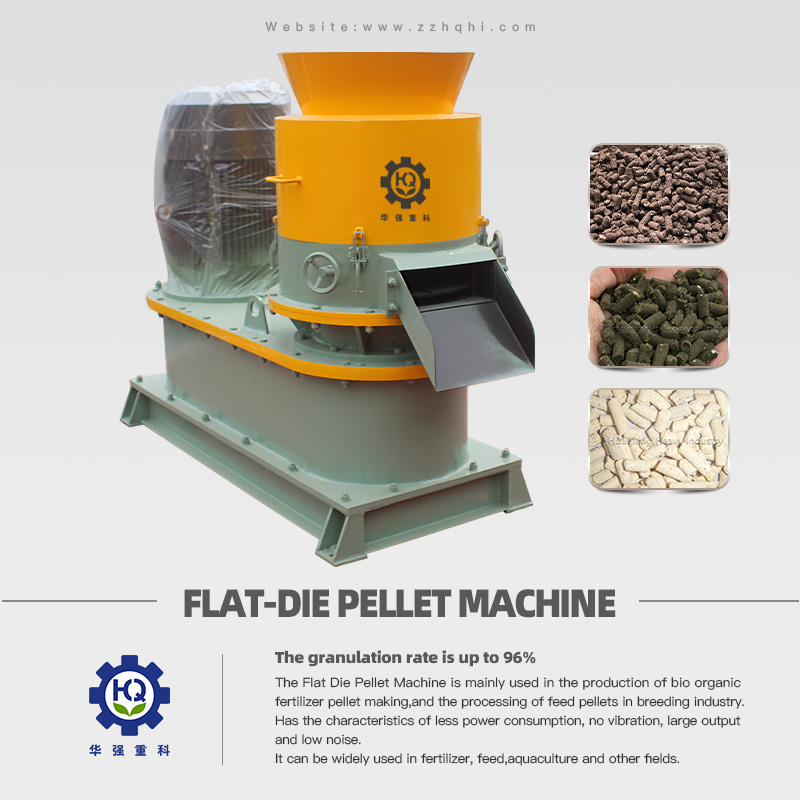
The Flat-Die Pellet Machine is the key equipment in the feed pelletizing production line, which can precisely control the grain size and shape of the feed according to the growth stage of different pigs. This precise granulation technology helps to improve the pig’s acceptance of feed, reduce feed waste, and thus improve feed utilization.

4. Strict Screening by Rotary Screening Machine

 
During the feed pelletizing process, the Rotary Screening Machine is used to screen out unqualified feed particles to ensure uniform size and regular shape of the final product. This not only helps to improve the palatability of the feed, but also reduces feed waste caused by too large or too small particles.

Conclusion

 
Through the application of feed granulator, pig farms can achieve efficient conversion and accurate supply of feed, and significantly improve the utilization rate of feed. At the same time, through the recycling of organic fertilizer production lines, pig farms can convert waste into valuable organic fertilizers and achieve sustainable use of resources. This innovative feed processing technology not only helps reduce the operating costs of pig farms, but also improves the overall competitiveness of the pig industry.

Working principle of a drum fertilizer cooler: Understanding the core logic of material cooling

In industrial production, directly stacking high-temperature materials after processing can easily lead to problems such as agglomeration and deterioration. Drum fertilizer coolers are key equipment for addressing this problem. So how do they achieve efficient cooling? Today, we’ll examine their core operating principles from both a structural and process perspective.

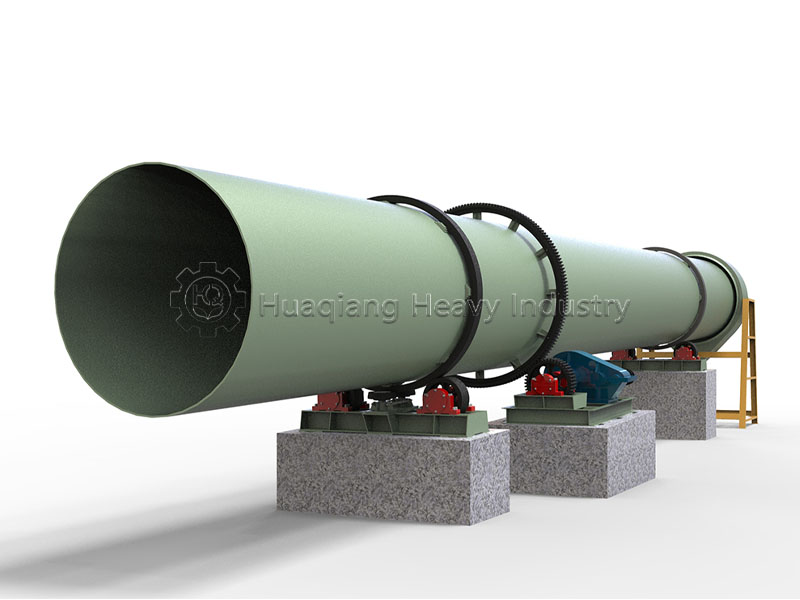
The core structure of a drum fertilizer cooler consists of an inclined drum body, a transmission system, a cooling system, and a discharge mechanism. During operation, hot materials enter through the feed port at the upper end of the drum. The transmission system drives the drum to slowly rotate, causing the materials to continuously tumble and move forward within the drum as it rotates.

The cooling system achieves cooling through two methods: one is a cooling jacket installed on the drum shell, through which cold water or air flows, removing heat from the material through heat conduction; the other is a direct flow of low-temperature gas into the drum. The gas fully contacts the hot material, absorbing heat through heat exchange, and is then discharged through the exhaust port. Throughout the entire process, the material is tumbled to ensure uniform heating and avoid incomplete cooling. The drum fertilizer cooler’s tilt angle and rotational speed control the material’s residence time, allowing for flexible adjustment based on the cooling requirements of different materials.

Finally, the cooled material is discharged from the discharge port at the lower end of the drum, completing the cooling process. Whether it’s granular, powdered, or small chunks, this cooling method delivers efficient and stable cooling, widely applicable to production needs across multiple industrial sectors.

Unlocking the flat die granulator: Principle revealed

When a flat die granulator is in operation, material first enters the feed inlet and is evenly conveyed to the pulverizing unit, where it is fully pulverized to meet subsequent processing requirements. The pulverized material is then transported by a screw conveyor to the pressing area. In the pressing area, the pressing rollers work closely with the flat die, forcing the material through the die holes under strong pressure, initially forming pellets. Next, the pellets are cut into the desired length by a cutter and leave the pressing area. The hot pellets then enter the cooling unit, where they are rapidly cooled by air or water, stabilizing their shape and properties. Finally, the cooled pellets are screened and packaged before being released to the market as finished products.

The flat die granulator’s pressing rollers feature wide grooves, ensuring pressure resistance and wear resistance. The larger rollers can withstand greater pressure, while the wider grooves effectively prevent material accumulation and ensure smooth material flow into the pressing area. The evenly distributed design of multiple pressing rollers ensures smoother operation while increasing the pressing area, significantly improving production efficiency. Taking biomass pellet production as an example, this design can increase yields by 30%-50%, effectively reducing production costs.

The flat die granulator achieves efficient material forming through its ingenious structural design and scientific workflow. Currently, this principle is widely used in feed, biomass energy, fertilizer, and other fields. With continued technological advancement, it is expected to play a significant role in even more areas in the future, bringing greater convenience and benefits to industrial production and resource utilization.

Large wheel compost turner: Ushering in a new era in organic waste treatment

With growing environmental awareness, organic waste treatment has become a focus of attention in agriculture, environmental protection, and other fields. As a highly efficient organic waste treatment device, the large wheel compost turner provides powerful support for addressing the organic waste challenge. It not only effectively processes large amounts of organic waste but also transforms it into valuable resources, such as high-quality organic fertilizer, achieving resource recycling.

The large wheel compost turner’s disc consists of multiple rotating discs or paddles, with removable blades or toothed plates on the edges to break up the material. It can easily handle clumping livestock manure, straw, and other materials.

The discs are typically arranged horizontally and rotated by hydraulic or mechanical drive. The machine’s travel system allows it to follow tracks within the compost tank (or windrow) or to propel itself along tires, thus covering the entire compost pile.

During operation, the wheel rotates, the blades cut into the material, and the bottom layer of material is thrown into the air, completing the cutting and lifting action. During the spreading process, the material is fully exposed to the air, and the new and old materials are mixed, achieving both dispersion and mixing. As the equipment moves, the compost is continuously turned, forming a new loose pile, completing the displacement and advancement, and this turning process is repeated over and over again.

The large wheel compost turner, with its unique operating principle, rational structural design, and outstanding practical application results, plays an important role in the field of organic waste treatment.

Windrow compost turners: The fermentation code for diverse organic raw materials

In organic fertilizer production, the diversity of raw materials often poses challenges to the fermentation process. Windrow compost turners, with their robust adaptability, are a key piece of equipment to address this challenge. They can efficiently process a variety of raw materials, including livestock and poultry manure, crop straw, industrial and municipal organic waste, and sewage sludge, providing a rich source of material for organic fertilizer production.

For livestock and poultry manure, such as chicken and pig manure, the windrow compost turner‘s powerful turning breaks down compaction. The ventilation and heating process kills pathogens and parasite eggs, while also reducing ammonia emissions and eliminating odors.

For coarse fiber materials like corn stalks and wheat straw, its turning components tear the straw into pieces, allowing it to blend evenly with other materials and accelerate degradation and composting.

For industrial organic waste, such as distiller’s grains and vinegar lees, and municipal waste, such as kitchen waste and fallen branches, the equipment continuously turns the waste to reduce moisture content, promote the growth of beneficial microorganisms, and ultimately recycle the waste.

Sludge that passes heavy metal testing can also be turned over to reduce its moisture content from 80% to below 60%, transforming it into a safe organic fertilizer. The diverse raw material processing capabilities of windrow compost turners make them a vital force in promoting the recycling of organic waste.

Half-wet material crusher: A key equipment for solving the challenge of handling high-moisture materials

Crushing high-moisture materials has long been a thorny issue in industries such as agriculture, environmental protection, and the chemical industry. Traditional dry crushers often clog and inefficiently process materials like wet straw, organic fertilizer, and wet garbage, severely impacting production progress. The advent of the half-wet material crusher has revolutionized this situation.

The half-wet material crusher is designed specifically for handling materials with a certain degree of moisture content and effectively addresses the crushing needs of high-moisture materials. Its unique structural design and anti-clogging device prevent material from clumping during the crushing process. Whether it’s wet straw generated in agricultural production, wet garbage disposal in the environmental protection sector, or specialized wet raw materials in the chemical industry, the half-wet material crusher can perform stable and efficient crushing operations, laying a solid foundation for subsequent processing.

In practical application, the half-wet material crusher, with its wide adaptability, has become a vital piece of equipment across multiple industries. It not only improves material handling efficiency but also reduces equipment failures and maintenance costs, making it a key contributor to the resourceful utilization of high-moisture materials.

Large wheel compost turner: A powerful tool for solving the fermentation challenges of raw materials

In organic fertilizer production, raw material diversity often presents a challenge for companies. Large wheel compost turners, with their robust adaptability, are a key piece of equipment for addressing this challenge. They can efficiently process a variety of raw materials, including livestock and poultry manure, crop straw, and industrial organic waste, serving diverse agricultural, industrial, and municipal sectors.

For livestock and poultry manure like chicken and pig manure, its powerful turning capacity quickly breaks down compacted layers and kills pathogens and parasite eggs through high-temperature fermentation. With a daily processing capacity of hundreds of tons, it easily meets the needs of large-scale livestock farms.

When processing corn and wheat straw, the equipment shreds bundles of straw and evenly mixes it with manure, promoting cellulose degradation and eliminating pollution from straw burning.

For industrial waste materials such as lees from alcohol factories and dregs from traditional Chinese medicine factories, large wheel compost turners continuously turn and reduce moisture content, contributing to the resource utilization of industrial waste.

Furthermore, municipal sewage sludge that meets heavy metal standards and litter from urban landscaping can also be converted into safe organic fertilizer. With the large wheel compost turner, companies no longer need to configure separate equipment for different raw materials, significantly reducing production costs.