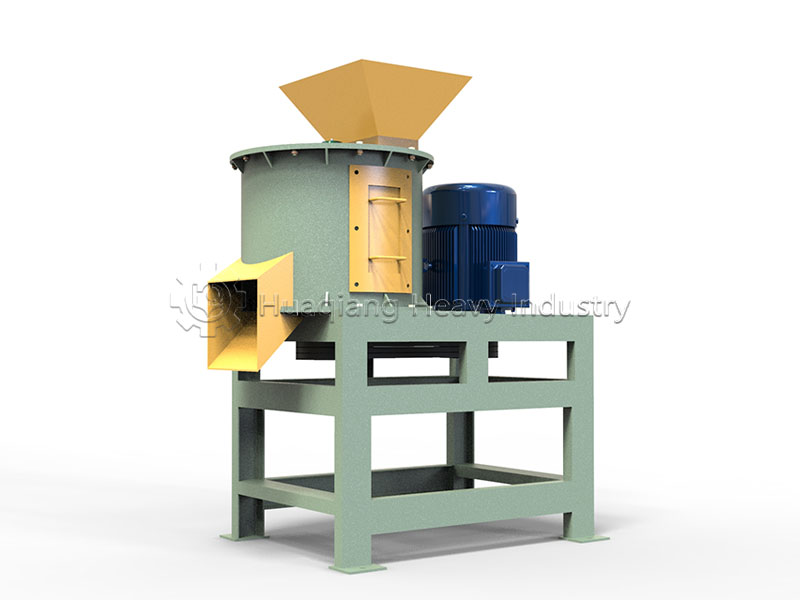
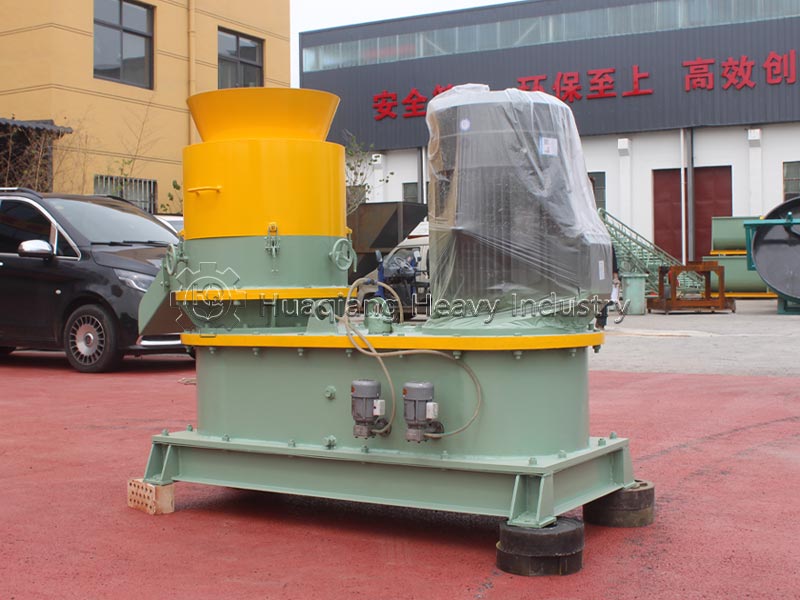
Chain crusher: From equipment structure to applications in medium-hard material crushing

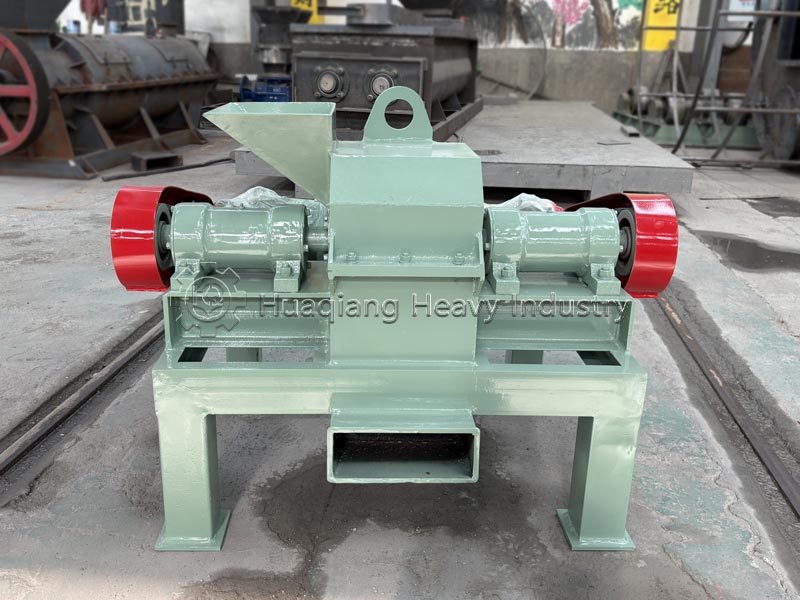
In agricultural organic fertilizer production and chemical raw material processing, selecting a suitable and efficient fertilizer crushing equipment is crucial. Chain crushers, with their excellent crushing capabilities for medium-hard materials, have become the first choice for many companies. To choose the right equipment, it’s essential to first understand the structure of the chain crusher and then determine its suitability based on your specific needs.

The chain crusher’s structure and components work together to support its stable operation: a robust steel chassis withstands impact vibrations during crushing, protecting the internal rotor assembly; the rotor’s main shaft, chain, and hammers are the core of the crushing process, directly affecting crushing efficiency; adjustable-aperture screens allow for flexible control of the output particle size to meet different production requirements; the inlet and outlet design ensures smooth material flow, while protective devices safeguard operational safety. Understanding these structural elements helps companies determine whether the equipment meets their production intensity and safety standards during the selection process.

As a high-efficiency fertilizer crusher, two points need to be considered when selecting a chain crusher: First, the characteristics of the material. If it is necessary to process medium-hard materials or materials with a certain degree of moisture and stickiness, the adaptability advantage of the chain crusher can be fully utilized. Second, the production capacity requirements. Combine the parameters such as the motor power and rotor speed of the equipment to match your own production scale. Choosing the right organic fertilizer production equipment can not only improve the efficiency of material pretreatment, but also lay a stable foundation for subsequent production processes, helping enterprises reduce costs and increase efficiency.

Key equipment maintenance for NPK blending fertilizer production lines

The NPK blending fertilizer production line is the core of compound fertilizer production. The condition of its equipment directly affects product quality and production efficiency. Proper, science-based maintenance not only cuts unplanned downtime but also significantly extends equipment life and lowers production costs.

1.Raw Material Pretreatment System

Fertilizer crushers and screening equipment are the front-end critical units. Poor maintenance here causes problems later. Check hammer heads and screen mesh wear weekly. Replace them when wear reaches one-third of the original thickness. Clean out leftover material inside the equipment thoroughly after each day’s production to prevent caking and corrosion.

2.Mixing System

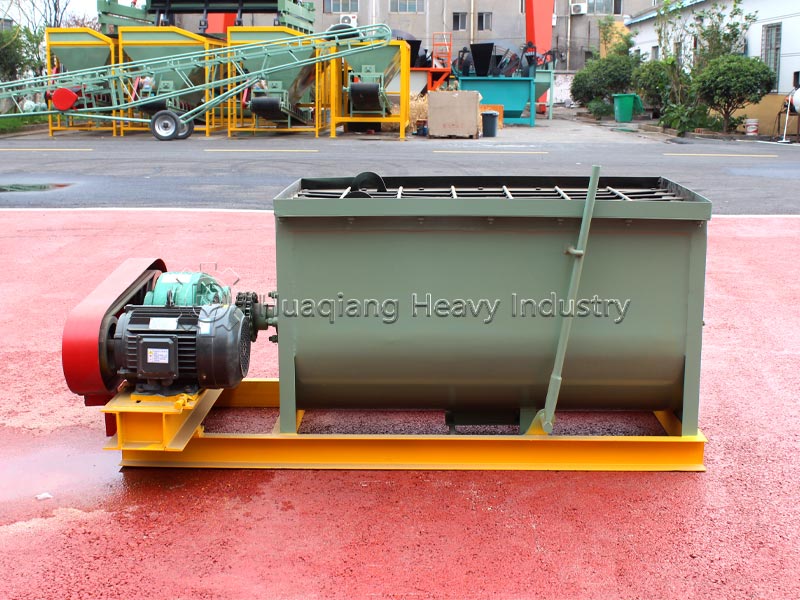
The double axis paddle mixer is the heart of blending. Pay special attention to paddle wear and shaft end seal condition. Measure the gap between paddles and the mixing chamber monthly. Adjust or replace paddles if the gap exceeds 5mm. Replace seals every six months to prevent lubricant leaks contaminating the product.

3.Packaging and Conveying Equipment

Automatic packing scales and belt conveyors directly impact packing accuracy and NPK blending fertilizer production line continuity. Calibrate packing scale sensors monthly using standard weights to keep weighing errors within ±0.2%. Check conveyor idler rollers quarterly for smooth rotation. Seized rollers significantly increase motor load.

Implementing these maintenance steps can greatly reduce equipment failure rates and boost the overall efficiency of the NPK blending fertilizer production line. This provides a solid foundation for stable product quality and controlled production costs.

Building the core strength for efficient and environmentally friendly fertilizer production

Under the general trend of green agricultural development, the demand for organic fertilizers is growing due to their ability to improve soil quality and enhance crop quality. Efficient organic fertilizer production equipment has become crucial for achieving large-scale and standardized production.

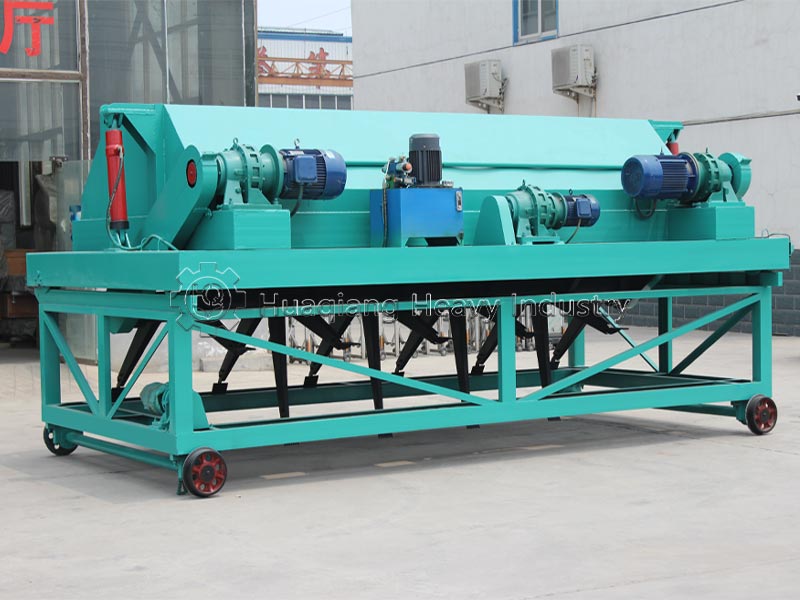
Organic fertilizer production equipment comes in a wide variety of types, covering the entire production process. Among them, the organic fermentation compost turning machine is the core of the initial stage. It can regulate temperature and aeration by turning the fermented materials, accelerating the decomposition of raw materials such as straw and livestock manure, preventing odor generation, and laying a high-quality foundation for subsequent production. In the processing stage, the fertilizer crusher can crush the decomposed materials to a uniform particle size, solving the problem of clumping; subsequently, the fertilizer mixer machine can accurately mix various auxiliary materials to ensure balanced nutrition in the organic fertilizer.

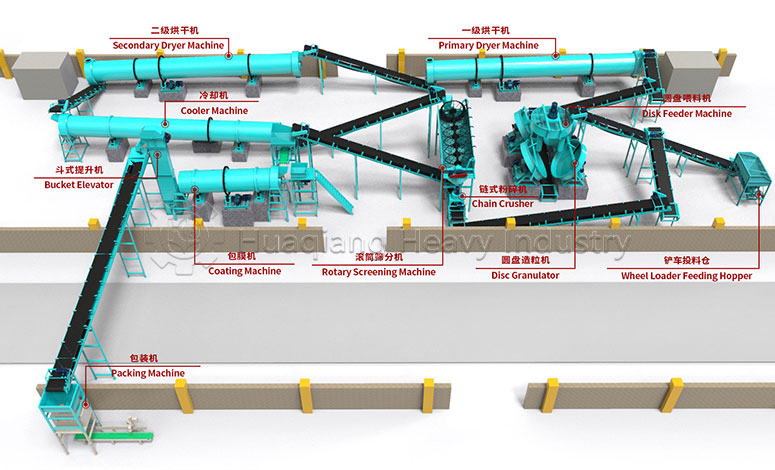
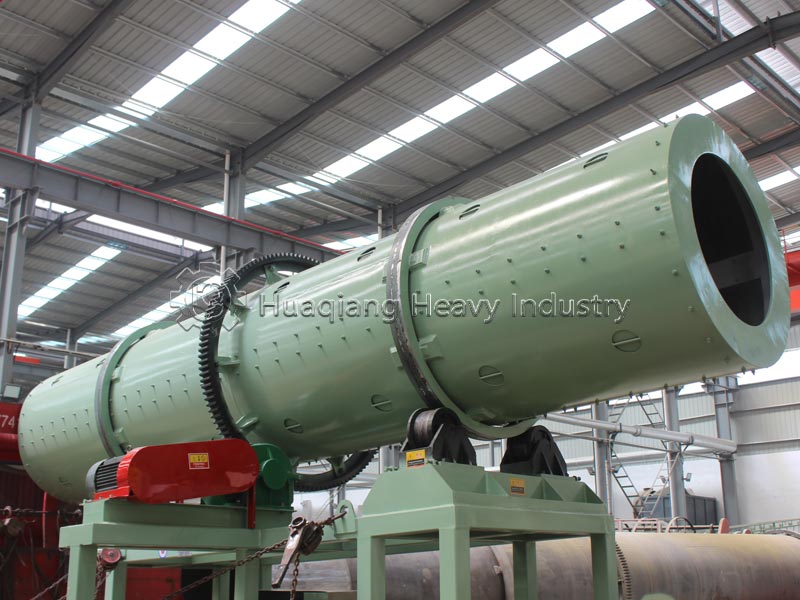
The granulation stage relies on organic fertilizer granulators, such as disc granulators and rotary drum granulators, which can process the mixed materials into granules. This not only facilitates storage and transportation but also controls the nutrient release rate. After granulation, the fertilizer dryer and cooler work together to remove moisture from the granules and stabilize their shape. The fertilizer screener machine then screens out products of the qualified particle size, and unqualified particles can be crushed and reused, reducing waste. Finally, the fertilizer packaging machine achieves automated quantitative packaging, improving production efficiency.

When choosing organic fertilizer production equipment, it is necessary to consider your own production capacity needs and raw material characteristics. For example, small farms can choose compact single-unit equipment, while large production enterprises are suitable for complete organic fertilizer production lines. High-quality equipment can not only increase output but also reduce energy consumption and pollution, meeting environmental protection requirements.

Core supporting equipment for bio-organic fertilizer production lines

Under the trend of green agricultural development, the intelligent and efficient operation of bio-organic fertilizer production lines has become a goal pursued by the industry. As a key piece of equipment in bio-organic fertilizer production, the fertilizer crusher’s performance directly impacts the final quality and production efficiency of organic fertilizers. Whether for the reuse of agricultural waste or large-scale organic fertilizer production, it plays an irreplaceable and crucial role.

The fertilizer crusher boasts strong adaptability, capable of processing various raw materials such as straw, livestock and poultry manure, and composted materials, perfectly addressing the shortcomings of traditional crushing equipment in handling wet and mixed materials. In the bio-organic fertilizer production line, it connects the raw material pretreatment stage, crushing large raw materials into uniform particle sizes. This not only increases the contact area between the material and microorganisms, improving subsequent fermentation efficiency, but also lays a solid foundation for the subsequent granulation process, avoiding problems such as poor particle formation caused by uneven raw material particle size.

As one of the core pieces of bio-organic fertilizer equipment, it can be used in conjunction with chain crushershorizontal crushers, and other equipment, flexibly adapting to different production needs such as bio-organic fertilizer production lines and NPK fertilizer production lines. By adjusting crushing parameters according to different raw material characteristics, it can precisely control the output particle size, meeting the production requirements of various fertilizer products such as powder fertilizers and granular fertilizers.

For organic fertilizer production enterprises, a high-quality fertilizer crusher not only improves the overall production capacity of the production line but also offers the advantages of convenient maintenance and low energy consumption, helping enterprises reduce production costs.

A path to quality improvement and efficiency for small and medium-sized fertilizer enterprises

For small and medium-sized fertilizer enterprises, the performance of NPK fertilizer production lines directly determines their market competitiveness. Choosing the right compound fertilizer production equipment and optimizing production processes are crucial for reducing costs and increasing efficiency. Many companies have achieved a transformation from “extensive production” to “precise and efficient production” by upgrading their production lines.

The core of upgrading production lines for small and medium-sized fertilizer enterprises is to balance practicality and cost-effectiveness. A basic NPK fertilizer production line requires essential equipment: in the raw material processing stage, a fertilizer crusher can crush large pieces of phosphate rock, potash fertilizer, and other raw materials to a suitable particle size, and a precise batching system can prevent deviations in nutrient ratios; a fertilizer mixer machine is used in the mixing stage to ensure uniform mixing of nitrogen, phosphorus, potassium, and auxiliary materials, laying the foundation for subsequent granulation. A fertilizer granulator can be selected based on production capacity. Subsequent drying, cooling, and coating machines, and fertilizer screener machines can screen out qualified granules, and then an automatic packaging machine completes the packaging process, significantly reducing labor costs.

Process optimization is equally indispensable. A high-quality NPK fertilizer granulation process can improve the finished product qualification rate. Automated compound fertilizer production is now mainstream; a simple PLC control system can monitor parameters such as drying temperature and granulation speed in real time, reducing human error.

Small and medium-sized fertilizer enterprises do not need to blindly pursue high-end equipment; they should choose a suitable solution based on their production capacity and product positioning. Prioritize manufacturers with comprehensive after-sales service to ensure that equipment problems can be resolved promptly.

Explanation of the production process of fertilizer granules processed by flat die pelleting machine

The flat die pelleting machine is a key piece of equipment in modern organic fertilizer production, valued by fertilizer manufacturers for its efficient and stable processing capability.

1.Raw Material Pre-treatment Stage

Ingredient Mixing: Raw organic materials (like livestock manure, straw) and additives (like bentonite, microbial agents) are mixed according to the recipe. Moisture content is usually maintained at 30-40%.

Crushing: A fertilizer crusher grinds the mixture to a particle size of 3-5mm, ensuring uniformity for the next step.

2.Core Granulation Process

Feeding System: Pre-treated material is evenly fed into the flat die pelleting machine’s inlet via conveyor belt. Feed rate is typically 2-3 tons per hour (depending on the machine model).

Compression Molding: Under vertical pressure, the material is forced through holes in the flat die (usually 4-8mm in diameter). The gap between the rollers and flat die is kept at 0.1-0.3mm, with working pressure maintained between 8-15MPa.

Cutting: Rotating knives cut the extruded material into standard pellets, 5-15mm long.

3.Post-processing

Initial Drying: The newly formed pellets enter a dryer. Temperatures are kept at 60-80°C to reduce moisture content below 15%.

Cooling and Screening: After cooling, a vibration screener machine separates out qualified pellets (typically within ±1mm diameter tolerance). Unqualified pellets go back for re-granulation.

Coating: An anti-caking coating can be applied as needed to improve storage stability.

Flat die pelleting machines are especially suitable for small-to-medium organic fertilizer plants due to their simple structure, strong adaptability, and low energy consumption. Optimizing these production stages significantly improves pellet formation rate and product quality while lowering production costs.

From equipment to process, how to choose the right NPK fertilizer production line?

In the process of agricultural modernization, the demand for high-quality compound fertilizers has surged, making NPK fertilizer production lines core equipment for fertilizer companies expanding production. However, faced with a variety of equipment and processes, choosing a production line that suits their specific needs is a challenge for many industry professionals.

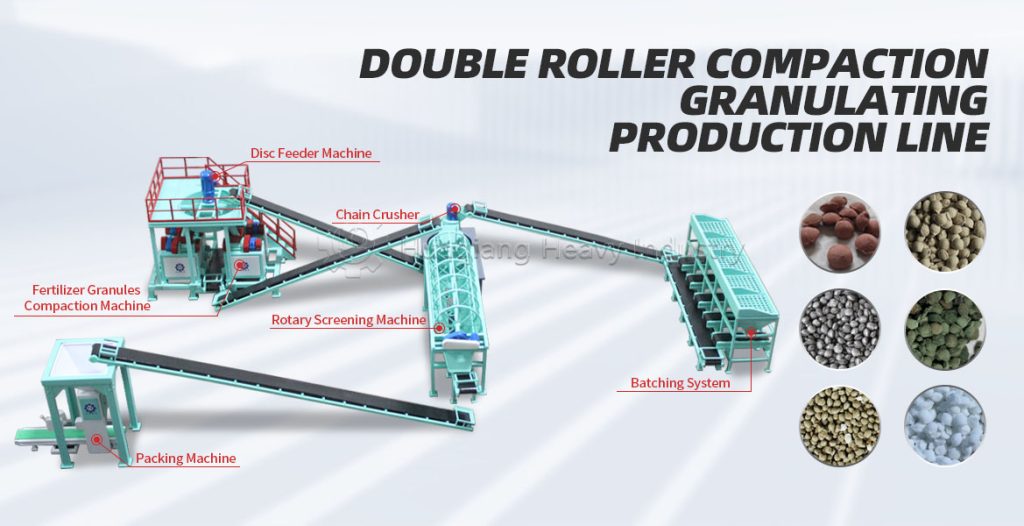
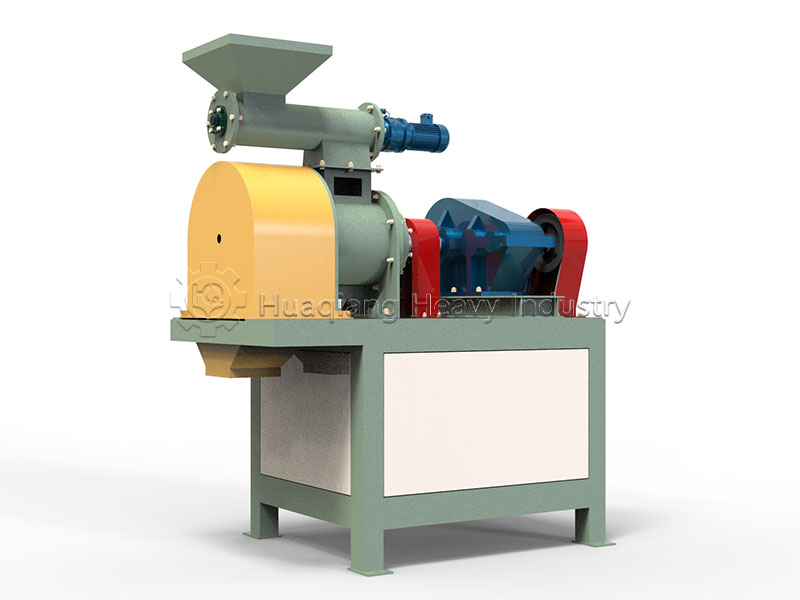
First, let’s look at the core equipment configuration. A complete NPK fertilizer production line needs to cover key stages such as raw material processing, mixing, granulation, drying, and cooling. In the raw material processing stage, a fertilizer crusher can crush large raw materials to a suitable particle size, and with a precise batching system, the proportion of nitrogen, phosphorus, and potassium components can be strictly controlled; for the mixing stage, a fertilizer mixer machine is recommended, and a double shaft paddle mixer can achieve a raw material mixing uniformity of over 95%; granulation is the core process, with disc granulators suitable for small and medium-sized capacities, while double roller press granulators are suitable for high-hardness granule requirements, and companies can choose according to their needs. Subsequent drying, cooling, and coating machines, along with fertilizer screener machines, ensure that the finished granules are uniform and have a qualified moisture content, and finally, automatic packaging is achieved through packaging machines, improving production efficiency.

At the process level, automation is key. A high-quality NPK fertilizer granulation process requires a PLC control system for full monitoring, precisely adjusting parameters from raw material proportioning to drying temperature, ensuring stable nutrient content in the finished product and reducing energy consumption. Choosing the right NPK fertilizer production line is not just about purchasing a set of equipment, but also laying the foundation for the long-term development of the enterprise. Combining capacity, finished product requirements, and manufacturer services will allow the production line to truly become a profit engine.

Facilitating efficient organic fertilizer production and promoting green agricultural development

In the field of organic fertilizer production, a highly efficient and reliable granulation equipment is crucial, and the organic fertilizer disc granulator is a highly favored choice. As the core organic fertilizer granulation equipment, it can accurately convert fermented organic raw materials such as livestock and poultry manure and straw into granular organic fertilizer, injecting strong momentum into green agricultural development.

The organic fertilizer disc granulator offers significant advantages. Its granulation rate exceeds 95%, far surpassing ordinary granulation equipment. The main gear is treated with high-frequency quenching, doubling its service life and reducing equipment replacement costs. The equipment adopts an inclined disc design, coupled with adjustable rotation speed and inclination angle, allowing it to adapt to different types of organic raw materials. Whether the material is powdery or slightly viscous, it can be efficiently granulated, fully demonstrating its strong material adaptability.

From a workflow perspective, it is simple and scientific to operate. First, the organic raw materials are pre-processed, crushed to a particle size of 0.1-1mm and thoroughly mixed, and then evenly fed into the disc by the feeding device. At the same time, the water spraying device precisely sprays an appropriate amount of water to maintain the material’s moisture content at 10%-20%. As the disc rotates, the materials tumble and bond under the action of centrifugal force, friction, and gravity, gradually forming granules with a sphericity exceeding 80%. Finally, after screening, unqualified granules are returned for reprocessing, ensuring the quality of the finished product.

This equipment is not only suitable for small and medium-sized organic fertilizer production plants but can also be integrated into large-scale organic fertilizer disc granulation production lines, working in conjunction with supporting equipment such as fertilizer crushers, mixers, and dryers to build a complete organic fertilizer production equipment system. The resulting granular organic fertilizer has uniform nutrients, high strength, is easy to store and transport, and can also improve soil structure and enhance soil fertility.

Vibration screener machine: The core equipment for efficient screening in fertilizer production

In the fertilizer production process, material screening is a critical link that determines product quality. Vibration screener machines, with their high efficiency and precision, have become the equipment of choice for many manufacturers. As a core material screening device, it is not only suitable for the entire fertilizer production process but can also be widely used in mining, building materials, chemical industry, and other fields, providing solutions for material classification in multiple industries.

The core advantages of the vibration screener machine lie in its “efficiency” and “precision.” Its vibrating motor generates high-frequency vibrations, allowing materials to quickly complete projectile motion on the screen surface. Materials smaller than the screen mesh are precisely separated, achieving both classification and impurity removal, significantly improving production efficiency. Considering the specific requirements of fertilizer production, the equipment can be adjusted by changing the screen mesh size and vibration parameters to adapt to different materials, such as granular materials produced by fertilizer granulators and mixed materials after mixing in fertilizer mixers. The screening accuracy far exceeds that of traditional equipment.

At the same time, the sealed design of the equipment is also a significant advantage, effectively reducing dust leakage during fertilizer production, meeting environmental protection requirements and protecting the workshop environment. Its compact structure requires a small footprint and can be flexibly integrated with different production lines, such as NPK fertilizer production lines and organic fertilizer production lines, reducing the difficulty of workshop layout.

For fertilizer companies, choosing a high-quality vibration screener machine can not only improve product qualification rates but also reduce material waste, contributing to efficient production. Whether processing coarse materials after being processed by a fertilizer crusher or conveying qualified finished products to a packaging machine, the vibration screener machine, with its stable performance, is an indispensable key equipment in the fertilizer production chain.

Disc granulation: A key to formation in modern organic fertilizer production equipment

In modern organic fertilizer production, transforming fermented and decomposed powdery raw materials into uniform granules is a crucial leap in enhancing the product’s marketability and practical value. This process relies heavily on specialized organic fertilizer production equipment, and the selection and application of the organic fertilizer granulator directly determines the final product’s shape and quality.

In the granulation stage, the diversity of equipment technology provides flexible production options. Among them, the organic fertilizer disc granulator is highly favored for its unique working principle and visualized granulation process. This granulation method boasts a high pelletizing rate, good granule strength, and particle size controllable by adjusting the disc’s tilt angle and rotation speed, making operation intuitive and maintenance simple.

However, high-quality granulation begins with high-quality raw material pretreatment. Before the material enters the organic fertilizer disc granulator or other types of organic fertilizer granulators, the fertilizer crusher plays a vital “gatekeeper” role. It finely crushes any lumps or agglomerates, ensuring that the raw materials entering the granulation process are uniformly fine and loosely textured.

From the fine pretreatment by the fertilizer crusher to the precise shaping by the organic fertilizer disc granulator, the close coordination of these core organic fertilizer production equipment forms a highly efficient chain in the back-end processing of a modern organic fertilizer production line, greatly promoting the large-scale application and industrial upgrading of organic fertilizer.