How to Choose the Right Disc Granulator for Your Production Line

In fertilizer production lines, the choice of disc granulator directly impacts production capacity and product quality. Combining the technical specifications and application characteristics of Huaqiang Heavy Industry’s disc granulators, a sound selection requires focusing on four key dimensions.
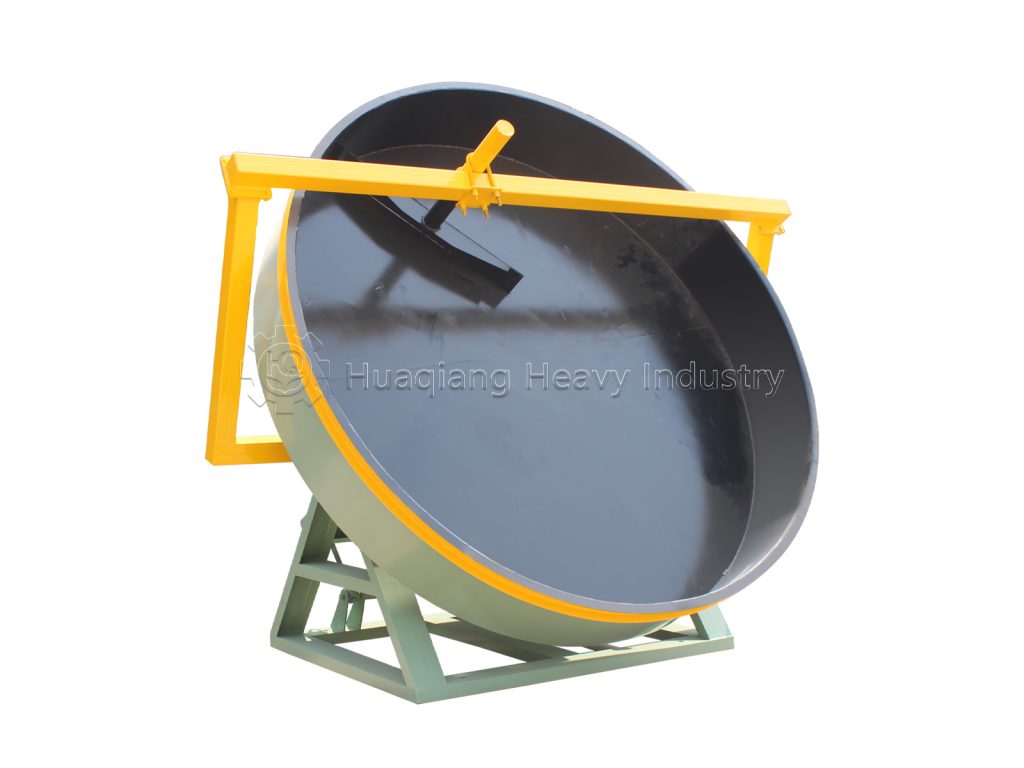
First, precisely matching production needs is crucial. Equipment requirements vary significantly across industries. For the fertilizer industry, when producing organic fertilizer, rubber or polyurethane-lined models are preferred to avoid corrosion and accommodate fermentable materials like livestock and poultry manure. The recommended rotational speed is 10-18 rpm to preserve organic matter activity. For inorganic compound fertilizer production, ensuring uniform feed distribution and a consistent mixing of nitrogen, phosphorus, and potassium is crucial. Production capacity selection should be based on specific parameters. For example, a small workshop with an hourly production capacity of 0.05-0.15 tons should choose the ZL-500 model, while a large factory with a production capacity of 3.5-6 tons should opt for the ZL-3600 model. A 10%-15% capacity margin should be reserved to account for seasonal fluctuations.

Second, pay close attention to the core configuration details of the equipment. The drive system determines operational stability. For example, the ZL-3600 model, equipped with an 18.5kW motor and a 10r/min speed, can accommodate high-load granulation needs. The disc inclination angle should be adjustable from 30° to 60°, allowing for flexible adjustment based on material viscosity. For example, highly viscous mineral powders require a larger inclination angle of around 50° to reduce wall sticking. The water spray system should be equipped with multiple sets of adjustable nozzles to ensure a stable moisture content of 10%-20% to prevent loose particles and agglomeration. This is crucial for the strength of fertilizer pellets and the quality of metallurgical mineral powder pellets.

Furthermore, a comprehensive assessment of the manufacturer’s capabilities is crucial. Prefer companies like Huaqiang Heavy Industry that have comprehensive production capabilities. Their 12 disc granulator models cover varying production capacity requirements and allow customers to visit their factory for a firsthand understanding of the equipment’s production processes and quality control procedures. Also, consider whether the manufacturer offers customized services.

Finally, prioritize after-sales service and supporting support. Confirm whether the manufacturer offers free installation, commissioning, and operator training to prevent production disruptions caused by improper operation. Equipment packaging must meet transportation standards, such as packaging the main unit bare to minimize impacts and plywood boxes for electrical components. Customized wooden boxes can be used for special transportation needs. Furthermore, the inventory cycle and warranty policy for consumable parts such as nozzles and inner linings must be clearly defined to ensure long-term stable operation of the equipment and reduce future maintenance costs.
Half-wet material crusher: A key equipment for solving the challenge of handling high-moisture materials

Crushing high-moisture materials has long been a thorny issue in industries such as agriculture, environmental protection, and the chemical industry. Traditional dry crushers often clog and inefficiently process materials like wet straw, organic fertilizer, and wet garbage, severely impacting production progress. The advent of the half-wet material crusher has revolutionized this situation.

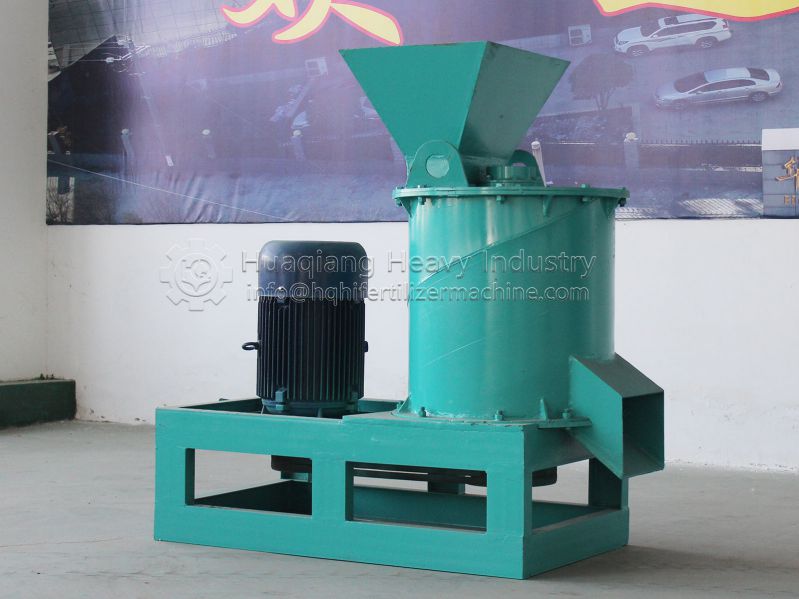
The half-wet material crusher is designed specifically for handling materials with a certain degree of moisture content and effectively addresses the crushing needs of high-moisture materials. Its unique structural design and anti-clogging device prevent material from clumping during the crushing process. Whether it’s wet straw generated in agricultural production, wet garbage disposal in the environmental protection sector, or specialized wet raw materials in the chemical industry, the half-wet material crusher can perform stable and efficient crushing operations, laying a solid foundation for subsequent processing.

In practical application, the half-wet material crusher, with its wide adaptability, has become a vital piece of equipment across multiple industries. It not only improves material handling efficiency but also reduces equipment failures and maintenance costs, making it a key contributor to the resourceful utilization of high-moisture materials.

Large wheel compost turner: A powerful tool for solving the fermentation challenges of raw materials

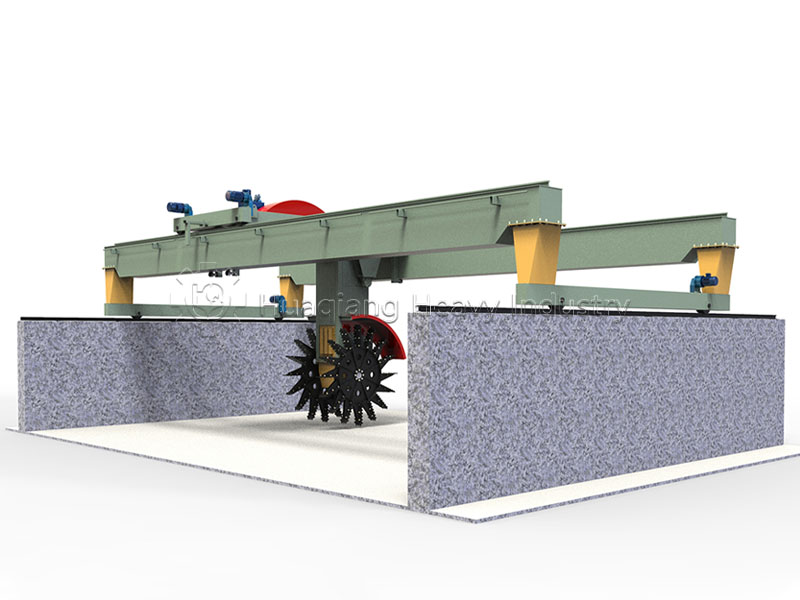
In organic fertilizer production, raw material diversity often presents a challenge for companies. Large wheel compost turners, with their robust adaptability, are a key piece of equipment for addressing this challenge. They can efficiently process a variety of raw materials, including livestock and poultry manure, crop straw, and industrial organic waste, serving diverse agricultural, industrial, and municipal sectors.

For livestock and poultry manure like chicken and pig manure, its powerful turning capacity quickly breaks down compacted layers and kills pathogens and parasite eggs through high-temperature fermentation. With a daily processing capacity of hundreds of tons, it easily meets the needs of large-scale livestock farms.

When processing corn and wheat straw, the equipment shreds bundles of straw and evenly mixes it with manure, promoting cellulose degradation and eliminating pollution from straw burning.

For industrial waste materials such as lees from alcohol factories and dregs from traditional Chinese medicine factories, large wheel compost turners continuously turn and reduce moisture content, contributing to the resource utilization of industrial waste.

Furthermore, municipal sewage sludge that meets heavy metal standards and litter from urban landscaping can also be converted into safe organic fertilizer. With the large wheel compost turner, companies no longer need to configure separate equipment for different raw materials, significantly reducing production costs.

Rotary drum granulator: The efficiency champion of organic fertilizer production

In organic fertilizer production, the rotary drum granulator, with its outstanding performance, has become a core piece of equipment. It utilizes the tumbling and collision of materials within the rotating drum, combining the material’s inherent viscosity with an external binder to efficiently form granules at an optimal humidity, effectively solving the challenges of forming powdered and fine-grained materials.

Furthermore, the application range of the rotary drum granulator extends far beyond the organic fertilizer industry. In the chemical industry, it can be used to granulate raw materials such as catalysts and adsorbents; in food processing, it can produce instant powders and seasoning granules; and in the pharmaceutical industry, it is a key piece of equipment for preparing raw materials for medicinal granules and tablets.

A key feature is its strong adaptability, allowing it to process materials of varying properties, particle sizes, and moisture levels. Furthermore, its continuous production design ensures uninterrupted material feeding and granule output, significantly improving production efficiency. For companies seeking high efficiency and diverse applications, the rotary drum granulator is undoubtedly an ideal choice.

Rotary drum granulator production

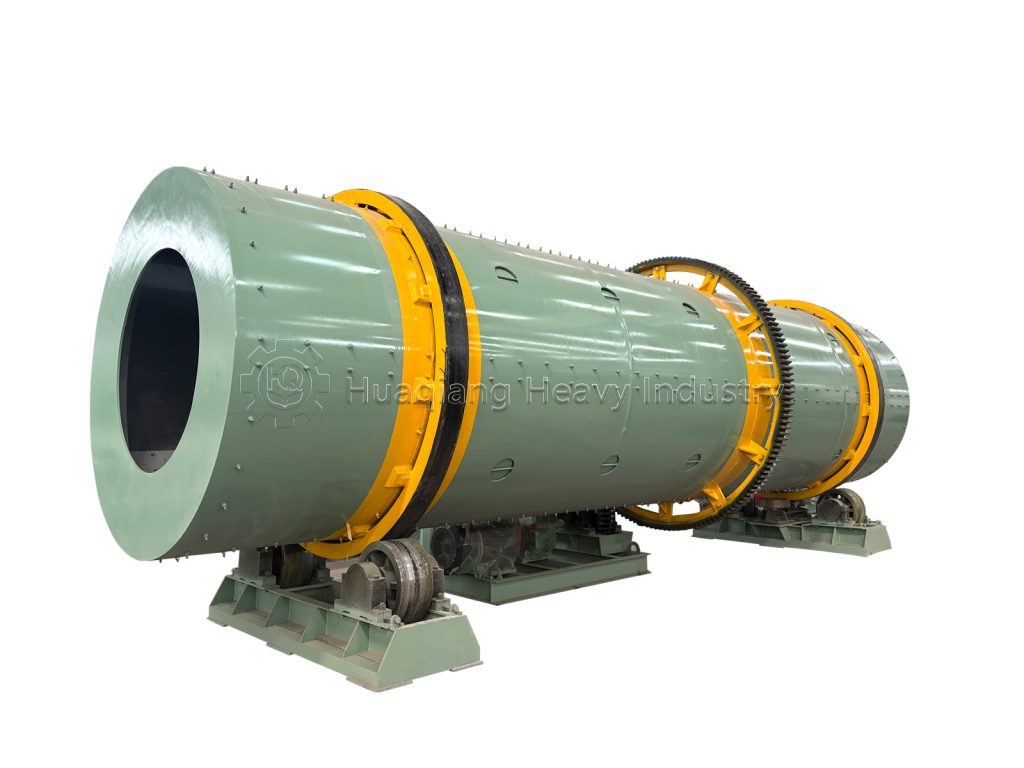
The rotary drum granulator machine is designed for producing the organic fertilizer granulator or inorganic fertilizer granulator.How can we use the rotary drum granulator machine to finish the fertilizer production process?

Different type fertilizer granulator machine are designed for producing the organic or inorganic fertilizer granulator.Different type fertilizer granulator machine has different working principle.The rotary drum granulator machine is designed for producing the organic or inorganic fertilizer granulator.There we share the principle of the working principle with you.
The drum granulation is a method of mixing and granulating powdery basic fertilizer with drum granulator,which is widely used in the granulation of compound fertilizer.The series of rotary drum granulator machine is designed for not only used in the compound fertilizer manufacturing process,it also can be used in the organic fertilizer manufacturing process to produce the organic fertilizer granulator.

The principle of the rotary drum granulator:First of all,the basic fertilizers are screened separatedly,and the screened materials are crushed by the crusher before screening.The material under the screen is sent to the respective hopper.When the pelletilizing system is in operation,each basic fertilizer is fed into the feed hopper through the metering equipment,conveying equipment and lifting equipment according to the proprtion requirements from each hopper at the same.At the same time,the return material also enters the hopper together with the basic fertilizer through the lifting equipment.There is a certain degree of mixing between the basic fertilizer and the returned material in the process of transportation and lifting,but it is more ideal to add a mixing equipment.The mixture in the feed hopper is fed to the rotary drum granulator at a certain feeding speed.At the same time,in the fertilizer manufacturing process,saturated steam is properly introduced into the bottom of the material layer,which not only improves the temperature of the material,but also makes the material wetted,which is conducive to granulation.If necessary,sprinkle a small amount of water or fertilizer solution on the material to maintain the best liquid volume of material granulation.The material forms a rolling bed by the friction action of the rotary drum granulator.The extrusion pressure generated by the rolling makes the material with certain liquid phase agglomerate into small particles.These small particles become the core,and the surrounding powder adheres to form large particles.As the drum granulator generally inclines to the discharge end at a certain angle,the granular material slowly rolls to the discharge port along the inclined direction of the cylinder while rotating with the cylinder.Qualified particles leave the drum granulator and enter the dryer for drying,and then pass through screening,cooling,coating,packaging and storage.After crushing,the upper part of the screen and the loweer part of the screen will be sent to the hopper as the return material and the basic fertilizer will be granulated at the same time.In the granulating process,we are besides the granulating method to be used to produce the fertilizer granulator,there is also designed the flat die granulator machine and the roller press granulator machine which are suitable for using the extrusion method to produce the fertilizer granulator.

In different type fertilizer production line,it is equipped with different type organic fertilizer machine,which are suitable for producing the organic fertilizer granulator,and the inorganic fertilizer granulator,which it is equipped in the compound fertilizer production line to produce the compound fertilizer granulator.In the fertilizer manufacturing process,using different type fertilizer machines to finish the fertilizer manufacturing production process not only improve the working efficient,it also save the waste of the raw materials.


How to improve the pelletizing rate of NPK fertilizer production

NPK compound fertilizer is characterized by simple composition, high nutrient content, low dosage, quick fertilizer effect, convenient application, transportation and storage, and rapid improvement of yield and quality. In order to produce large quantities of high-quality compound fertilizer, the first step is to produce good fertilizer granules.

The main factors influencing NPK fertilizer production line are as follows:

  • Production equipment;
  • Process technology;
  • Physical and chemical properties of raw materials;
  • Production formula and added conditioner;
  • Air temperature and air volume at the outlet of the dryer;
  • Temperature and liquid phase quantity of granulating materials;
  • Material flow;
  • Material return ratio;
  • Quality of operators;
  • Climatic conditions.

Only by integrating the above factors into making fertilizer granules, can we produce NPK fertilizer with high yield and good quality, one of which is indispensable.

NPK fertilizer production line


1. Improving the performance of NPK fertilizer production equipment is the basis

Choose qualified production equipment, choose well-equipped, complete test means, reliable product quality manufacturers, under the guidance of experienced personnel to buy, late equipment management and maintenance personnel to have a certain professional level. Zhengzhou Huaqiang Co.Ltd are leading agricultural fertilizer machine manufacturer in China. We has strong technical strength in fertilizer machines. All of our products comply with international quality standards and greatly appreciated in a variety of different markets throught the world.


2. Choosing ammonium phosphate with good viscosity as raw material is the premise

The pelletization of NPK fertilizer mainly depends on the viscosity of ammonium phosphate and conditioner, and the poor viscosity of ammonium phosphate directly affects the pelletization rate of compound fertilizer. Therefore, when purchasing ammonium phosphate, we should consider not only nutrient content and price, but also its viscosity. From the actual production experience, the viscosity of diammonium phosphate is better than that of monoammonium phosphate.


3. Ensuring the fineness of raw materials and feedbacks is essential

The finer the powder of the raw material, the better the viscosity of the material, the more important it is to improve the efficiency of the crusher

Chain crusher to help make the big granules into the fine powder and get back to fertilizer granulator machine. It is simple and compact in structure, cover small area, easy maintenance such characters, crushing effect is good, smooth operation, easy to clean.


4. Material mixing is an important measure to improve the NPK fertilizer production line efficiency

The material is mixed evenly, on the one hand, the mixer mixes the fresh material evenly, on the other hand, the mixer combines the returned material and the fresh material evenly. Because the fine powder in the returned material is mostly potassium and nitrogen with poor viscosity, it is the material that is least likely to form into a ball, while the fresh material has better viscosity and is easy to form into a large ball in production. Mix the two thoroughly to prevent the formation of large balls and too much powder.


5. Suitable moisture and pelletizing temperature are the key

Only when the temperature and water content of granulating materials are adjusted to the optimal point can the granulation area be ensured to be normal.

The disc fertilizer granulator is suitable for the production with small yield, and the rotary drum granulator is suitable for the mass production of NPK fertilizer. Addition of moisture during granulation requires certain experience of operators.


6. Suitable air volume and stable furnace temperature are the preconditions

The size of the air volume directly affects the drying effect, the air volume in the dryer, the drying effect is good. If the air volume is too large, it is easy to extract the powder in the simplified body, and the wind speed should be less than 2m/s. Best cooling head end temperature difference is about 100℃, the import and export temperature cannot frequent adjustment. When urea is used as nitrogen source, the temperature should be determined according to the amount of urea. The more urea is used, the lower the drying operation temperature will be.

How to Preventing Caking from the NPK Fertilizer Production Process

NPK compound fertilizer is prone to cake because of its strength, moisture content, storage and so on. This article will introduce how to prevent caking from the process operation of NPK fertilizer production process.


NPK fertilizer production equipment produce products with smooth and uniform particles

Non-uniform particles, too many fine particles, non-smooth fertilizer, the compressive resistance, wear resistance is also poor, easy to be compressed and deformed in storage and transportation. The contact area between particles increase, which is easy to agglomerate. In order to produce products with uniform and smooth particle size, appropriate fertilizer granulator machine should be selected. Disc granulator and rotary drum granulator can produce moderate size particles and meet the requirements. If there is a higher requirement for the shape of the particles, it can also be combined with the ball shaping machine to polish the particles to ensure that the shape is qualified.

fertilizer granulator machine

Strengthening the control of screening machine

In order to ensure the consistency of particle size and reduce the caking of powder, it is necessary to screen particles with the rotary drum screener machine. According to the particle size of the product, different screens can be selected, and secondary screening can be selected in the process. Pay attention to the material screening in production, timely clean the screen.


Dryer reduces product water content

NPK compound fertilizer has a high water content, which will lead to salt reaction and cause hardening. The higher the water content, the easier the particles to agglomerate. Therefore, the NPK compound fertilizer production line must use a dryer to reduce the moisture content to the allowable range.

After the particle is dried by the dryer, the temperature is higher and the hygroscopicity effect will appear, so it needs to be cooled. The cooler reduces the material temperature to room temperature, and the product can be saved.


Coating treatment is used in NPK fertilizer production process

Choose the suitable material and use the fertilizer coating machine to coat the particles. At the same time, pay attention to the amount of wrapping agent added. The amount of wrapping agent added is small, the particles are not wrapped completely, the effect is poor; the amount of adding is large, the wrapping oil will infiltrate into the inside of the NPK fertilizer, and the product is easy to cake.

The principle of rotary drum granulator

Different type fertilizer granulator machine are designed for producing the organic or inorganic fertilizer granulator.Different type fertilizer granulator machine has different working principle.The rotary drum granulator machine is designed for producing the organic or inorganic fertilizer granulator.There we share the principle of the working principle with you.
The drum granulation is a method of mixing and granulating powdery basic fertilizer with drum granulator,which is widely used in the granulation of compound fertilizer.The series of rotary drum granulator machine is designed for not only used in the compound fertilizer manufacturing process,it also can be used in the organic fertilizer manufacturing process to produce the organic fertilizer granulator.

New type organic fertilizer prodiction line

The principle of the rotary drum granulator:First of all,the basic fertilizers are screened separatedly,and the screened materials are crushed by the crusher before screening.The material under the screen is sent to the respective hopper.When the pelletilizing system is in operation,each basic fertilizer is fed into the feed hopper through the metering equipment,conveying equipment and lifting equipment according to the proprtion requirements from each hopper at the same.At the same time,the return material also enters the hopper together with the basic fertilizer through the lifting equipment.There is a certain degree of mixing between the basic fertilizer and the returned material in the process of transportation and lifting,but it is more ideal to add a mixing equipment.The mixture in the feed hopper is fed to the rotary drum granulator at a certain feeding speed.At the same time,in the fertilizer manufacturing process,saturated steam is properly introduced into the bottom of the material layer,which not only improves the temperature of the material,but also makes the material wetted,which is conducive to granulation.If necessary,sprinkle a small amount of water or fertilizer solution on the material to maintain the best liquid volume of material granulation.The material forms a rolling bed by the friction action of the rotary drum granulator.The extrusion pressure generated by the rolling makes the material with certain liquid phase agglomerate into small particles.These small particles become the core,and the surrounding powder adheres to form large particles.As the drum granulator generally inclines to the discharge end at a certain angle,the granular material slowly rolls to the discharge port along the inclined direction of the cylinder while rotating with the cylinder.Qualified particles leave the drum granulator and enter the dryer for drying,and then pass through screening,cooling,coating,packaging and storage.After crushing,the upper part of the screen and the loweer part of the screen will be sent to the hopper as the return material and the basic fertilizer will be granulated at the same time.In the granulating process,we are besides the granulating method to be used to produce the fertilizer granulator,there is also designed the flat die granulator machine and the roller press granulator machine which are suitable for using the extrusion method to produce the fertilizer granulator.


In different type fertilizer production line,it is equipped with different type organic fertilizer machine,which are suitable for producing the organic fertilizer granulator,and the inorganic fertilizer granulator,which it is equipped in the compound fertilizer production line to produce the compound fertilizer granulator.In the fertilizer manufacturing process,using different type fertilizer machines to finish the fertilizer manufacturing production process not only improve the working efficient,it also save the waste of the raw materials.

How to maintain the fertilizer granulator machine?

The organic fertilizer production line is generally divided into two processes of fermentation and granulation. The fertilizer granulator machine plays an important role in the whole organic fertilizer production process. The quality of granulation also affects the quality and shelf life of organic fertilizer granules, thus affecting the selling price.

In the NPK fertilizer production line, the fertilizer granulator machine plays an equally important role, which is very important for the production quality of fertilizer granules. Therefore, we usually need to do maintenance work.

fertilizer granulator machine

The fertilizer granulator machine is divided into a drum granulator, a tooth granulator, a flat die granulator, a disc granulator, etc. Although the working principle is different, the daily maintenance method is basically the same, as the equipment is really damaged, it is needed. Looking for professionals to come to repair, we do the purpose of daily maintenance of organic fertilizer granulator, which is to reduce and avoid equipment damage and affect the economic losses caused by organic fertilizer production operations. So how the organic fertilizer granulator should be maintained in daily use?

Fertilizer granulator machine maintenance method:
1. Keep the work site clean. Every time the organic fertilizer equipment is tested, the granulated leaves and the residual rubber sand inside and outside the granulating pot should be thoroughly removed, and the rubber sand and the fly-filled materials scattered and splashed on the organic fertilizer equipment should be cleaned. Wipe the machine surface exposed to the outside, apply anti-rust paint, and put on the corresponding cover to prevent secondary intrusion of dust.

2. The organic fertilizer equipment has no external oiling holes, and the gears and worm gears are lubricated with special butter for organic fertilizer equipment. The upper gear and the lower gear should be added with three times of butter per season. When refueling, the moving gear box cover and the transmission gear cover can be opened separately. Oil lubrication should always be dripped between the sliding gear box and the sliding surface of the bracket hinge. The worm gear box and bearing are shipped with the transmission butter, but the gearbox machine should be thoroughly cleaned once every one year of use, replacing all protective lubricants.

3. Always pay attention to the operation of the equipment, there should be no serious noise, and there should be no metal friction sound. If abnormality is found, stop using it immediately, check it, and use it after troubleshooting. If there is metal friction, check the gap between the organic fertilizer equipment.

4. Always check the standard gap between the devices.

5. When the equipment is overhauled, the working gap should be re-measured each time and adjusted several times to meet the standard before continuing to use.

6. If the device controller cannot be operated, check the power supply voltage, power socket, connection plug, etc., and check the internal fault of the controller.

Other article for reference:The working principle of the disc granulator in the fertilizer production line

How to select fertilizer granulator suitable for compound fertilizer production

Solid compound fertilizer granules are more effective than other fertilizers in use and soil, and are widely welcomed in the market. Fertilizer granulation is a basic treatment method in fertilizer production. Fertilizer granulator machine mixes different fertilizers into granules, which plays an important role in NPK fertilizer production line.

Basic fertilizers such as ammonium bicarbonate, urea, ammonium chloride, ammonium nitrate, ammonium sulfate, ordinary superphosphate, calcium magnesium phosphate, ingot phosphate, heavy superphosphate, potassium chloride, potassium sulfate, phosphate nitrate, dicalcium phosphate, potassium nitrate and so on are proportionally compounded to make the compound fertilizer we need, which is granulated by fertilizer granulator. Granulation is the granulation of fertilizer containing water. In NPK fertilizer production equipment, the commonly used fertilizer granulator machine includes double roller fertilizer granulator, rotary drum granulator and disc fertilizer granulator.

Fertilizer granulator machine granulates by agglomeration

The working principle of drum granulator and disc granulator is similar. When urea, calcium superphosphate, ammonium sulfate, ammonium phosphate, ammonium nitrate, potassium fertilizer and other fertilizers are mixed, they are aggregated into compound fertilizer granules through granulation operation. Rotary drum granulator and disc granulator are suitable for granulation of various ingredients, and the obtained granules are of good quality and high granulation rate of materials.

The main body of the rotary drum granulator is a horizontal drum. The drum is driven by motor, reducer and gear, which is supported by wheel and rollover. The drum granulator has strong production capacity, long material residence time and good granulation effect.

The main body of the disc granulator is a slightly inclined disc, which continuously rolls to complete granulation. In the production of disc fertilizer granulator, the production situation can be seen directly, which is convenient to observe and adjust in time, and the granulation rate of compound fertilizer is high.

Fertilizer granulator machine granulates by extrusion

The double roller fertilizer granulator makes the material into granules by extrusion method. The water content is not higher than 15%, and the materials with good fertilizer effect are mixed after mixing, and the material is strongly extruded by the roller press granulator, so that the molecular force between fertilizers acts and is extruded, and then the sheeted material is crushed into granular compound fertilizer.