Why is composting so popular? A comprehensive guide to its core benefits

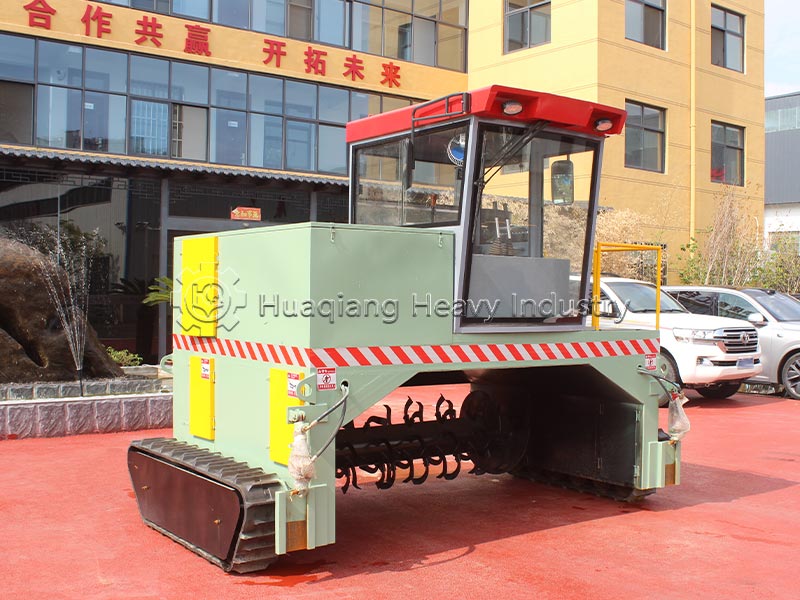
Composting is now popular worldwide, thanks to its multiple practical values and the support of organic fertilizer production lines and equipment. Among these, the organic fertilizer compost turning machine is the core equipment for large-scale composting, driving the transition from traditional manual methods to standardized production.

The most fundamental value of composting is the resource utilization of waste. Straw, kitchen waste, and livestock manure, after pretreatment by fertilizer production equipment, are accelerated through fermentation by the organic fertilizer compost turning machine, transforming into high-quality organic fertilizer. This turns waste into treasure, reducing pollution at the source and aligning with the concept of ecological recycling.
Compost plays an irreplaceable role in soil improvement. Compost processed according to standardized organic fertilizer production lines is rich in organic matter, improving soil compaction, enhancing aeration, water retention, and fertilizer retention capacity, activating soil nutrients, revitalizing barren soil, and adapting to various planting scenarios.

It is also a key support for green planting. Well-rotted compost is mild and non-irritating. After precise processing by fertilizer production equipment, its nutrients are more balanced, providing nourishment to crops while inhibiting harmful pathogens, reducing the use of pesticides and fertilizers, and contributing to the production of green agricultural products.

Economically, composting is inexpensive. Combined with organic fertilizer compost turning machines for large-scale production, fertilizer costs can be significantly reduced, while increasing the yield and quality of agricultural products. With its advantages of environmental protection, soil improvement, quality enhancement, and cost reduction, coupled with the support of professional equipment, composting has become a globally recognized ecological solution.
Fertilizer crusher solutions: High-efficiency production of organic and compound fertilizers

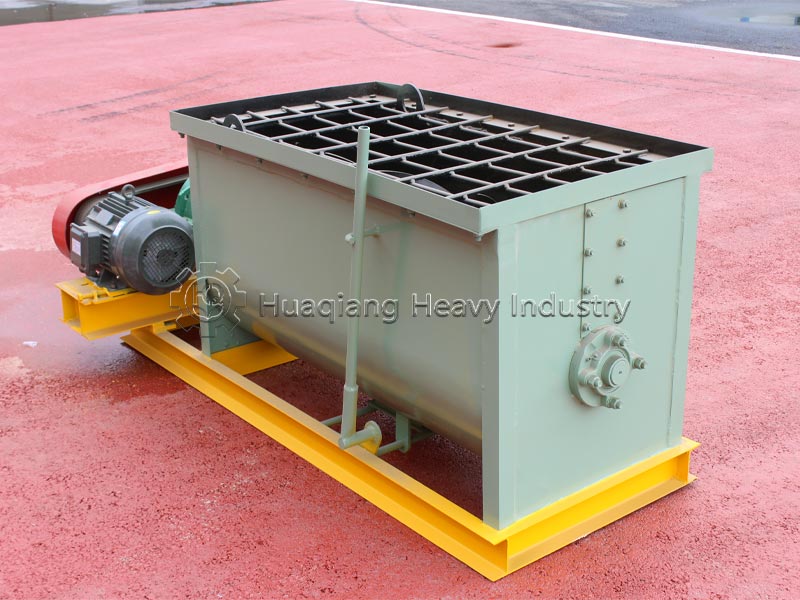
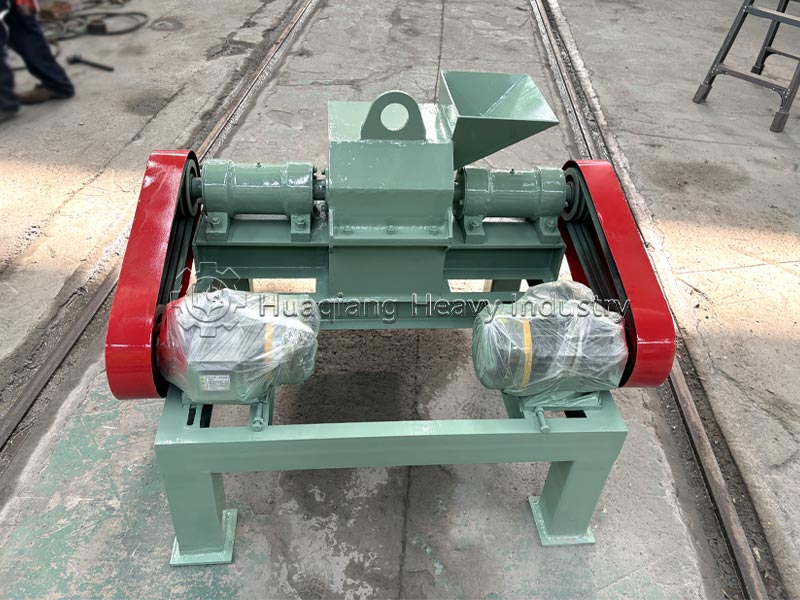
In the large-scale production of organic and compound fertilizers, raw material crushing is a core step affecting production line efficiency and finished product quality. Tailored to the characteristics of these two types of fertilizer raw materials, professional fertilizer crusher solutions can precisely adapt to fertilizer production lines, effectively solving crushing challenges and ensuring continuous and stable production.

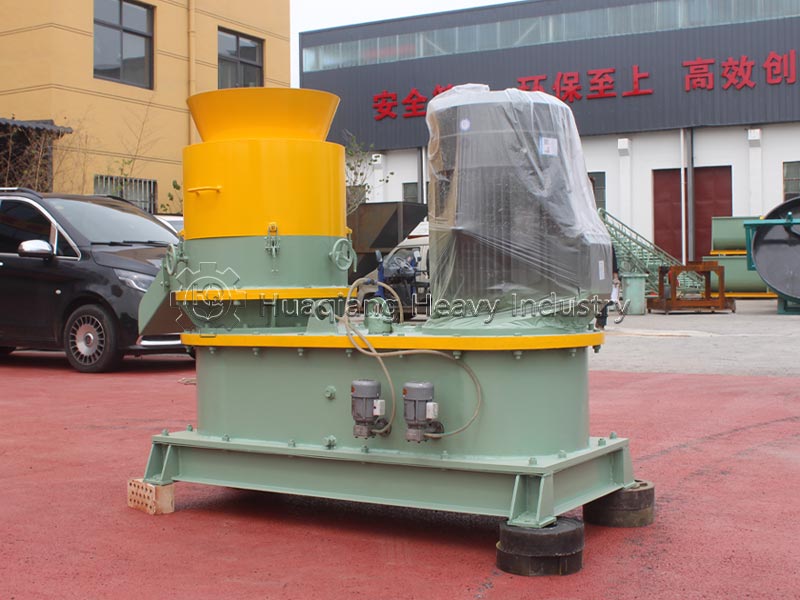
Organic fertilizer production raw materials mainly consist of fermented livestock and poultry manure, wet straw, and mushroom residue, which have high moisture content, high fiber content, and are prone to clumping. Ordinary crushing equipment easily encounters problems such as wall sticking and machine blockage. Specialized crushers adopt a screenless, anti-sticking structure, suitable for crushing high-moisture materials, preventing material blockage, and producing uniform output. They can crush lumpy raw materials to the qualified particle size in one pass, smoothly connecting to subsequent fermentation and granulation processes, and stably adapting to various organic fertilizer production lines.

Compound fertilizer production raw materials are mostly hard and lumpy materials such as urea, ammonium phosphate, and ores, requiring strict requirements for particle size uniformity and batching accuracy. The compound fertilizer-specific pulverizer uses high-strength, wear-resistant components, enabling efficient crushing of hard raw materials. The output particle size is precisely controllable, meeting the process standards for batching and granulation. It seamlessly integrates with fertilizer production equipment, improving the overall production line efficiency.

This complete pulverizer solution is highly versatile, energy-efficient, and easy to maintain. It can be flexibly selected based on production capacity and raw material type, adaptable to large, medium, and small fertilizer production lines.

The precision and efficiency of raw material crushing directly determine the fertilizer product qualification rate and production cost. A highly adaptable fertilizer pulverizer reduces downtime and improves raw material utilization, making it a key piece of equipment for improving quality, reducing costs, and increasing efficiency in organic and compound fertilizer production.

Six key points to remember when applying DAP: Avoiding pitfalls and enhancing efficiency

Diammonium phosphate (DAP) is a high-concentration, fast-acting nitrogen-phosphorus compound fertilizer with outstanding fertilizer effects and wide application. However, improper application can easily lead to root burn and nutrient loss. To maximize its effectiveness, it must be applied in conjunction with fertilizer production equipment and the matching fertilizers produced by the NPK fertilizer production line. The key points are as follows:

Avoid mixing with alkaline fertilizers. DAP is weakly acidic and will react with alkaline fertilizers such as lime and wood ash, causing nitrogen volatilization and phosphorus solidification, reducing fertilizer efficiency. The interval between application should be no less than 7 days.

Strictly control the dosage. Excessive application will cause nitrogen-phosphorus imbalance, leading to excessive vegetative growth, decreased crop resistance, and root burn. For field crops, apply 15-25 kg per acre; for fruit and vegetable crops, adjust according to soil fertility.

Pay attention to the application method; avoid surface application. DAP is volatile and should be applied deep in furrows or holes, then covered with soil, keeping it at least 10 cm away from the crop roots to avoid direct contact.

Avoid long-term, single-use application. Long-term single-use can lead to phosphorus accumulation in the soil and inhibit the absorption of micronutrients. It should be combined with NPK compound fertilizer or organic fertilizer, and mixed thoroughly using a fertilizer mixer before application.

Choose appropriate crops and soil types. DAP is suitable for most crops, but should be used with caution on chlorine-sensitive crops and in acidic soils. In acidic soils, a small amount of alkaline fertilizer can be added to neutralize the acidity.

In summary, the key to applying DAP is controlling the dosage, choosing the right method, and using it in appropriate combinations, while avoiding contraindications, to maximize its seedling-strengthening and yield-increasing effects and protect soil fertility.

Why are micronutrient fertilizers so popular?

In modern agricultural production, micronutrient fertilizers are highly favored due to their high efficiency and practicality, becoming a staple high-quality fertilizer for farmers. Today, relying on professional fertilizer production equipment and standardized production lines, coupled with high-efficiency fertilizer granulators, micronutrient fertilizers are produced on a large scale and in a standardized manner.

The core value of micronutrient fertilizers is to address nutritional deficiencies in crops. Crop growth requires not only nitrogen, phosphorus, and potassium, but also essential micronutrients such as calcium, magnesium, boron, and zinc. Long-term continuous cropping and the single application of large amounts of chemical fertilizers can easily lead to micronutrient deficiencies in the soil, causing physiological disorders and weakened growth. This fertilizer can precisely replenish missing nutrients, balance nutrient supply, and fundamentally solve growth problems that ordinary fertilizers cannot address.

The direct effect of improved quality and increased yield is the key to its widespread popularity. After application, crops grow vigorously, fruits and vegetables have high fruit setting rates, fewer cracked fruits, and better appearance, grain crops have full grains, and the marketability and profitability of agricultural products are significantly improved. It simultaneously improves nitrogen, phosphorus, and potassium utilization rates, reduces nutrient waste, requires small dosages, and has low input costs, resulting in outstanding cost-effectiveness.

Raw material pretreatment is completed using fertilizer production equipment, and standardized processing is achieved throughout the entire process via fertilizer production lines. Then, uniform granules are formed using a fertilizer granulator, leading to more stable nutrient release from micronutrient fertilizers. Application methods are flexible and suitable for various crops and planting scenarios.

Combining the advantages of balanced nutrition, improved quality and yield, and convenient application, along with standardized production, micronutrient fertilizers have naturally become a popular choice in modern agricultural planting.

Four common misconceptions about NPK compound fertilizers that many people easily overlook

NPK compound fertilizers are commonly used in agricultural planting. Produced using NPK fertilizer production lines and granulation technology, they are suitable for various crops. However, many growers have misconceptions about them, leading to improper use that wastes fertilizer, negatively impacts crop growth, and damages the soil. Below, we debunk four of the most common misconceptions to help you use fertilizers scientifically.

Misconception 1: The higher the nutrient content, the better. Many people believe that the higher the NPK content in compound fertilizer, the better the fertilizer effect. In reality, excessive nutrient content can easily lead to excessive vegetative growth, root burn, and soil nutrient imbalance. The appropriate ratio should be selected based on the crop’s nutrient requirements and soil fertility; blindly pursuing higher nutrient levels is not advisable.

Misconception 2: A universal fertilizer can replace all fertilizers. Many people stop applying organic fertilizers and micronutrient fertilizers after using compound fertilizers. In reality, compound fertilizers only supplement NPK. Long-term use as a single source can lead to nutrient deficiencies in crops. Combining them with organic fertilizers and using fertilizer production equipment for thorough mixing is necessary to balance nutrients.

Misconception 3: The more you apply, the higher the yield. The common misconception is that “more fertilizer equals more yield.” Excessive application not only increases costs but also leads to soil compaction, nutrient loss, and inhibited crop growth. Applying fertilizer only as needed is key to improving quality and increasing yield.

Misconception 4: The more uniform the granules, the better the fertilizer effect. While uniform granules are a characteristic of high-quality compound fertilizers, they are not the only standard. The core factors are nutrient ratio, dissolution rate, and utilization rate. Granules produced using standardized fertilizer granulation technology, combined with scientific application methods, are the most effective.

In summary, avoiding these misconceptions and applying fertilizer rationally based on crop needs and soil conditions is crucial to maximizing the value of compound fertilizers and promoting healthy crop growth.

Applying micronutrient and macronutrient compound fertilizers correctly can double their effectiveness

Compound fertilizers containing trace elements (iron, zinc, boron, etc.) and medium elements (calcium, magnesium, sulfur, etc.) are processed using fertilizer production equipment and standardized production lines, then granulated into uniform particles by fertilizer granulators. They can supplement crops with macronutrients and compensate for micronutrient deficiencies in the soil. The key to their application is “supplying according to demand and scientific matching,” avoiding indiscriminate application that could lead to waste or crop damage.

First, select fertilizers according to demand, matching them to the crop and soil. These compound fertilizers, precisely formulated by fertilizer production equipment and processed by fertilizer granulators, have diverse formulas. Fruits and vegetables require more boron and calcium, while grain crops require more zinc and magnesium. Increase application appropriately in infertile areas and reduce the amount as needed in fertile areas to avoid excessive application leading to nutrient antagonism.

Second, choose application methods flexibly: Base fertilizer can be mixed with organic fertilizer and broadcast or applied in furrows (5-10 cm deep); top dressing can be applied through fertigation or drip irrigation (after dilution); foliar spraying is suitable for emergency fertilization, with the concentration controlled at 0.2%-0.5% to avoid burning leaves.

Finally, pay attention to the details: avoid mixing with alkaline fertilizers to prevent the loss of micronutrients; follow the principle of “small amounts, multiple times”; water promptly during droughts to promote the dissolution and absorption of the compound fertilizer processed by the fertilizer production line and granulator, allowing all elements to work synergistically.

In summary, the key to applying this type of compound fertilizer is to match it with the needs of the crop and soil, choose the right method, and control the dosage to compensate for micronutrient deficiencies, improve fertilizer efficiency, and promote healthy crop growth.

Organic fertilizer and bio-organic fertilizer: Key advantages every grower should know

Under the trend of green planting, organic fertilizer and bio-organic fertilizer have become mainstream choices. Both are processed using specialized fertilizer production equipment. Organic fertilizer is produced through organic fertilizer production lines, while bio-organic fertilizer requires live bacteria inoculation through bio-organic fertilizer production lines. The different processes result in different advantages, each tailored to different planting needs.

Both share significant advantages: they are both green and environmentally friendly, and highly adaptable. Based on natural raw materials such as livestock and poultry manure and straw, after being decomposed and purified by fertilizer production equipment, there are no chemical residues, and they will not pollute the soil or water sources. After application, they can improve soil compaction and increase permeability. Long-term use can restore soil fertility, making them suitable for various planting scenarios such as field crops, fruits and vegetables, and seedlings.

Organic fertilizer focuses on basic maintenance and high cost-effectiveness. Utilizing organic fertilizer production lines, large-scale processing can be achieved, further reducing costs. It is rich in organic matter and trace elements, with balanced nutrients, a gentle and long-lasting effect, and slow nutrient release to avoid root burn. Long-term application can significantly improve the taste and quality of agricultural products.

Bio-organic fertilizer is an upgraded version with more targeted advantages. The precise temperature control technology in bio-organic fertilizer production lines maximizes the preservation of beneficial microbial activity. These live bacteria can activate soil nutrients, inhibit harmful bacteria, reduce soil-borne diseases, promote crop root growth, and enhance stress resistance.

In summary, organic fertilizer focuses on basic soil improvement and nutrient replenishment, while bio-organic fertilizer balances soil improvement with the enhancement of live bacteria. Proper selection can achieve a win-win situation of soil protection and improved crop quality and yield.

The effects of diammonium phosphate (DAP) on plants: Functions and Precautions

DAP is a high-concentration, fast-acting nitrogen-phosphorus compound fertilizer containing 18% nitrogen and 46% phosphorus. Widely used in agricultural production, its effects on plants include both positive benefits and potential risks, depending on the application method and dosage. Combining it with NPK fertilizer production line products and utilizing NPK compound fertilizer granulation technology for thorough mixing maximizes its advantages.

Positive effects are evident during key growth stages: Application during the seedling stage rapidly replenishes phosphorus, promotes root differentiation, enhances water and nutrient absorption, and reduces stunted growth; during the growing season, nitrogen and phosphorus supplementation promotes robust stems and leaves, dark green foliage, and improves photosynthetic efficiency; during the flowering and fruiting stages, it aids in flower bud differentiation, reduces flower and fruit drop, and increases crop yield and marketability.

Improper application can cause harm: Long-term single application can lead to phosphorus accumulation in the soil, inhibiting plant absorption of micronutrients such as calcium and zinc, causing deficiency symptoms; excessive application can cause nitrogen-phosphorus imbalance, resulting in excessive vegetative growth, decreased stress resistance, and even root burn, affecting overall growth.

Scientific application is key: The dosage should be controlled according to the crop and soil type, avoiding single-use application. It can be combined with NPK fertilizer produced by an NPK fertilizer production line or organic fertilizer, and mixed thoroughly using fertilizer production equipment and a mixer before application. Apply shallowly during the seedling stage and supplement as needed during the growing season. Avoid mixing with alkaline fertilizers.

In summary, DAP is a highly efficient fertilizer that promotes strong seedlings and increased yield, with significant positive effects. With scientific formulation and precise dosage, risks can be mitigated, empowering plants to grow healthily and improve quality and yield.

How to produce slow-release fertilizers: Controlling key processes for long-lasting nutrient supply

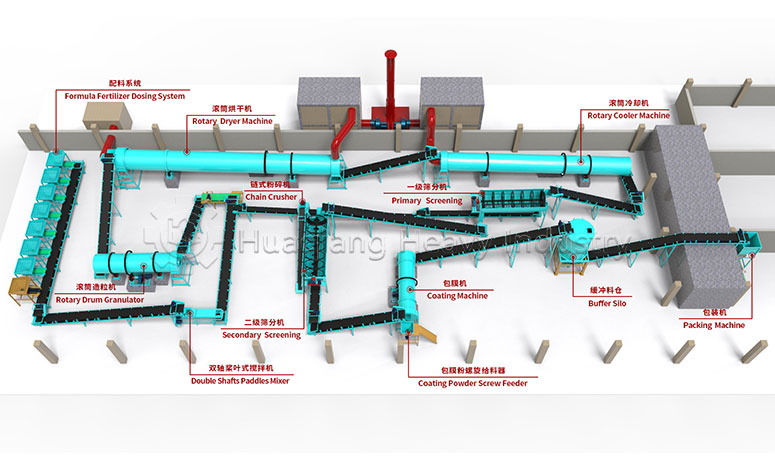
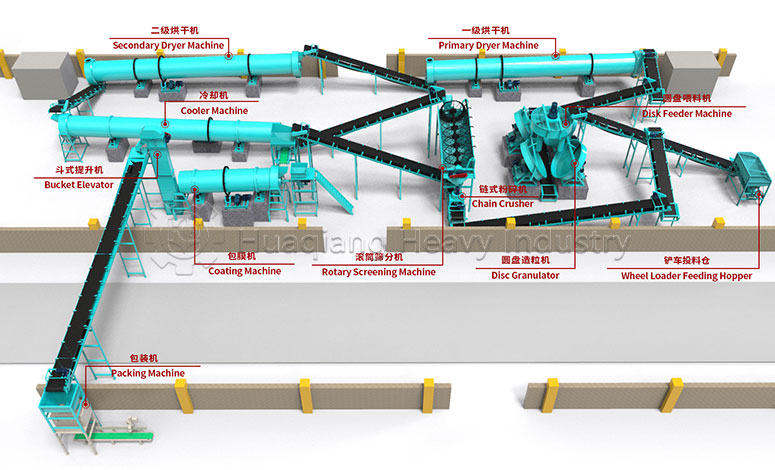
The core advantage of slow-release fertilizers is the slow release of nutrients, matching the absorption rhythm of crops, reducing nutrient loss and the frequency of fertilization. The key to production lies in the controlled-release process and raw material combination. Small-scale production can utilize basic fertilizer production equipment, while large-scale production relies on a complete fertilizer production line. Mastering the following steps is essential:

Step 1: Raw Material Preparation and Pre-treatment. Select single or compound fertilizers containing nitrogen, phosphorus, and potassium, combined with slow-release agents such as resins and sulfur, and a small amount of binder. Use a fertilizer crusher to crush and purify the raw materials and mix them in the correct proportions, laying the foundation for effective controlled release.

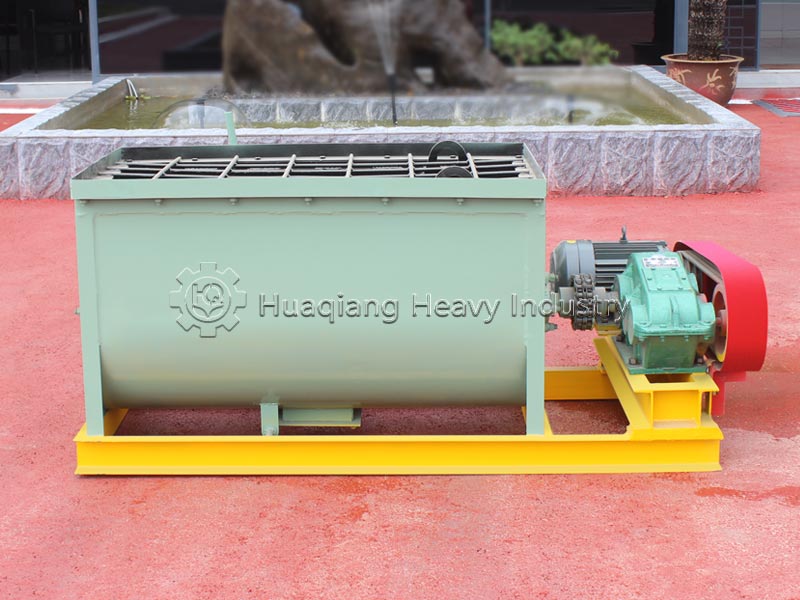
Step 2: Mixing and Controlled-Release Coating. Pour the pre-treated raw materials into a fertilizer mixer and mix thoroughly. The core process is coating: the material is fed into a coating machine, and a coating liquid is sprayed to form a uniform thin film. This is crucial for nutrient slow release.

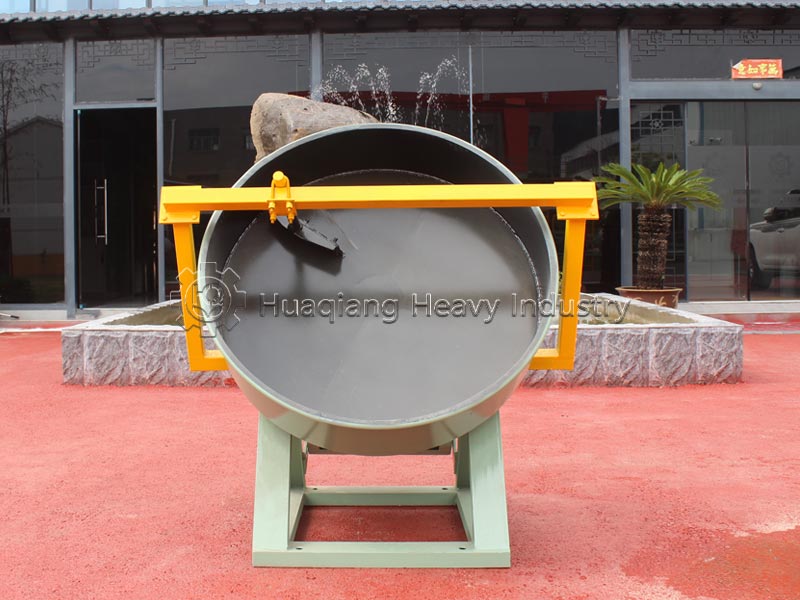
Step 3: Granulation, Drying, and Screening. The coated material is fed into a fertilizer granulator to produce uniform granules (particle size can be adjusted as needed). Then, the material is dried and screened using fertilizer production equipment to remove water and impurities, ensuring a consistent finished product.

Step 4: Inspection and Packaging. Test the finished product for slow-release properties, nutrient content, and granule strength. After meeting the standards, the product is sealed, packaged, and stored in a cool place. Throughout the process, fertilizer production equipment provides basic support, the fertilizer granulator controls the molding quality, and a complete fertilizer production line enables large-scale production. Controlling the uniformity of the coating is key to producing high-quality slow-release fertilizers.

Addressing the five core challenges of using NPK compound fertilizers

NPK compound fertilizers have become mainstream in agricultural production due to their comprehensive nutrients and convenient application. However, they face multiple challenges influenced by formulation and application methods, which not only restrict fertilizer efficiency but may also lead to soil and environmental problems, requiring rational avoidance.

The primary challenge is the lack of adaptability due to fixed formulations. The nutrient ratio is preset by the NPK fertilizer production line and is difficult to adjust after the raw materials are mixed by the fertilizer mixer. This prevents precise matching of soil fertility and crop nutrient requirements, easily leading to nutrient imbalances and affecting crop quality.

Low nutrient utilization efficiency easily leads to imbalances. Unreasonable application can lead to nitrogen volatilization and potassium leaching, resulting in utilization rates of less than 40%; long-term single application can also disrupt soil nutrient balance, inhibit the absorption of trace elements, and induce crop nutrient deficiencies.

Environmental and soil degradation risks are prominent. Excessive application can easily cause soil compaction and acidification, and nitrogen and phosphorus runoff can lead to water eutrophication, violating the requirements for reducing fertilizer use and increasing efficiency, and causing long-term damage to arable land quality.

Quality and cost control are challenging. Inferior products result from the use of non-standard fertilizer production equipment, substandard NPK fertilizer production line processes, and failure to achieve uniform mixing through professional fertilizer mixers, leading to substandard nutrient content; high-quality products have high raw material costs, and improper application can easily increase planting costs.

In summary, the challenges of NPK compound fertilizers are concentrated in adaptability, utilization efficiency, environmental protection, and quality control. Combining precise selection based on soil testing and application with organic fertilizers can address these pain points and improve fertilizer efficiency.