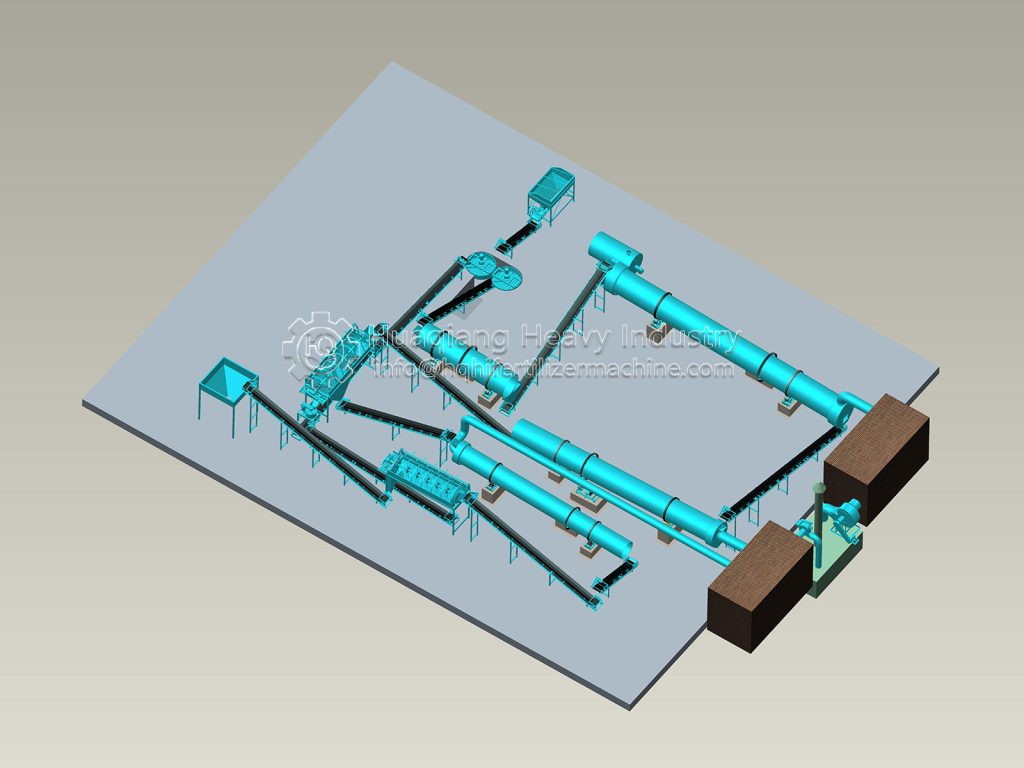
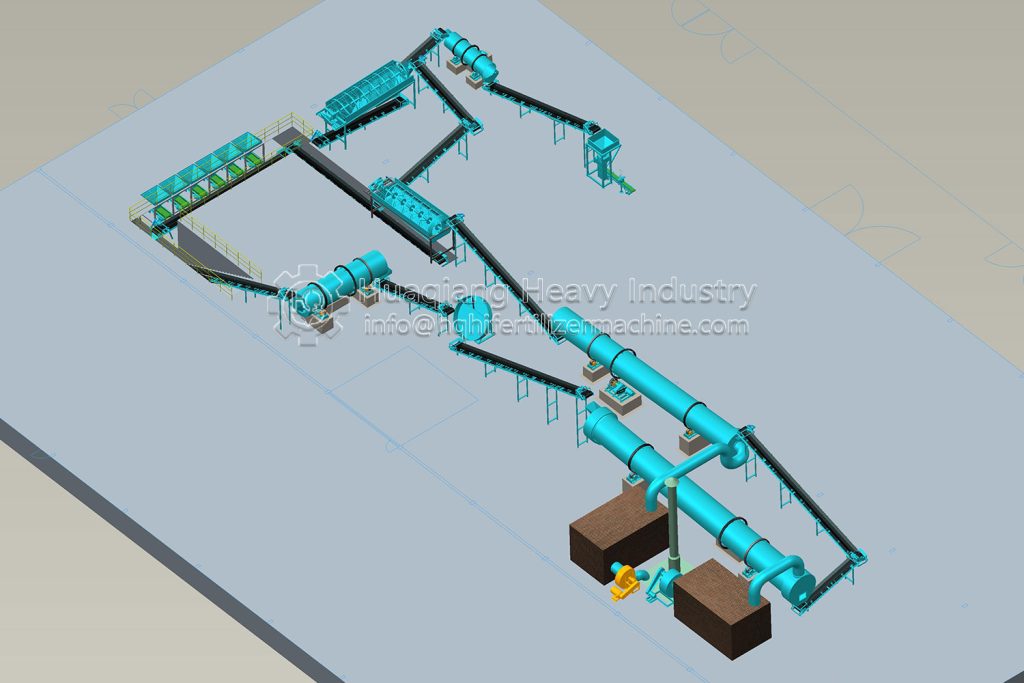
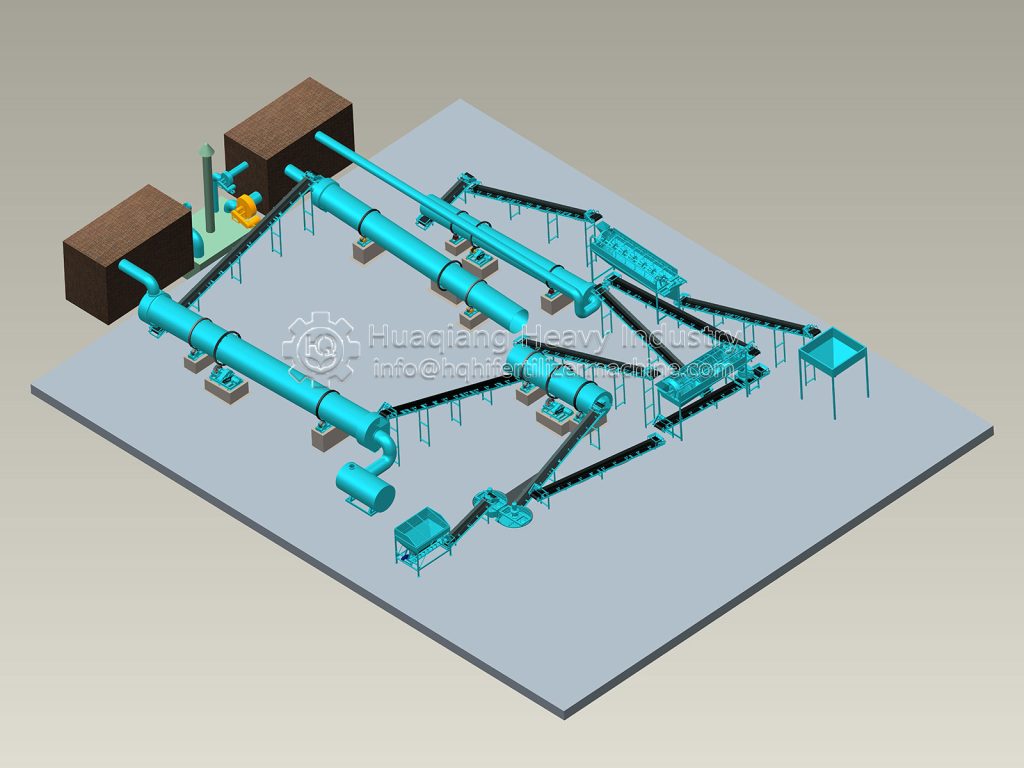
Fertilizer mixer machines lay a solid foundation for bio-organic fertilizer equipment

In the entire operation of bio-organic fertilizer equipment, the fertilizer mixer machine, seemingly a “basic link,” is actually a “hidden hero” that determines the final fertilizer effect and production efficiency.

The core objective of bio-organic fertilizer equipment is to transform organic waste such as straw and livestock manure into ecological fertilizer rich in beneficial bacteria through harmless treatment. The uniformity of raw material mixing directly affects the fermentation effect and nutrient balance. The fertilizer mixer machine perfectly addresses this key requirement: through the rotational action of its multi-dimensional mixing structure, it breaks down the physical differences between raw materials, achieving uniformity in carbon-nitrogen ratio, humidity, and microbial distribution across the entire process.

The mechanical mixing of the fertilizer mixer machine ensures that every component of the raw material is fully in contact. This not only provides a “homogeneous substrate” for the fermentation stage of the bio-organic fertilizer equipment but also allows microbial agents to adhere evenly to the organic materials, significantly improving microbial activity and composting efficiency, and shortening the fermentation cycle.

As the “quality gatekeeper” in bio-organic fertilizer equipment, the fertilizer mixer machine ensures the nutrient balance and fermentation quality of ecological fertilizer through precise mixing, making every step of the transformation of organic waste into high-quality fertilizer more controllable and efficient, and providing solid support for the large-scale development of green agriculture.

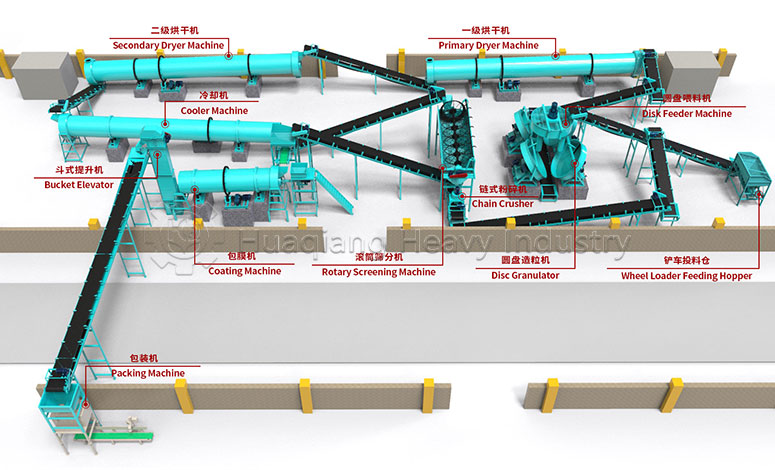
The synergistic code between BB fertilizer mixers and NPK fertilizer production lines

In the wave of “on-demand fertilization” in modern agriculture, BB fertilizer mixers and NPK fertilizer production lines are not independent entities. Their synergy allows NPK fertilizers to move from “standardization” to “customization,” adapting to the nutrient needs of different crops.

The core value of the BB fertilizer mixer lies in its “uniformity control.” Targeting the physical characteristics of nitrogen, phosphorus, and potassium fertilizers (or additives containing micronutrients), it uses the staggered operation of multi-directional mixing paddles, combined with anti-caking devices, to ensure that raw materials of different particle sizes and specific gravities are thoroughly mixed in a sealed chamber, laying the foundation for “precision fertilization.”

The NPK fertilizer production line, on the other hand, is the complete chain that translates “precise proportioning” into “standardized products.” From raw material screening and automatic metering to the core mixing stage of the BB fertilizer mixer, and then to subsequent granulation, cooling, and packaging, the entire production line is connected through automated processes, avoiding errors and efficiency bottlenecks caused by manual operation.

The synergy between the two also addresses the “single-formula pain point” of traditional NPK fertilizers. Through flexible formula adjustments on the production line, coupled with the precise mixing of the BB fertilizer mixer, it’s possible to quickly switch between specialized NPK formulas for different crops such as wheat, corn, fruits, and vegetables. This meets the needs of large-scale production while reducing fertilizer waste and soil nutrient imbalances.

From “precise mixing” to “closed-loop process,” the linkage between the BB fertilizer mixer and the NPK fertilizer production line ensures that NPK fertilizer production maintains both “quantity” and “quality,” better meeting the modern agricultural demands for “efficiency, precision, and environmental protection.”

A new ecosystem for fertilization: Bio-organic fertilizer and NPK blending machine

In modern agriculture’s pursuit of “ecology + efficiency,” bio-organic fertilizer equipment and NPK blending machines are forming a complementary synergy, protecting soil health while precisely meeting crop nutrient needs.

Bio-organic fertilizer equipment starts with organic waste, transforming straw, livestock manure, and other materials into bio-organic fertilizer rich in beneficial microorganisms through processes such as composting, fermentation, and granulation. Its core value lies in cultivating a soil microbial environment, improving compacted soil, and releasing nutrients fixed in the soil, thus laying a solid “ecological foundation” for crop growth.

NPK blending machines focus on precise nutrient supply, mixing nitrogen, phosphorus, and potassium fertilizers in scientifically proportioned ratios according to the needs of different crops and growth stages. It overcomes the limitations of single-nutrient fertilizers, using mechanized precision mixing to ensure fertilizer nutrients better match the crop’s growth rhythm, achieving highly efficient “supplementing what’s lacking.”

The two do not exist in isolation but rather form a highly efficient synergy. The “ecological fertilizer” produced by the bio-organic fertilizer equipment improves soil texture, creating favorable conditions for the absorption of NPK fertilizer; the “precision fertilizer” formulated by the NPK blending machine provides fast-acting nutrients, compensating for the slightly slower effect of bio-organic fertilizer.

In actual production, the fertilizers produced by the two types of equipment can be further combined to ensure both short-term crop growth needs and long-term soil maintenance, achieving a closed loop of “fast-acting + long-lasting” nutrient supply.

The Proportioning Process of an NPK Fertilizer Production Line

In an NPK fertilizer production line, the proportioning process is the key step in determining fertilizer quality and effectiveness. By precisely controlling the ratios of nitrogen (N), phosphorus (P), potassium (K), and trace elements, it adapts fertilizer to the needs of different crops, soils, and growth stages, directly impacting agricultural production yield and quality.

The proportioning process must adhere to the principle of “customization on demand.” Nutrient requirements vary significantly among crops: rice requires high nitrogen to promote tillering, so the nitrogen content in the proportion is often 20%-25%; fruit trees require high potassium to enhance sweetness during the fruit-bearing stage, so the potassium ratio should be adjusted to 15%-20%; vegetables require a balanced ratio of nitrogen, phosphorus, and potassium, typically maintaining a ratio of approximately 1:1:1. Soil conditions also influence the proportioning process. Acidic soils require reduced phosphorus application to prevent fixation, while saline-alkali soils require increased nitrogen to compensate for leaching losses.

Precise proportioning relies on advanced technology. Modern production lines often utilize “automatic batching systems.” Sensors monitor the moisture and particle size of raw materials in real time, and combined with a PLC control system, they automatically adjust the feed rate with an error controllable within ±0.5%. For example, for wheat fertilizer, the system automatically delivers urea, monoammonium phosphate, and potassium chloride to the mixer in the corresponding proportions according to an “18-12-15” formula, ensuring consistent nutrient content in each batch.

The batching process must also balance environmental protection and efficiency. Improper batching can lead to nutrient waste: excessive nitrogen content can easily lead to eutrophication, while excessive phosphorus can cause soil compaction. Therefore, production lines incorporate “nutrient balance algorithms” to optimize the batch based on regional soil testing data, minimizing nutrient loss while meeting crop needs. Furthermore, pre-mixing disperses insoluble raw materials, preventing localized nutrient excess or deficiency caused by uneven batching.

As the core link of the NPK fertilizer production line, scientific ratio is not only the key to improving fertilizer competitiveness, but also an important guarantee for helping agriculture “reduce weight and increase efficiency” and achieve green production.

The Development Direction of NPK Fertilizer Production Lines in the Context of Green Agriculture

Amid the booming development of green agriculture, NPK fertilizer production lines are undergoing profound transformation, striding forward towards environmental protection, high efficiency, and intelligent technologies.

Technological innovation has become the core driving force behind the green development of NPK fertilizer production lines. Controlled-release technology continues to evolve. By optimizing coating materials and processes, it achieves precise nutrient release, tailored to the needs of crops at different growth stages, significantly improving fertilizer utilization and reducing nutrient loss and environmental pollution. For example, the bio-based polyurethane-coated controlled-release fertilizer developed by Weisheng Liansu has increased fertilizer utilization from 35% to 80%. Furthermore, breakthroughs are being made in the research and application of new synergists. For example, the addition of urease inhibitors and nitrification inhibitors effectively inhibits nitrogen conversion and prolongs fertilizer effectiveness.

Production models are shifting towards green, low-carbon, and circular approaches. On the one hand, energy utilization is becoming increasingly efficient, with clean energy sources like solar and wind power gradually being integrated into production lines, reducing dependence on traditional fossil fuels. On the other hand, waste recycling systems are continuously improving, with dust, waste residue, and wastewater from the production process being recycled and treated and re-entered production, maximizing resource utilization.

Product upgrades are closely aligned with the needs of green agriculture. Functional NPK fertilizers are emerging in large numbers, with specialized fertilizers developed for acidification, alkalinity control, and continuous cropping resistance, tailored to different soil types and crop characteristics. Furthermore, organic-inorganic compound NPK fertilizers are gaining popularity, combining the long-lasting properties of organic fertilizers with the quick-acting properties of inorganic fertilizers, improving soil fertility while ensuring crop nutrient availability.

Intelligence and precision are integrated throughout the entire production process. From raw material procurement and blending to production process control and finished product quality testing, sensors, the Internet of Things, and big data technologies enable precise control. This not only enables real-time monitoring of production parameters and timely adjustments and optimization to ensure stable product quality, but also provides farmers with customized fertilizer formulas based on soil testing data and crop growth models, enabling precise fertilization.

Under the trend of green agriculture, NPK fertilizer production lines must continue to innovate to meet agricultural production needs while protecting the ecological environment and achieving sustainable agricultural development.

Common Problems and Solutions in NPK Fertilizer Production Lines

During continuous operation, NPK fertilizer production lines are susceptible to factors such as raw material characteristics, equipment status, and process parameters, leading to various problems that directly impact product quality and production efficiency. The following are three typical problems and their solutions.

Raw material pretreatment often faces the challenge of uneven particle size. Nitrogen, phosphorus, and potassium raw materials vary significantly in hardness and moisture content. For example, urea easily absorbs moisture and clumps, while phosphate slag has a high hardness. Using only a single crusher can result in significant particle size variation, leading to uneven nutrient distribution during subsequent mixing. The solution requires “classified crushing + precise screening”: urea is crushed with a hammer crusher, while phosphate slag is crushed with a crusher. After crushing, the raw materials are graded using multiple vibrating screens to ensure a uniform particle size within the appropriate range, significantly improving mixing uniformity.

Low particle formation rate is a frequent problem in the granulation process. During drum granulation, excessive water spraying can easily cause sticking to the wall and clumping. Excessive water spraying results in loose, fragile particles, resulting in a low particle formation rate. This problem requires dynamic parameter control: A humidity sensor is installed at the drum inlet to monitor the moisture content of the raw materials in real time. The spray volume is automatically adjusted via the PLC system based on moisture content changes. Furthermore, the drum speed is controlled based on raw material characteristics, and the internal lifter angle is adjusted to significantly improve the yield and maintain stability.

Product clumping is a prominent issue after drying and cooling. If the pellet moisture content does not drop to the acceptable standard after drying, or if the temperature difference during cooling is too large, the clumping rate will increase significantly over a period of storage. A two-pronged approach is necessary: ​​first, optimizing the drying process by implementing staged temperature control in the drum fertilizer dryer to ensure that the pellet moisture content at the outlet meets the standard. Second, upgrading the cooling system by using a dual-stage cooling system with air and water cooling to quickly reduce the pellet temperature to near room temperature. Adding an appropriate amount of anti-caking agent can effectively reduce the clumping rate.

Solving these problems requires dynamic adjustments based on the actual operating conditions of the NPK fertilizer production line. Through “precise control + equipment upgrades,” this approach can not only ensure product quality meets standards, but also improve the continuous operation stability of the production line and reduce production costs.

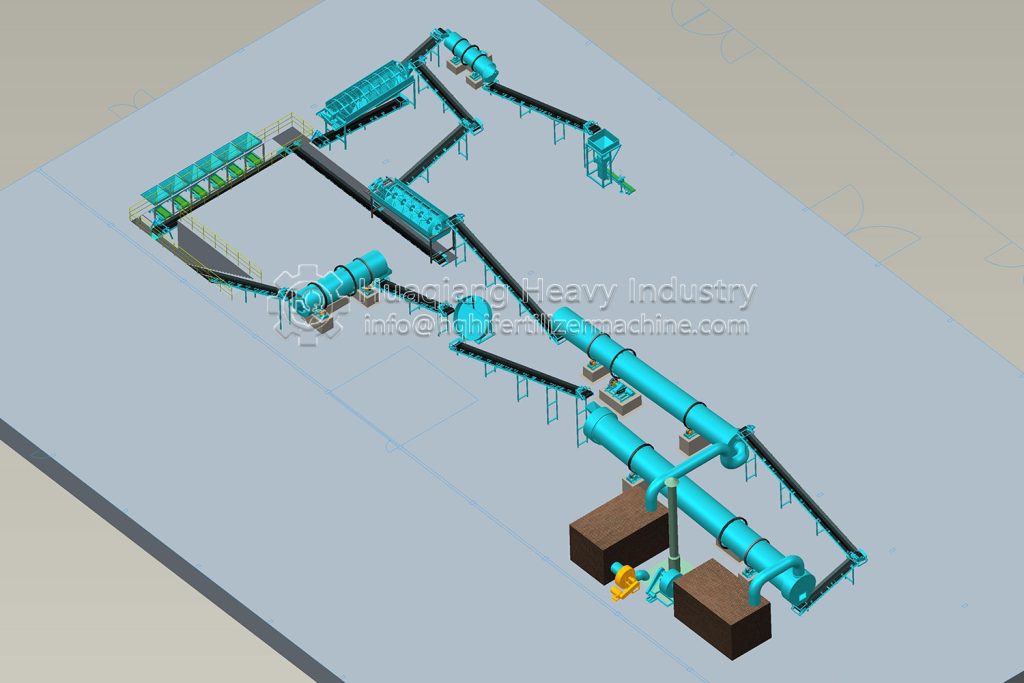
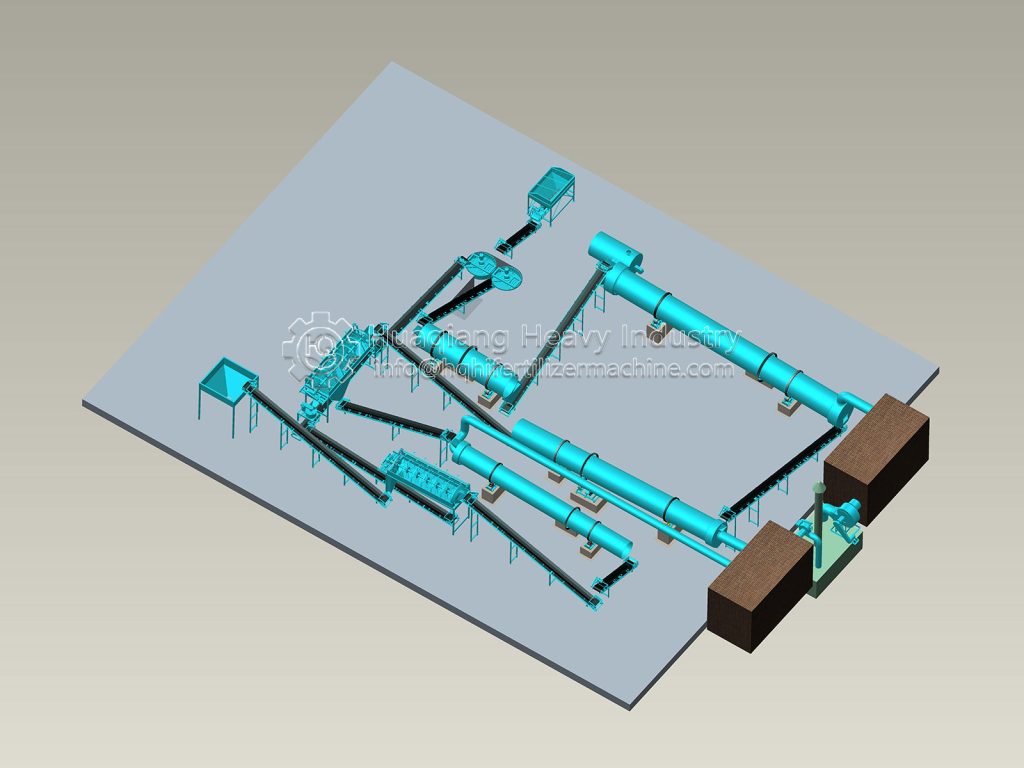
The production process of an NPK fertilizer production line

NPK fertilizer contains three core nutrients: nitrogen, phosphorus, and potassium. Its production requires a precise process to ensure balanced nutrients and consistent quality. Every step, from raw materials to finished product, integrates industrial technology with agricultural needs.

The first step in production is raw material pretreatment. Raw materials such as urea, monoammonium phosphate, and potassium chloride are first crushed to 80-100 mesh in a crusher. They are then screened through a vibrating screen to remove impurities and ensure raw material purity, which is essential for subsequent fertilizer dissolution and absorption.

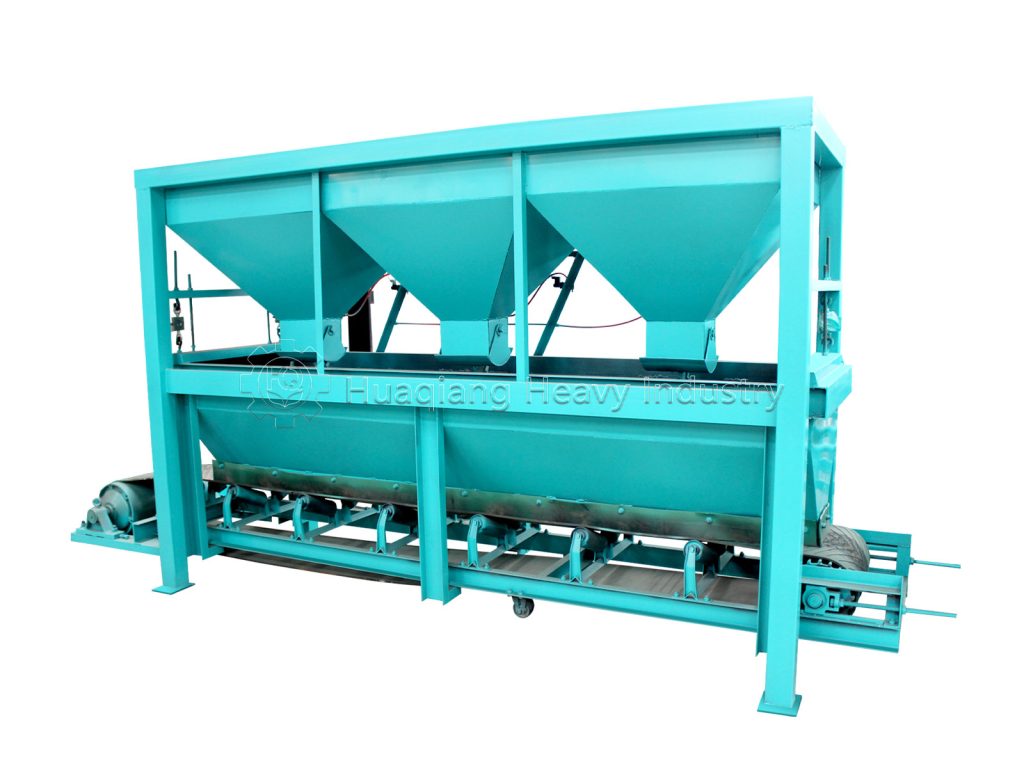
Next comes batching and mixing. The production line relies on an automated control system to precisely weigh the raw materials according to preset formulas such as 15-15-15 and 20-10-10. The raw materials are then fed into a twin-shaft mixer, where they are stirred at high speed for 3-5 minutes to create a uniform mixture, preventing imbalanced crop growth due to uneven nutrient distribution.

Then, the granulation process begins. The mixed material is conveyed to a rotary drum granulator, where centrifugal force and friction aggregate the material into 2-4 mm granules as the drum rotates. Some production lines spray a binder to enhance hardness and prevent breakage. The granules are initially screened at the exit, and unqualified fines are returned to the mixing stage for recycling.

After granulation, they are dried and cooled. First, they enter a drum fertilizer dryer, where hot air at 120-150°C reduces the moisture content to below 10%. They then enter a cooler, where countercurrent heat exchange with cold air cools them to room temperature, preventing clumping, extending shelf life, and improving granule stability.

Finally, they undergo screening and packaging. The cooled granules pass through a vibrating screen to separate the coarse particles (returned to the crusher) from the fines (returned to the granulator). Qualified granules are then bagged by an automatic packaging machine in sizes ranging from 25 kg to 50 kg. Labels are then applied with the formula and production date, and the bags are then stored for shipment, providing nutrition for crops.

The NPK fertilizer production line uses an automated and precise process to convert chemical raw materials into agricultural “nutrients”, ensuring quality while supporting the efficient development of modern agriculture.

What are the benefits of investing in an NPK fertilizer production line?

In agricultural production, fertilizer is a key factor in improving crop yield and quality. NPK fertilizer, a triple compound fertilizer of nitrogen (N), phosphorus (P), and potassium (K), is highly favored by farmers for its scientifically formulated nutrient profile, fully meeting crop growth needs. Investing in an NPK fertilizer production line offers many compelling advantages.

From an agricultural production perspective, NPK fertilizer production lines offer balanced and high-nutrient content. Nitrogen contributes to robust leaf growth and is a core component of protein and chlorophyll. Phosphorus is crucial for root development, flower and fruit formation, and energy conversion. Potassium plays a key role in plant life processes such as water regulation, disease defense, and photosynthesis. These multiple elements work together to provide comprehensive support for crop growth, effectively improving crop yield and quality. Furthermore, the dense particle structure, even nutrient distribution, and stable and sustained nutrient release reduce byproducts and minimize negative impacts on the soil. Furthermore, the fertilizer particles are uniform, each rich in multiple elements, allowing for more even distribution during application, enabling a single application and significantly improving fertilizer utilization efficiency.

In terms of cost, NPK fertilizers’ high content of active ingredients and low byproduct count significantly reduce packaging, storage, and transportation costs. Furthermore, investing in NPK fertilizer production lines offers preferential policies. As environmental protection and sustainable agricultural development gain traction, the government is actively encouraging the green and efficient fertilizer industry. Investing in such production lines is expected to benefit from tax exemptions, subsidies, and other policy support, reducing operating costs and increasing return on investment.

In terms of technological and product diversity, NPK fertilizer production lines offer a variety of processes, including steam granulation, twin-roll extrusion, and high-pressure granulation, allowing for flexible selection based on different raw materials and market demands. This enables the production of a wide range of compound fertilizers to meet the specific needs of different crops and soils, enhancing product competitiveness. Furthermore, these production lines often utilize clean production processes, such as high-pressure granulation, which ensures a favorable operating environment and eliminates waste, waste, and other emissions, thus meeting environmental standards.

Investing in NPK fertilizer production lines offers significant advantages in improving agricultural efficiency, saving costs, aligning with policy guidelines, and providing diverse technologies and products, making it a highly promising investment direction.

Significant Advantages of Choosing a NPK Compound Fertilizer Production Line

In modern agricultural production, fertilizer, as the “food” of food, directly impacts crop yield and quality. NPK compound fertilizers have become a mainstream fertilizer type because they simultaneously provide crops with the three core nutrients of nitrogen, phosphorus, and potassium. Choosing a specialized production line for production further enhances its advantages in many areas.

To meet the comprehensive nutritional needs of crops, NPK compound fertilizer production lines can precisely control the ratios of nitrogen, phosphorus, potassium, and other trace elements. Nutrient requirements vary significantly between crops at different growth stages. For example, wheat requires a high nitrogen ratio during the jointing stage, while fruit trees require a high potassium ratio during the fruiting stage. Through a scientific batching system, the production line can flexibly adjust the formula to produce highly targeted, specialized fertilizers, avoiding the nutritional imbalances often associated with single-element fertilizers. This promotes balanced crop growth and improves yield and quality.

This production line offers significant advantages in terms of resource utilization and environmental protection. Traditional fertilizer production often suffers from raw material waste and high energy consumption. Modern NPK compound fertilizer production lines utilize advanced mixing, granulation, and drying technologies, fully utilizing various NPK raw materials and minimizing raw material loss. Furthermore, the production lines are equipped with comprehensive exhaust gas treatment and dust recovery systems, effectively reducing pollutant emissions during production. This aligns with current green agricultural development concepts, minimizes environmental impact, and achieves a synergistic development of ecological and economic benefits.

From the perspective of production efficiency and cost control, the NPK compound fertilizer production line achieves large-scale, automated production. The automated control system precisely controls parameters at every stage of production, minimizing manual intervention and operational errors, improving production stability and product quality. Large-scale production reduces raw material procurement costs, labor costs, and energy consumption per unit of product, giving companies a competitive price advantage in the market. Furthermore, the production line can quickly respond to the high demand for NPK compound fertilizers, ensuring a stable supply of fertilizers for agricultural production and providing strong support for increased agricultural yields and income.

Feasibility Analysis of Investing in an NPK Compound Fertilizer Production Line

Amid the global wave of agricultural modernization, investing in an NPK compound fertilizer production line is highly feasible, and can be analyzed from four core perspectives.

Global market demand provides solid support. The world’s population is expected to exceed 9 billion by 2050. Food security is driving increased crop yields, and NPK compound fertilizers, with their precise ability to adjust the ratio of nitrogen, phosphorus, and potassium, are becoming a necessity. Data from the International Fertilizer Industry Association indicates that the global market size will exceed US$150 billion in 2024, a 5% annual growth rate. Major agricultural economies in Asia and South America, such as China, India, and Brazil, will account for over 60% of global demand. Furthermore, with the advancement of global agricultural mechanization, granular NPK compound fertilizers are suitable for mechanical fertilization, further expanding the market.

Technical maturity ensures project implementation. A complete global process system has been established: batching – mixing – granulation – drying – screening – packaging. While Europe and the United States are seizing the high-end market with tower granulation technology, developing countries like China have independently developed agglomeration and slurry methods, combining low cost with strong adaptability, and are widely used in Southeast Asia and Africa. Key equipment such as disc granulators and drum dryers have a failure rate of less than 5%, and combined with automated control systems, they can meet the scale-up production needs of various regions.

Cost-effectiveness highlights profit potential. Different regions have varying cost advantages: the Middle East and Russia rely on mineral resources to reduce raw material costs, while Southeast Asia and South Asia rely on low-cost labor to reduce labor expenses. For example, a 100,000-ton annual production line in Southeast Asia would require equipment investment of approximately $15 million, with raw material costs accounting for 65%. Given the local selling price of $800-1200 per ton, the average annual net profit is $6-8 million, with a payback period of 2.5-3.5 years. Further cost reductions can be achieved through energy-saving technologies.

The policy environment has provided strong momentum. To ensure food security and sustainable agricultural development, countries around the world have introduced favorable policies: the European Union offers tax breaks to companies producing environmentally friendly NPK compound fertilizers; the United States supports production and research through the Farm Bill; and China promotes the reduction and efficiency of chemical fertilizers, offering land and environmental impact assessment incentives. These policies reduce operating costs and expand market potential.

In summary, from a global perspective, NPK compound fertilizer production lines offer advantages in market, technology, cost, and policy, are highly feasible, and can create economic and social benefits for investors.