Choosing the right equipment for open-air composting: Why windrow compost turners are the optimal solution

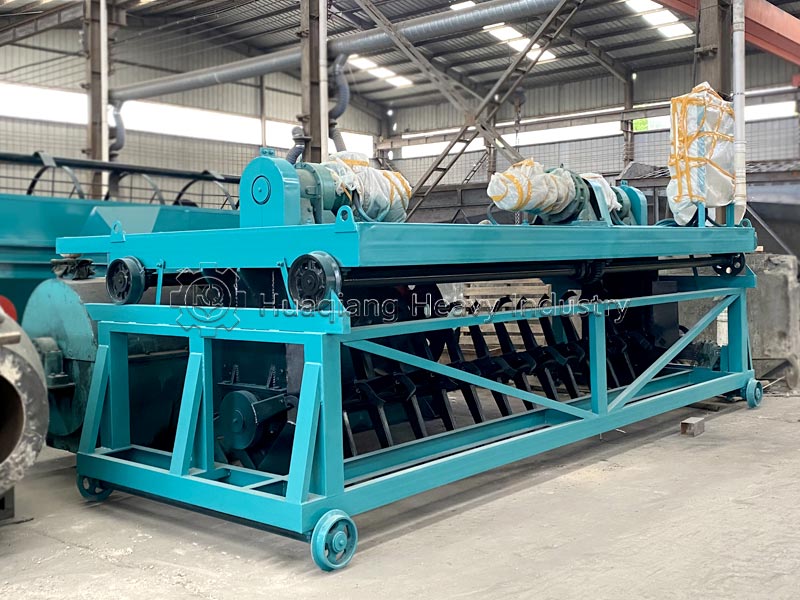
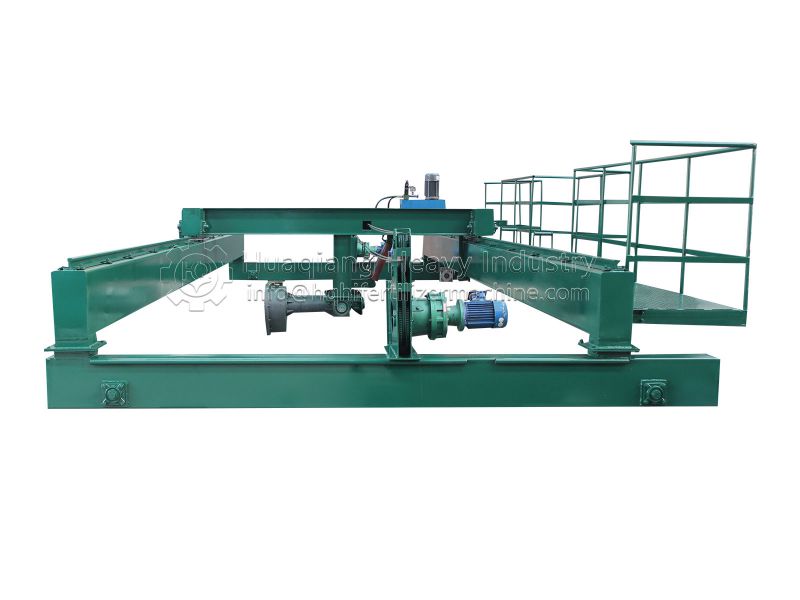
Open-air composting is greatly affected by terrain, space, and the natural environment, requiring higher demands on the passability, flexibility, and stability of composting equipment. Windrow compost turning machines, with their unique advantages for open-air environments, have become the preferred equipment for open-air composting compared to other types of windrow turners.

The tracked design is adapted to complex open-air terrain, offering excellent passability. Open-air sites often have uneven ground, soft soil, or residual debris. Windrow compost turning machines have a large ground contact area and low ground pressure, preventing them from getting stuck. They can operate smoothly in muddy conditions and overcome small obstacles, eliminating the need for pre-site leveling and significantly reducing initial preparation costs.
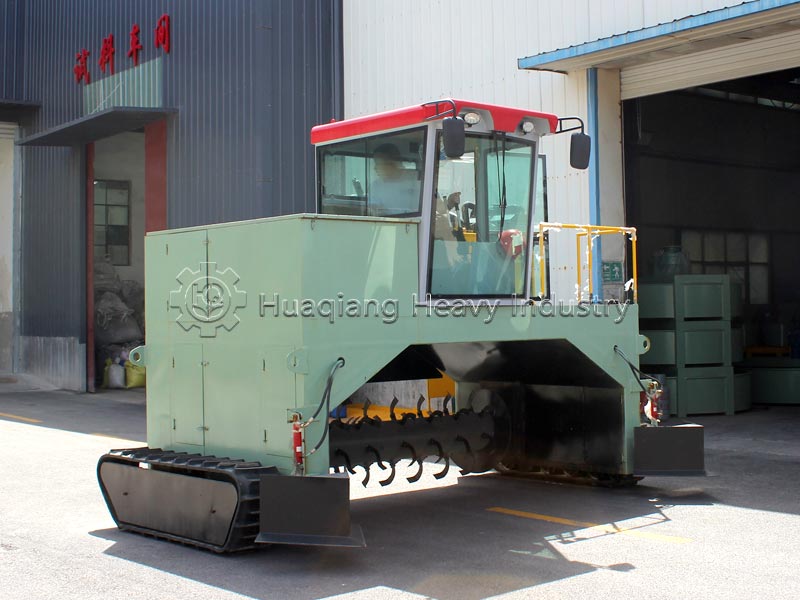
High operational flexibility adapts to diverse open-air compost piles. Open-air compost piles have no fixed size or shape. Windrow compost turning machines can flexibly adjust their operating angle and range, handling both large, continuous piles and scattered piles. Compared to wheeled equipment, they have no turning radius limitations, making full use of open-air space.

Strong resistance to environmental interference adapts to varying open-air conditions. Open-air operations are affected by wind and rain, causing compost piles to compact. Windrow compost turning machines have powerful engines that can efficiently break up compacted piles, ensuring proper aeration. Their robust design protects against sun and rain, ensuring high operational stability and reducing downtime, making them suitable for long-term open-air operations.

In summary, windrow compost turning machines precisely address the challenges of complex terrain, flexible space requirements, and variable environmental conditions in open-air composting, balancing operational efficiency and stability, making them the optimal organic fertilizer composting equipment for open-air applications.
Key control points for producing high-quality, high-efficiency organic fertilizer

Producing high-quality, high-efficiency organic fertilizer requires balancing nutrient safety and production efficiency. The core lies in precise control across the entire chain—raw materials, processes, equipment, and quality control—to achieve a dual improvement in quality and efficiency.

Raw material control is fundamental and a prerequisite. Selecting organic raw materials free of impurities, heavy metals, and pathogens, and precisely adjusting the carbon-to-nitrogen ratio to 25-35:1 and moisture content to 60%-65%, avoids raw material issues that could cause composting stagnation. Pre-treatment and crushing are also crucial to reduce subsequent processing time and pave the way for efficient production.

Process optimization balances quality and efficiency. A temperature-controlled fermentation process is employed, maintaining a high temperature of 55-65℃ for at least 3 days to thoroughly kill pathogens and insect eggs while shortening the composting cycle. Reasonable control of turning frequency, using a compost turning machine to ensure aeration of the compost pile, prevents uneven composting in certain areas, and improves overall fermentation efficiency.

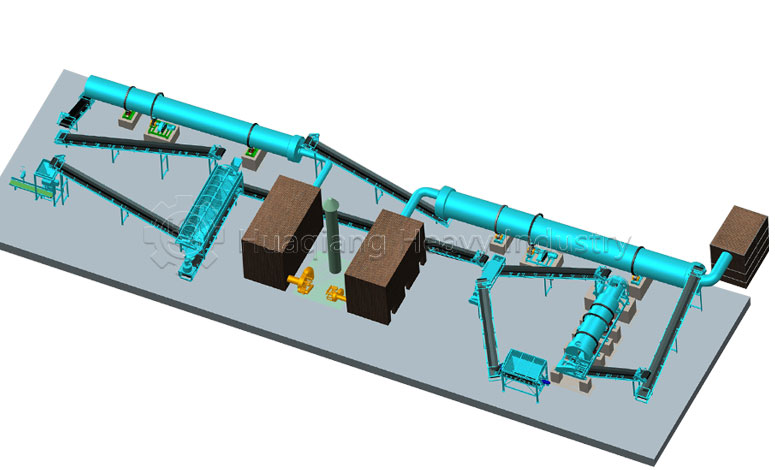
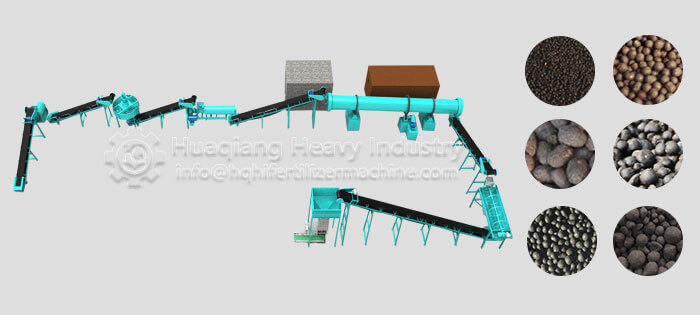
Equipment compatibility is key to efficient mass production. Selecting suitable organic fertilizer composting equipment for the raw materials, coupled with an automated organic fertilizer production line, achieves seamless integration of pretreatment, fermentation, granulation, and screening processes, reducing labor and transportation losses. Regular equipment maintenance ensures stable operation, preventing malfunctions from hindering progress and affecting quality.

Comprehensive quality control ensures stable finished product quality. A system for raw material testing, process monitoring, and finished product sampling has been established, focusing on testing indicators such as organic matter, pH value, and heavy metal residues. Qualified finished products are promptly sealed and stored to prevent moisture absorption and deterioration, ensuring quality standards are met and production capacity remains stable.

Composting avoidance guide: These items should never be added to compost

The core of composting is the beneficial decomposition of organic materials by microorganisms; not all waste is suitable for composting. Even with organic fertilizer composting equipment, improper addition of items can disrupt the compost balance, breed harmful substances, and even lead to compost ineffectiveness and soil pollution.

Kitchen Waste Prohibited: Grease, fatty meat, animal offal, and dairy products should not be added to the compost pile. These materials decompose slowly, easily clump together, and even with a compost turning machine, aeration is difficult to improve. They also easily attract flies and emit foul odors. Kitchen waste with excessive salt and sugar content will inhibit microbial activity, causing composting to stagnate and affecting fertilizer efficiency.

Chemicals and Synthetic Substances Strictly Prohibited: Non-degradable materials such as plastics and glass will leave residues in the compost, polluting the soil and potentially damaging equipment parts, clogging organic fertilizer production lines, and hindering commercial processing. Cleaning agents and pesticide residues contain chemical toxins that will kill beneficial bacteria and harm crops and human health; used batteries contain heavy metals, which will cause soil contamination.

Special organic waste. Plant residues carrying pathogens and pet feces may carry insect eggs and pathogens, which are difficult to completely kill with the high temperatures of ordinary organic fertilizer composting equipment. Even after thorough turning with a compost turning machine, pests and diseases can still easily spread. Mature weed seeds may not be inactivated after being added to the compost pile, leading to excessive weed growth in the field after application.

Composting must adhere to the principle of “natural organic, no harmful residues,” using only safe materials such as straw, vegetable leaves, and ordinary livestock and poultry manure to ensure compost quality and avoid secondary pollution.

Does compost smell bad? Only due to improper preparation!

Many people mistakenly believe that compost must smell bad. In fact, high-quality compost only emits a faint earthy smell. A pungent odor, such as putrid or ammonia-like smell, is caused by improper preparation. Composting is essentially the aerobic decomposition of organic matter by microorganisms. With proper methods, odorless composting can be achieved. However, improper handling can lead to anaerobic fermentation and nutrient imbalance, resulting in unpleasant odors.

Key errors include: 1. An imbalanced carbon-nitrogen ratio: Too much nitrogen and too little carbon causes microorganisms to decompose too quickly, releasing large amounts of ammonia and producing a pungent smell. 2. Insufficient ventilation: Overly compacted piles or untimely turning create an anaerobic environment, producing hydrogen sulfide and other substances that emit a putrid odor. 3. Uncontrolled humidity: Too high humidity causes material to clump together and poor ventilation, while too low humidity reduces microbial activity, leading to spoilage and unpleasant odors.

The correct method can completely eliminate odors. Using a carbon-to-nitrogen ratio of 25:1 to 30:1, compost is regularly turned using organic fertilizer composting equipment such as windrow compost turning machines. Large-scale production relies on organic fertilizer production lines, precisely controlling the turning frequency, ratio, and humidity to ensure an aerobic environment throughout the process. Maintaining the compost’s moisture content at 55%-60%, combined with composting microbial agents to accelerate decomposition, reduces odor.

In summary, compost odor is not an inherent characteristic but rather a warning sign of operational errors. By controlling the three key aspects of raw materials and employing scientific turning methods, odorless composting can be achieved.

Key challenges in organic fertilizer composting: How to scientifically treat rainwater and leachate?

In organic fertilizer composting, rainwater runoff and leachate produced during material fermentation can easily cause secondary pollution and damage the composting environment if not treated properly. Rainwater can lead to excessive moisture in the compost pile, triggering anaerobic fermentation. Leachate contains high concentrations of pollutants, and direct discharge can pollute soil and water sources.

Rainwater treatment should focus on “prevention first, rapid drainage.” Composting sites should have a 1%-2% slope, equipped with drainage ditches and collection pits to prevent rainwater accumulation. For open-air composting, movable rain shelters should be built, covered with impermeable membranes during the rainy season, balancing rain protection and ventilation. Simultaneously, the composting area should be divided, and emergency drainage channels should be reserved. After rain, the compost should be turned over and the moisture dispersed using a compost turning machine.

Leachate treatment requires proper collection and harmless disposal. An impermeable membrane and collection pipes should be laid at the bottom of the composting area, flowing into a dedicated collection pool to prevent leakage and groundwater contamination. Small amounts of leachate can be reinjected into the compost pile, both to decompose pollutants with the help of microorganisms and to replenish the pile’s moisture. For larger quantities, after sedimentation and filtration pretreatment, the leachate can be treated biochemically or entrusted to professional organizations for disposal, ensuring it meets standards before discharge or reuse.

Treatment efficiency can be optimized by combining leachate with organic fertilizer composting equipment. For example, using a compost turning machine to control the pile’s porosity can reduce leachate production; adjusting the raw material ratio in advance during the rainy season, increasing the proportion of dry materials, can enhance water absorption capacity.

In summary, rainwater treatment focuses on “prevention and drainage,” while leachate treatment focuses on “collection and treatment.” The synergistic treatment of both can mitigate environmental risks and maintain the stability of the composting system, thus building a strong environmental protection barrier for organic fertilizer production lines.

Is the organic fertilizer composting business profitable?

Driven by policies promoting green agriculture and the circular economy, the organic fertilizer composting business has attracted much attention due to its “turning waste into treasure” attribute. Whether it is profitable hinges on controlling costs, mitigating risks, and achieving a balance between ecological and economic benefits.

Multiple favorable factors support profit potential. Low raw material costs are a core advantage; livestock manure, straw, and other agricultural waste can be obtained for free or at low cost, reducing initial investment. Significant policy dividends are also evident, with many regions providing subsidies for resource utilization projects, coupled with fertilizer reduction policies, leading to a steady increase in demand for organic fertilizer. Processing organic fertilizer into granular fertilizer using organic fertilizer production equipment can further increase product premiums and broaden revenue channels.

Potential risks need to be carefully avoided. Raw material supply is affected by the livestock cycle and regional policies, potentially leading to supply disruptions or price increases; a lack of professional fermentation technology and organic fertilizer compost turning machines can easily result in product quality problems, affecting sales; improper handling of odors and leachate may also lead to penalties, increasing operating costs.

The key to profitability lies in optimizing operations. Establish diversified raw material channels and pair them with suitable organic fertilizer composting equipment to improve efficiency and shorten cycles; focus on niche markets to create targeted products. As long as risks are accurately controlled and needs are met, ecological advantages can be transformed into profit drivers, achieving sustainable development.

Avoid these pitfalls when composting! Don’t make these two mistakes!

The success of composting begins in the preparation stage. Whether it’s home composting or large-scale organic fertilizer production lines, even slight negligence can lead to fermentation stagnation and unpleasant odors. Imbalanced carbon-to-nitrogen ratios and improper moisture control are two common mistakes. Precise avoidance is fundamental to efficient composting, especially for large-scale production relying on organic fertilizer composting equipment, where attention to detail is crucial.

The first mistake: Imbalanced carbon-to-nitrogen ratio, halting the fermentation process. The carbon-to-nitrogen ratio needs to be maintained between 25:1 and 30:1 to suit microbial activity. Composting only high-nitrogen materials (such as livestock manure) will cause the compost pile to heat up quickly, produce a strong odor, and breed bacteria; adding only high-carbon materials such as straw will make it difficult for the compost pile to heat up, prolonging the composting period. Solution: Mix materials according to the ratio. For home composting, a ratio of “1 part manure + 2-3 parts straw” is suitable. Organic fertilizer production lines can use specialized equipment to precisely calibrate the ratio.

The second mistake: Improper moisture control, triggering anaerobic fermentation. The ideal moisture content for raw materials is 55%-60%, resulting in a consistency that “clumps together when squeezed but crumbles easily when released.” Excessive moisture blocks oxygen, leading to a putrid odor; insufficient moisture hinders microbial activity and stagnates composting. To prevent this, control moisture levels beforehand, sun-dry high-moisture raw materials or add dry materials for absorption, and spray water and mix excessively dry materials. A double screws compost turning machine can assist in moisture dissipation and optimize aeration during turning, making it suitable for continuous production line operations.

In summary, the carbon-to-nitrogen ratio and moisture content are the core variables in composting preparation. Whether operating a small-scale composting operation or an organic fertilizer production line, avoiding these two major mistakes and following standardized operation of organic fertilizer composting equipment will improve composting success rates and efficiently produce high-quality organic fertilizer.