The new type two in one organic fertilizer granulator solves your granulation challenges

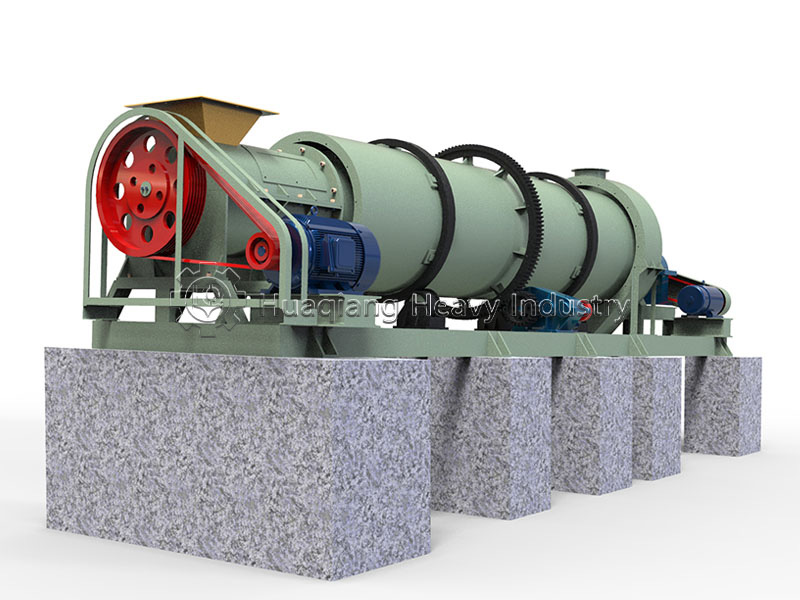
In organic fertilizer production, many manufacturers often face problems such as large equipment footprint, high material loss, and insufficient efficiency. The emergence of the new type stirring tooth-drum granulator (new type two in one organic fertilizer granulator) provides a solution to these pain points.

The biggest advantage of this equipment is its integrated “mixing + granulation” design. In traditional production, the mixer and granulator operate separately, resulting in at least 30% more space occupied and material loss rates as high as 5%-8% during material transportation. The wet continuous push-rod granulator, with its patented technology, eliminates the intermediate conveying process, reducing material loss to 1%-2%. A single unit can produce 1-5 tons of granules per hour, increasing efficiency by 20%-40% compared to traditional equipment, making it particularly suitable for small and medium-sized manufacturers to achieve intensive production.

It also boasts strong adaptability. Whether processing livestock and poultry manure, crop straw, edible mushroom residue, or municipal sludge and other organic waste, it can easily handle them. High-viscosity raw materials can be granulated into 1-6mm particles using the mixing granulation method, while high-fiber materials can be processed using the roller pressing granulation method. The resulting granules have a sphericity of over 85% and moderate strength, making them convenient for mechanized fertilization and allowing for natural decomposition in the soil.

Even more noteworthy is that, as a low-energy-consumption organic fertilizer granulator, its energy consumption per unit of product is 15%-25% lower than traditional production lines, and it also reduces the number of operators required. At the same time, it transforms environmentally polluting organic waste into valuable resources, contributing to both environmental protection and profitability.

If you are struggling with organic fertilizer production efficiency, costs, or environmental issues, consider learning more about this integrated mixing and granulation equipment; it may bring a new breakthrough to your production.

Building the core strength for efficient and environmentally friendly fertilizer production

Under the general trend of green agricultural development, the demand for organic fertilizers is growing due to their ability to improve soil quality and enhance crop quality. Efficient organic fertilizer production equipment has become crucial for achieving large-scale and standardized production.

Organic fertilizer production equipment comes in a wide variety of types, covering the entire production process. Among them, the organic fermentation compost turning machine is the core of the initial stage. It can regulate temperature and aeration by turning the fermented materials, accelerating the decomposition of raw materials such as straw and livestock manure, preventing odor generation, and laying a high-quality foundation for subsequent production. In the processing stage, the fertilizer crusher can crush the decomposed materials to a uniform particle size, solving the problem of clumping; subsequently, the fertilizer mixer machine can accurately mix various auxiliary materials to ensure balanced nutrition in the organic fertilizer.

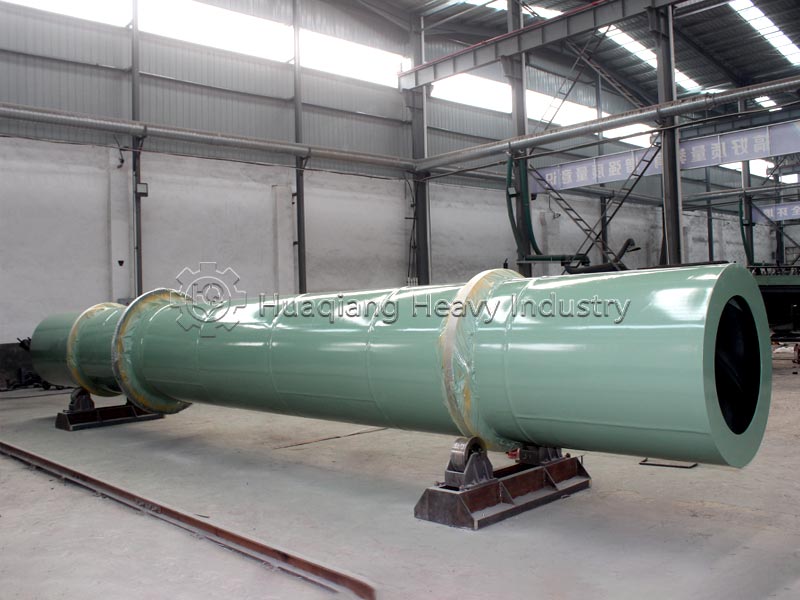
The granulation stage relies on organic fertilizer granulators, such as disc granulators and rotary drum granulators, which can process the mixed materials into granules. This not only facilitates storage and transportation but also controls the nutrient release rate. After granulation, the fertilizer dryer and cooler work together to remove moisture from the granules and stabilize their shape. The fertilizer screener machine then screens out products of the qualified particle size, and unqualified particles can be crushed and reused, reducing waste. Finally, the fertilizer packaging machine achieves automated quantitative packaging, improving production efficiency.

When choosing organic fertilizer production equipment, it is necessary to consider your own production capacity needs and raw material characteristics. For example, small farms can choose compact single-unit equipment, while large production enterprises are suitable for complete organic fertilizer production lines. High-quality equipment can not only increase output but also reduce energy consumption and pollution, meeting environmental protection requirements.

Facilitating efficient organic fertilizer production and promoting green agricultural development

In the field of organic fertilizer production, a highly efficient and reliable granulation equipment is crucial, and the organic fertilizer disc granulator is a highly favored choice. As the core organic fertilizer granulation equipment, it can accurately convert fermented organic raw materials such as livestock and poultry manure and straw into granular organic fertilizer, injecting strong momentum into green agricultural development.

The organic fertilizer disc granulator offers significant advantages. Its granulation rate exceeds 95%, far surpassing ordinary granulation equipment. The main gear is treated with high-frequency quenching, doubling its service life and reducing equipment replacement costs. The equipment adopts an inclined disc design, coupled with adjustable rotation speed and inclination angle, allowing it to adapt to different types of organic raw materials. Whether the material is powdery or slightly viscous, it can be efficiently granulated, fully demonstrating its strong material adaptability.

From a workflow perspective, it is simple and scientific to operate. First, the organic raw materials are pre-processed, crushed to a particle size of 0.1-1mm and thoroughly mixed, and then evenly fed into the disc by the feeding device. At the same time, the water spraying device precisely sprays an appropriate amount of water to maintain the material’s moisture content at 10%-20%. As the disc rotates, the materials tumble and bond under the action of centrifugal force, friction, and gravity, gradually forming granules with a sphericity exceeding 80%. Finally, after screening, unqualified granules are returned for reprocessing, ensuring the quality of the finished product.

This equipment is not only suitable for small and medium-sized organic fertilizer production plants but can also be integrated into large-scale organic fertilizer disc granulation production lines, working in conjunction with supporting equipment such as fertilizer crushers, mixers, and dryers to build a complete organic fertilizer production equipment system. The resulting granular organic fertilizer has uniform nutrients, high strength, is easy to store and transport, and can also improve soil structure and enhance soil fertility.

The core driving force behind the upgrading of organic fertilizer production lines

In the modern field of organic waste resource utilization, new types organic fertilizer granulators are becoming key equipment for improving the technical level and product value of the entire organic fertilizer production line. Their technological innovation is reflected not only in the performance of individual machines but also in the comprehensive improvement of the synergistic capabilities of the entire organic fertilizer production equipment system, driving the industry towards standardization and high-value development.
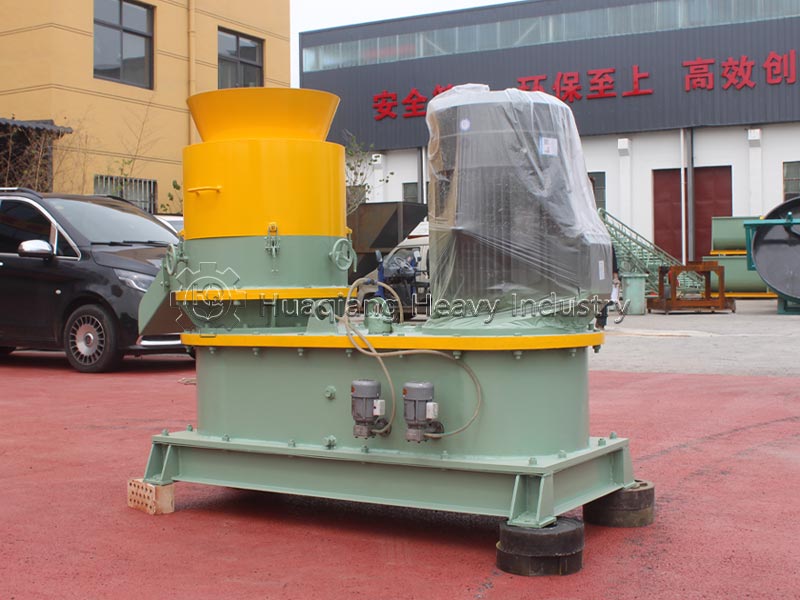
As the core molding equipment in the organic fertilizer production line, modern new type organic fertilizer granulators demonstrate excellent system adaptability. They can achieve efficient connection with front-end fermentation equipment, crushing equipment, and back-end drying and cooling equipment, flexibly adjusting process parameters according to raw material characteristics and production capacity requirements. This system compatibility ensures the smooth conversion from raw materials to finished granules, greatly improving the operating efficiency and stability of the entire production line.

From the perspective of the overall configuration of organic fertilizer production equipment, the energy-saving characteristics of the new type organic fertilizer granulator are noteworthy. By optimizing the power transmission system and molding method, it effectively reduces unit energy consumption while ensuring product quality and output. This technological advancement not only conforms to the development concept of green manufacturing but also creates greater economic benefits for production enterprises.

In modern organic fertilizer production lines, the value of the new type organic fertilizer granulator has surpassed its simple molding function. Through intelligent cooperation with various organic fertilizer production equipment, it achieves precise control of the production process and stable improvement of product quality, becoming an important driving force for promoting technological upgrading and product transformation in the organic fertilizer industry.

Flat die pelleting machines: A technological breakthrough in high-pressure extrusion molding

In the field of organic fertilizer granulation technology, the flat die pelleting machine adopts a technical approach different from traditional granulation methods. Through high-efficiency vertical extrusion, it transforms powdered organic raw materials into solid and dense granular products, demonstrating unique process value.

In practical production, the flat die pelleting machine exhibits significant structural advantages. Its relatively compact mechanical structure requires less floor space, and power transmission is more direct and efficient. This design not only reduces the site requirements for equipment installation but also results in superior energy efficiency.

From the perspective of system integration, the flat die pelleting machine plays a crucial role in modern organic fertilizer production lines. It can be efficiently connected with upstream fermentation equipment and downstream drying and screening equipment, forming a complete production process loop. As a key molding unit in the organic fertilizer production equipment system, its stable performance and low maintenance requirements ensure the continuous and stable operation of the entire production line.

Particularly noteworthy is the equipment’s high tolerance for raw material moisture content. Even under relatively low humidity conditions, it can maintain good molding effects, providing greater operational flexibility for moisture control during the production process and reducing the impact of fluctuations in raw material humidity on production stability.

With its unique technical characteristics and reliable production performance, the flat die pelleting machine enriches the technical options for organic fertilizer granulators and, through continuous technological optimization, drives the entire organic fertilizer production equipment industry towards a more efficient and professional direction.

Disc granulation: A key to formation in modern organic fertilizer production equipment

In modern organic fertilizer production, transforming fermented and decomposed powdery raw materials into uniform granules is a crucial leap in enhancing the product’s marketability and practical value. This process relies heavily on specialized organic fertilizer production equipment, and the selection and application of the organic fertilizer granulator directly determines the final product’s shape and quality.

In the granulation stage, the diversity of equipment technology provides flexible production options. Among them, the organic fertilizer disc granulator is highly favored for its unique working principle and visualized granulation process. This granulation method boasts a high pelletizing rate, good granule strength, and particle size controllable by adjusting the disc’s tilt angle and rotation speed, making operation intuitive and maintenance simple.

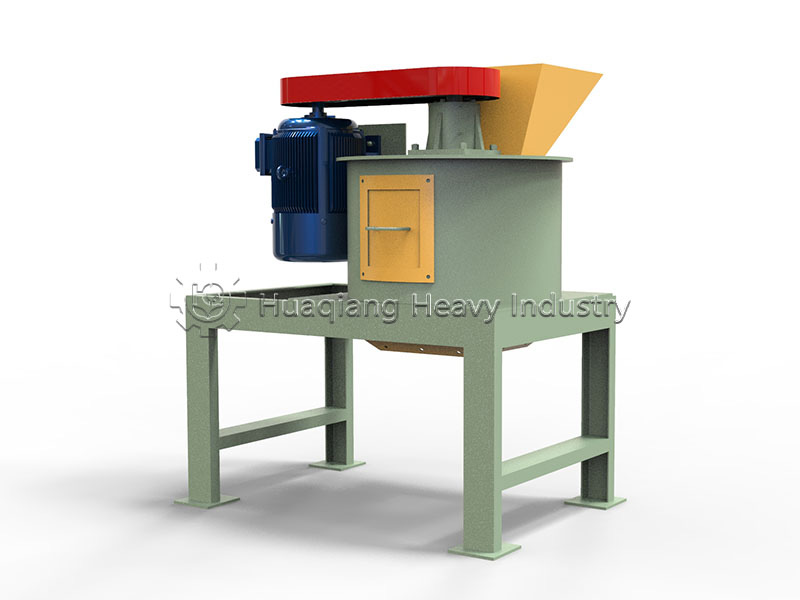
However, high-quality granulation begins with high-quality raw material pretreatment. Before the material enters the organic fertilizer disc granulator or other types of organic fertilizer granulators, the fertilizer crusher plays a vital “gatekeeper” role. It finely crushes any lumps or agglomerates, ensuring that the raw materials entering the granulation process are uniformly fine and loosely textured.

From the fine pretreatment by the fertilizer crusher to the precise shaping by the organic fertilizer disc granulator, the close coordination of these core organic fertilizer production equipment forms a highly efficient chain in the back-end processing of a modern organic fertilizer production line, greatly promoting the large-scale application and industrial upgrading of organic fertilizer.

From chicken coop to field: The modern processing journey of chicken manure

How are piles of damp, sticky poultry waste transformed into standardized commercial organic fertilizer on modern organic fertilizer production lines? Today, specialized chicken manure organic fertilizer machines have built a systematic path to rebirth, efficiently converting it into a valuable resource for nourishing the soil.

The journey begins with collection and pretreatment. Fresh chicken manure is transported by specialized equipment and scientifically mixed with auxiliary materials such as straw. This crucial pretreatment creates an ideal structure and carbon-to-nitrogen ratio for subsequent fermentation, from which the entire chicken manure organic fertilizer machine operates in synergy.

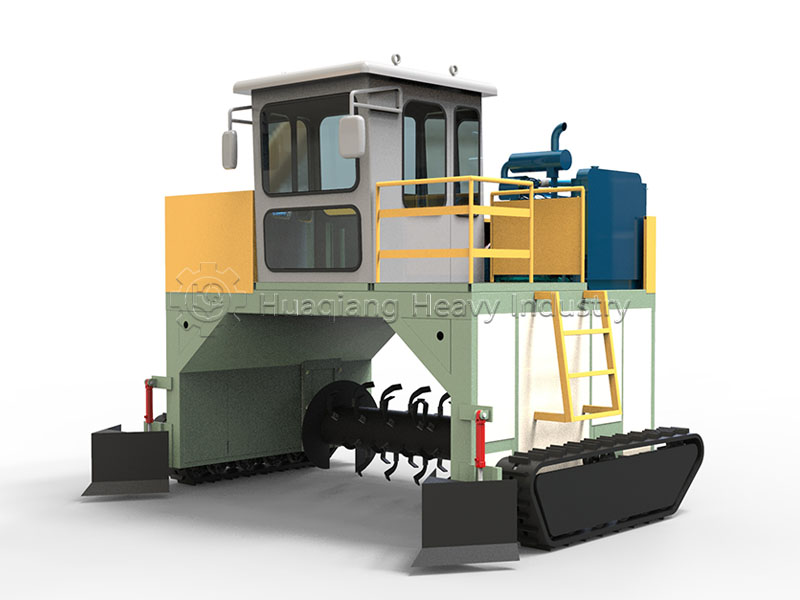
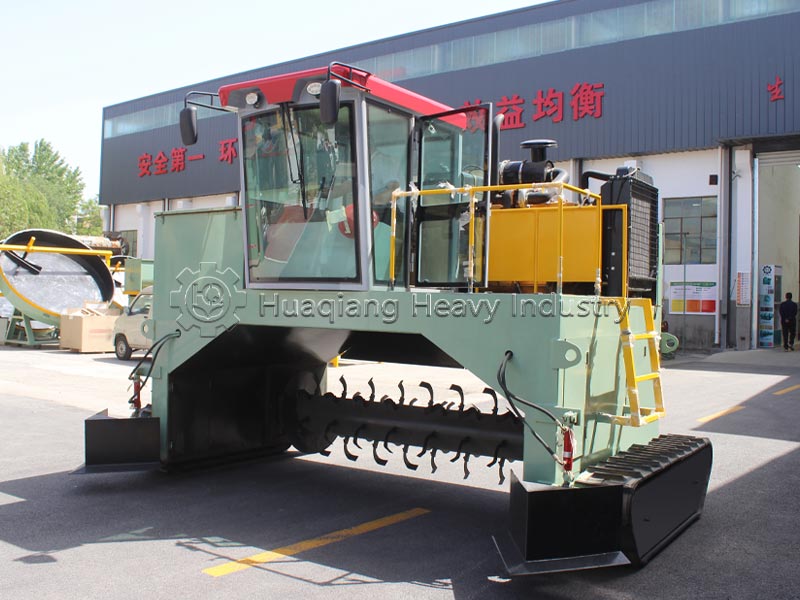
Harmless fermentation is the core of the transformation. In windrow fermentation fields, windrow compost turning machines play a key role. They move steadily along the pile, their wide tracks effectively overcoming the problem of soft ground, while their turning and throwing devices thoroughly break up and toss the material. With regular turning, the material comes into full contact with air, the temperature continuously rises under the action of microorganisms, and the pungent odor gradually transforms into an earthy smell, achieving the dual goals of safety and transformation.

Deep processing shapes the final form. After the composted material is crushed and screened, it enters the pelleting stage to improve its marketability. This is where the organic fertilizer granulator plays a crucial role. This transformation not only locks in nutrients and functional microorganisms but also makes it perfectly suited for mechanized application.

From the efficient fermentation of the windrow compost turning machine to the precise pelleting of the organic fertilizer granulator, modern chicken manure organic fertilizer machinery forms a complete value-added chain. This intelligent processing line not only solves environmental problems but also returns organic-rich resources to the land in a standardized manner.

Organic fertilizer production line: Value reshaping driven by granulation technology

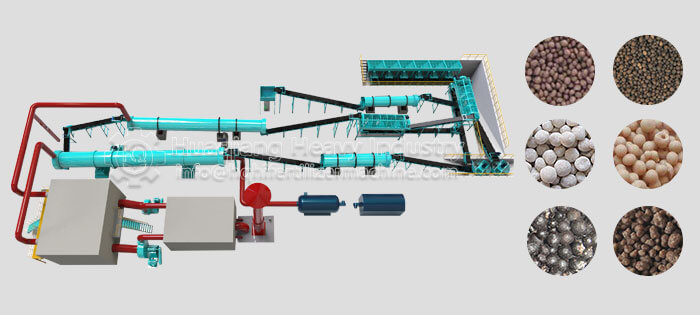
In modern organic fertilizer production, a complete and efficient organic fertilizer production line is not only a tool for processing agricultural waste, but also a key system for enhancing product standardization and commercial value. The core of this systematic production line lies in the precise matching and synergy of various specialized organic fertilizer production equipment. Together, they transform the loose raw materials after fermentation and decomposition into standardized, easy-to-use end products.

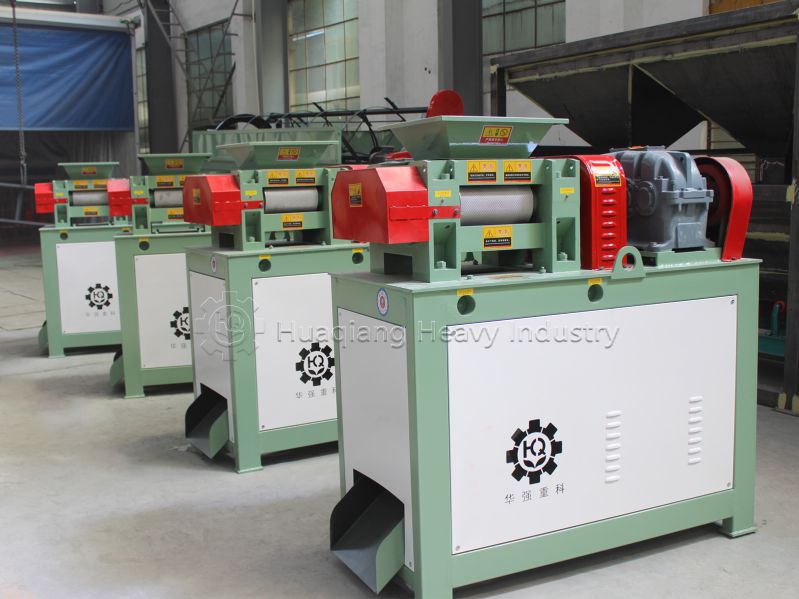
In the entire production process, the granulation stage is particularly important, directly determining the physical form and market competitiveness of the product. Among these, the organic fertilizer granulator, as the core forming equipment, offers flexible production options due to its technological versatility. Whether through extrusion, agglomeration, or rounding, modern granulators can efficiently transform powdery materials into solid, uniform granules, greatly improving fertilizer flowability and reducing dust loss during application.

Among numerous granulation solutions, the organic fertilizer disc granulator, with its unique working principle, exhibits specific technological advantages. This equipment has good adaptability to raw material moisture and fineness, and its granulation process is intuitive and controllable, making it a preferred solution in specific product areas.

With the increasing demands for product appearance in large-scale agriculture and the market, organic fertilizer granulators and their associated organic fertilizer production lines are playing an increasingly important role. They are propelling the organic fertilizer industry away from the era of coarse powder and towards a new stage of granulation and refinement, laying a solid material foundation for the large-scale promotion and mechanized application of organic fertilizer.

The synergistic approach of key equipment in organic fertilizer production lines

In modern organic fertilizer production, a complete production line achieves value enhancement from raw materials to finished products through the precise coordination of specialized equipment at each stage. This system transforms various organic wastes into high-quality organic fertilizers through a scientific process.

At the front end of the production line, the fertilizer crusher undertakes a crucial pretreatment task. It effectively breaks down lumps in the raw materials, ensuring the smooth progress of subsequent processes. The crushed raw materials are not only easier to mix evenly but also create favorable conditions for the subsequent fermentation process.

Next, the fertilizer mixer machine plays a key role. This equipment, through an efficient mixing mechanism, thoroughly mixes the raw materials of different components. This uniform mixing not only ensures a balanced distribution of nutrients but also guarantees the consistency of the fermentation process, laying a solid foundation for the production of high-quality organic fertilizer.

After the material has completed fermentation, the organic fertilizer granulator becomes the core equipment of the production line. Through unique molding technology, it transforms powdery materials into uniformly sized granular products. This transformation not only improves the product’s marketability but also gives it significant advantages in storage, transportation, and application.

The successful operation of the entire organic fertilizer production line relies on the precise coordination of each piece of equipment. From crushing and mixing to granulation, each step is closely linked, forming a highly efficient production system. This systematic production method not only ensures the stability of product quality but also greatly improves production efficiency.

From powder to granules: The value of granulators in modern fertilizer production

In modern fertilizer production, granulators perform a crucial transformation—transforming uniformly mixed powdery raw materials into neat, solid granules.

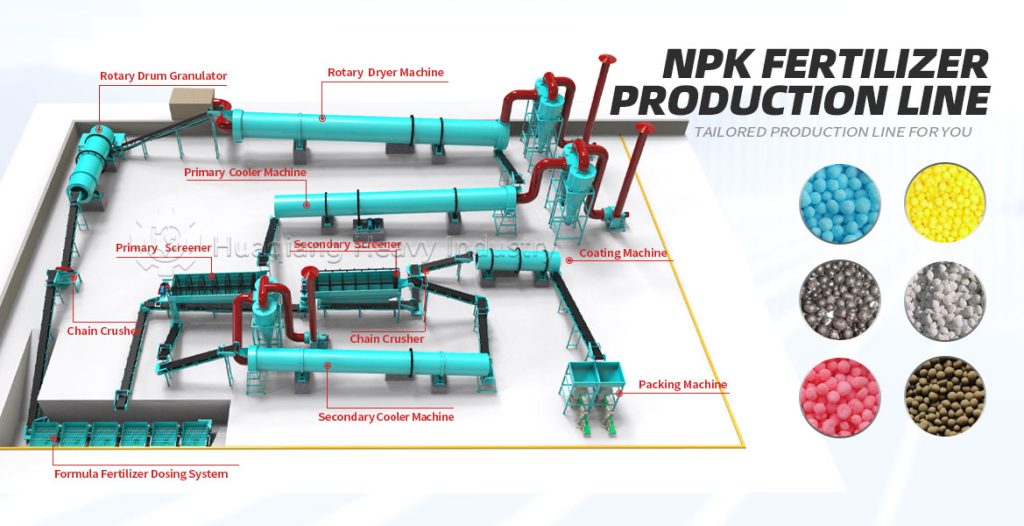
For production companies, the most direct change brought about by granulation is the optimization of physical properties. Granular fertilizers have better flowability, greatly improving the efficiency of packaging, transportation, and mechanized application. Whether on NPK fertilizer production lines or organic fertilizer production lines, this improvement in physical properties directly translates into economic benefits.

From an equipment application perspective, while specialized organic fertilizer granulators and chemical fertilizer granulation equipment have different technological focuses, their core objective is the same: to lay the foundation for subsequent processes by shaping ideal granules. In a complete organic fertilizer production line, the granulation process is often the core link between fermentation and composting and finished product packaging.

From an agronomical perspective, the uniform granule shape creates conditions for precision fertilization. On NPK fertilizer production lines, each finished product carries a precisely proportioned nutrient solution; while on organic fertilizer production lines, granules become the ideal carrier of organic matter and functional microbial communities. This consistency in form allows for more controllable nutrient release and more coordinated crop absorption.

This equipment, connecting raw materials and finished products, has become a core component of both NPK fertilizer production lines and organic fertilizer production lines. By reshaping fertilizer form, it not only enhances product competitiveness but also establishes an indispensable industry position in the trend of agricultural mechanization and precision.