No Absolute “Top 3” Fertilizers: Choose Based on Plant Needs
When it comes to the question “What are the top 3 fertilizers?”, the first thing to clarify is that there is no universal answer. Unlike fixed rankings of commodities, the “best” fertilizers are defined by plant needs, soil conditions, and growers’ preferences. In fact, the core of plant nutrition lies in three essential nutrients—Nitrogen (N), Phosphorus (P), and Potassium (K), collectively known as NPK. The so-called “top” fertilizers are mostly products optimized around these three nutrients or organic materials that improve overall soil health. Understanding their characteristics and application scenarios is the key to making the right choice.
Synthetic or chemical fertilizers, categorized by their nutrient focus, are widely recognized for their targeted and efficient nutrient supply, and can be regarded as the most commonly used “top” options in specific scenarios. First, nitrogen (N) fertilizers such as urea and ammonium nitrate are indispensable for promoting leafy green growth. Nitrogen is a core component of chlorophyll, which is vital for photosynthesis. For leafy greens like spinach, lettuce, and cabbage, nitrogen fertilizers are the top choice to ensure lush, tender foliage. Second, phosphorus (P) fertilizers, represented by diammonium phosphate (DAP), are crucial for root development, flowering, and fruiting. Crops in seedling stages or flowering and fruiting periods, such as tomatoes, peppers, and fruit trees, greatly benefit from phosphorus supplements, making these fertilizers a top pick for boosting yield and quality at these stages. Third, potassium (K) fertilizers like potassium sulfate support overall plant health by enhancing disease resistance and regulating water balance. They are essential for crops facing adverse conditions such as drought or pest pressure, and are also key for improving the taste and storage stability of fruits and vegetables.
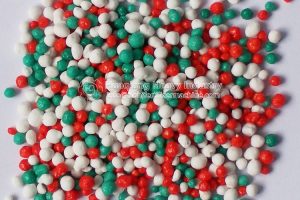
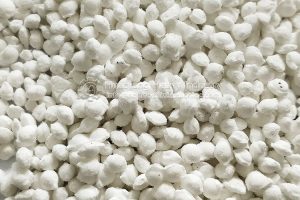
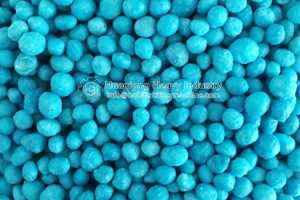
Organic fertilizers, which prioritize long-term soil health, are another category of “top” choices favored by eco-conscious growers. Compost and manure are leading representatives, offering slow-release nutrients that avoid nutrient runoff and soil degradation. They not only supply basic nutrients but also improve soil structure, enhance water retention, and nurture beneficial microbial life, laying a solid foundation for sustainable planting. Additionally, natural nutrient-specific organic fertilizers like blood meal (high in nitrogen) and bone meal (high in phosphorus) provide targeted nutrition while aligning with organic farming principles. Seaweed and kelp extracts, rich in trace elements and plant hormones, are also gaining popularity as top organic options for promoting balanced plant growth and stress tolerance.
Beyond these nutrient-focused options, balanced NPK fertilizers (e.g., 10-10-10) deserve mention as a “top” general-purpose choice. Their equal proportion of N, P, and K makes them suitable for a wide range of plants, including vegetables, lawns, and general garden plants, especially when soil conditions are unknown or plants have no special nutrient requirements. For plants with specific needs, specialized NPK fertilizers—such as high-phosphorus 10-20-10 for flowering plants and high-nitrogen 20-5-5 for leafy greens—are more targeted top selections.
In conclusion, the “top 3 fertilizers” are not fixed entities but rather a set of nutrient-focused solutions tailored to different needs. Whether it’s synthetic fertilizers for targeted nutrient supply, organic fertilizers for soil health, or balanced NPK fertilizers for general use, the best choice depends on a combination of factors: the type of plant (vegetables, flowers, leafy greens), soil test results, and whether organic or synthetic products are preferred. By focusing on plant needs rather than chasing a rigid “top 3” list, growers can select fertilizers that maximize plant health and yield while maintaining soil vitality.
Enabling Choice with Professional Manufacturing Systems
The availability of this diverse range of fertilizer options—from specialized synthetic blends to organic soil amendments—is made possible by sophisticated industrial manufacturing. Each product type relies on dedicated processes within the broader spectrum of professional fertilizer manufacturing equipment to translate agronomic formulas into consistent, high-quality products.
For instance, the creation of precise NPK formulations begins in a complete npk fertilizer production line. The npk fertilizer production process involves precise blending via an npk blending machine, followed by granulation. This shaping can be achieved using a disc granulation production line with a disc granulator for shaping, or via a roller press granulator production line with a double roller press granulator. In parallel, organic products are produced on an organic fertilizer production line, which starts with raw material processing using a windrow composting machine and culminates in granulation on a specialized bio organic fertilizer production line. Each type of fertilizer granulator, whether a disc granulator machine or a roller press, is a specialized tool that enables the industry to efficiently produce the vast array of “top” fertilizers that meet the precise needs of modern agriculture.
Thus, the final choice made by the farmer is underpinned by a complex and flexible manufacturing infrastructure capable of producing everything from general-purpose blends to highly specialized organic and synthetic formulas.