Rotary drum granulators are widely used in fertilizer processing due to their continuous operation and stable capacity. However, in practice, they frequently experience poor granulation, clumping, or inability to form granules, affecting efficiency and wasting raw materials. Granulation failures are mostly related to raw materials, equipment debugging, and operating procedures, rather than equipment malfunctions.
Improper raw material ratios and humidity control are the most common causes. Insufficient binder leads to poor granule adhesion and looseness; excessive humidity causes clumping and adhesion, while insufficient humidity prevents granulation; uneven mixing of raw materials also results in uneven granulation stress and failure.
Inadequate equipment debugging directly affects granulation results. Excessive rotary drum granulator speed creates excessive centrifugal force, making it difficult for the raw materials to bind; insufficient speed results in insufficient force on the raw materials and uneven granules. Furthermore, improper drum tilt angle and worn internal liners can lead to unreasonable raw material residence time, causing granulation failure.
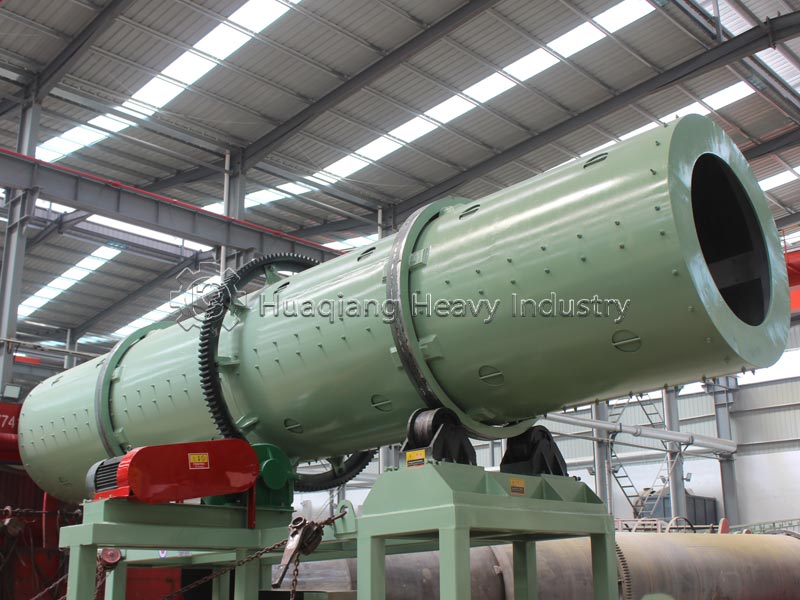
Improper operation and lack of maintenance exacerbate the probability of failure. Feeding too quickly leads to raw material accumulation, while feeding too slowly results in uneven particle size. Failure to clean equipment residue and inspect vulnerable parts over a long period can cause rotary drum granulator malfunctions, indirectly leading to granulation failure.
In summary, the core issue of granulation failure is improper coordination between raw materials, equipment, and operation. Controlling the raw material ratio and humidity, standardizing equipment debugging, and performing routine operation and maintenance can prevent failures and ensure smooth production.