Chain crushers are key equipment in the pretreatment of compound fertilizer raw materials. They are suitable for crushing various inorganic raw materials such as urea and potassium chloride. Their crushing effect directly impacts subsequent mixing, granulation, and finished product quality. Scientific operation can overcome production bottlenecks and improve overall capacity.
Precise raw material matching lays the foundation for high efficiency. Removing impurities from raw materials in advance prevents equipment damage; adjusting the crushing particle size according to the mixing and granulation requirements ensures fine and uniform raw materials, improves mixing accuracy, reduces rework losses due to uneven mixing, and balances efficiency and product purity.
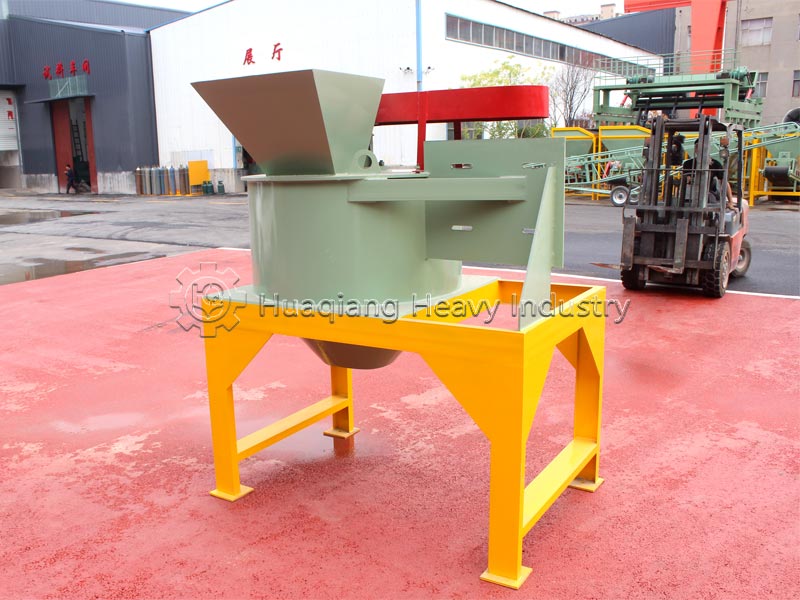
Optimizing equipment parameters improves crushing efficiency. Considering the differences in raw material hardness (such as phosphate rock powder is harder, urea is softer), adjusting the rotor speed and screen mesh size avoids high energy consumption and problems with substandard particle size, achieving both efficient crushing and energy saving.
Integrating with the production process reduces downtime losses. Linking with the mixing and blending processes to plan the feeding rhythm, and using conveying equipment for continuous operation, avoids blockages or idling, shortens the time between processes, and improves the overall operating efficiency of the NPK compound fertilizer production line.
Performing regular maintenance ensures stable operation. Regularly inspecting and replacing wear parts such as chains and liners, and cleaning residual materials in the chain crusher to prevent caking, extends equipment life and avoids production delays due to equipment failure.