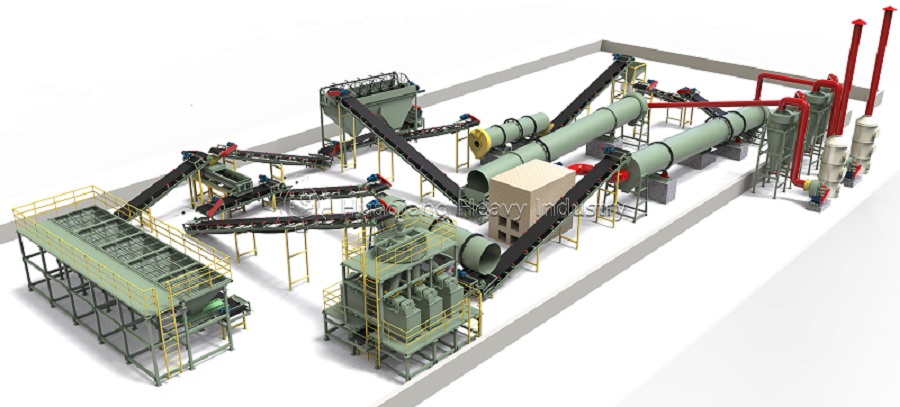
Practical strategies for improving fertilizer production efficiency with fertilizer granulators

Fertilizer granulators are core equipment in fertilizer production lines, and their operating efficiency directly determines overall production capacity. Improving efficiency is not simply about increasing speed; it requires a multi-dimensional approach involving raw material adaptation, parameter optimization, and maintenance support. The goal is to maximize production capacity while ensuring granule quality.

Raw material pretreatment: The moisture content of raw materials should be strictly controlled at 8%-12%. Excessive moisture can lead to sticking and clumping, increasing equipment load, while insufficient moisture makes molding difficult. Simultaneously, the materials should be crushed and screened to a particle size of ≤2mm and thoroughly mixed in a fertilizer mixer to prevent uneven composition, which can cause jamming or poor molding, thus clearing obstacles for efficient granulation.

Precise parameter matching: Based on the characteristics of the raw materials (hardness, specific gravity) and the target granule requirements, adjust the rotation speed, pressure, or inclination angle accordingly: lighter materials can have their speed increased to enhance propulsion, while high-hardness materials require increased pressure and reduced speed to ensure dense granules. Appropriate parameters can stabilize the granulation rate at over 90%, reducing rework losses and directly increasing production capacity per unit of time.

Daily maintenance: Regularly clean residual materials inside the machine, polish worn parts (such as roller surfaces and the inner wall of the disc), and check the transmission and lubrication systems to avoid sudden breakdowns and downtime. Also, match the granulator’s capacity with the preceding and subsequent processes to prevent material accumulation or insufficient supply, thus avoiding efficiency waste.

In summary, improving efficiency requires a comprehensive approach considering raw materials, parameters, and maintenance, forming a closed loop. This allows the equipment to perform at its best while ensuring stable granule quality.

Rotary Granulation vs. Roller Granulation: How to Choose Scientifically?

In compound fertilizer production, granulation technology is a key factor determining product quality, production efficiency, and overall cost. Currently, rotary granulation and roller granulation are the two mainstream technologies in the market, each with its own applicable scenarios and technological advantages. How can enterprises scientifically choose the right technology based on their own needs? The following analysis examines the technology from multiple dimensions, including technical characteristics, applicable conditions, and economic benefits.

Roller Granulation: A Sound Choice for Large-Scale Production

Roller granulation technology’s core advantages are “high pelletizing rate” and “large-scale production.” Its process principle involves using a rotating drum to thoroughly mix and roll the material and binder, gradually forming uniform particles. The pelletizing rate of this technology can typically reach over 95%, with a production capacity ranging from 1 to 20 tons/hour, making it particularly suitable for large-scale continuous production lines.

In terms of raw material adaptability, rotary granulation has good compatibility with various nitrogen, phosphorus, and potassium raw materials and can be used with common basic fertilizers such as urea, ammonium sulfate, and diammonium phosphate (DAP). The resulting granules have high strength, good sphericity, and excellent physical stability, making them suitable for long-term storage and long-distance transportation. Therefore, they are widely used in the large-scale production of NPK compound fertilizers and general-purpose compound fertilizers.

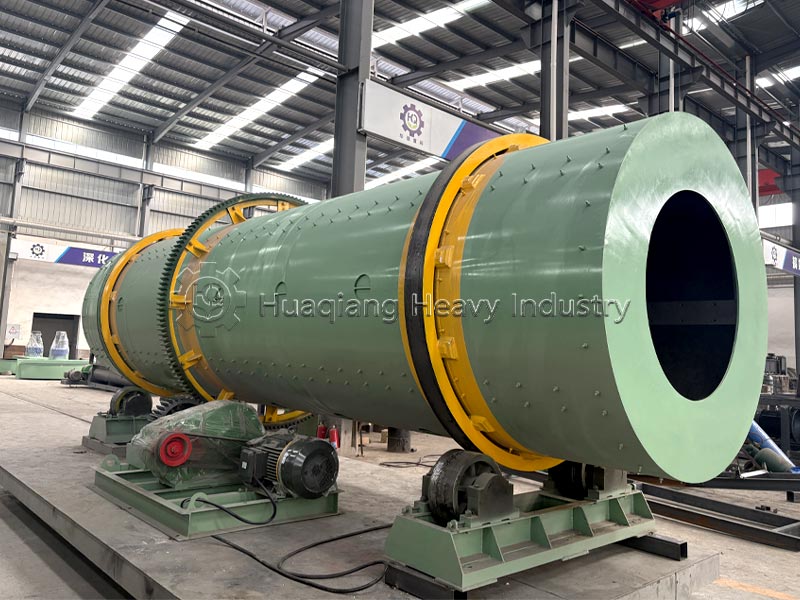
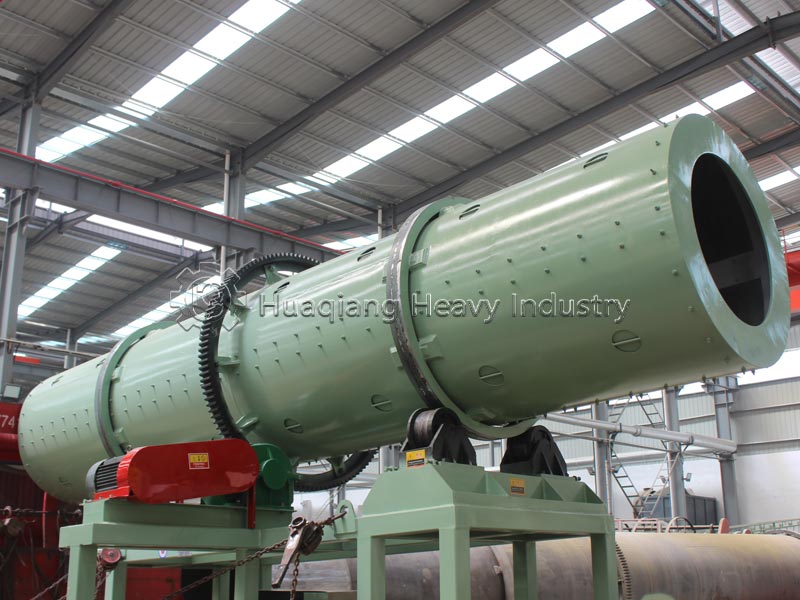
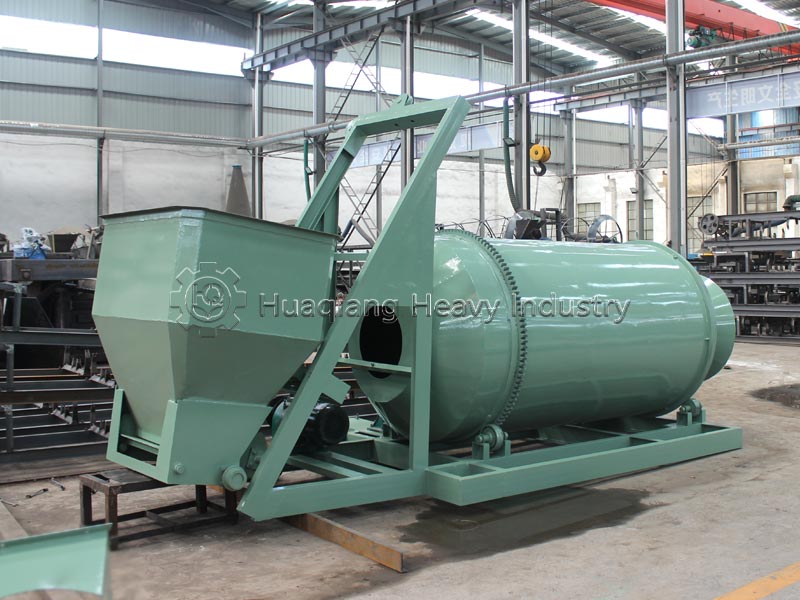
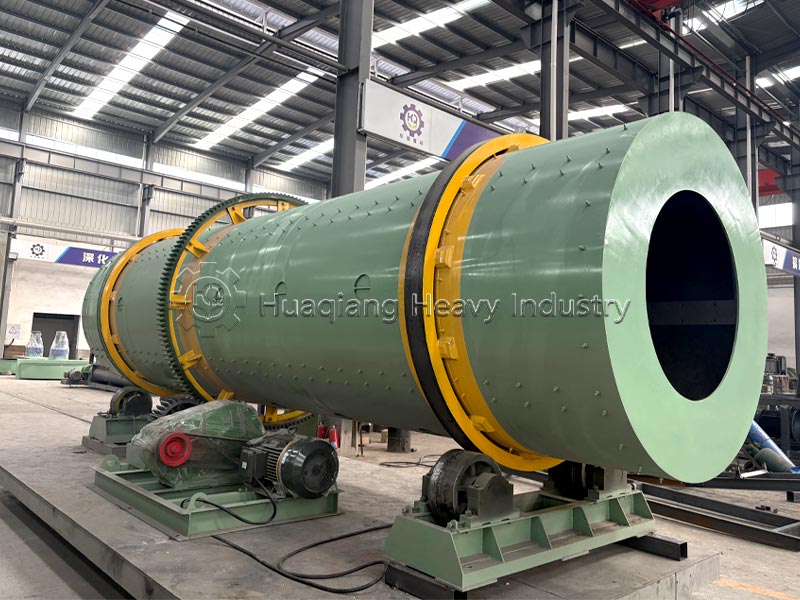
Taking Zhengzhou Huaqiang Heavy Industry’s rotary drum granulator as an example, its special rubber liner design enables automatic cleaning and removal of lumps and nodules, significantly reducing the problem of clumping and agglomeration, and lowering downtime maintenance frequency and manual cleaning costs. For large fertilizer companies pursuing stable mass production and high product standardization, rotary drum granulation remains the preferred solution due to its mature technology and reliable operation.
     

Roller Press Granulation: A New Path to Energy Saving and Flexibility

Roller press granulation technology highlights “room temperature molding” and “energy saving and consumption reduction.” This process directly presses powdered raw materials into shape through high-pressure extrusion by two rollers, eliminating the need for subsequent drying. Overall energy consumption can be reduced to about 60% of that of rotary drum granulation.

In terms of raw material processing, roller press granulation has no special requirements for material particle size and is particularly suitable for heat-sensitive raw materials and the addition of trace elements. The minimal temperature fluctuations in materials during production prevent the decomposition and loss of nutrients due to high temperatures, allowing for the precise incorporation of trace elements such as boron, iron, zinc, and copper. This makes it suitable for producing various specialized and functional compound fertilizers.

This technology also offers a production capacity flexibility of 1-20 tons/hour, but its relatively lower equipment investment and simpler process make it more popular with small and medium-sized fertilizer companies or manufacturers focusing on product customization. For example, a Malaysian customer chose Huaqiang Heavy Industry’s roller granulation production line, which was designed specifically for the local hot and humid climate, enabling rapid installation, commissioning, and stable operation, effectively meeting the regional market’s personalized needs for specialty fertilizers.
          

Key Considerations for Enterprise Selection

When choosing between these two technologies, companies should conduct a systematic evaluation from the following four dimensions:

Product Type and Raw Material Characteristics

If the main products are general-purpose compound fertilizers and large-scale standardized products, and the raw materials do not contain heat-sensitive components, roller granulation is more suitable. For producing specialized fertilizers containing heat-sensitive materials such as trace elements and humic acid, roller granulation better ensures the stability of active ingredients.

Capacity and Scale Requirements: Drum granulation is suitable for continuous, high-volume production with a high capacity ceiling and strong production line scalability; roller pressing, on the other hand, adapts to flexible production modes of multiple varieties and small batches, especially suitable for order-based and differentiated fertilizer products.

Energy Consumption and Overall Cost: Roller pressing eliminates the drying process, resulting in significant advantages in electricity and heat consumption, making it suitable for regions with high energy costs. While the initial investment for drum granulation may be higher, unit costs can still be controlled at a low level in ultra-large-scale production.

Maintenance and Operation: Drum granulation equipment requires regular cleaning and maintenance, but current automated cleaning technologies have significantly reduced the manual burden; roller pressing has a relatively simple mechanical structure and low maintenance frequency, but it places certain demands on roller wear, requiring careful material selection and maintenance.

Diverse Granulation Technologies for Fertilizer Production

This comparative analysis highlights the strategic choice between wet and dry granulation paths within fertilizer production machine technology. The rotary drum granulator represents the standard for large-scale, high-volume wet agglomeration in the npk fertilizer manufacturing process. In contrast, the roller press granulator production line operates on the principle of dry fertilizer granules compaction, where a fertilizer compactor applies high pressure, eliminating the need for drying. This method is a distinct and efficient pathway within the broader npk manufacturing process.

The selection of granulation equipment is a fundamental decision in designing fertilizer manufacturing plant equipment. While drum and roller press are primary for NPK, other technologies serve niche markets. For organic production, an organic fertilizer disc granulation production line offers gentle shaping. For small-scale or specialized pellet production, a flat die pelleting machine provides a compact extrusion solution. Thus, a comprehensive fertilizer equipment supplier must master this entire spectrum of technologies to provide truly customized solutions based on client-specific raw materials, capacity, and product goals.

Ultimately, there is no single “best” technology. The optimal choice is the one that aligns with the specific economic, agronomic, and operational parameters of the production facility, ensuring both product quality and long-term profitability.

Conclusion: In summary, drum granulation and roller pressing are not simple substitutes, but rather complementary technologies based on different product strategies and production conditions. For large enterprises producing general-purpose fertilizers, roller granulation is a solid and efficient cornerstone; for small and medium-sized enterprises focusing on specialty fertilizers, roller pressing offers an energy-saving and flexible growth path. In today’s era of green manufacturing and precision agriculture, scientific selection not only affects corporate profits but also impacts the final efficacy and sustainable competitiveness of fertilizer products. It is recommended that companies conduct pilot-scale trials before making decisions, combining their own raw materials, market conditions, and operational goals to make the most suitable technological investment.

Disc Granulator: A Classic and High-Efficiency Choice for Organic Fertilizer Production

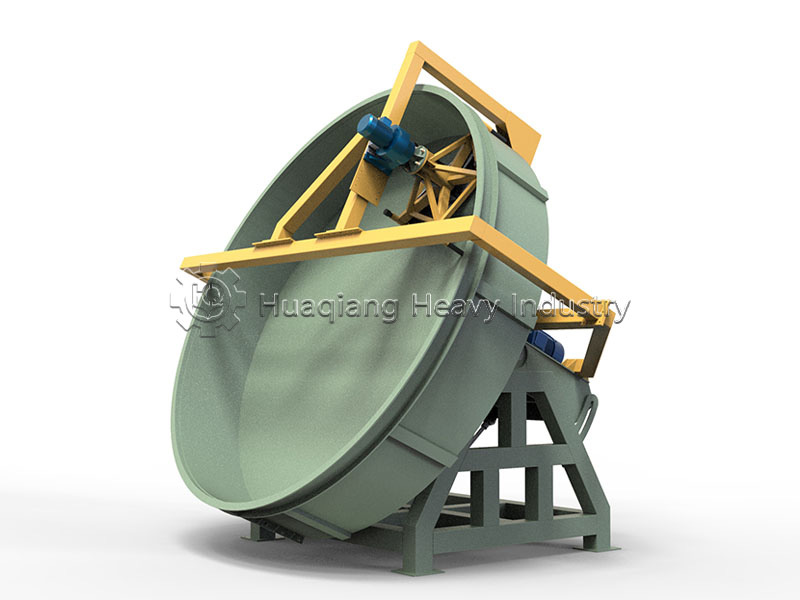
In the production of organic fertilizers, bio-fertilizers, and organic-inorganic compound fertilizers, granulation is a crucial process that gives the product its commercial form, improves application convenience, and enhances market value. Among numerous granulation equipment, the disc granulator, with its classic structure, intuitive operation, reliable operation, and outstanding cost-effectiveness, has always occupied a core position in small and medium-sized fertilizer production lines. Huaqiang Heavy Industry, combining years of technological research and development with project practice, provides an in-depth analysis of the application advantages, precise operation points, and systematic capacity optimization strategies of the disc granulator.

Core Advantages: Why Choose a Disc Granulator?

The advantages of the disc granulator stem from its ingenious working principle: well-mixed powdered materials are continuously fed into an inclined rotating disc, where, under the combined action of gravity, centrifugal force, and friction between materials, they continuously roll, agglomerate, and grow, ultimately forming uniform granules.

High pelletizing rate and excellent granule quality: Under mature process control, the pelletizing rate can typically be consistently maintained above 80%. The produced granules have good roundness, smooth surface, and excellent product appearance.

Easy to operate and maintain: The equipment structure is relatively simple, the operating principle is intuitive, and the technical requirements for operators are moderate. There are few daily maintenance points, and maintenance costs are significantly lower than some more complex models.

Highly adaptable and flexible: Particularly suitable for small-to-medium batch, multi-variety production, with convenient product formula switching. Good compatibility with organic materials, microbial agents, trace elements, and other additives.

Excellent cost-effectiveness: Under the same capacity requirements, its equipment purchase cost and subsequent energy consumption are usually more economical, making it an ideal choice for startups and cooperatives.

Precise Operation: Mastering Three Core Parameters While the disc granulator is “easy to use,” mastering its “effective use” hinges on the precise and coordinated control of three key process parameters: disc inclination angle, rotation speed, and raw material moisture content.

Disc Inclination Angle (typically 35°-55°): The inclination angle directly affects the residence time and rolling trajectory of the material within the disc. If the tilt angle is too large, the particles will roll off before they have grown sufficiently, resulting in a smaller particle size; if the tilt angle is too small, the particles will remain in the disk for too long, potentially causing overgrowth or even clumping. Fine-tuning is necessary based on material characteristics and the target particle size.

Disc rotation speed (typically 20-40 r/min): The rotation speed determines the magnitude of the centrifugal force on the material. Too high a speed will cause the material to be thrown towards the edge of the disk, resulting in insufficient rolling, irregular particles, and excessive powder; too low a speed will result in insufficient material lifting height, inadequate rolling, slow pelleting, and a wide particle size distribution.

Raw material moisture content (typically 25%-45%): Moisture acts as a “binder” for pelleting. Too low a moisture content will make it difficult for particles to form, resulting in more powder; too high a moisture content will cause the material to easily clump together, forming large pellets or causing a paste-like substance in the disk. Moisture content needs to be adjusted in conjunction with the amount of binder (such as bentonite or lignin sulfonate).

To reduce operational complexity, Huaqiang Heavy Industry’s intelligent disc granulator integrates a sensor and PLC control system, enabling real-time monitoring and automatic adjustment of tilt angle and speed for more stable and efficient production.

III. Capacity Optimization: Achieving Dual Improvement in Efficiency and Quality

To fully realize the equipment’s potential, system optimization across the entire production process is necessary:

Raw Material Pretreatment is Fundamental: Ensure the material entering the granulator meets the required fineness (ideally 80 mesh or finer) and is absolutely uniformly mixed (mixing uniformity coefficient of variation CV < 5%). Uniform and fine powder is the core prerequisite for forming uniform granules.

Scientific Selection of Binders: Given the poor binding properties of pure organic raw materials, scientifically adding an appropriate amount of binder is key to improving granule strength (reducing breakage rate) and one-time pelletizing rate. The optimal type and addition ratio must be determined through experimentation based on the raw material composition.

Maintaining Optimal Equipment Condition: Regularly (e.g., every shift or daily) clean the inner wall of the disc and the scraper of any adhering material to prevent hardening of accumulated material that alters the disc’s internal contour and affects material rolling patterns. Check the scraper wear to ensure it effectively cleans the bottom of the disc.

Standardized Operations: For mature products, the optimal combination of tilt angle, rotation speed, and feed rate should be determined and solidified through testing to form a Standard Operating Procedure (SOP) to ensure consistency across different shifts.

Case Study: Significant Benefits of Optimization A large agricultural cooperative in China adopted a φ2.2-meter disc granulator and a complete optimization solution provided by Huaqiang Heavy Industry when producing organic-inorganic compound fertilizer. Through refined raw material crushing and mixing, precise control of granulation humidity, and strict regular cleaning and maintenance, the production line’s capacity steadily increased from the designed 5 tons/hour to 7 tons/hour without major equipment modifications, and the granule qualification rate (particle size range and strength) remained above 90% for a long time. This not only directly increased output value but also significantly reduced the unit product production cost and enhanced market competitiveness by reducing rework rate and energy consumption.

Conclusion: The Modern Value of Classic Equipment As a timeless classic piece of equipment, the disc granulator’s value continues to be renewed with the support of intelligent control and systematic process optimization. For the vast majority of small and medium-sized fertilizer production enterprises, a deep understanding of its working principle, mastery of the key parameters, and comprehensive production management will enable them to stably and efficiently produce high-quality fertilizer products with this “economical and practical” equipment, thus winning their own place in the market competition.

Positioning Disc Granulation within Integrated Manufacturing

The disc granulator is a key piece of professional fertilizer manufacturing equipment within specific production lines. Its primary role of disc granulator for shaping is often employed in an organic fertilizer production line or a bio organic fertilizer production line, where it gently forms spherical pellets from moist organic powders. However, its application is not universal. For the mainstream npk fertilizer production process, high-volume production is often achieved using a rotary drum granulator. Alternatively, a double roller press granulator is chosen for dry compaction granulation. The choice depends on the material’s characteristics and production goals.

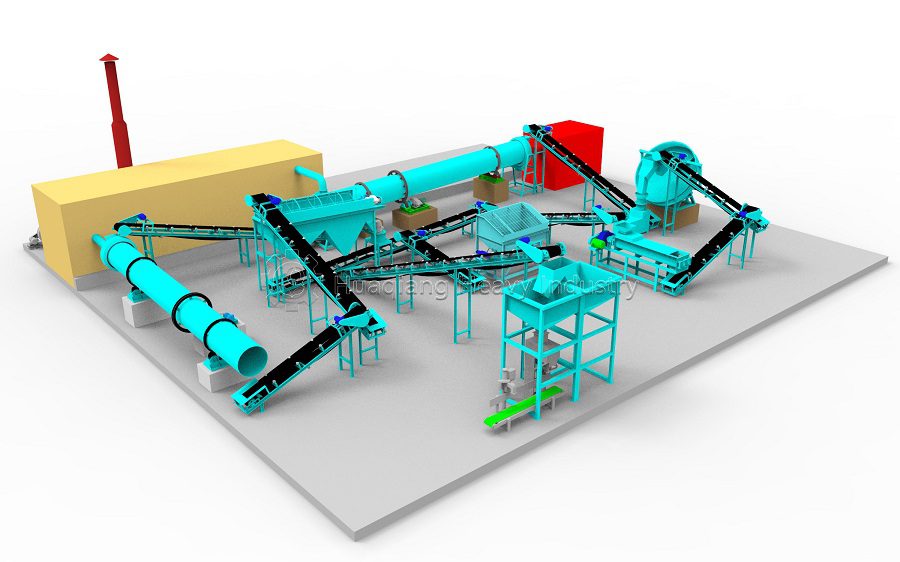
A complete npk fertilizer production line typically begins with precise batching using a npk bulk blending machine and other fertilizer raw material processing machinery and equipment. If a wet granulation method similar to disc granulation is chosen for NPK, a larger-scale rotary drum is often used instead. Thus, a disc granulation production line is specifically advantageous for small-to-medium scale organic or compound fertilizer production where gentle agglomeration and flexibility are prioritized over extreme high capacity.

Therefore, understanding the strengths and ideal applications of the disc granulator allows manufacturers to strategically integrate it into a broader equipment portfolio, selecting the optimal granulation technology for each product type and scale within a diversified operation.
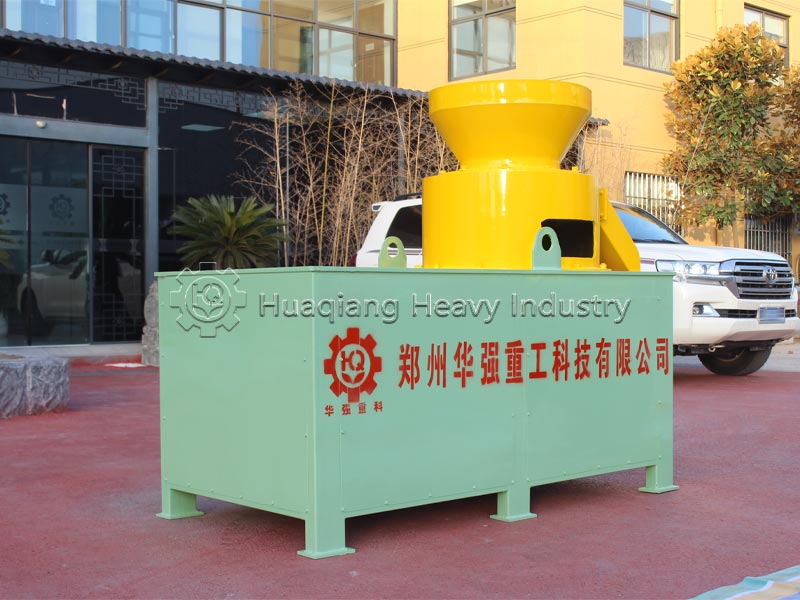
Organic Fertilizer Dryer Maintenance Guide

Scientific Maintenance Extends Lifespan, Meticulous Management Ensures Efficiency

In the organic fertilizer production process, the dryer is one of the key pieces of equipment determining the final moisture content, particle stability, and overall production capacity of the product. Operating under harsh conditions of high temperature, high humidity, and high dust levels for extended periods, scientific maintenance is not only fundamental to ensuring stable equipment operation but also a core management element for reducing failure rates, extending service life, and controlling production costs. With decades of industry experience and technological accumulation, Huaqiang Heavy Industry has developed a systematic dryer maintenance management system to help customers achieve efficient and economical operation throughout the entire equipment lifecycle.

Daily Inspection: Building the First Line of Defense for Preventive Maintenance

Effective maintenance begins with standardized daily inspections. Operators should complete the following key checks before starting the machine each day:

Cylinder and Liner Inspection: Observe the wear condition of the wear-resistant lining plates (usually lifting plates or special linings) on the inner wall of the drying drum. When the wear thickness at a single point exceeds 3 mm, replacement should be planned immediately. Otherwise, wet material is prone to sticking and accumulating on the bare plate, severely reducing heat exchange efficiency and potentially causing uneven heating of the cylinder.

Ventilation and Screen Inspection: Clean the screens and grids at the inlet and outlet to ensure no debris such as woven bag fragments, stones, or tangled fibers block the flow. Unobstructed ventilation paths are crucial for timely removal of evaporated moisture and maintaining the circulation of the drying medium.

Transmission System Lubrication: Check the oil level sight glasses of the main drive gear and support roller bearing housings to ensure the lubricating oil level is within the standard range. Use the specified type of high-temperature anti-wear lubricating oil and replenish it weekly to form an effective oil film in high-temperature environments, reducing gear meshing wear and bearing loss.

Regular Maintenance: The Core of Systematic Deep Maintenance

Based on daily inspections, a periodic deep maintenance plan must be established and strictly implemented.

Monthly Maintenance: Use an infrared thermometer to focus on checking the operating temperature of each support bearing and transmission bearing. If the bearing surface temperature consistently exceeds 80℃, the machine must be stopped immediately for inspection. Check for insufficient lubrication, bearing damage, or misalignment during installation to prevent bearing sintering due to overheating, which could lead to a major shutdown.

Quarterly Maintenance: After shutdown, thoroughly clean the inside of the dryer drum. During long-term operation, dust and low-melting-point semi-coke deposits will accumulate on the drum wall, forming a heat insulation layer. High-pressure water jet flushing combined with mechanical scraping should be used to remove the scale, restoring the heat transfer efficiency of the drum’s metal surface. This can significantly reduce fuel consumption.

Annual Overhaul: A comprehensive shutdown overhaul should be scheduled annually. Key points include: replacing all aging seals (such as kiln head and kiln tail seals) to prevent air and material leaks; inspecting and replacing worn conveyor belts or chain plates; calibrating temperature sensors, pressure sensors, and other monitoring instruments using standard instruments to ensure the accuracy of process parameter data acquisition and provide reliable data for automatic control.

III. Professional Support and Intelligent Upgrade: Advanced Maintenance System Guarantee

In addition to independent maintenance, leveraging the professional services of equipment suppliers can effectively improve maintenance levels. For example, Huaqiang Heavy Industry’s full lifecycle after-sales maintenance solution for its Ukrainian customers includes not only regular on-site inspections and fault diagnosis, but also optimization suggestions for drying process parameters based on local fuel characteristics and raw material moisture fluctuations. This service extends the trouble-free operating life of the customer’s dryer to over 8 years and reduces annual comprehensive maintenance costs by approximately 40%.

Furthermore, the introduction of predictive maintenance technology is the future direction. By installing vibration sensors and online oil monitoring devices in key areas and connecting to an IoT platform, real-time monitoring and big data analysis of equipment operating status can be achieved, providing early warnings of potential faults and upgrading the maintenance model from “regular prevention” to “precise prediction.”

Conclusion: Maintenance Creates Value Dryer maintenance is not simply “repairing when it breaks down,” but a systematic project spanning the entire service life of the equipment. It requires companies to establish standardized processes from daily inspections, weekly maintenance, monthly upkeep to annual repairs, and cultivate employees’ habits of standardized execution. Scientific maintenance management directly translates into less unplanned downtime, lower energy and material consumption, longer equipment service life, and more stable product quality. For organic fertilizer production enterprises, investing in the meticulous maintenance of equipment is investing in the core competitiveness and sustainable profitability of the production line.

Integrated Production: From Fermentation to Finished Granules

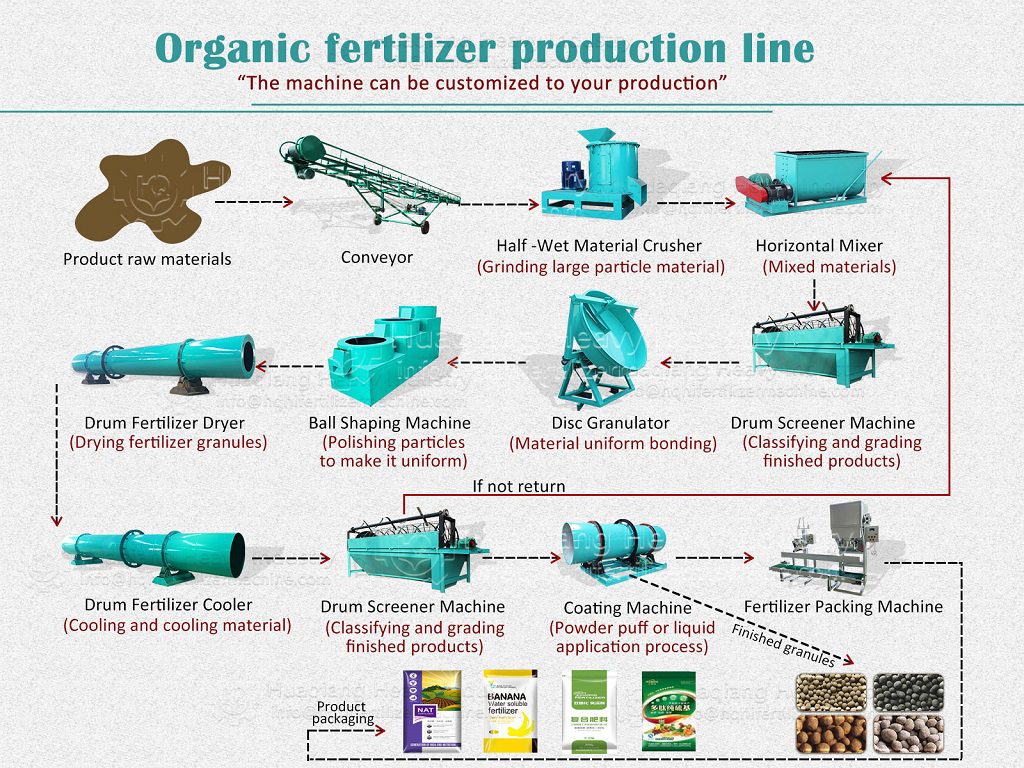
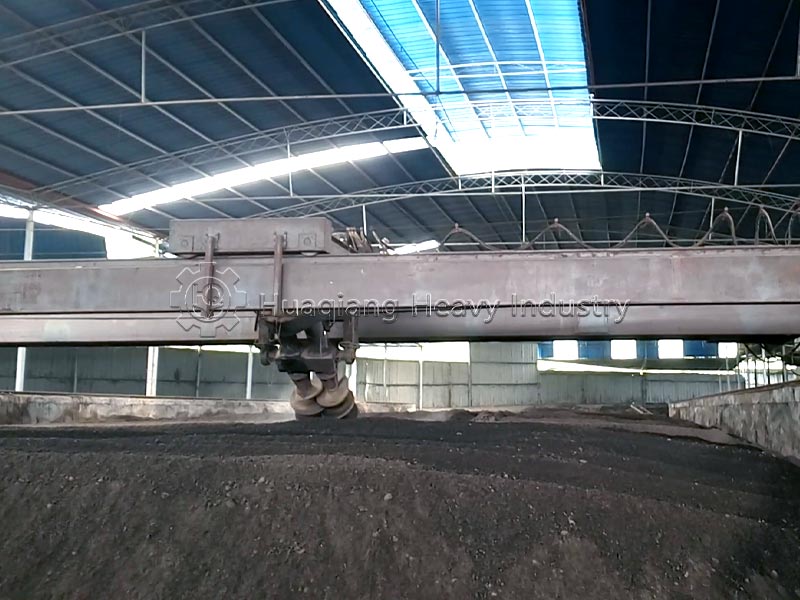
The well-maintained dryer is a critical component within a complete organic fertilizer manufacturing system. Its role is to process material from the preceding organic fertilizer fermentation process, which is often accelerated by equipment like a chain compost turning machine. Following drying, the core stage of organic fertilizer production granulation shapes the material into a marketable product. Several granulation technologies are available within an organic fertilizer production line. A traditional method is the organic fertilizer disc granulation production line, which forms spherical pellets. For higher capacity, a rotary drum granulator may be used.

The choice of granulator is diverse. For cylindrical pellets, a flat die pelleting machine is effective. For space and process efficiency, a new type two in one organic fertilizer granulator (or a new type organic fertilizer granulator) combines mixing and granulation. More complex setups, like an organic fertilizer combined granulation production line, integrate multiple methods. When the process incorporates specific microbial consortia, it becomes a specialized bio organic fertilizer production line. Ultimately, this integrated approach defines modern organic fertilizer manufacturing, transforming raw organic waste into a standardized, nutrient-rich agricultural input.

Therefore, each piece of equipment, from the compost turner to the dryer and the granulator, is a vital link in a synchronized chain. Professional maintenance of each unit ensures the reliability and efficiency of the entire system, maximizing the return on investment in organic fertilizer production.

Packaging and storage of fertilizer granules: A critical aspect for maintaining quality

The packaging and storage of fertilizer granules directly affect their nutrient stability, granule integrity, and shelf life, and must be adapted to the characteristics of granules produced by equipment such as rotary drum granulators and double roller press granulators. The core principle is to isolate the granules from external influences, prevent chemical reactions, and ensure safe storage and transportation, requiring adherence to specific operating procedures.

Packaging focuses on “sealing, leak-proofing, and easy identification.” Granules produced by rotary drum granulators require emphasis on moisture protection, while granules from double roller press granulators require enhanced protection against crushing. The preferred packaging material is a laminated woven bag with a PE liner, sealed with heat sealing or double-stitched seams to prevent leakage. Common packaging sizes are 25kg and 50kg, with labels indicating nutrient content, shelf life, and storage precautions. For granules that are easily hygroscopic or volatile, desiccants or moisture-proof inner liners can be added for enhanced protection.

Storage requires strict control of the environment and stacking methods. Storage spaces must be dry, well-ventilated, cool, and protected from light, with a relative humidity of ≤60% and a temperature of 5-30℃, to prevent granule caking and nutrient decomposition. When stacking, use pallets to elevate the bags 10-15cm from the ground and walls, and maintain a moderate stacking height to prevent crushing of the bottom layer of granules.

Furthermore, fertilizer granules produced by different fertilizer granulator machines should be stored separately to avoid mixing and potential chemical reactions; measures should be taken to prevent rodents and insects, and to prevent contamination. Regular inspections of packaging and granule condition are necessary, and any damage or caking should be addressed promptly.

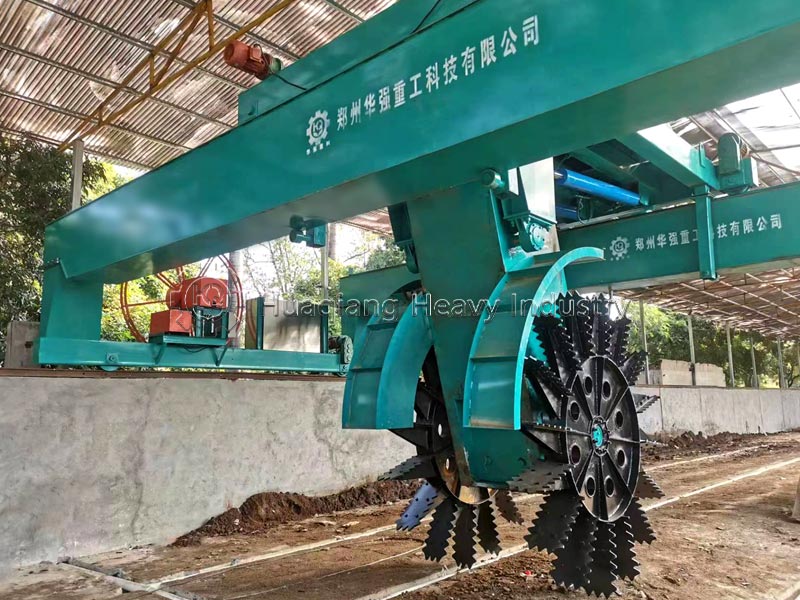
Is a large wheel compost turning machine a worthwhile investment?

The investment value of a large wheel compost turning machine depends primarily on the scale of composting, material characteristics, and site conditions; it’s not suitable for all scenarios. With its advantages of high-efficiency coverage and large-scale processing, it offers outstanding cost-effectiveness in medium-sized and larger composting projects. However, it’s crucial to avoid the pitfalls of “using a large machine for a small project” or inappropriate composting.

The return on investment is significant. For livestock manure and straw composting projects with a daily processing capacity of 200-500 cubic meters, a single large wheel compost turning machine can meet the demand, achieving a capacity utilization rate of over 90%, eliminating the need for multiple machines operating in clusters. Compared to large chain compost turning machines, its initial investment is only 1/3 to 1/2 of the former, and its energy consumption is lower.

Adaptability and automation enhance investment value. The machine’s compact design and small turning radius make it suitable for small to medium-sized fermentation sites, requiring no large-scale modifications and saving on site construction costs. The disc’s crushing tooth design can break up material clumps, making it suitable for mixed materials with a solids content of 30%-50%. Equipped with an intelligent control system, it can replace manual labor, reducing labor costs and is suitable for organic fertilizer production lines.

However, investment risks due to limitations in adaptability should be considered. For small projects (daily processing capacity <100 cubic meters), its use may lead to wasted capacity. High-moisture, high-viscosity materials can easily cause the discs to entangle, requiring pre-treatment and increasing costs. Furthermore, the equipment has certain requirements for site flatness; it is less suitable for narrow or indoor spaces, and blind investment may lead to inefficiency.

In summary, large wheel compost turning machines are worth investing in for medium-scale, loosely packed composting scenarios with open spaces, balancing efficiency and cost. If tailored to specific production capacities and material characteristics, the long-term cost savings and efficiency improvements will far outweigh the initial investment.

Chicken manure deodorization and composting system solution

Chicken manure is rich in organic matter and is a high-quality raw material for organic fertilizer. However, it easily produces foul odors and breeds bacteria, and improper handling can cause environmental pollution. An efficient organic fertilizer equipment for chicken manure deodorization and composting needs to achieve “deodorization throughout the entire process and efficient composting and maturation.”

Simultaneous deodorization and pollution reduction during the pretreatment stage is fundamental. First, screening is used to remove bedding impurities and stones from the chicken manure, reducing the load on subsequent processing; then, a physical + biological synergistic deodorization method is adopted: a spraying device is used to dilute soluble odorous substances, combined with a biofilter to adsorb and decompose ammonia, hydrogen sulfide, and other odorous gases, reducing odor diffusion at the source. At the same time, the moisture content of the chicken manure is controlled at 55%-60%, laying the foundation for subsequent composting, maturation, and deodorization.

The composting process achieves synergistic deodorization and maturation. Auxiliary materials such as straw and mushroom residue are added according to a carbon-to-nitrogen ratio of 25:1-30:1. A double screws compost turning machine or a large wheel compost turning machine is used for regular deep turning, which ensures ventilation and oxygen supply to the compost pile, inhibits anaerobic fermentation and the production of foul odors, and accelerates the decomposition of organic matter. Special deodorizing and composting microbial agents can be added to decompose odorous components and shorten the composting cycle, ensuring the inactivation of bacteria and insect eggs.

After composting is completed, ventilation and drying are used to further dissipate residual odors, and the nutrient and pollutant indicators of the organic fertilizer are tested to ensure compliance. The leachate generated during the composting process is collected and treated, then recycled for spraying and deodorization, achieving wastewater recycling.

How does a bulk blending fertilizer machine produce bulk blended fertilizers?

Bulk blended fertilizers (BB fertilizers) are characterized by their flexible formulation and uniform nutrient distribution. The bulk blending fertilizer machine, as the core production equipment, is involved throughout the entire process, and its operation directly determines the mixing quality. The entire production process revolves around the mixer, efficiently producing qualified products in four main steps.

Raw material pretreatment is fundamental to mixing. Single fertilizers such as urea and potassium chloride, as well as trace element raw materials, are processed through a fertilizer screener machine to remove impurities and crushed to ensure uniform particle size (80-100 mesh), with moisture content controlled at 8%-12% to prevent caking. Then, a precise metering system weighs the materials according to the formula, with an error of ≤±1%, laying the foundation for uniform mixing.

Layered feeding and precise mixing are crucial. A double shafts paddle mixer or a BB fertilizer mixer is preferred, following the principle of “fine before coarse, light before heavy”: fine and light raw materials are added first and mixed at low speed for 1-2 minutes, then coarse and heavy raw materials are added, and the speed is adjusted to 25-35 r/min for continuous mixing for 5-10 minutes.

During mixing, uniformity must be monitored in real time. Samples can be taken from the sampling port and the coefficient of variation of nutrients can be tested using the “quartering method.” If it is >5%, the mixing time should be extended or the feeding order adjusted.

After mixing is complete, the material can be discharged and stored. The qualified fertilizer is transported from the mixer’s discharge port to a bulk storage silo, or packaged in bulk form, avoiding secondary pollution and segregation throughout the process. In summary, the bulk blending fertilizer machine, through a scientifically designed process, achieves efficient conversion from raw materials to finished products and is key to large-scale production.

A comprehensive guide to the main types of compound fertilizers: Choose the most efficient option

Compound fertilizers come in a wide variety of types. The production of high-quality compound fertilizers largely relies on NPK fertilizer production lines, processed using core NPK fertilizer production equipment such as NPK fertilizer granulators. The core classification logic revolves around “nutrient ratio” and “functional suitability.” Different types differ significantly in nutrient composition and fertilizer efficacy characteristics, making them suitable for different crops and planting scenarios.

Based on the nitrogen, phosphorus, and potassium nutrient ratio, they can be divided into balanced and specialized types. Balanced types, such as 15-15-15 compound fertilizer, have equal amounts of nitrogen, phosphorus, and potassium, making them suitable for the entire growth period of field crops such as wheat and corn, and offering strong versatility; specialized types have targeted ratios, such as high-nitrogen types (25-10-10) suitable for leafy vegetables to meet the needs of branch and leaf growth; high-potassium types (15-10-25) suitable for the fruit expansion stage of fruits and vegetables to improve fruit sweetness and quality; and high-phosphorus types (10-25-10) suitable for the seedling stage of crops to promote root development.

Based on functional orientation, they can be divided into conventional compound fertilizers and functional compound fertilizers. Conventional compound fertilizers only provide basic nutrients to meet the basic growth needs of crops; functional compound fertilizers additionally contain humic acid, amino acids, trace elements, or beneficial microorganisms, and have functions such as soil improvement, stress resistance, and disease resistance.

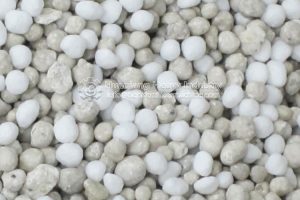
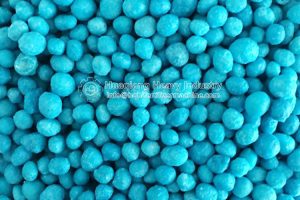
Based on form, there are granular and powdered compound fertilizers. Granular compound fertilizers are processed and shaped by NPK fertilizer granulators, offering stable fertilizer release and convenient storage and transportation, making them suitable for large-scale mechanized planting; powdered fertilizers dissolve quickly and are fast-acting, suitable for small-scale planting or stages where crops urgently need fertilization.

Troubleshooting Guide for Rotary Drum Granulator: Core Experience for Rapid Production Recovery

As the “heart” of an NPK compound fertilizer production line, a malfunction in a rotary drum granulator can directly lead to the shutdown of the entire production line, causing significant economic losses. Based on practical experience from over a thousand projects worldwide, the Huaqiang Heavy Industry technical team has systematically identified the three most common malfunctions of rotary drum granulators: uneven particle size, abnormal equipment vibration, and discharge blockage. They have developed an efficient and practical troubleshooting and resolution process to help companies minimize unplanned downtime.
  

I. Particle Quality Problem Analysis and Precise Control

Particle quality is the core of the pelletizing process, with common problems including uneven particle size and insufficient strength.

1. Uneven Particle Size (Varied Size, Poor Roundness)

Root Cause: Insufficient uniformity of raw material mixing or imbalance in process parameters. Among these, raw material moisture control is crucial. Excessive moisture (>30%) easily leads to the formation of large lumps, while insufficient moisture (<20%) hinders nucleation. The ideal range is 20%-30%.

Troubleshooting Steps: First, check the accuracy of the automatic batching system and whether the amount of binder (such as sulfuric acid, steam, water, etc.) added matches the flow rate of the main raw material; second, check the steam pressure and its uniformity; finally, sample and test the initial moisture content and particle size distribution of the raw material.

Solutions: Calibrate the batching scale and flow meter to ensure the error is within ±1%; install or optimize the atomizing nozzle to ensure uniform atomization of the binder; pre-dry or condition the raw material.

2. Low Particle Strength (Easily Broken, High Powdering Rate)

Core Cause: The internal structure of the particles is not compact, usually related to the drum speed, residence time, and liquid phase volume.

Solutions: While ensuring that the particles do not wear down due to excessive rolling, the drum speed can be appropriately increased to enhance the rolling compaction effect; or the amount of binder added can be slightly increased within the allowable range to promote liquid phase bridging between particles; check and optimize the drying temperature curve to avoid “overcooked on the outside and undercooked on the inside”.

II. Identification and Handling of Equipment Mechanical Faults Abnormal equipment vibration is a serious signal threatening equipment lifespan and operational safety.

Troubleshooting Path: First, perform “listen, look, and measure”—listen for abnormal noises, observe the smoothness of the drum’s trajectory, and use a vibration meter to check the amplitude of key components. The most common causes are dynamic imbalance of the drum (caused by uneven material distribution or localized scaling) or loose mechanical connections (anchor bolts, transmission connectors).

Remedial Measures: Immediately stop the machine and clean stubborn scaling inside the drum; use a level to re-measure and adjust the drum’s installation level; thoroughly tighten all anchor bolts and coupling bolts, and if necessary, install high-performance vibration damping pads on the base. For equipment operating for extended periods, regularly inspect and correct the wear and position of the support rollers and thrust roller assemblies.

Blockage in the discharge system is a sudden and acute failure that leads to production interruptions.

Prevention and Handling: Blockages are often caused by large pieces of debris in the raw materials or fragments from broken screens. A permanent magnet separator and a screening and impurity removal device should be added at the front end of the feed belt to eliminate foreign objects such as ironware, woven bags, and stones at the source. Meanwhile, a regular inspection system for screens should be established, and any worn or broken screens should be replaced immediately. In case of blockage, feeding should be stopped immediately, the maintenance door opened for manual cleaning, and the equipment jogged in reverse to assist in unblocking.

III. Building a Preventive Maintenance and Intelligent Support System Experience shows that systematic management is more important than emergency repairs after a breakdown.

Establish an operation log: Record key data such as drum speed, main motor current, bearing temperature, steam pressure, and output in detail daily. This data is a valuable basis for judging equipment operating trends and warning of potential faults.

Make good use of remote technical support: Professional support is crucial in the face of complex or sudden failures. Huaqiang Heavy Industry has established a global 24/7 online technical support network. Overseas customers can use instant messaging tools such as WhatsApp to send on-site videos, pictures, and data in real time. Engineers can conduct remote “cloud diagnostics,” providing a clear solution or guiding on-site personnel to complete repairs within an average of 4 hours, greatly reducing downtime.

Conclusion: From Reactive Maintenance to Proactive Management The stable operation of a rotary drum granulator relies on a deep understanding of the process principles, meticulous monitoring of equipment status, and an efficient fault response mechanism. Enterprises should solidify engineers’ practical experience into standard operating procedures and actively embrace new services such as digital remote support. This will allow them to build a modern equipment management system that moves from “reactive fault response” to “proactive predictive maintenance,” ensuring continuous, efficient, and high-quality production.

Comparative Granulation Pathways in Fertilizer Production

The detailed troubleshooting for a rotary drum granulator highlights the complexities of wet drum granulation technology, a cornerstone of the conventional npk fertilizer manufacturing process. This fertilizer granulation technology relies on a rotating drum granulator and liquid binders to form spherical granules, a method central to many npk fertilizer production process lines. In contrast, an alternative fertilizer production machine technology is the dry granulation method, embodied in a roller press granulator production line.

This dry method is based on fertilizer granules compaction (or fertilizer compaction), where high mechanical pressure is applied to powder without added moisture. The choice between these two core technologies fundamentally shapes the npk manufacturing process. Drum granulation is favored for high-volume production of spherical granules but requires careful moisture and binder control. Roller press compaction offers energy savings by eliminating drying but produces differently shaped granules. Each represents a distinct approach within the broader spectrum of modern fertilizer manufacturing.

Therefore, understanding the operational nuances and common failures of each granulation system is essential for plant managers. It allows for informed technology selection based on raw material properties and product requirements, and ensures efficient troubleshooting to maintain continuous production, whether in a drum-based or compaction-based facility.