What is the working principle of an organic fertilizer disc granulation production line?

In the field of organic fertilizer production, the organic fertilizer disc granulation production line has become the preferred equipment for small and medium-sized enterprises due to its short process and low investment. So, how does this equipment transform loose organic raw materials into uniform granules?

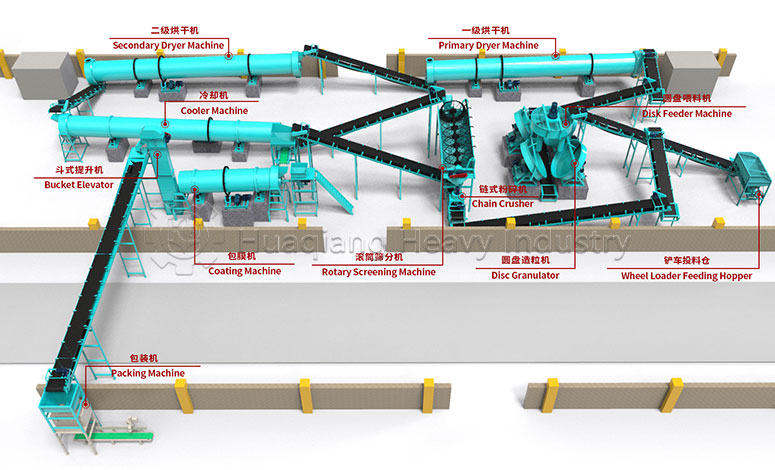
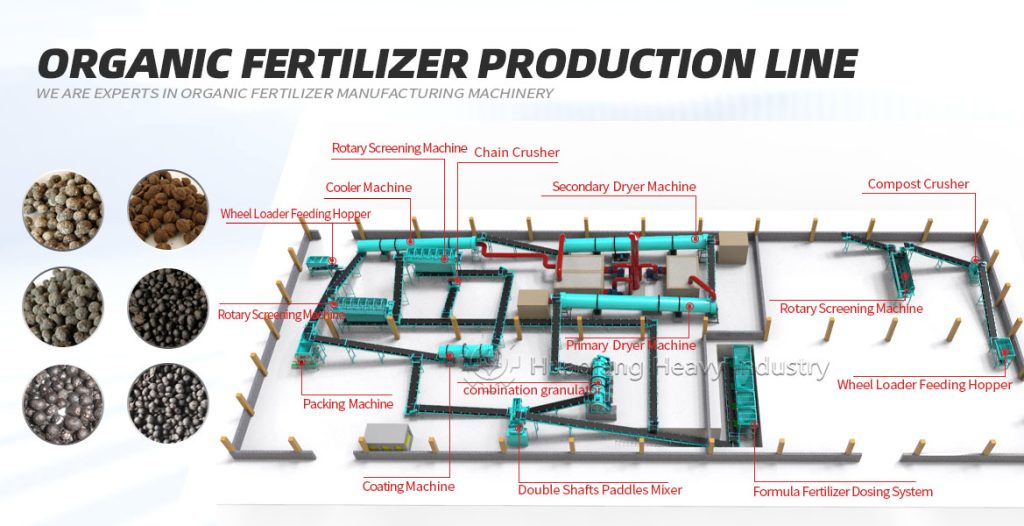
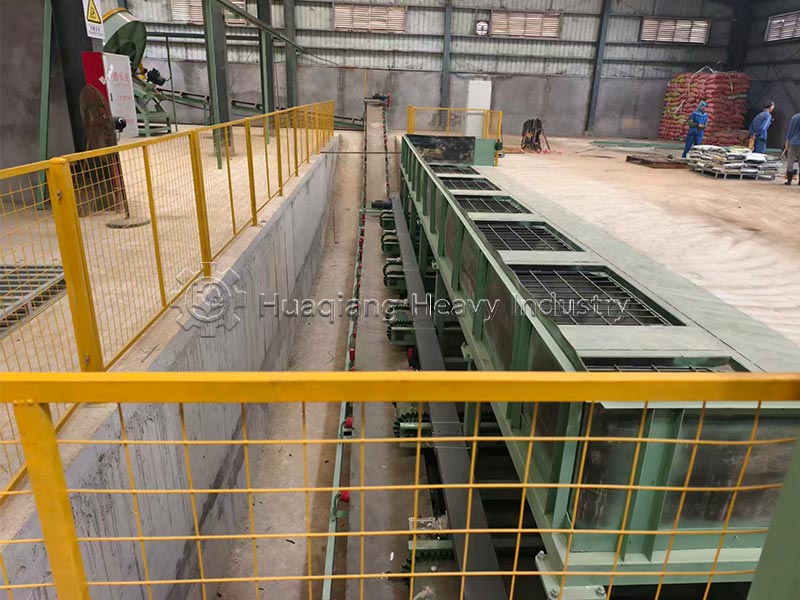
The entire production line’s workflow revolves around the organic fertilizer disc granulator, the core equipment, and works in conjunction with a multi-bin single-scale static automatic batching system, belt conveyors, coating machines, and other equipment. First, after the raw material pretreatment stage, the multi-bin single-scale static automatic batching system precisely proportions the nitrogen, phosphorus, potassium, and organic raw materials according to production needs, ensuring that the nutrient content meets the 20%-48% standard. This step lays the foundation for granule quality.

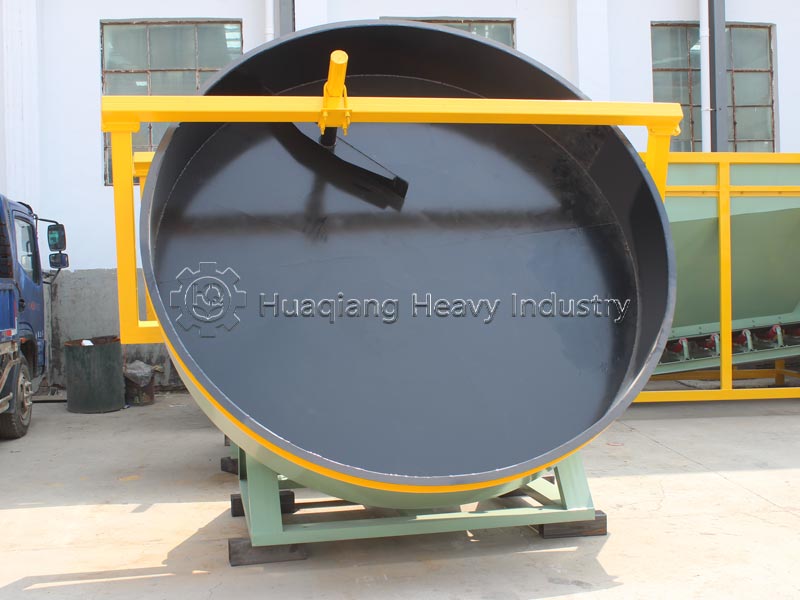
Next, the proportioned raw materials are uniformly transported to the disc granulator via a belt conveyor. The disc granulator adopts a large-angle tilt design (usually 30°-50°). When the motor drives the disc to rotate, the raw materials inside the disc are subjected to the combined action of centrifugal force, friction, and gravity, constantly tumbling and colliding. At the same time, according to the moisture requirements of the raw materials, the equipment precisely sprays an appropriate amount of binder, allowing the raw materials to gradually agglomerate into small particles. As the disc continues to rotate, the small particles continuously adsorb surrounding raw materials, gradually growing into uniform granules of 2-5mm – this is the key to the disc granulation process.

After the granules are formed, unqualified fine powder is separated through a screening device at the bottom of the disc and returned to the granulation process. Qualified granules are then transported to the coating machine for surface treatment to improve granule stability and moisture resistance. Finally, they are transported via belt conveyor to subsequent stages, completing cooling, packaging, and other processes, ultimately becoming finished organic fertilizer products ready for shipment.

Disc Granulator: Specialist in Spherical Particle Production

In the fields of fertilizer production and industrial manufacturing, disc granulators have become key equipment for producing high-quality spherical particles through their unique rolling granulation technology. This traditional yet efficient granulation method transforms powdered raw materials into uniform spherical particles through clever mechanical design, widely applied across multiple industries including fertilizer, metallurgy, and building materials.

Innovative Working Principle

The core working principle of disc granulators is based on synergistic effects of centrifugal force, friction, and gravity. When the inclined disc rotates at 5-30 revolutions per minute, materials roll and collide along specific trajectories within the disc. By spraying appropriate amounts of water or binders, powdered materials gradually adhere to form small particles, which then absorb more materials during continuous rolling, eventually forming regular spherical particles.

The ingenuity of the equipment lies in its adjustability. The disc’s inclination angle can be adjusted between 30°-60°, while rotation speed can also be regulated as needed, enabling the equipment to adapt to characteristics of different materials. This flexibility allows disc granulators to produce particles with sphericity exceeding 85%, providing great convenience for subsequent storage, transportation, and usage.

Wide Range of Application Fields

Disc granulators play important roles in multiple industries. In fertilizer production, they are particularly suitable for manufacturing organic and compound fertilizers. Spherical particles are not only aesthetically pleasing but, more importantly, possess good flowability and uniformity, facilitating mechanized and precise fertilization. In metallurgical industries, the equipment can transform mineral powders into particles suitable for sintering and smelting.

The building materials and chemical industries also represent important application fields for disc granulators. From cement raw materials to catalysts, from refractory materials to pigment particles, this equipment provides efficient production solutions. Differences in requirements across industries can be met by adjusting equipment parameters and using lining materials of different compositions.

Efficient Production Process

The production process of disc granulators is meticulously designed to ensure high efficiency and quality. Production begins with raw material pretreatment, including crushing, mixing, and moisture adjustment. Materials are then uniformly fed into the rotating disc while appropriate amounts of water are added through precisely controlled spraying systems.

During pellet formation, controlling material moisture content between 10%-20% is crucial. Excessive moisture causes particle agglomeration, while insufficient moisture makes formation difficult. Operators observe particle formation conditions in real-time, adjusting disc angle, rotation speed, and water spray volume to ensure optimal pelletization results. Granulated particles undergo screening and post-processing, ultimately becoming qualified finished products.

Significant Technical Advantages

Disc granulators possess multiple technical advantages. Firstly, the spherical particles produced have excellent flowability, facilitating mechanized operations. Secondly, the equipment structure is relatively simple, with both operation and maintenance being relatively easy, lowering usage thresholds. Thirdly, the equipment demonstrates strong adaptability to raw materials, capable of processing various material types.

Regarding economic benefits, disc granulators also demonstrate excellent performance. Equipment investment is relatively low with controllable maintenance costs, suitable for enterprises of different scales. Production efficiency is high, with single units capable of producing 1-20 tons of particles per hour, meeting large-scale production demands.

Scientific Maintenance Management

To ensure long-term stable equipment operation, scientific maintenance management is crucial. Daily maintenance includes equipment checks before startup, condition monitoring during operation, and cleaning work after shutdown. Regular inspection of wear part conditions and timely replacement of worn components are key to maintaining equipment performance.

With continuous technological development, disc granulators are also constantly innovating and improving. New material applications extend equipment lifespan, while introduction of intelligent control systems improves production efficiency. In today’s global pursuit of sustainable development and efficient production, disc granulators will continue playing important roles in particle production across various industries, providing reliable technical support for industrial production and agricultural development.

Integrating Disc Granulation into Comprehensive Fertilizer Manufacturing Systems

The disc granulator, a core machine for disc granulator for shaping spherical particles, plays a specific role within the broader spectrum of fertilizer granulation processes. In a complete npk fertilizer production line, powder prepared by a npk blending machine is often granulated using such equipment. The disc granulator machine is central to a disc granulation production line, which is one type of fertilizer granulator system suited for materials requiring high sphericity.

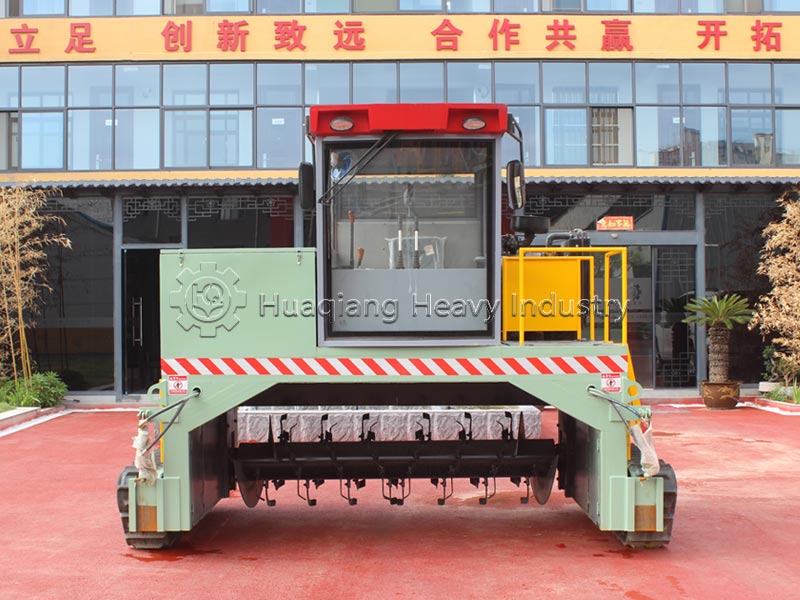
For organic fertilizers, the production chain is different. It often begins with a windrow composting machine for biodegradation before the material enters a separate organic fertilizer production line or a bio organic fertilizer production line. Here, the disc granulator may also be used, but alternative technologies like the double roller press granulator in a roller press granulator production line offer dry granulation options. This diversity in equipment—from disc granulators for wet forming to roller presses for dry compaction—highlights the sophistication of modern fertilizer granulation processes, allowing manufacturers to select the optimal technology, whether for an npk fertilizer line or an organic system, to produce high-quality, application-ready fertilizers efficiently.

How Organic Fertilizers Can Revive Ethiopia’s Soils

In sub-Saharan Africa, particularly in Ethiopia, farmers face a severe long-term challenge: their land is becoming increasingly “thin.” Soil acidification, nutrient depletion, and declining organic matter content act like invisible shackles, constraining crop yields and affecting the food security of millions. Chemical fertilizers once offered hope for boosting production, but their high cost, unstable supply, and long-term detrimental effects on soil structure and the environment have exposed their limitations. So, where is the way forward?

Mounting evidence points to an ancient yet renewed answer: organic fertilizers. By transforming agricultural waste into a valuable resource, Ethiopian farmers are exploring a path to restore soil health and achieve sustainable agriculture.

Soil “Hunger” and the Loss of Organic Matter

The Ethiopian Highlands, known as Africa’s “water tower,” are facing a soil crisis. Continuous cultivation, soil erosion, and overgrazing are rapidly depleting the soil’s organic matter and essential nutrients. Soil organic carbon is the core of soil fertility, acting like the soil’s “savings account” for nutrients and water. However, under tropical conditions, organic matter decomposes quickly, and this “account” is being severely overdrawn.

The traditional solution—chemical fertilizers—can quickly replenish elements like nitrogen and phosphorus, but it’s akin to giving the soil only a “stimulant.” It fails to address the fundamental issues of damaged soil structure and organic matter deficiency. It is expensive and does not provide the “food” needed by soil microbes. In the long run, soil health continues to deteriorate.

The Treasure at Hand: Overlooked Agricultural Waste

Surprisingly, the resources to solve the problem are right around the farmers. Crop residues, livestock manure, processing waste… These materials, often seen as “trash,” are actually rich in organic matter and various nutrients. Ethiopia’s diverse agro-ecological zones, from the humid highlands to the arid lowlands, all generate substantial amounts of such organic resources. In the past, these resources were either discarded or burned openly, their value left untapped.

Now, there is a growing recognition that scientifically processing this waste can transform it into “black gold” that nourishes the soil. This not only reduces environmental pollution but also saves farmers money on fertilizer purchases, creating a low-cost, sustainable model of circular agriculture.

Turning Waste into Wonder: Three Key Transformation Technologies

Transforming agricultural waste into effective organic fertilizers primarily involves three popular and smallholder-friendly technologies:

Composting: This is the most traditional and widely used method. Manure, straw, weeds, and other materials are layered in piles. Over several months, through the action of microorganisms, they decompose into a stable, mature, and odorless dark brown substance—compost. Compost improves soil structure and releases nutrients slowly, but the production cycle is long, and nutrients (especially nitrogen) can be lost if not managed properly.

Vermicomposting: This is a more efficient and “smarter” method. It uses earthworms (particularly species like Eisenia fetida) to digest organic waste. The excreted castings of the worms, known as “vermicompost,” are a fine, granular fertilizer. Rich in beneficial microbes and plant growth hormones, vermicompost has higher nutrient content and is more readily available to plants, earning it the title “king of organic fertilizers.” It significantly enhances soil biological activity.

Biogas Digestion: This is a “two-birds-one-stone” process. Manure and other organic materials are anaerobically fermented in a sealed biogas digester. This produces clean biogas for cooking and lighting, while the byproduct—bioslurry—is a high-quality liquid organic fertilizer. Bioslurry has comprehensive nutrients, is fast-acting, and can even help with disease and pest control. The government is actively promoting household biogas digesters to address both energy and fertilizer needs simultaneously.

Visible Benefits: Nourishing Land, Boosting Yields

Research shows that using these organic fertilizers brings tangible benefits to soil and crops:

Soil Improvement: They act like soil “prebiotics” and “binders,” increasing soil organic matter, loosening compacted soil for better aeration, and enhancing water and nutrient retention.

Balanced Nutrition: Organic fertilizers contain not only nitrogen, phosphorus, and potassium but also calcium, magnesium, sulfur, and various trace elements, providing a more comprehensive diet for crops and avoiding the nutrient imbalances caused by single-chemical fertilizers.

Activating Life: They provide abundant food for beneficial soil organisms like microbes and earthworms, helping to establish a healthy, vibrant soil ecosystem—the foundation for long-term fertility.

Increased Yield and Resilience: Numerous field trials confirm that the judicious application of organic fertilizers, or their combined use with small amounts of chemical fertilizers, can steadily increase the yields of staple crops like maize, wheat, and teff. More importantly, healthy soil allows crops to better withstand climatic shocks like drought.

Challenges and the Future

Of course, promoting organic fertilizers is not without challenges. Farmers need to master proper production and application techniques. Organic fertilizers are bulky, requiring more labor for transport and application. Their nutrient release is slower, necessitating better alignment with farming schedules.

However, faced with the dual pressures of volatile fertilizer prices and soil degradation, investing in the valorization of organic waste is undoubtedly a wise choice for Ethiopian agriculture to move towards sustainability. It is not just a technical issue but a shift in mindset: from relying on external inputs to tapping into and recycling resources within the farming system itself.

By turning “waste” into “wealth,” Ethiopian farmers are using their wisdom to awaken the sleeping land, writing a hopeful chapter for food security and ecological restoration. This path proves that the most effective solutions are often embedded within the natural cycles of farming tradition itself.

Scaling Up Organic Fertilizer Production for Sustainable Agriculture

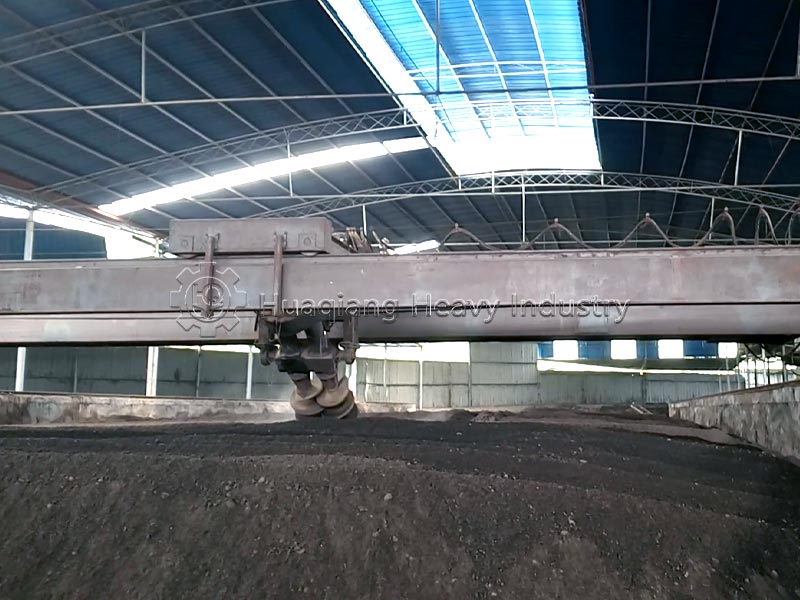
The on-farm practices of composting, vermicomposting, and biogas digestion in Ethiopia demonstrate the foundational principles of organic fertilizer manufacturing. These decentralized methods of organic fertilizer fermentation can be scaled up through more systematic approaches. Modern fermentation composting turning technology, utilizing equipment like the chain compost turning machine for smaller operations or the large wheel compost turning machine for larger windrows, significantly improves the efficiency and consistency of the decomposition process.

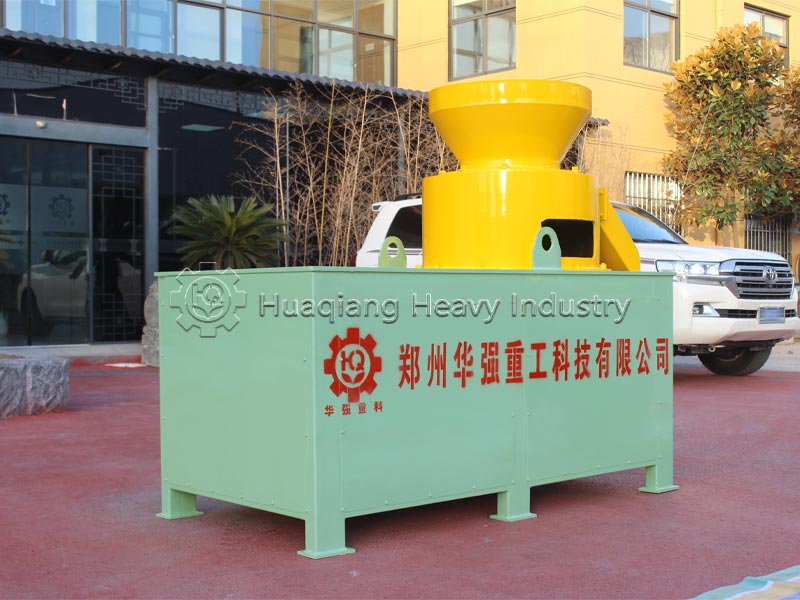
To transform locally produced compost into a standardized, marketable product, the material can be integrated into a formal organic fertilizer production line. This line would include an organic fertilizer granulator—such as a new type two in one organic fertilizer granulator that combines mixing and shaping—to create uniform pellets. For enhanced biological value, this process can be part of a bio organic fertilizer production line, inoculating the compost with beneficial microbes before granulation. This hybrid model, connecting localized waste collection and initial processing with centralized, efficient manufacturing, offers a scalable pathway to produce high-quality organic fertilizers that can restore soil health, boost yields, and build agricultural resilience across Ethiopia and similar regions.

What is the process of wet granulation?

Wet granulation is a key process in fertilizer production, transforming fine powders into uniform, stable pellets. This method not only improves the physical properties of fertilizers but also enhances their efficiency in storage, transportation, and application. For global agriculture, uniform granular fertilizers mean more precise fertilization and higher crop yields. Below, we explore step-by-step the specific workflow of wet granulation in fertilizer manufacturing.

Raw Material Pretreatment: Laying the Foundation

It all starts with preparing the raw materials. Common fine powder materials in fertilizer production, such as urea, phosphates, or potash salts, are first screened and weighed. Using vibrating screens or air-jet sieves, lumps and impurities are removed to ensure purity. Controlling initial moisture content is crucial—typically kept below 5% to prevent caking or degradation in subsequent steps. This stage sets a stable foundation for the entire granulation process.

Binder Preparation: Providing Cohesion

The binder acts as the “glue” in wet granulation, bonding powders together to form pellets. In the fertilizer industry, common binders include natural materials like starch or synthetic ones like polyvinyl alcohol. The binder is usually dissolved in water due to its low cost and environmental friendliness; for moisture-sensitive materials, organic solvents like ethanol may be used. Through heating and mixing in a stirrer, a uniform binder solution is formed and then cooled to room temperature. The concentration and viscosity of the binder directly affect pellet quality and strength.

Mixing and Granulation: Creating Pellets

This is the core step where raw materials and binder come together. In large-scale rotary granulators or high-shear mixers, dry fertilizer powders are first briefly mixed to ensure homogeneity. Then, the binder solution is gradually added via a spraying system while the equipment continues to agitate. As the liquid wets the powder, fine particles begin to agglomerate into small pellets. Operators must closely monitor the process to avoid over-wetting (which can cause clumping) or under-wetting (leading to fragile pellets). In fertilizer production, this step often emphasizes efficiency and large-scale processing, resulting in preliminary wet granules.

Wet Screening: Ensuring Uniformity (Optional Step)

To achieve consistent pellet size, wet granules may be sieved through vibrating screens. This step breaks down oversized lumps and controls pellets within an ideal range (e.g., 10-20 mesh). It promotes more even drying and enhances the final product’s aesthetics and functionality. In small-scale production, manual sieving may also be used.

Drying: Solidifying Pellet Structure

Wet granules contain significant moisture and need drying to solidify and stabilize them. In the fertilizer industry, fluidized bed dryers are commonly used, fluidizing pellets with hot air for rapid and uniform drying. Drying temperatures are typically controlled between 40-80°C to avoid thermal degradation of active ingredients (such as nitrogen). The goal is to reduce moisture content to 1-3%, ensuring pellet hardness and storage stability. Drying time and air velocity are adjusted based on pellet size and material properties.

Dry Screening and Milling: Refining the Final Product

Dried pellets undergo final sieving using 16-40 mesh screens to separate pellets that meet specifications. Oversized pellets can be crushed in hammer mills and re-sieved, while fine powder is recycled and mixed with new raw materials to re-enter the granulation process, minimizing waste. This step ensures uniform particle size distribution in the fertilizer, leading to more consistent coverage and dissolution during application.

Applications and Advantages

Fertilizers produced via wet granulation offer improved flowability for mechanical sowing, higher bulk density to save storage and shipping space, and controlled dissolution rates to suit different crop needs. Additionally, pellets reduce dust, making them more environmentally friendly and safe. From home gardening to large-scale agriculture, this process supports sustainable global food production.

In summary, wet granulation is both a science and an art in transforming fertilizer powders into efficient pellets. Through precise step control and parameter optimization, it delivers more powerful and reliable fertilizer products, driving global agriculture toward an efficient and green future.

Diverse Granulation Technologies in Modern Fertilizer Manufacturing

The detailed workflow of wet granulation processes represents one of the two primary pathways in modern fertilizer formation. In contrast, dry granulation processes rely on physical fertilizer granules compaction using specialized equipment like the fertilizer compaction machine, avoiding liquid binders entirely. Both methods are integral to different stages of the npk manufacturing process, with equipment selection depending on raw material properties and final product requirements.

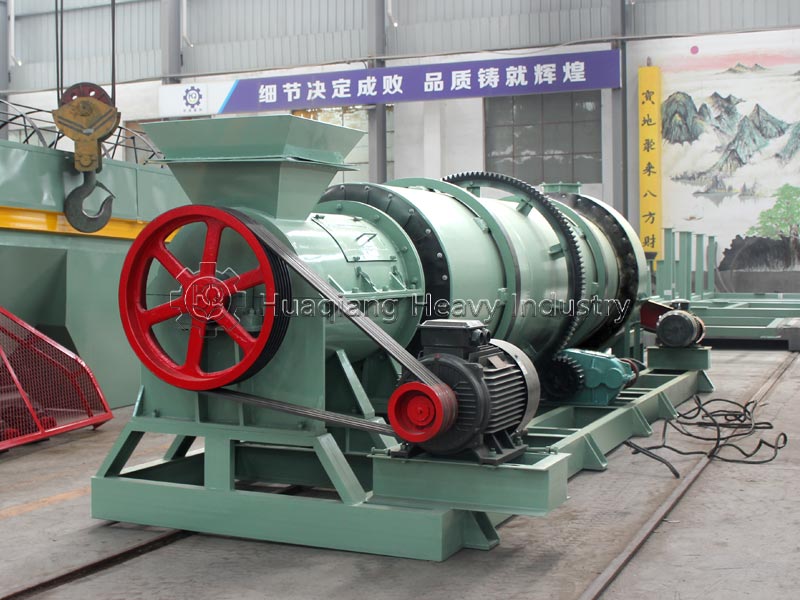
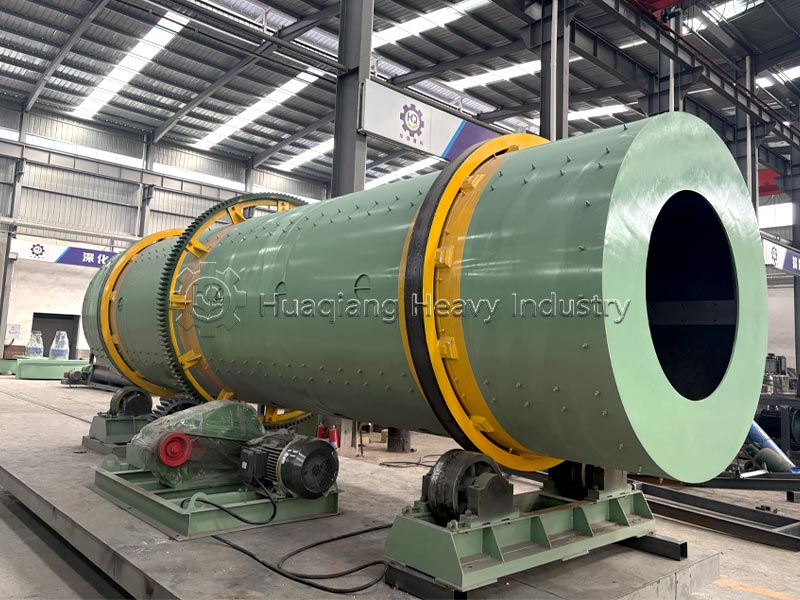
Within a complete fertilizer production machine system, wet granulation often employs equipment like the rotary drum granulator for large-scale processing, while dry methods utilize a roller press granulator production line. Similarly, the organic fertilizer manufacturing process may use a disc granulation production line for shaping composted materials. The choice between these fertilizer processing machine technologies—whether utilizing fertilizer compaction or liquid binding—allows manufacturers to optimize for efficiency, product quality, and specific agricultural applications, ensuring a steady supply of effective and user-friendly fertilizers to support global food production.

The “Pre-treatment Powerhouse” of bio-organic fertilizer production lines

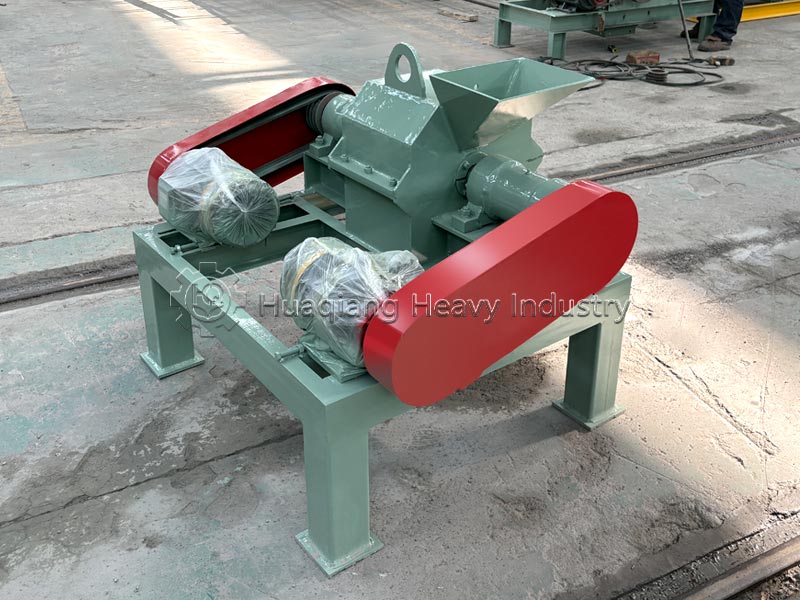
In the bio-organic fertilizer production process, the efficiency of the pre-treatment stage directly determines the quality of subsequent production, and the half-wet material crusher is the core equipment in this stage. As one of the key pieces of bio-organic fertilizer equipment, it perfectly solves the problem of processing high-humidity materials, ensuring the stable operation of the bio-organic fertilizer production line.

Traditional dry crushers often encounter problems such as clogging and low efficiency when processing wet materials such as wet straw and composted organic fertilizer due to material adhesion. However, the half-wet material crusher, with its special design, can easily handle wet materials with a moisture content of 30%-60%. Its built-in anti-clogging device prevents material adhesion, and the high-speed rotating crushing elements quickly crush the wet material into uniform particles through impact, cutting, and grinding. This not only reduces equipment failures but also improves the efficiency of subsequent fermentation and granulation processes.

In a complete bio-organic fertilizer production line, the half-wet material crusher usually connects the raw material pre-treatment and fermentation stages. For example, when processing agricultural waste, it first crushes wet straw, livestock manure, and other raw materials to a suitable particle size, increasing the contact area of the materials and allowing for more thorough microbial fermentation; when used in conjunction with other bio-organic fertilizer equipment such as chain crushers and horizontal crushers, it can flexibly adapt to different raw materials and meet diverse production needs.

In addition, this equipment also has the advantages of convenient maintenance and controllable particle size. For organic fertilizer production enterprises, choosing a high-quality half-wet material crusher can effectively improve the overall production capacity of the production line and contribute to the development of green agricultural circular economy.

From equipment to process, how to choose the right NPK fertilizer production line?

In the process of agricultural modernization, the demand for high-quality compound fertilizers has surged, making NPK fertilizer production lines core equipment for fertilizer companies expanding production. However, faced with a variety of equipment and processes, choosing a production line that suits their specific needs is a challenge for many industry professionals.

First, let’s look at the core equipment configuration. A complete NPK fertilizer production line needs to cover key stages such as raw material processing, mixing, granulation, drying, and cooling. In the raw material processing stage, a fertilizer crusher can crush large raw materials to a suitable particle size, and with a precise batching system, the proportion of nitrogen, phosphorus, and potassium components can be strictly controlled; for the mixing stage, a fertilizer mixer machine is recommended, and a double shaft paddle mixer can achieve a raw material mixing uniformity of over 95%; granulation is the core process, with disc granulators suitable for small and medium-sized capacities, while double roller press granulators are suitable for high-hardness granule requirements, and companies can choose according to their needs. Subsequent drying, cooling, and coating machines, along with fertilizer screener machines, ensure that the finished granules are uniform and have a qualified moisture content, and finally, automatic packaging is achieved through packaging machines, improving production efficiency.

At the process level, automation is key. A high-quality NPK fertilizer granulation process requires a PLC control system for full monitoring, precisely adjusting parameters from raw material proportioning to drying temperature, ensuring stable nutrient content in the finished product and reducing energy consumption. Choosing the right NPK fertilizer production line is not just about purchasing a set of equipment, but also laying the foundation for the long-term development of the enterprise. Combining capacity, finished product requirements, and manufacturer services will allow the production line to truly become a profit engine.

Optimizing double roller press granulator process to boost organic fertilizer production

Double roller press granulators are key equipment in modern organic fertilizer production lines. Optimizing their process directly impacts a company’s output and economic benefits. With the rapid growth of organic farming, how to improve organic fertilizer production through technical upgrades to these granulators has become a major focus for many manufacturers.

1.Optimizing Raw Material Pre-treatment

Grind raw materials to 40-60 mesh. Control moisture content between 20%-25%. Adding suitable binders like bentonite or lignin can significantly improve granulation rate and reduce return material. This is expected to increase output by around 15%.

2.Precise Adjustment of Roller Parameters

For general organic fertilizer production: Set the nip gap between 1.5-2.5mm. Maintain roller pressure at 8-12MPa. Control line speed at 0.8-1.2m/s. Installing pressure sensors and automatic adjustment systems allows for dynamic optimization, improving particle formation rate.

3.Die Selection and Maintenance

Hole Size: 3-6mm suits most organic fertilizers. Open Area Ratio: Maintain between 30%-40%. Regular polishing extends die life. Recommend professional maintenance every 500 tons of material processed to ensure smooth discharge.

4.Coordinated Optimization of Supporting Equipment

Precise batching system (error <1%). Efficient mixer (mixing uniformity >95%). Energy-saving dryer (thermal efficiency >65%). Systematic upgrades like this can increase the entire line’s output by 30%-50%.

Through comprehensive optimization of the double roller press granulator process, organic fertilizer producers can significantly boost production without adding more machines.

When fertilizer meets extrusion: The art and science of granulation

In modern fertilizer production, fertilizer compaction machines and flat die pelleting machines are quietly changing the form and future of fertilizers. Unlike chemical reaction equipment, they don’t attract attention, but with their unique mechanical charm, they transform powdered fertilizer into uniform granules.

Stepping into the production workshop, you’ll see fertilizer compaction machines working steadily. They use powerful mechanical pressure to “compress” loose powdery raw materials into dense ribbons. This process involves no high temperatures and no binders.

The flat die pelleting machine, on the other hand, showcases another kind of ingenuity. The horizontally placed die acts like a precision sieve; the material, under the pressure of the rollers, passes through the holes in the die, instantly becoming uniformly sized granules.

The combination of these two devices creates surprising possibilities. Powdered fertilizers that are prone to clumping become more fluid, easier to store and apply. Active ingredients are firmly locked inside the granules, reducing drift loss during use and making nutrient release more controllable.

More importantly, this physical granulation method has opened new doors for the development of specialty fertilizers. Whether it’s a compound fertilizer requiring the addition of trace elements or a special fertilizer for specific crops, it can all be achieved by adjusting the mold and process parameters. On the path to sustainable agricultural development, equipment like fertilizer compaction machines and flat die pelleting machines are playing a unique role.

Facilitating efficient organic fertilizer production and promoting green agricultural development

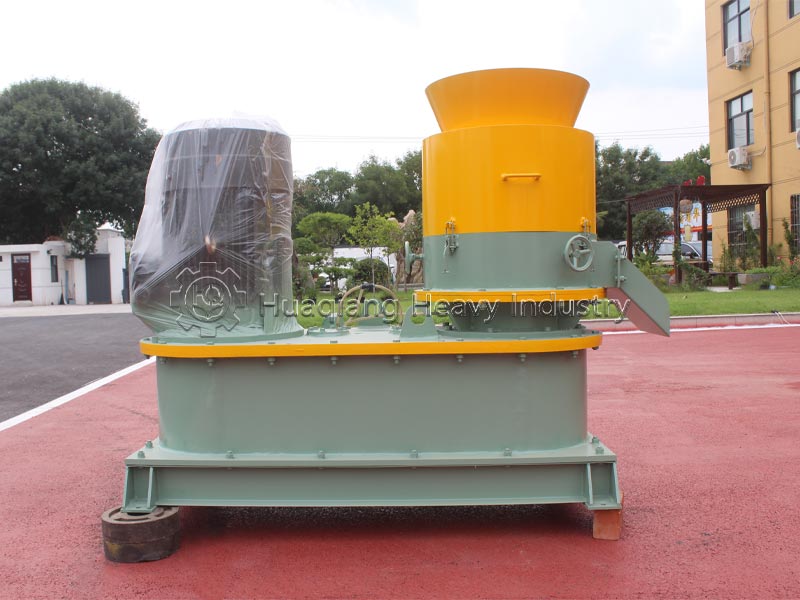
In the field of organic fertilizer production, a highly efficient and reliable granulation equipment is crucial, and the organic fertilizer disc granulator is a highly favored choice. As the core organic fertilizer granulation equipment, it can accurately convert fermented organic raw materials such as livestock and poultry manure and straw into granular organic fertilizer, injecting strong momentum into green agricultural development.

The organic fertilizer disc granulator offers significant advantages. Its granulation rate exceeds 95%, far surpassing ordinary granulation equipment. The main gear is treated with high-frequency quenching, doubling its service life and reducing equipment replacement costs. The equipment adopts an inclined disc design, coupled with adjustable rotation speed and inclination angle, allowing it to adapt to different types of organic raw materials. Whether the material is powdery or slightly viscous, it can be efficiently granulated, fully demonstrating its strong material adaptability.

From a workflow perspective, it is simple and scientific to operate. First, the organic raw materials are pre-processed, crushed to a particle size of 0.1-1mm and thoroughly mixed, and then evenly fed into the disc by the feeding device. At the same time, the water spraying device precisely sprays an appropriate amount of water to maintain the material’s moisture content at 10%-20%. As the disc rotates, the materials tumble and bond under the action of centrifugal force, friction, and gravity, gradually forming granules with a sphericity exceeding 80%. Finally, after screening, unqualified granules are returned for reprocessing, ensuring the quality of the finished product.

This equipment is not only suitable for small and medium-sized organic fertilizer production plants but can also be integrated into large-scale organic fertilizer disc granulation production lines, working in conjunction with supporting equipment such as fertilizer crushers, mixers, and dryers to build a complete organic fertilizer production equipment system. The resulting granular organic fertilizer has uniform nutrients, high strength, is easy to store and transport, and can also improve soil structure and enhance soil fertility.

Chain compost turning machines: An efficient tool for organic waste treatment

In the context of green agricultural development and the resource utilization of organic waste, the chain compost turning machine has become a core piece of equipment for large-scale organic fertilizer production plants and composting facilities, providing strong support for aerobic fermentation processes.

This equipment is specifically designed for processing organic waste such as livestock manure and crop straw, efficiently addressing the problems of low efficiency and long fermentation cycles associated with traditional composting methods. Compared to simple compost turning machines and hydraulic compost turning machines, the chain compost turning machine, with its unique chain-driven turning mechanism, can penetrate deep into the compost pile, achieving uniform material mixing and significantly improving oxygen supply efficiency, thus accelerating the decomposition and transformation of organic materials.

In bio-organic fertilizer production lines, the role of the chain compost turning machine is particularly crucial. Its automated control system can precisely adjust the turning frequency and depth, and with the optional oxygen supply system, it allows organic waste to ferment rapidly under suitable conditions, transforming into high-quality organic fertilizer in just a few weeks. The equipment is also highly adaptable, seamlessly integrating with organic fertilizer production lines and assisting in the environmentally friendly and large-scale operation of agricultural waste treatment projects, reducing pollution while creating economic value.

For companies pursuing efficient production, the advantages of the chain compost turning machine are significant: its durable chain structure is suitable for long-term, high-intensity operation, its flexible walking system can adapt to irregular sites, and its automated operation reduces labor costs. Whether used in conjunction with windrow compost turning machines for multi-scenario operations or independently in large-scale composting projects, it can drive the upgrading of the organic fertilizer industry with its stable performance, injecting momentum into the development of green agriculture.