Reasons for the Growing Demand for Bio-Organic Fertilizer Production Lines

As agriculture moves toward green and sustainable development, demand for bio-organic fertilizer production lines is growing rapidly, primarily due to the following key factors.
Policy guidance is a key driver. Many countries have introduced specific policies to support the development of the bio-organic fertilizer industry. For example, the European Union has implemented a “Farm to Fork” strategy, which explicitly calls for reducing the use of chemical fertilizers. It subsidizes farms that use bio-organic fertilizers and offers tax breaks to bio-organic fertilizer manufacturers. For example, Germany exempts bio-organic fertilizer manufacturers that meet environmental standards from some corporate income tax. The United States has established a special fund to support the construction of bio-organic fertilizer production lines and has enacted regulations to strictly restrict the indiscriminate disposal of agricultural waste. This has encouraged farms and businesses to transform livestock and poultry manure, crop straw, and other products into usable resources through bio-organic fertilizer production lines, reducing pollution while creating economic value. Evolving market demand is also crucial.

With rising consumption, green and organic agricultural products are gaining popularity, with their market size growing at an average annual rate of 10%. Bio-organic fertilizers can improve the quality of agricultural products, increase the vitamin C content of fruits and vegetables, and eliminate the “chemical fertilizer smell,” thus meeting market demand for high-quality agricultural products. Furthermore, long-term use of chemical fertilizers has led to soil compaction and a decrease in organic matter. Bio-organic fertilizers, with their ability to loosen the soil, replenish carbon sources, and inhibit soil-borne diseases, are urgently needed for soil remediation. Furthermore, the growth of large-scale agriculture has significantly increased demand for bio-organic fertilizers from planting bases and family farms, prompting companies to expand production capacity.

Technological advances have provided strong support for the development of bio-organic fertilizer production lines. Automated production lines have improved production efficiency, reduced labor costs by over 60%, and lowered energy consumption by 20%-30%. Advanced bacterial strains and processes have significantly improved product quality and significantly increased the number of viable bacteria. Intelligent management enables full control of the production process, attracting more companies to participate.

Furthermore, abundant and affordable raw materials provide cost advantages for bio-organic fertilizer production lines, and companies can also receive environmental protection incentives for waste disposal. Faced with market saturation and regulatory pressure, traditional chemical fertilizer companies have shifted to the bio-organic fertilizer business. The continuous influx of new players has further increased demand for production lines.
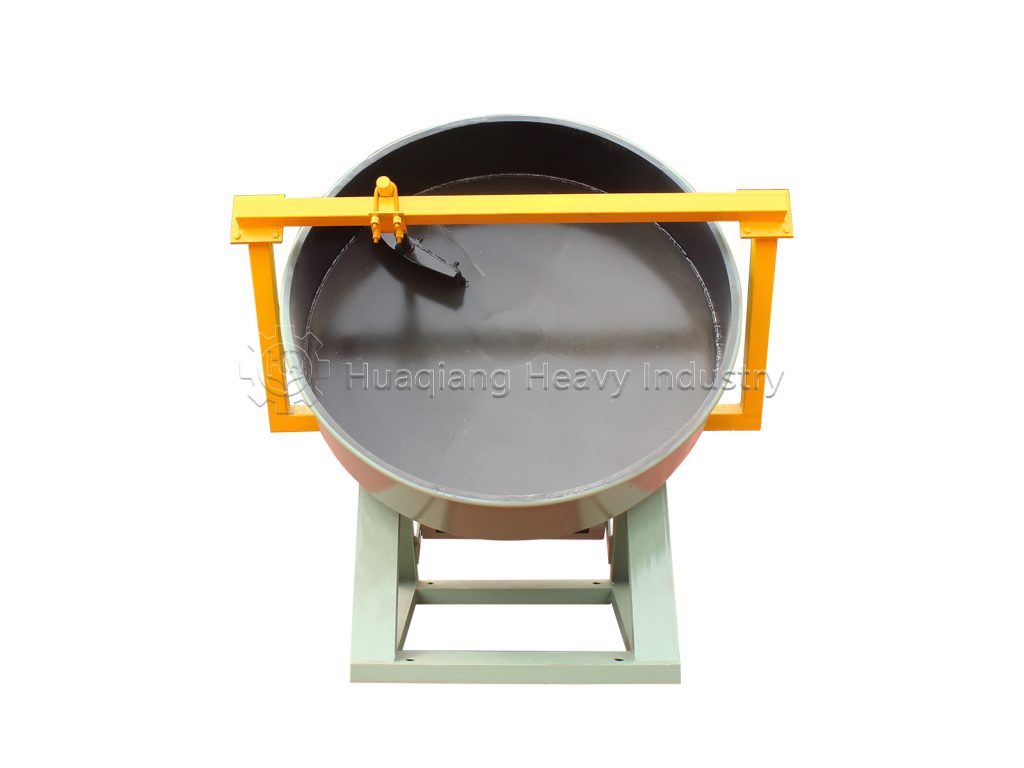
Standard Operation of a Disc Granulator in Organic Fertilizer Production

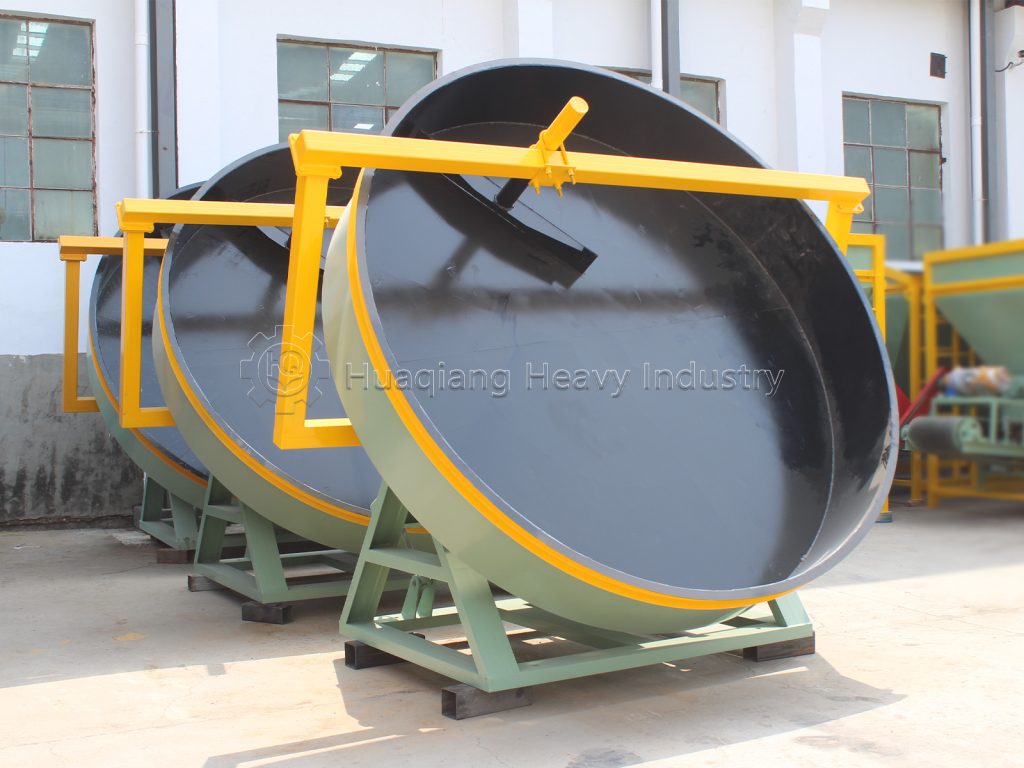
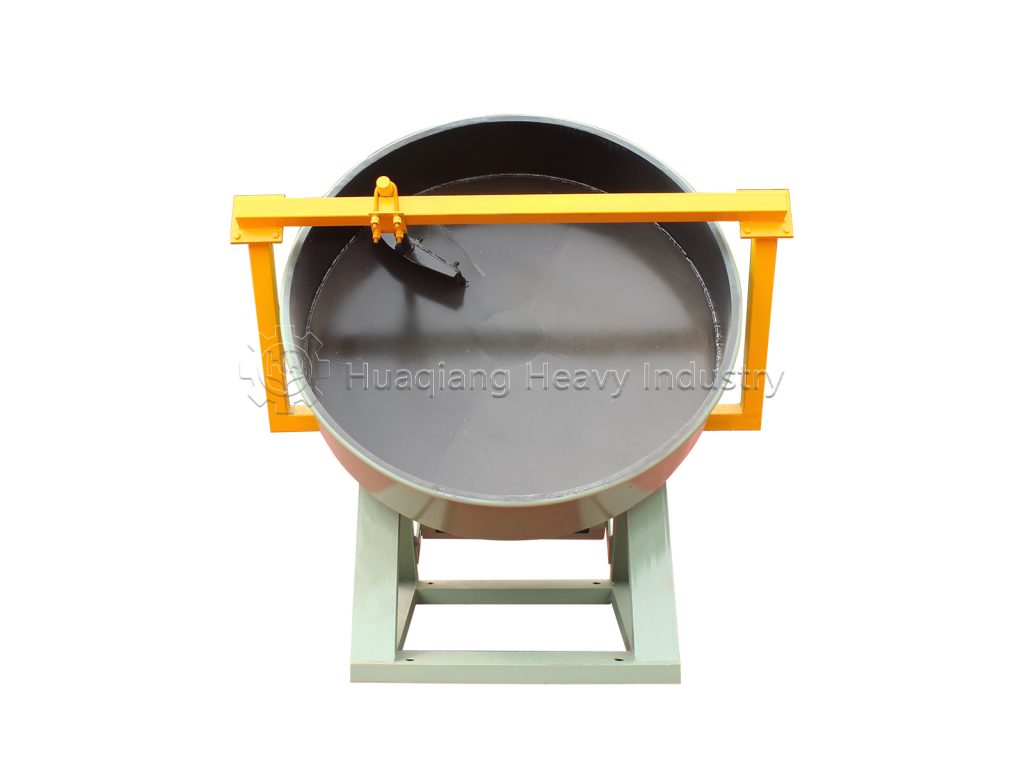
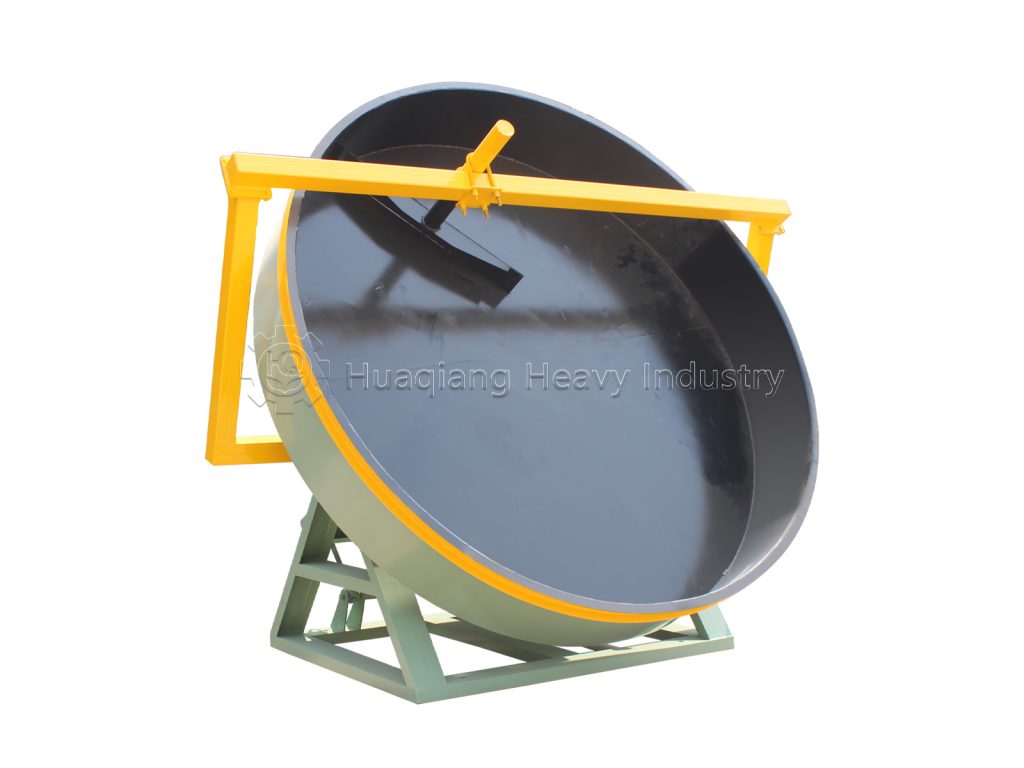
The disc granulator, a core component of the organic fertilizer production line, acts as a “shaping craftsman.” Every step directly impacts pellet quality and safe and stable production. To maximize the performance of this critical piece of equipment, a rigorous and organized standard operating procedure is essential.

The 10 minutes before startup are essential. First, inspect the equipment: check for cracks or loosening on the disc liner, ensure adequate lubrication of transmission components (oil level should be 1/2-2/3 of the mark), and tighten the anchor bolts to prevent loosening. Prepare the raw materials: control the moisture content to 25%-35% (if too high, air dry; if too low, add water). Screen out impurities larger than 5mm to prevent clogging. Finally, perform a safety inspection, clear surrounding debris, securely close the guardrails, test the emergency stop button and overload device, and ensure proper functioning of the electrical circuits and instruments.

The 5-minute startup operation must be performed in a sequential manner. First, start auxiliary equipment such as the raw material conveyor and humidifier. Once these equipment stabilizes, start the granulator’s main motor to avoid damage caused by load. Adjust the disc inclination angle according to the material (lower for clay, higher for organic matter, 45°-55°). Set the speed to 15-20 r/min. Once the disc granulator stabilizes, slowly open the feed valve. Initially, feed at 60% of the rated capacity.

Continuous monitoring is required during operation. Check pellet formation every 10 minutes. Acceptable particle size is 2-5mm. If the pellets are too fine, reduce the feed rate or increase the inclination angle. If there is sticking, reduce the water content. Record parameters every 30 minutes. If the motor current is ≤ 90% of the rated value and the bearing temperature is ≤ 65°C, immediately shut down the machine for investigation.

The minimum shutdown time is 15 minutes. First, close the feed valve, drain the material, turn off the humidifier and main motor, clean any remaining material, inspect components for wear, and keep a maintenance log.

During the entire disc granulator operation, operators must strictly adhere to safety procedures at all times, wear dust masks and hard hats, and never open the guardrail while the machine is running. Only by implementing standardized procedures at every stage can safe and efficient organic fertilizer production be truly achieved.

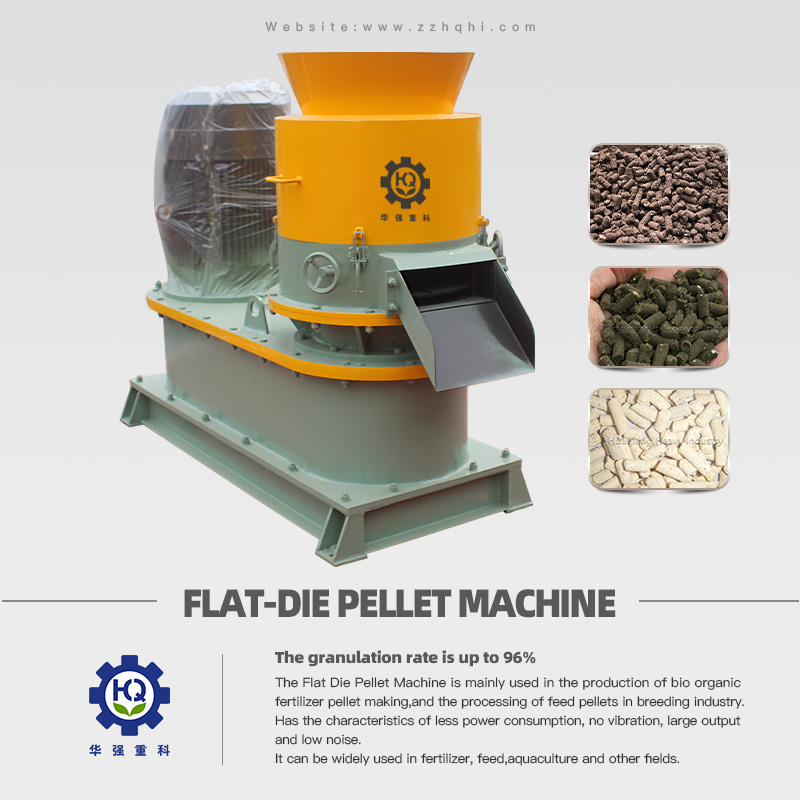
Unlocking the flat die granulator: Principle revealed

When a flat die granulator is in operation, material first enters the feed inlet and is evenly conveyed to the pulverizing unit, where it is fully pulverized to meet subsequent processing requirements. The pulverized material is then transported by a screw conveyor to the pressing area. In the pressing area, the pressing rollers work closely with the flat die, forcing the material through the die holes under strong pressure, initially forming pellets. Next, the pellets are cut into the desired length by a cutter and leave the pressing area. The hot pellets then enter the cooling unit, where they are rapidly cooled by air or water, stabilizing their shape and properties. Finally, the cooled pellets are screened and packaged before being released to the market as finished products.

The flat die granulator’s pressing rollers feature wide grooves, ensuring pressure resistance and wear resistance. The larger rollers can withstand greater pressure, while the wider grooves effectively prevent material accumulation and ensure smooth material flow into the pressing area. The evenly distributed design of multiple pressing rollers ensures smoother operation while increasing the pressing area, significantly improving production efficiency. Taking biomass pellet production as an example, this design can increase yields by 30%-50%, effectively reducing production costs.

The flat die granulator achieves efficient material forming through its ingenious structural design and scientific workflow. Currently, this principle is widely used in feed, biomass energy, fertilizer, and other fields. With continued technological advancement, it is expected to play a significant role in even more areas in the future, bringing greater convenience and benefits to industrial production and resource utilization.

Large wheel compost turner: Ushering in a new era in organic waste treatment

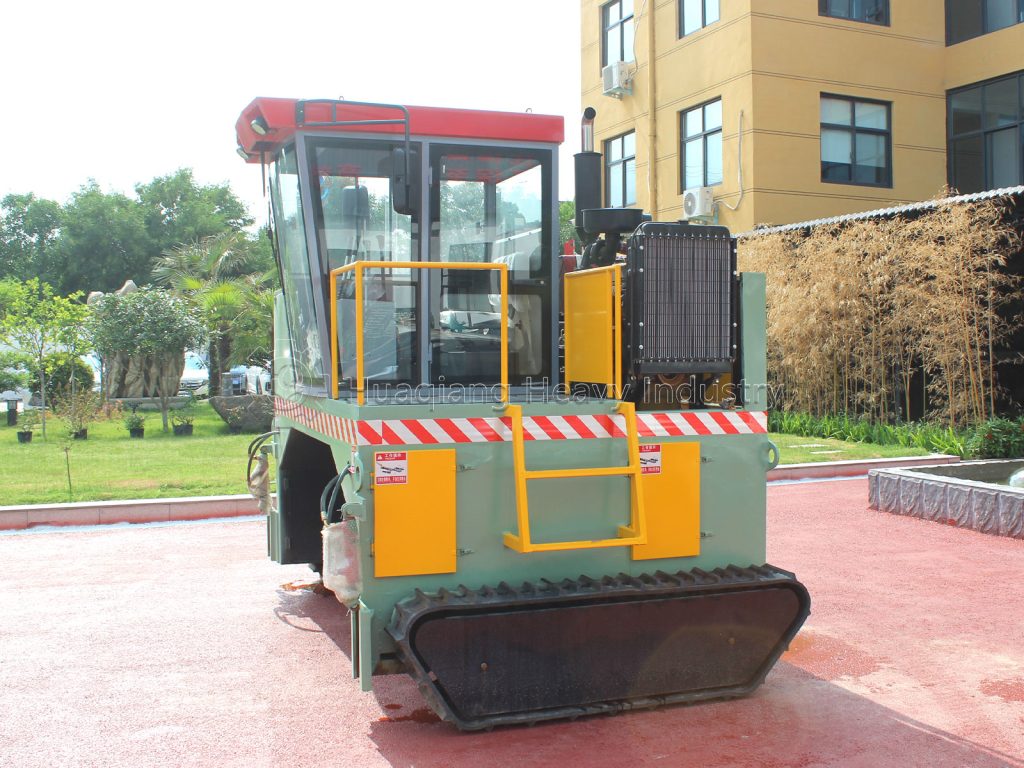
With growing environmental awareness, organic waste treatment has become a focus of attention in agriculture, environmental protection, and other fields. As a highly efficient organic waste treatment device, the large wheel compost turner provides powerful support for addressing the organic waste challenge. It not only effectively processes large amounts of organic waste but also transforms it into valuable resources, such as high-quality organic fertilizer, achieving resource recycling.

The large wheel compost turner’s disc consists of multiple rotating discs or paddles, with removable blades or toothed plates on the edges to break up the material. It can easily handle clumping livestock manure, straw, and other materials.

The discs are typically arranged horizontally and rotated by hydraulic or mechanical drive. The machine’s travel system allows it to follow tracks within the compost tank (or windrow) or to propel itself along tires, thus covering the entire compost pile.

During operation, the wheel rotates, the blades cut into the material, and the bottom layer of material is thrown into the air, completing the cutting and lifting action. During the spreading process, the material is fully exposed to the air, and the new and old materials are mixed, achieving both dispersion and mixing. As the equipment moves, the compost is continuously turned, forming a new loose pile, completing the displacement and advancement, and this turning process is repeated over and over again.

The large wheel compost turner, with its unique operating principle, rational structural design, and outstanding practical application results, plays an important role in the field of organic waste treatment.

Practical Strategies for Improving the Efficiency of Disc Granulators in Organic Fertilizer Production Lines

In organic fertilizer production lines, the efficiency of disc granulators directly impacts overall production capacity and finished product quality. To maximize equipment performance, systematic optimization is necessary, encompassing multiple aspects, including material compatibility, parameter control, and standardized operation. Specifically, these four key areas can be addressed.

First, effective material pretreatment is fundamental. Organic fertilizer raw materials, such as livestock and poultry manure and straw, often exhibit uneven moisture content and coarse particle size. Dehydration through extrusion or atomization is essential to precisely control the material moisture content to 35%-45%. This avoids low moisture content, which can lead to difficult pellet formation and high reject rates, or high moisture content, which can cause pellet sticking. Furthermore, a hammer mill combined with a vibrating screen can be used to refine the material to a particle size of 80-120 mesh, removing impurities and coarse particles, reducing granulation resistance, and clearing obstacles for subsequent processes.

Second, scientifically adjusting equipment parameters is crucial. The disc inclination angle and speed should be adjusted flexibly based on the material characteristics. Typically, the inclination angle is set at 18°-22°, and the speed is controlled between 15-25 rpm. For highly viscous materials, the inclination angle can be increased and the speed increased to reduce wall sticking. For dry materials, the inclination angle and speed should be reduced to ensure adequate rolling and forming of the pellets. Furthermore, installing an atomizing spray system allows moisture to be evenly applied to the material surface, preventing overwetting and improving pellet uniformity and forming speed.

Furthermore, standardized operational management is essential. Operators must strictly adhere to the procedures of pre-startup inspection, monitoring during operation, and post-shutdown cleaning. Before starting the machine, check bearing lubrication and disc levelness. During startup, control the material feed rate to avoid overloading and resulting in particle size fluctuations. If problems such as overfine particles or wall sticking are detected, fine-tune parameters promptly to minimize downtime and ensure continuous and stable operation.

Finally, regular maintenance can extend the life of the equipment and maintain high efficiency. Clean the discs of residual material and inspect the liner for wear daily. Tighten the liner screws and adjust the drive belt tension weekly. Replace the bearing lubricant and test the motor performance monthly. Promptly replacing worn parts prevents minor faults from becoming major problems, ensuring the disc granulator is always in optimal working condition and helping improve the quality and efficiency of your organic fertilizer production line.

A New Path To “Improve Efficiency And Reduce Costs” For Disc Granulation Production Lines

In the modern fertilizer production industry, the disc granulator acts like a skilled sculptor, meticulously shaping various raw materials into uniform, robust fertilizer pellets. As the core equipment in fertilizer production lines, it is not only suitable for granulating organic fertilizers, organic-inorganic compound fertilizers, chemical fertilizers, and biofertilizers, but also serves as an indispensable component in NPK fertilizer production technology.

When organic fertilizer produced through disc granulation lines is applied to soil, it significantly enhances organic matter content and increases soil organic nitrogen, improving soil structure. The advantages of this production system are clear: high pellet uniformity, effortless moisture control, and exceptional granule strength, laying a solid foundation for the entire NPK fertilizer production process.

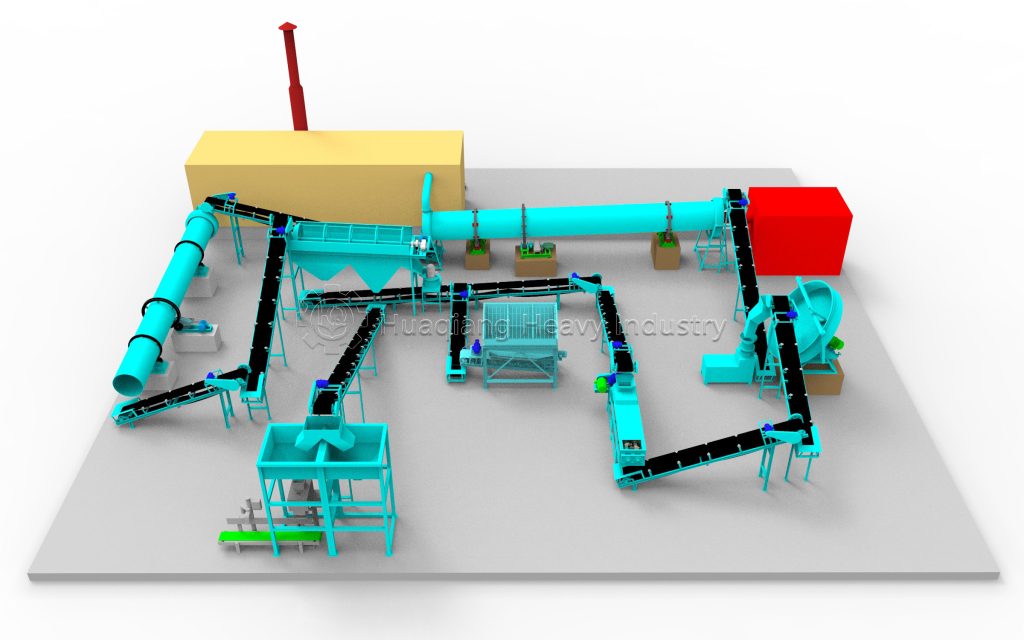
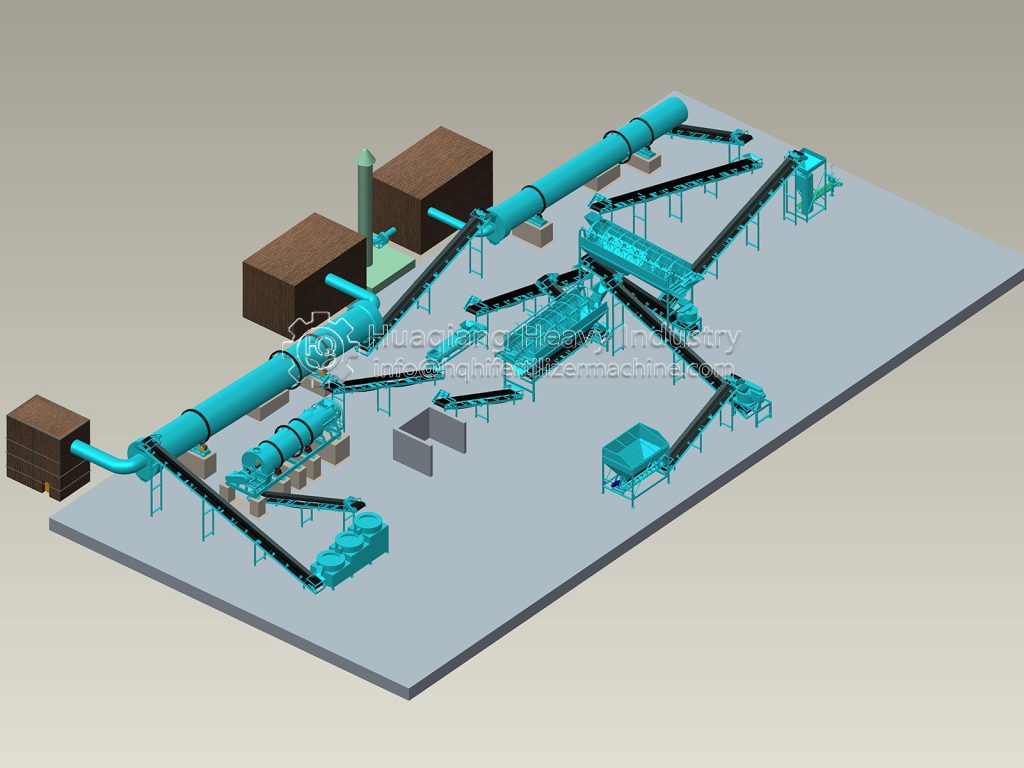
A complete disc granulation production line resembles a well-trained orchestra, with each device playing a unique role: horizontal mixers ensure thorough blending of raw materials; drum screening machines achieve precise classification; coating machines provide protective layers; multi-silo single-weigh static automatic batching systems enable accurate proportioning; and automatic packing machines complete the final step. The conductor of this orchestra is the highly efficient and reliable NPK fertilizer granulator.

Modern disc granulator designs incorporate innovative concepts: novel and rational structure, significantly reduced weight and height, and flexible, convenient process layout, making them particularly suitable for technical upgrades in existing fertilizer plants. The large-inclination disc body allows flexible adjustment through gaskets, coupled with unique disc treatment technology, ensuring smooth discharge without tearing. Unpowered combination scrapers automatically clean edges, while corner scrapers handle dead spots—these innovative designs result in finished pellets with uniform content and exceptional quality.

More importantly, disc granulation technology demonstrates unique advantages in the NPK fertilizer production process. By precisely controlling disc inclination and rotation speed, producers can easily adjust pellet size to meet the nutritional needs of different crops. This flexibility makes disc granulators the preferred equipment for compound fertilizer manufacturers, especially excelling in producing specialty formula fertilizers.

From raw material proportioning to finished product packaging, disc granulation production lines achieve fully automated control, not only improving production efficiency but also ensuring product quality stability. This is precisely the goal pursued by modern NPK fertilizer production technology: producing the most efficient fertilizers in the most economical way, providing strong support for global food security.

Why is the disc granulator the preferred choice for organic fertilizer production lines?

For the granulation stage of organic fertilizer production lines, disc granulators are the preferred equipment for most manufacturers due to their outstanding advantages, including strong adaptability, high granulation quality, and low operating costs. This equipment not only precisely matches the characteristics of organic fertilizer raw materials but also balances production efficiency and product quality, providing critical support for stable production line operation.

In terms of raw material compatibility, disc granulators are far more compatible with organic fertilizer materials than other equipment. Organic fertilizer raw materials are mostly loose, fibrous materials such as livestock and poultry manure and composted straw, which have large moisture fluctuations. By precisely matching the inclination angle and rotation speed, the disc granulator utilizes the dual effects of the material’s own gravity and centrifugal force to gradually roll the loose material into granules. This eliminates the need for excessive compression, which damages the fiber structure. Furthermore, the disc granulator can accommodate raw materials of varying particle sizes, eliminating the need for frequent adjustments to equipment parameters and significantly reducing operational complexity.

Granulation quality is the core reason for choosing a disc granulator. High-quality organic fertilizer granules require a smooth surface, moderate hardness, and good water solubility for easy storage, transportation, and field application. The disc granulator’s granulation process utilizes a “rolling granulation” mechanism, with the pellets continuously tumbling within the disc. This not only ensures uniform nutrient coating but also creates pellets with consistent density, resulting in a high yield rate. Furthermore, the pellet diameter can be flexibly controlled by adjusting the disc speed, meeting the fertilization needs of different crops.

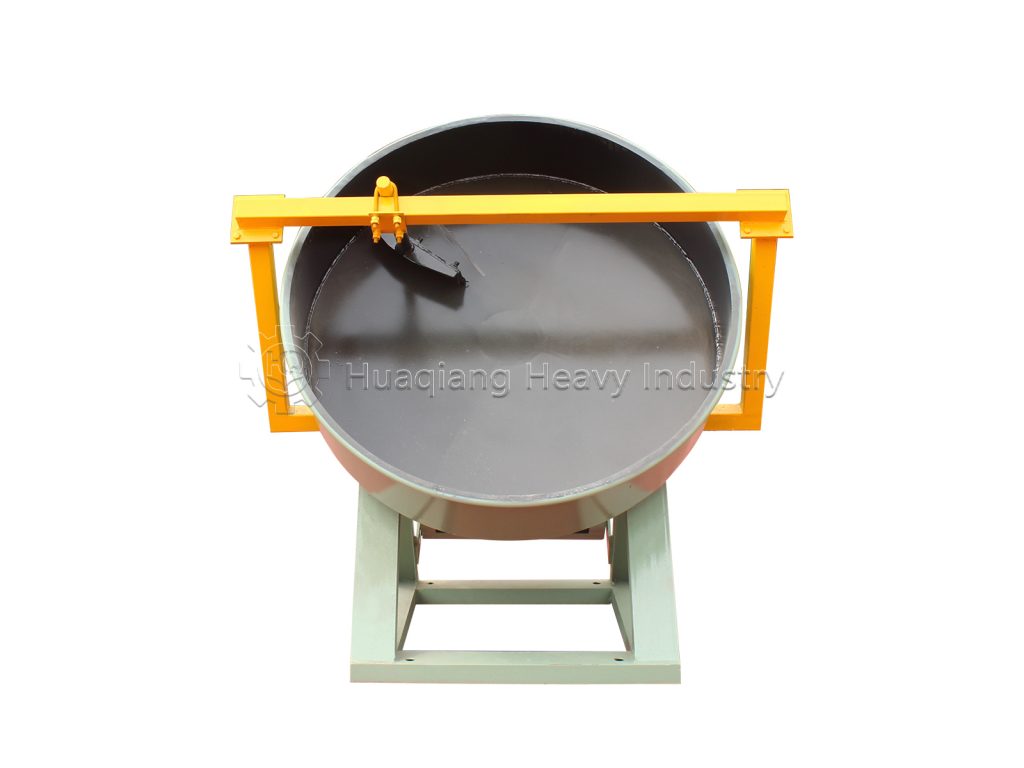
From a cost-effectiveness perspective, the disc granulator also offers significant advantages. Its simple structure, consisting solely of a disc, transmission, and frame, reduces failure rates and reduces maintenance costs compared to extrusion granulators. In terms of energy consumption, the power output of each unit is moderate, and the energy consumption per unit product is significantly lower than other granulation equipment. Furthermore, the disc granulator’s small footprint allows for flexible integration into production lines of varying sizes. Whether small or medium-sized family farms or large organic fertilizer producers, they can choose the appropriate model based on their production capacity needs, maximizing investment returns.

In response to the demand for green agriculture, the disc granulator, through its efficient and energy-efficient granulation method, helps improve the quality of organic fertilizer products, becoming a crucial link between agricultural waste resource utilization and green farming.

Benefits of Using a Disc Granulator in Organic Fertilizer Production Lines

Among the core equipment in organic fertilizer production lines, disc granulators are the preferred choice for many companies, especially small and medium-sized production lines, due to their strong adaptability, high-quality granulation, and convenient operation. They significantly improve production efficiency and product quality.

The disc granulator‘s most prominent advantage is its excellent granulation performance. Its unique disc structure uses the synergistic effect of centrifugal force and gravity to create a stable “rolling granulation zone” within the disc, achieving a granulation rate exceeding 90%, far exceeding that of some extrusion granulation equipment. The resulting granules are not only highly rounded and smooth, but also uniform in size (typically controlled within 2-5mm). This not only prevents nutrient loss due to granule breakage during transportation, but also meets the granule shape requirements of mechanized fertilization, significantly enhancing product market acceptance.

Secondly, it offers excellent raw material compatibility. Organic fertilizer raw materials come from a wide range of sources, from decomposed chicken manure and cow dung to straw powder and mushroom residue, with widely varying composition. The disc granulator can easily adapt to different raw material characteristics by adjusting the disc inclination angle (45°-55°), rotation speed (15-20 rpm), and feed rate.

Disc granulators also offer significant advantages in terms of operation and cost. The device boasts a simple structure, with the disc and drive system as its core components. Routine maintenance requires only regular inspections of bearing wear and disc flatness, resulting in maintenance costs approximately 30% lower than those of a drum granulator. Furthermore, its energy consumption is low, with a single unit consuming approximately 5-10 kWh per hour. This makes it suitable for the production needs of small and medium-sized production lines (with a single unit capable of flexibly adjusting daily output to 5-20 tons). The investment threshold is significantly lower than that of large-scale drum granulation equipment, enabling companies to quickly achieve operational and profitability.

Disc granulators also align with green production trends. Their enclosed design reduces dust emission from raw materials, and combined with a spray moisturizing system, they effectively control dust pollution during the production process. Some units can also be integrated into the production line’s waste heat recovery system, further reducing energy consumption. For organic fertilizer production companies that pursue high efficiency, economy and environmental protection, disc granulator is undoubtedly the ideal choice to balance quality and cost.

Windrow compost turners: The fermentation code for diverse organic raw materials

In organic fertilizer production, the diversity of raw materials often poses challenges to the fermentation process. Windrow compost turners, with their robust adaptability, are a key piece of equipment to address this challenge. They can efficiently process a variety of raw materials, including livestock and poultry manure, crop straw, industrial and municipal organic waste, and sewage sludge, providing a rich source of material for organic fertilizer production.

For livestock and poultry manure, such as chicken and pig manure, the windrow compost turner‘s powerful turning breaks down compaction. The ventilation and heating process kills pathogens and parasite eggs, while also reducing ammonia emissions and eliminating odors.

For coarse fiber materials like corn stalks and wheat straw, its turning components tear the straw into pieces, allowing it to blend evenly with other materials and accelerate degradation and composting.

For industrial organic waste, such as distiller’s grains and vinegar lees, and municipal waste, such as kitchen waste and fallen branches, the equipment continuously turns the waste to reduce moisture content, promote the growth of beneficial microorganisms, and ultimately recycle the waste.

Sludge that passes heavy metal testing can also be turned over to reduce its moisture content from 80% to below 60%, transforming it into a safe organic fertilizer. The diverse raw material processing capabilities of windrow compost turners make them a vital force in promoting the recycling of organic waste.

How to Choose the Right Disc Granulator for Your Production Line

In fertilizer production lines, the choice of disc granulator directly impacts production capacity and product quality. Combining the technical specifications and application characteristics of Huaqiang Heavy Industry’s disc granulators, a sound selection requires focusing on four key dimensions.

First, precisely matching production needs is crucial. Equipment requirements vary significantly across industries. For the fertilizer industry, when producing organic fertilizer, rubber or polyurethane-lined models are preferred to avoid corrosion and accommodate fermentable materials like livestock and poultry manure. The recommended rotational speed is 10-18 rpm to preserve organic matter activity. For inorganic compound fertilizer production, ensuring uniform feed distribution and a consistent mixing of nitrogen, phosphorus, and potassium is crucial. Production capacity selection should be based on specific parameters. For example, a small workshop with an hourly production capacity of 0.05-0.15 tons should choose the ZL-500 model, while a large factory with a production capacity of 3.5-6 tons should opt for the ZL-3600 model. A 10%-15% capacity margin should be reserved to account for seasonal fluctuations.

Second, pay close attention to the core configuration details of the equipment. The drive system determines operational stability. For example, the ZL-3600 model, equipped with an 18.5kW motor and a 10r/min speed, can accommodate high-load granulation needs. The disc inclination angle should be adjustable from 30° to 60°, allowing for flexible adjustment based on material viscosity. For example, highly viscous mineral powders require a larger inclination angle of around 50° to reduce wall sticking. The water spray system should be equipped with multiple sets of adjustable nozzles to ensure a stable moisture content of 10%-20% to prevent loose particles and agglomeration. This is crucial for the strength of fertilizer pellets and the quality of metallurgical mineral powder pellets.

Furthermore, a comprehensive assessment of the manufacturer’s capabilities is crucial. Prefer companies like Huaqiang Heavy Industry that have comprehensive production capabilities. Their 12 disc granulator models cover varying production capacity requirements and allow customers to visit their factory for a firsthand understanding of the equipment’s production processes and quality control procedures. Also, consider whether the manufacturer offers customized services.

Finally, prioritize after-sales service and supporting support. Confirm whether the manufacturer offers free installation, commissioning, and operator training to prevent production disruptions caused by improper operation. Equipment packaging must meet transportation standards, such as packaging the main unit bare to minimize impacts and plywood boxes for electrical components. Customized wooden boxes can be used for special transportation needs. Furthermore, the inventory cycle and warranty policy for consumable parts such as nozzles and inner linings must be clearly defined to ensure long-term stable operation of the equipment and reduce future maintenance costs.