A brief discussion of the large wheel compost turner: A key driver for fertile soil regeneration

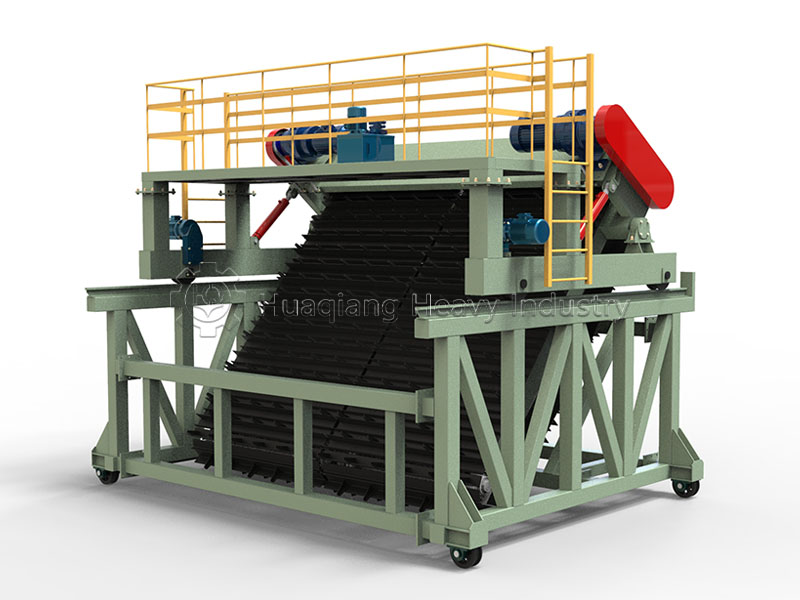
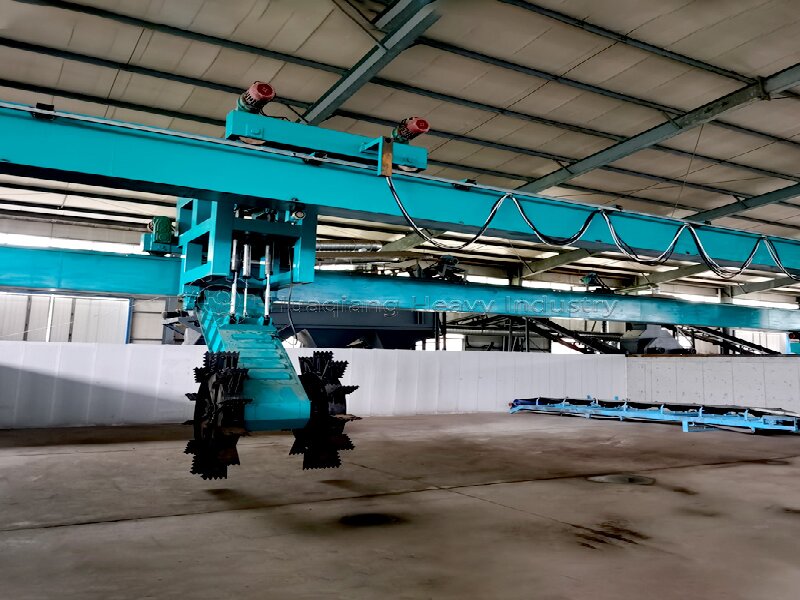
Upon entering a composting site, the large wheel compost turner often immediately catches the eye. Moving slowly and steadily, its massive rotating disc churns and scatters the material layer by layer, like a tireless dancer endlessly circling the composting stage.

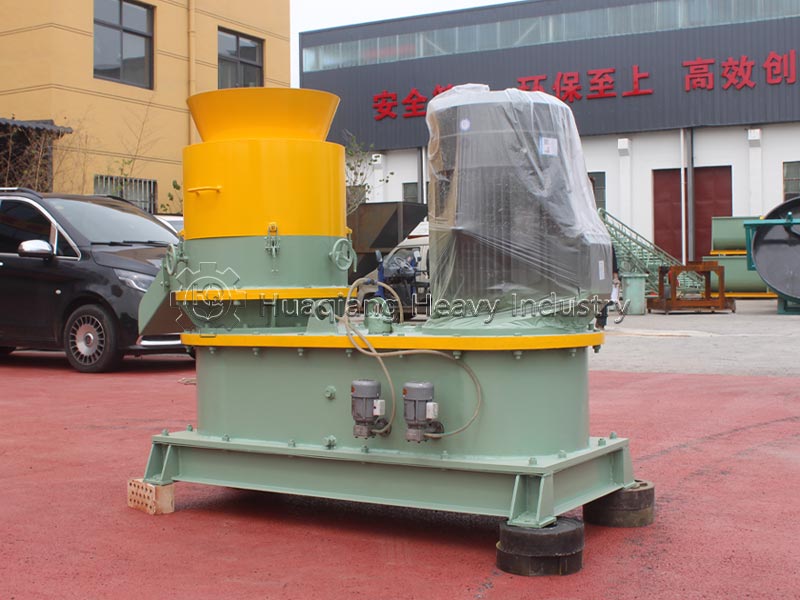
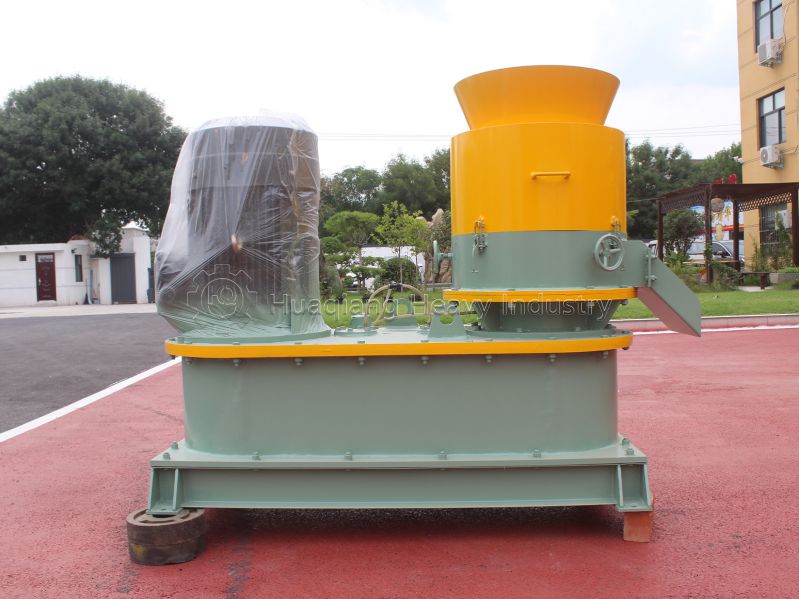
The unique feature of this machine lies in its processing method—it completes the turning and scattering operation without needing to transfer the material elsewhere. As the disc rotates, air is naturally delivered deep into the material, and moisture evaporates evenly, creating an ideal living environment for microorganisms. This is a crucial step in the composting process, directly affecting the quality of subsequent granulation.

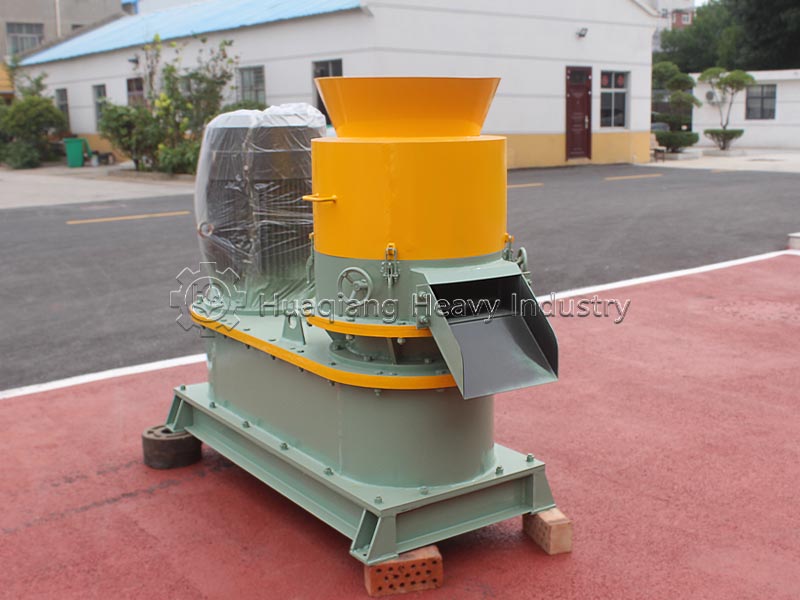
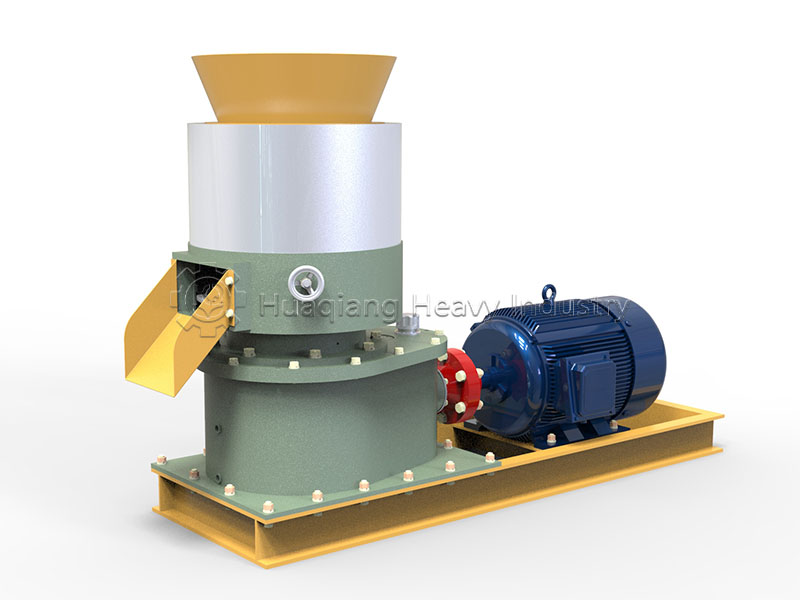
Speaking of granulation, different processes have their advantages and disadvantages. In organic fertilizer production, flat die pelleting machines are favored for their compact structure, suitable for small to medium-sized production lines. Ring die pelleting machines, on the other hand, occupy a place in large-scale production due to their stable granule quality and high output. For processing fertilizers with special formulations, the unique tumbling action of the rotary drum granulator can achieve even better granulation results.

These granulation devices each have their own strengths, but they all rely on thorough fermentation treatment in the early stages. The large wheel compost turner plays a crucial role in this preparation stage, and its uniform mixing lays a solid foundation for subsequent processes.

Analysis of key factors affecting the quality of organic fertilizer granules

The quality of organic fertilizer granules directly impacts fertilization effectiveness, ease of storage and transportation, and product market competitiveness. Its formation process is constrained by multiple factors in the production chain.

Raw material characteristics are fundamental. The organic matter content, particle size distribution, and impurity content of the raw materials are crucial. The organic matter content needs to be maintained within a suitable range; too low a content will lead to poor granule formation and insufficient strength. Uneven raw material particle size can easily result in inconsistent granule size. It is recommended to crush the raw materials to a reasonable fineness beforehand, and then thoroughly mix and screen them to remove impurities using a fertilizer mixer machine. Furthermore, an imbalance in the carbon-nitrogen ratio of the raw materials will affect the subsequent fermentation process, indirectly leading to easily loosened granules.

Moisture content is a core condition for granulation. During granulation, the moisture content of the raw materials needs to be controlled between 25% and 35%. Excessive moisture can easily cause granules to stick together and clump, and may also lead to secondary fermentation during storage; insufficient moisture results in poor raw material fluidity, making it difficult to agglomerate and form granules, which are then prone to breakage. During production, the moisture content needs to be dynamically adjusted based on the type of raw material and the operating status of the bio-organic fertilizer equipment to ensure the stability of the granulation process.

Fertilizer granulator parameters and fermentation process should also not be overlooked. The speed, pressure, and inclination angle of different types of fertilizer granulators (such as disc granulators and flat die pelleting machines) directly affect the uniformity and strength of the granules; insufficient fermentation and maturation in the early stages will lead to residual undecomposed substances in the raw materials, resulting in a loose internal structure of the granules and making them prone to cracking and pulverization.

In summary, controlling key aspects such as raw material screening, fertilizer mixer blending, moisture adjustment, fertilizer granulator debugging, and fermentation control is essential to consistently produce high-quality organic fertilizer granules.

As the rotary discs turn, the art of fertilizer formation unfolds

At large-scale fertilizer production sites, the large wheel compost turning machine is undoubtedly a unique sight. Unlike precision granulation equipment that focuses on shaping each individual particle, it silently plays a fundamental yet crucial role with its massive scale and repetitive rotation.

Its working scene is full of power. The huge rotating discs penetrate deep into the material pile, slowly but powerfully mixing, crushing, and oxygenating the fermenting raw materials through slow, forceful turning. This process, seemingly rough, actually lays a solid foundation for subsequent fine processing.

Once the raw materials have completed this “warm-up,” they undergo a transformation. At this point, the rotary drum granulator begins to display its charm. Inside the inclined drum, the material is continuously lifted and scattered as the drum rotates, gently tumbling and colliding, and then coagulating into round granules through its own hydration force.

For scenarios requiring specific shapes or more complex formulations, the flat die pelleting machine offers another approach. It uses a die to forcefully compress the material, producing cylindrical granules with uniform particle size. This method is highly adaptable to various materials and produces high-density finished products, making it possible to meet diverse agronomic needs.

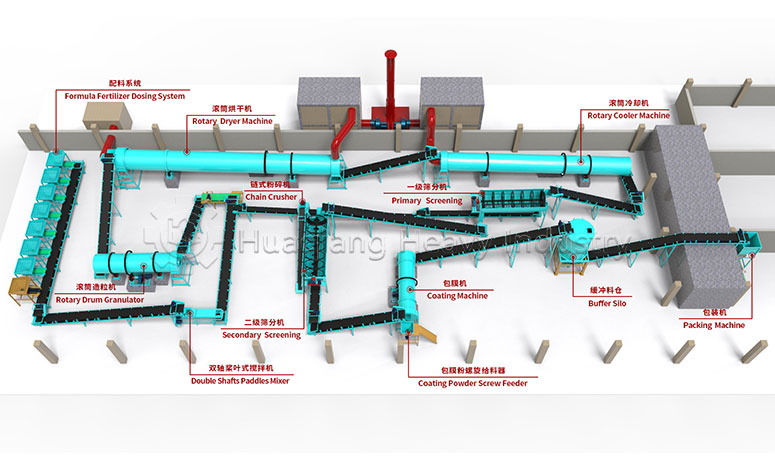
From the macroscopic preparation by the large wheel compost turning machine, to the dynamic pelletizing by the rotary drum granulator, and then to the precise shaping by the flat die pelleting machine, this is not simply a list of equipment, but a tightly linked process chain. Each component performs its specific function, working together to transform raw powder or waste into granules of commercial organic fertilizer that are easy to transport, store, and apply.

Explanation of the production process of fertilizer granules processed by flat die pelleting machine

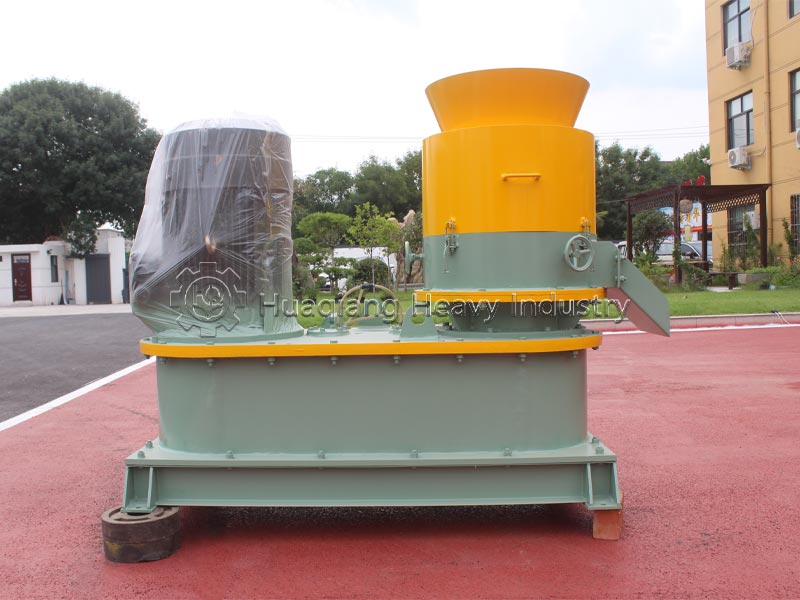
The flat die pelleting machine is a key piece of equipment in modern organic fertilizer production, valued by fertilizer manufacturers for its efficient and stable processing capability.

1.Raw Material Pre-treatment Stage

Ingredient Mixing: Raw organic materials (like livestock manure, straw) and additives (like bentonite, microbial agents) are mixed according to the recipe. Moisture content is usually maintained at 30-40%.

Crushing: A fertilizer crusher grinds the mixture to a particle size of 3-5mm, ensuring uniformity for the next step.

2.Core Granulation Process

Feeding System: Pre-treated material is evenly fed into the flat die pelleting machine’s inlet via conveyor belt. Feed rate is typically 2-3 tons per hour (depending on the machine model).

Compression Molding: Under vertical pressure, the material is forced through holes in the flat die (usually 4-8mm in diameter). The gap between the rollers and flat die is kept at 0.1-0.3mm, with working pressure maintained between 8-15MPa.

Cutting: Rotating knives cut the extruded material into standard pellets, 5-15mm long.

3.Post-processing

Initial Drying: The newly formed pellets enter a dryer. Temperatures are kept at 60-80°C to reduce moisture content below 15%.

Cooling and Screening: After cooling, a vibration screener machine separates out qualified pellets (typically within ±1mm diameter tolerance). Unqualified pellets go back for re-granulation.

Coating: An anti-caking coating can be applied as needed to improve storage stability.

Flat die pelleting machines are especially suitable for small-to-medium organic fertilizer plants due to their simple structure, strong adaptability, and low energy consumption. Optimizing these production stages significantly improves pellet formation rate and product quality while lowering production costs.

Rotary drum granulator: The core art of large-scale fertilizer production

In modern fertilizer granulation workshops, the rotary drum granulator stands out with its unique operating method. Through continuous tumbling and enveloping, it transforms fine powder materials into uniform and firm granules.

This slowly rotating behemoth is a typical representative of large-scale production. Its internal structure is simple and efficient; the material rises and falls continuously under the rotation of the drum, forming an ideal granulation motion.

Compared to other granulation technologies, rotary drum granulation exhibits unique advantages. Compared to the dense granules directly formed by fertilizer compaction machines through molds, granules produced by rotary drums are typically more rounded and regular. Unlike the high-density granules formed by ring die pelleting machines under mold constraints, the granules produced by rotary drum granulation often have a more porous structure. And compared to the flexibility of flat die pelleting machines suitable for small to medium production volumes, rotary drum granulators demonstrate irreplaceable value in large-scale continuous production.

This granulation method is particularly suitable for the production of bulk fertilizer products. From compound fertilizers to organic-inorganic blended fertilizers, rotary drum granulators can process materials with various formulations, adapting to different production requirements. Their excellent granulation properties and high production capacity make them the preferred equipment for many fertilizer companies.

In today’s pursuit of sustainable agricultural development, rotary drum granulation technology continues to play a vital role. It not only improves the physical properties of fertilizer products but also provides reliable equipment support for precision fertilization and efficient agriculture.

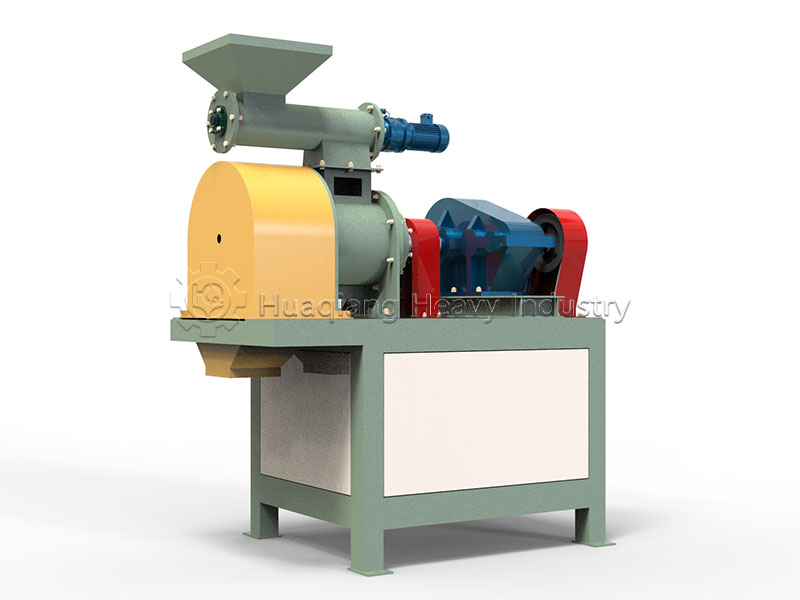
Optimizing double roller press granulator process to boost organic fertilizer production

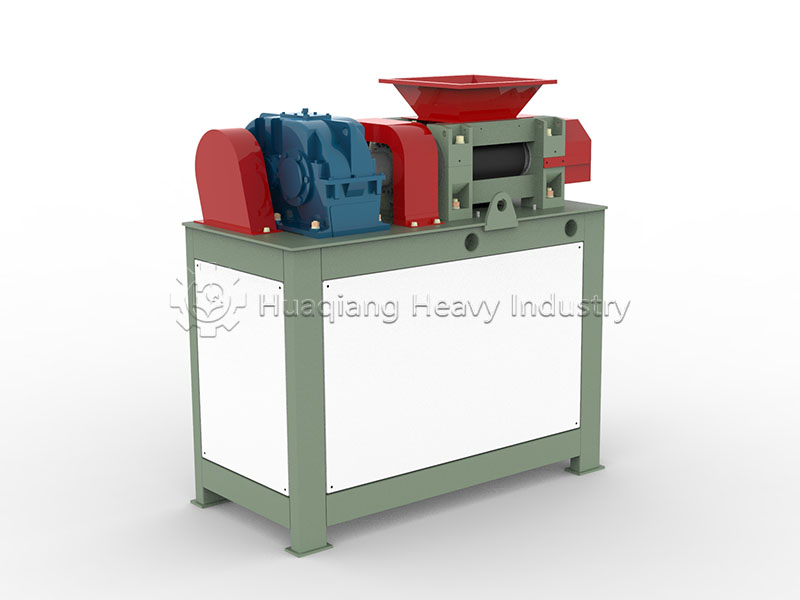
Double roller press granulators are key equipment in modern organic fertilizer production lines. Optimizing their process directly impacts a company’s output and economic benefits. With the rapid growth of organic farming, how to improve organic fertilizer production through technical upgrades to these granulators has become a major focus for many manufacturers.

1.Optimizing Raw Material Pre-treatment

Grind raw materials to 40-60 mesh. Control moisture content between 20%-25%. Adding suitable binders like bentonite or lignin can significantly improve granulation rate and reduce return material. This is expected to increase output by around 15%.

2.Precise Adjustment of Roller Parameters

For general organic fertilizer production: Set the nip gap between 1.5-2.5mm. Maintain roller pressure at 8-12MPa. Control line speed at 0.8-1.2m/s. Installing pressure sensors and automatic adjustment systems allows for dynamic optimization, improving particle formation rate.

3.Die Selection and Maintenance

Hole Size: 3-6mm suits most organic fertilizers. Open Area Ratio: Maintain between 30%-40%. Regular polishing extends die life. Recommend professional maintenance every 500 tons of material processed to ensure smooth discharge.

4.Coordinated Optimization of Supporting Equipment

Precise batching system (error <1%). Efficient mixer (mixing uniformity >95%). Energy-saving dryer (thermal efficiency >65%). Systematic upgrades like this can increase the entire line’s output by 30%-50%.

Through comprehensive optimization of the double roller press granulator process, organic fertilizer producers can significantly boost production without adding more machines.

When fertilizer meets extrusion: The art and science of granulation

In modern fertilizer production, fertilizer compaction machines and flat die pelleting machines are quietly changing the form and future of fertilizers. Unlike chemical reaction equipment, they don’t attract attention, but with their unique mechanical charm, they transform powdered fertilizer into uniform granules.

Stepping into the production workshop, you’ll see fertilizer compaction machines working steadily. They use powerful mechanical pressure to “compress” loose powdery raw materials into dense ribbons. This process involves no high temperatures and no binders.

The flat die pelleting machine, on the other hand, showcases another kind of ingenuity. The horizontally placed die acts like a precision sieve; the material, under the pressure of the rollers, passes through the holes in the die, instantly becoming uniformly sized granules.

The combination of these two devices creates surprising possibilities. Powdered fertilizers that are prone to clumping become more fluid, easier to store and apply. Active ingredients are firmly locked inside the granules, reducing drift loss during use and making nutrient release more controllable.

More importantly, this physical granulation method has opened new doors for the development of specialty fertilizers. Whether it’s a compound fertilizer requiring the addition of trace elements or a special fertilizer for specific crops, it can all be achieved by adjusting the mold and process parameters. On the path to sustainable agricultural development, equipment like fertilizer compaction machines and flat die pelleting machines are playing a unique role.

Flat die pelleting machine: The key shaping machine in organic fertilizer production lines

As agriculture shifts from “pursuing yield” to “green sustainability,” organic fertilizer is no longer simply “waste recycling,” but plays a crucial role in protecting soil fertility. A production line capable of consistently producing high-quality organic fertilizer always relies on one key piece of equipment: the flat die pelleting machine.

The process of an organic fertilizer production line is actually quite clear: first, raw materials such as straw and livestock manure are collected, then crushed, mixed, and enter the fermentation stage. Once the materials are fully decomposed, the flat die pelleting machine comes into play. Using the principle of extrusion molding, the flat die pelleting machine compresses these “unformed” raw materials into uniformly sized granules, not only preserving nutrients such as nitrogen, phosphorus, and potassium in the organic fertilizer but also solving the problems of storage space and transportation losses.

More importantly, it has “adaptability.” The raw materials for organic fertilizer vary greatly from region to region; some are mainly composed of coarse-fiber straw, while others are mainly composed of fine-textured livestock manure. The flat die pelleting machine does not require frequent parameter adjustments and can adapt to various raw material ratios, allowing the production line to be free from the limitation of a single raw material source. This “material-insensitive” characteristic allows many small and medium-sized organic fertilizer production projects to flexibly utilize local resources and reduce initial investment.

In short, the production line provides a complete logic for “turning waste into treasure,” while the flat die pelleting machine translates this logic into a practical product that can be directly used in the fields.

What are the requirements of ring die pelleting machines for processed materials?

The ring die pelleting machine is a core equipment in the production of granular organic fertilizer, known for its high output, high pellet hardness, and excellent formation rate. However, understanding the material requirements of the ring die pelleting machine is essential for achieving efficient and stable production.

1.Suitable Material Fineness

The raw materials must be thoroughly crushed, with a fineness generally required to be between 80 and 120 mesh (0.2mm–0.1mm). Excessively coarse materials have poor fluidity and struggle to pass through the mold holes. If the fineness is too high (exceeding 140 mesh), it may affect the material’s breathability.

2.Precise Moisture Content(13%–18%)

If the moisture is too low, the material lacks flexibility, making it difficult to extrude and form. This results in excessive powder and a very low formation rate. If the moisture is too high, the material becomes overly soft and sticky, easily clogging the mold holes.

3.Appropriate Organic Matter Content and Fiber Structure

Organic matter can generate some viscosity under high pressure, which aids in formation. Short fibrous materials, on the other hand, interweave and bind within the pellets, significantly improving their hardness and drop resistance.

4.Balanced Formula and Uniform Mixing

Various raw materials must be blended in scientific proportions and thoroughly mixed using a mixer. A balanced formula ensures stable nutrient content in the material while also adjusting its physical properties.

In summary, only by pre-treating the raw materials can the advantages of the ring die pelleting machine’s high efficiency be fully utilized to produce high-quality granular organic fertilizer.

A new logic for organic fertilizer formation with ring die pelleting machine

In the forming stage of large-scale organic fertilizer production, ring die pelleting machines, with their dual advantages of “extrusion granulation + nutrient lock-in,” have become key equipment connecting organic substrates and practical fertilizers, transforming loose, well-rotted materials into high-quality organic fertilizer with uniform granules and stable fertilizer effects.

The core working principle of the ring die pelleting machine is ingenious: the core ring die and built-in pressure rollers form an extrusion combination. When the well-rotted organic material enters the cavity, the high-speed rotation of the pressure rollers forcibly squeezes the material through the fine die holes on the ring die. During the extrusion process, the material agglomerates and forms due to the viscosity of its organic matter and physical pressure. After exiting the die holes, it is cut by a cutter to form uniformly long columnar granules.

The advantages of ring die pelleting machines are particularly prominent. Its high granulation rate and density solve the problems of loose, easily scattered organic fertilizer granules and significant transportation losses. The dense granular structure slows down nutrient volatilization, prolonging the fertilizer release cycle and allowing crops to absorb nutrients for a longer period. Simultaneously, the equipment is highly adaptable, capable of handling both high-humidity organic substrates and composite organic materials with added micronutrients, meeting diverse fertilizer production needs.

In the complete organic fertilizer production process, the ring die pelleting machine undertakes the crucial shaping stage after fermentation and crushing. This “physical shaping without compromising fertilizer efficacy” process ensures that organic fertilizers both preserve their ecological core and possess practical value for large-scale application.