Unlocking the flat die granulator: Principle revealed

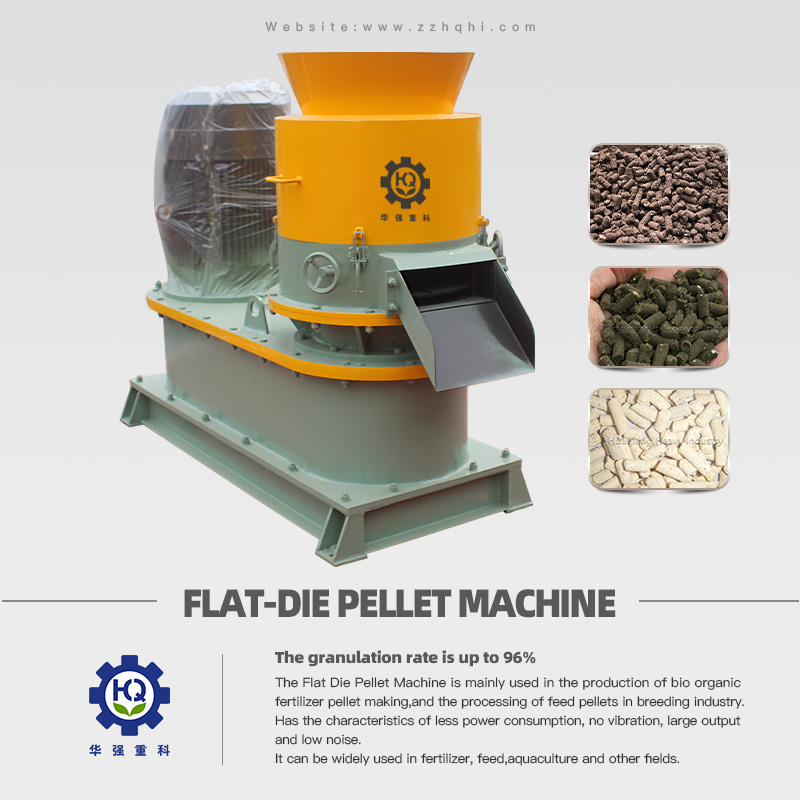
When a flat die granulator is in operation, material first enters the feed inlet and is evenly conveyed to the pulverizing unit, where it is fully pulverized to meet subsequent processing requirements. The pulverized material is then transported by a screw conveyor to the pressing area. In the pressing area, the pressing rollers work closely with the flat die, forcing the material through the die holes under strong pressure, initially forming pellets. Next, the pellets are cut into the desired length by a cutter and leave the pressing area. The hot pellets then enter the cooling unit, where they are rapidly cooled by air or water, stabilizing their shape and properties. Finally, the cooled pellets are screened and packaged before being released to the market as finished products.

The flat die granulator’s pressing rollers feature wide grooves, ensuring pressure resistance and wear resistance. The larger rollers can withstand greater pressure, while the wider grooves effectively prevent material accumulation and ensure smooth material flow into the pressing area. The evenly distributed design of multiple pressing rollers ensures smoother operation while increasing the pressing area, significantly improving production efficiency. Taking biomass pellet production as an example, this design can increase yields by 30%-50%, effectively reducing production costs.

The flat die granulator achieves efficient material forming through its ingenious structural design and scientific workflow. Currently, this principle is widely used in feed, biomass energy, fertilizer, and other fields. With continued technological advancement, it is expected to play a significant role in even more areas in the future, bringing greater convenience and benefits to industrial production and resource utilization.

Large wheel compost turner: Ushering in a new era in organic waste treatment

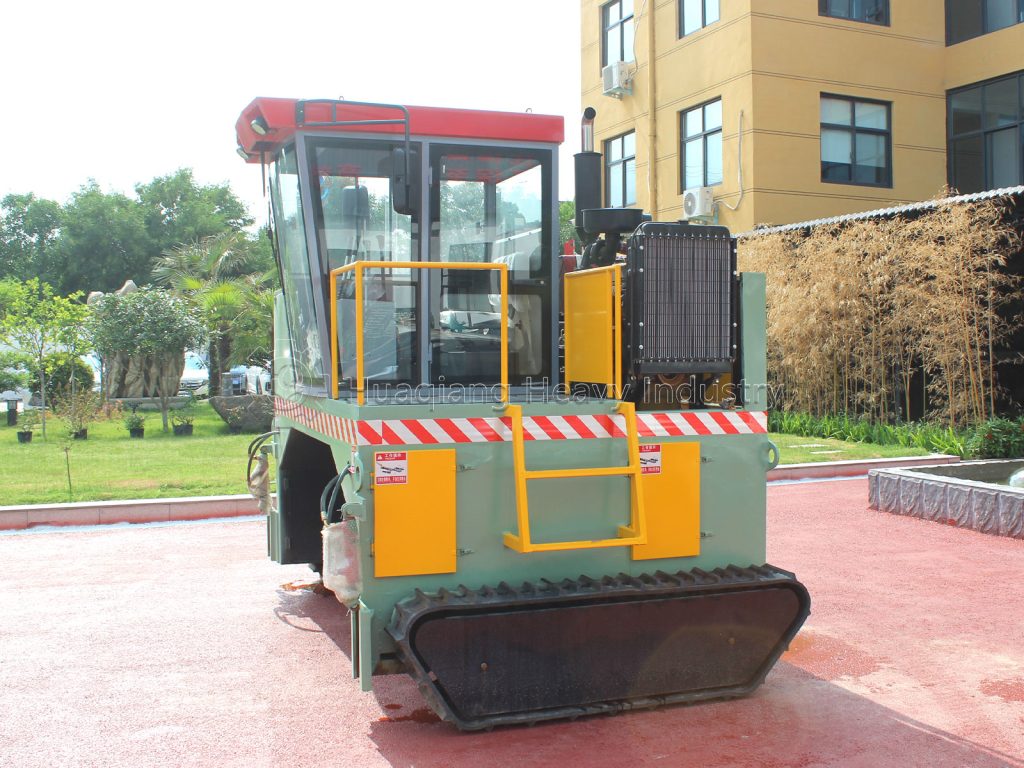
With growing environmental awareness, organic waste treatment has become a focus of attention in agriculture, environmental protection, and other fields. As a highly efficient organic waste treatment device, the large wheel compost turner provides powerful support for addressing the organic waste challenge. It not only effectively processes large amounts of organic waste but also transforms it into valuable resources, such as high-quality organic fertilizer, achieving resource recycling.

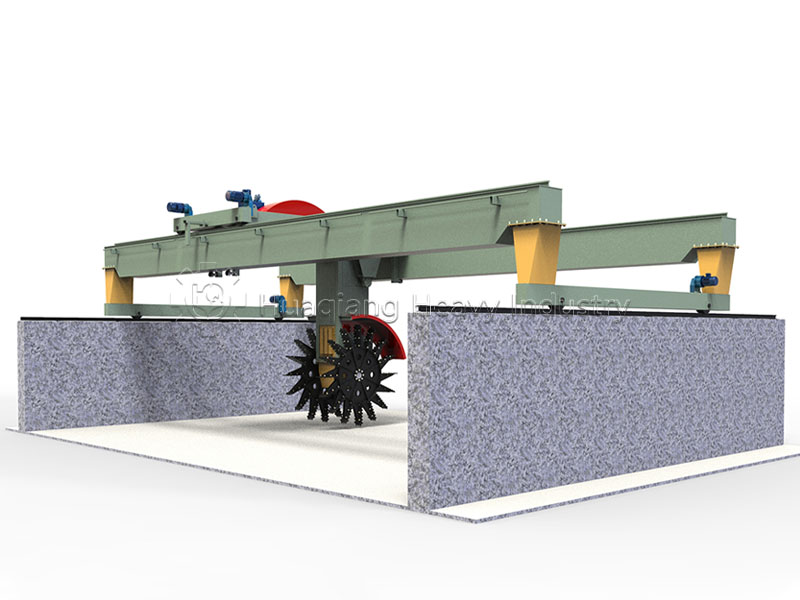
The large wheel compost turner’s disc consists of multiple rotating discs or paddles, with removable blades or toothed plates on the edges to break up the material. It can easily handle clumping livestock manure, straw, and other materials.

The discs are typically arranged horizontally and rotated by hydraulic or mechanical drive. The machine’s travel system allows it to follow tracks within the compost tank (or windrow) or to propel itself along tires, thus covering the entire compost pile.

During operation, the wheel rotates, the blades cut into the material, and the bottom layer of material is thrown into the air, completing the cutting and lifting action. During the spreading process, the material is fully exposed to the air, and the new and old materials are mixed, achieving both dispersion and mixing. As the equipment moves, the compost is continuously turned, forming a new loose pile, completing the displacement and advancement, and this turning process is repeated over and over again.

The large wheel compost turner, with its unique operating principle, rational structural design, and outstanding practical application results, plays an important role in the field of organic waste treatment.

Windrow compost turners: The fermentation code for diverse organic raw materials

In organic fertilizer production, the diversity of raw materials often poses challenges to the fermentation process. Windrow compost turners, with their robust adaptability, are a key piece of equipment to address this challenge. They can efficiently process a variety of raw materials, including livestock and poultry manure, crop straw, industrial and municipal organic waste, and sewage sludge, providing a rich source of material for organic fertilizer production.

For livestock and poultry manure, such as chicken and pig manure, the windrow compost turner‘s powerful turning breaks down compaction. The ventilation and heating process kills pathogens and parasite eggs, while also reducing ammonia emissions and eliminating odors.

For coarse fiber materials like corn stalks and wheat straw, its turning components tear the straw into pieces, allowing it to blend evenly with other materials and accelerate degradation and composting.

For industrial organic waste, such as distiller’s grains and vinegar lees, and municipal waste, such as kitchen waste and fallen branches, the equipment continuously turns the waste to reduce moisture content, promote the growth of beneficial microorganisms, and ultimately recycle the waste.

Sludge that passes heavy metal testing can also be turned over to reduce its moisture content from 80% to below 60%, transforming it into a safe organic fertilizer. The diverse raw material processing capabilities of windrow compost turners make them a vital force in promoting the recycling of organic waste.

Half-wet material crusher: A key equipment for solving the challenge of handling high-moisture materials

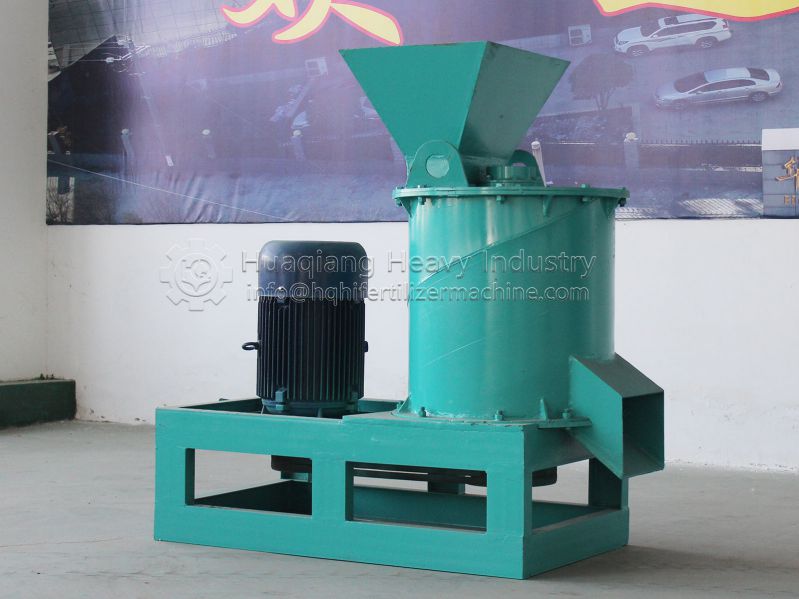
Crushing high-moisture materials has long been a thorny issue in industries such as agriculture, environmental protection, and the chemical industry. Traditional dry crushers often clog and inefficiently process materials like wet straw, organic fertilizer, and wet garbage, severely impacting production progress. The advent of the half-wet material crusher has revolutionized this situation.

The half-wet material crusher is designed specifically for handling materials with a certain degree of moisture content and effectively addresses the crushing needs of high-moisture materials. Its unique structural design and anti-clogging device prevent material from clumping during the crushing process. Whether it’s wet straw generated in agricultural production, wet garbage disposal in the environmental protection sector, or specialized wet raw materials in the chemical industry, the half-wet material crusher can perform stable and efficient crushing operations, laying a solid foundation for subsequent processing.

In practical application, the half-wet material crusher, with its wide adaptability, has become a vital piece of equipment across multiple industries. It not only improves material handling efficiency but also reduces equipment failures and maintenance costs, making it a key contributor to the resourceful utilization of high-moisture materials.

Large wheel compost turner: A powerful tool for solving the fermentation challenges of raw materials

In organic fertilizer production, raw material diversity often presents a challenge for companies. Large wheel compost turners, with their robust adaptability, are a key piece of equipment for addressing this challenge. They can efficiently process a variety of raw materials, including livestock and poultry manure, crop straw, and industrial organic waste, serving diverse agricultural, industrial, and municipal sectors.

For livestock and poultry manure like chicken and pig manure, its powerful turning capacity quickly breaks down compacted layers and kills pathogens and parasite eggs through high-temperature fermentation. With a daily processing capacity of hundreds of tons, it easily meets the needs of large-scale livestock farms.

When processing corn and wheat straw, the equipment shreds bundles of straw and evenly mixes it with manure, promoting cellulose degradation and eliminating pollution from straw burning.

For industrial waste materials such as lees from alcohol factories and dregs from traditional Chinese medicine factories, large wheel compost turners continuously turn and reduce moisture content, contributing to the resource utilization of industrial waste.

Furthermore, municipal sewage sludge that meets heavy metal standards and litter from urban landscaping can also be converted into safe organic fertilizer. With the large wheel compost turner, companies no longer need to configure separate equipment for different raw materials, significantly reducing production costs.

Rotary drum granulator: The efficiency champion of organic fertilizer production

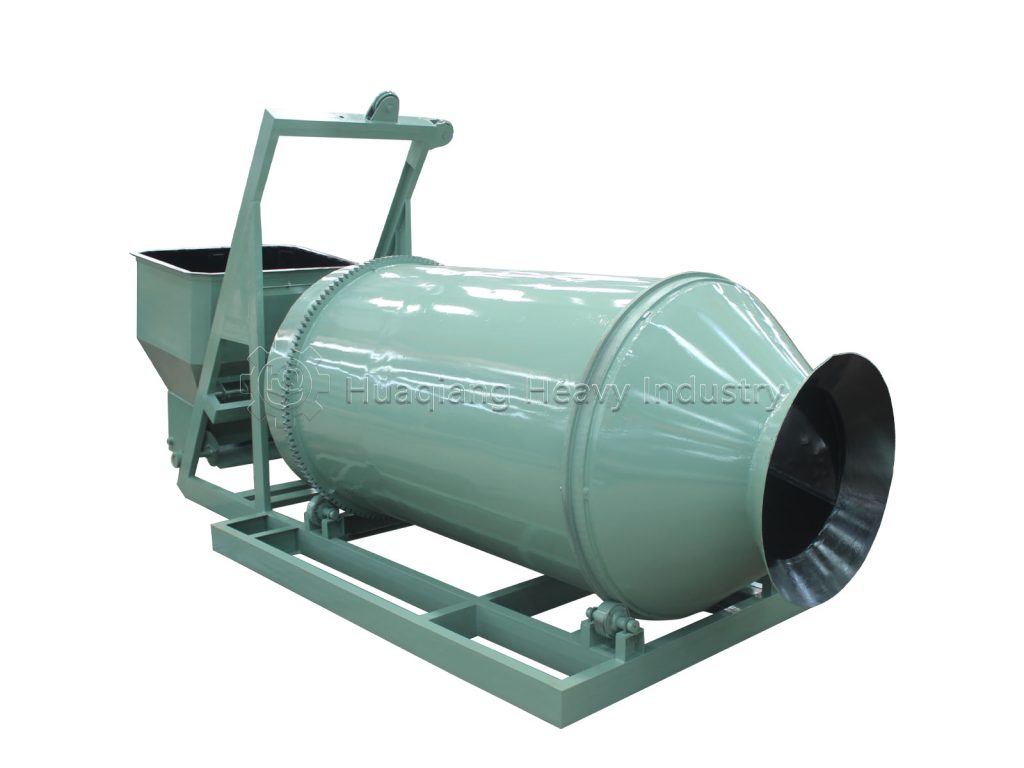
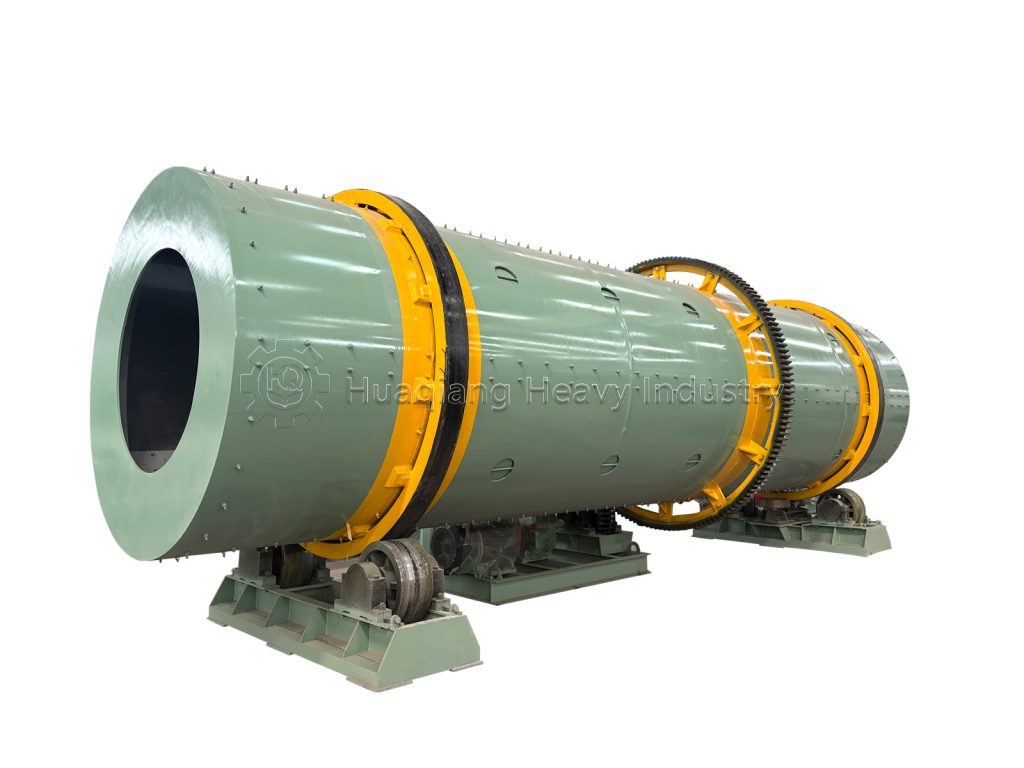
In organic fertilizer production, the rotary drum granulator, with its outstanding performance, has become a core piece of equipment. It utilizes the tumbling and collision of materials within the rotating drum, combining the material’s inherent viscosity with an external binder to efficiently form granules at an optimal humidity, effectively solving the challenges of forming powdered and fine-grained materials.

Furthermore, the application range of the rotary drum granulator extends far beyond the organic fertilizer industry. In the chemical industry, it can be used to granulate raw materials such as catalysts and adsorbents; in food processing, it can produce instant powders and seasoning granules; and in the pharmaceutical industry, it is a key piece of equipment for preparing raw materials for medicinal granules and tablets.

A key feature is its strong adaptability, allowing it to process materials of varying properties, particle sizes, and moisture levels. Furthermore, its continuous production design ensures uninterrupted material feeding and granule output, significantly improving production efficiency. For companies seeking high efficiency and diverse applications, the rotary drum granulator is undoubtedly an ideal choice.