Practical techniques for optimizing the granulation process of organic fertilizer disc granulators

In organic fertilizer production equipment, the disc granulator is the core granulation equipment, and its granulation effect directly determines the quality and production efficiency of organic fertilizer granules. Optimization focuses on matching the characteristics of the organic fertilizer raw materials, and solving problems such as clumping and uneven particle size through precise control of raw materials, equipment parameters, and operational details, thus contributing to the efficient operation of organic fertilizer production equipment.

Optimizing raw material pretreatment is fundamental. Crush the fermented organic fertilizer to 60-80 mesh and remove impurities to prevent clogging; control the moisture content at 25%-35%, as both excessive dryness and wetness affect molding. Wood ash can be added to adjust viscosity, laying a solid foundation for efficient granulation by the organic fertilizer production equipment.
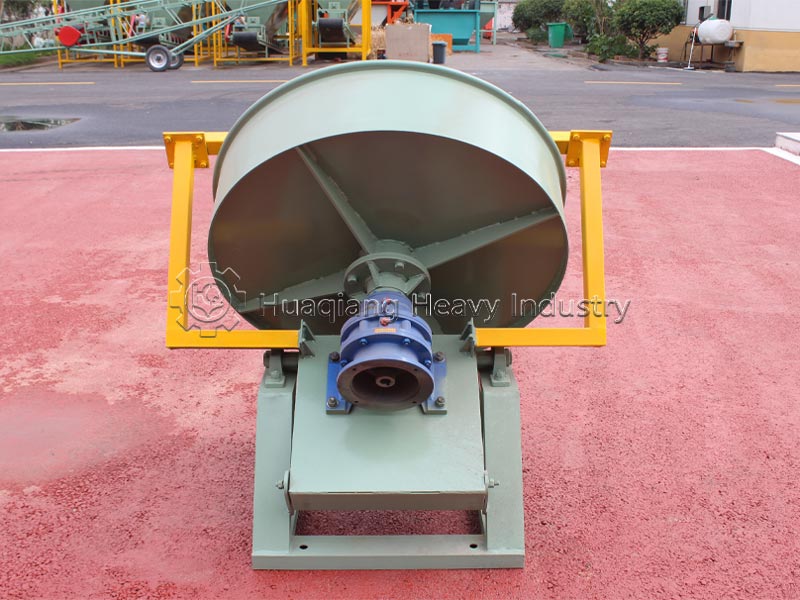
Equipment parameter adjustment is crucial. Adjust the disc inclination angle to 35°-45° and the rotation speed to 20-30 r/min to match the fluidity of the raw materials; maintain uniform feeding to avoid accumulation, ensuring stable operation of the organic fertilizer disc granulator and improving particle compactness.

Detail optimization can improve quality and efficiency. During granulation, evenly spray water or a binder to enhance particle strength; regularly clean the inner wall of the disc to prevent adhesion; and recycle unqualified granules to reduce losses, meeting the needs of large-scale organic fertilizer production equipment.

In summary, optimizing the granulation process requires considering both raw material characteristics and equipment compatibility. Through pretreatment, parameter adjustment, and meticulous control of details, the molding rate and quality of organic fertilizer granules can be significantly improved, production losses can be reduced, and the process can be adapted to the processing needs of large-scale organic fertilizer production lines.
How to determine if organic fertilizer has spoiled? 4 Intuitive methods

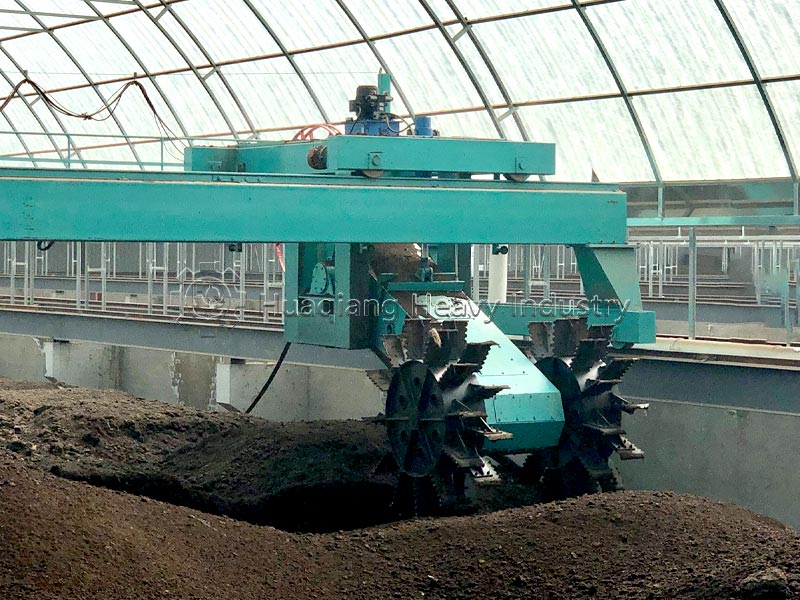
Spoiled organic fertilizer loses its effectiveness, carries pathogens, and damages crop roots. High-quality organic fertilizer is processed according to standardized production lines and fully decomposed using organic fertilizer production equipment such as large wheel compost turning machines. Spoiled fertilizer deviates from these standards. No professional testing is needed; four intuitive methods can quickly determine its quality and prevent misuse.

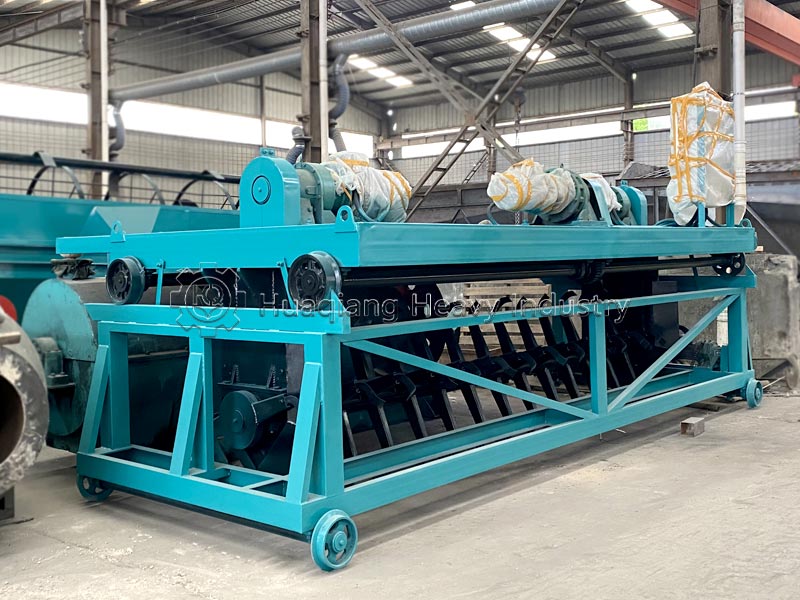
Observe Appearance: High-quality organic fertilizer processed on a production line and decomposed using a large wheel compost turning machine is brown or dark brown, with loose and uniform granules. If it is black, sticky, severely clump-like, or has white or green mold, it has spoiled.

Smell for Decomposition: High-quality organic fertilizer has only a faint, fermented, fishy smell. If it has a strong sour, rotten, or ammonia-like smell, fermentation is incomplete or it has spoiled, and its application will burn crops.

Feel for Dryness/Wetness: Normal organic fertilizer is loose and dry, crumbling easily when grasped. If it is sticky, damp, and water can be squeezed out, and it clumps and is difficult to break up, it indicates improper storage or spoilage.

A simple test to check activity: High-quality organic fertilizer dissolves slowly in water, leaving the water cloudy but without any foul odor; if it settles quickly, the water turns black, and has an unpleasant smell, it indicates spoilage and loss of effectiveness.

Furthermore, high-quality organic fertilizer, after processing at the end of the organic fertilizer production line, exhibits good stability and should be stored in a dry, well-ventilated place. Mastering these methods allows for quick assessment of whether organic fertilizer has spoiled, ensuring the selection of high-quality fertilizer for soil improvement.

Classification and analysis of compaction technologies: Applicable types in different scenarios

Compaction is a process that uses external force to expel voids in materials and increase density, and it is widely used in many fields. Based on the pressure principle and working method, the mainstream compaction types are divided into four categories, suitable for different materials and scenarios.

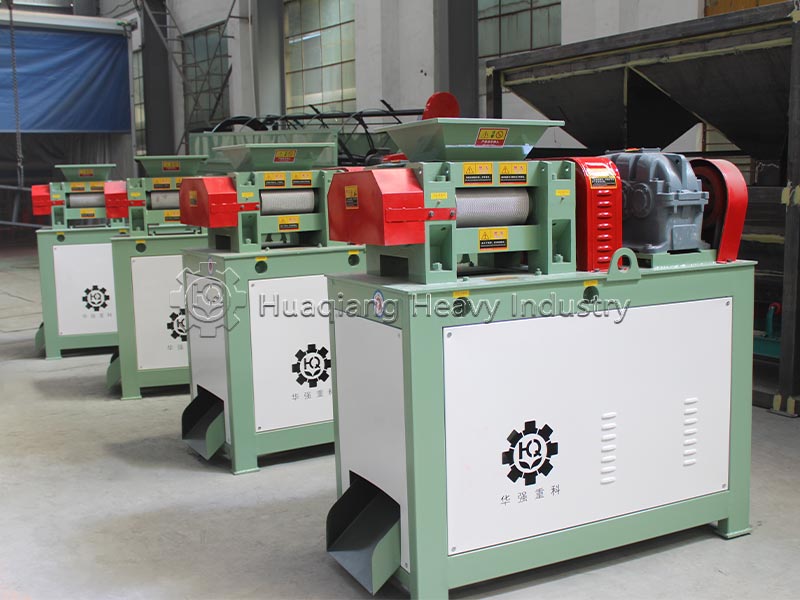
Static compaction is the basic type, relying on mechanical weight or hydraulic devices to apply continuous static pressure, causing material particles to rearrange and voids to shrink. The process is stable and impact-free, suitable for fine-grained materials, resulting in uniform compaction, but with limited effect on coarse-grained materials. In organic fertilizer production, double roller press granulators are typical static compaction equipment widely used in organic fertilizer production lines.
Impact compaction relies on instantaneous impact force to break through the material structure. High-intensity impact force is generated through the falling of heavy hammers or the rolling of impact wheels, achieving deep compaction. It is suitable for scenarios such as roadbed backfilling and landfill sites, improving deep-layer density, but the force needs to be controlled to avoid surface damage.

Vibratory compaction combines vibration and pressure. High-frequency vibration of the equipment suspends material particles, and pressure is applied to quickly fill the voids. Its efficiency far exceeds that of static compaction, and it is suitable for coarse-grained materials, offering both high efficiency and uniformity. As a commonly used organic fertilizer production equipment, it can be integrated into organic fertilizer production lines to compact coarse-grained raw materials or semi-finished products.

Composite compaction integrates multiple principles and can switch working modes, balancing surface uniformity and deep-layer density. It is suitable for complex materials and high-standard scenarios, and can adapt to raw materials with different moisture content and particle sizes, enabling precise pressure control and helping to improve the quality of organic fertilizer products.

Compostable vs. Biodegradable: Don’t confuse these concepts

In everyday use, “compostable” and “biodegradable” are often used interchangeably, but they are not equivalent. Compostable is a subcategory of biodegradable, with the core differences lying in decomposition conditions, product requirements, and applicable scenarios.

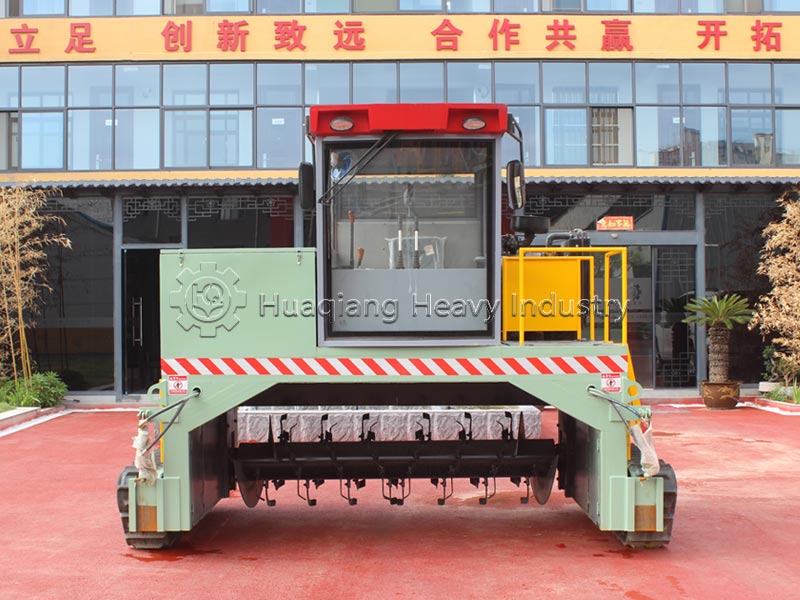
Decomposition conditions and timelines differ significantly. Biodegradable substances can be decomposed by microorganisms in the natural environment, with no strict parameter requirements, and the decomposition period varies from months to years, greatly influenced by environmental factors. Compostable substances require a specific composting environment (temperature 55-65℃, humidity 55%-60%, aerobic), and require equipment such as compost turning machines to control temperature, humidity, and aeration, achieving complete decomposition within 3-6 months; in large-scale processing, organic fertilizer production lines can precisely control parameters to ensure decomposition efficiency.

Decomposition products and standards differ. Biodegradable substances only require decomposition into water, carbon dioxide, and microorganisms, with no specific residue requirements. Compostable materials must decompose into harmless humus. After processing on an organic fertilizer production line, they can be used as organic fertilizer to improve soil and must meet environmental standards for heavy metals and other pollutants, without causing secondary pollution.

The applicable scenarios differ. Biodegradable materials have a wide range and are suitable for natural degradation scenarios; compostable materials are mostly organic waste such as kitchen waste and straw, which are standardized and processed using organic fertilizer production equipment to ultimately achieve resource utilization.

A common misconception is that not all biodegradable materials are compostable. Some materials are difficult to completely decompose in a composting environment and may even pollute the byproducts. The core difference lies in whether “complete degradation + resource utilization” can be achieved under composting conditions.

The value of high-quality organic fertilizer production machines for palm fiber and animal manure

Palm fiber is tough and degrades slowly, while animal manure is rich in nutrients but prone to clumping and odor. Producing organic fertilizer from these two materials requires specialized equipment to overcome these raw material challenges. High-quality organic fertilizer production machines, with their targeted design, can neutralize the shortcomings of both raw materials and maximize the value of their nutrients.

Precise adaptation to raw material characteristics. The equipment is equipped with a high-strength fertilizer crusher that can break down tough palm fibers into fine particles while simultaneously breaking up clumps of animal manure, ensuring uniform mixing. To address the imbalance in the carbon-nitrogen ratio of the mixed raw materials, the equipment can be linked to a batching system for precise adjustment, creating the optimal environment for microbial fermentation.

Fermentation and granulation stages. The fermentation stage utilizes a temperature and humidity control system to maintain high-temperature composting at 55-65℃, which kills pathogens and insect eggs while accelerating the degradation of palm fiber and preserving the organic matter and trace elements in the raw materials. The granulation stage is adapted to the loose characteristics of the mixed raw materials, optimizing pressure and rotation speed to produce granules with uniform strength and high sphericity.

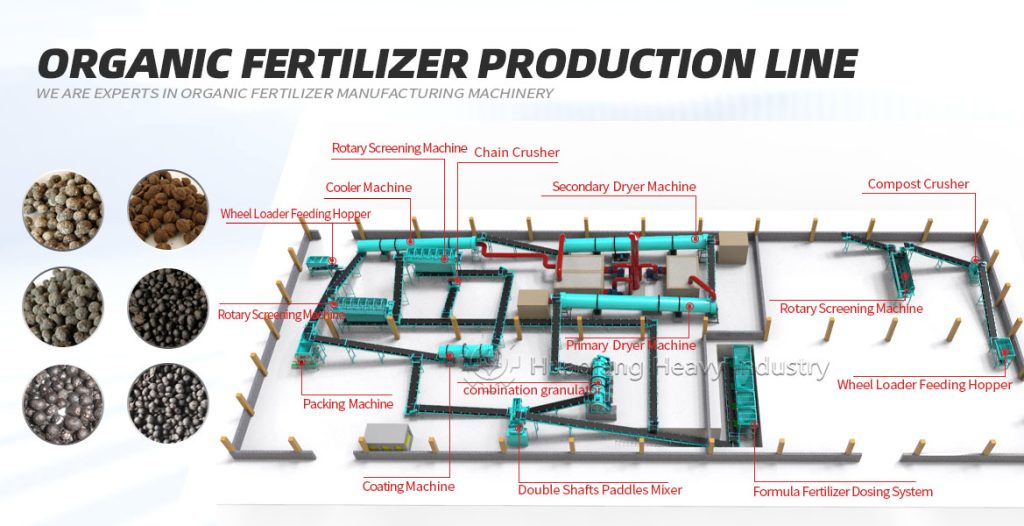
Closed-loop process ensures product quality. The organic fertilizer production equipment integrates pre-treatment, fermentation, granulation, and cooling functions. The resulting organic fertilizer has excellent breathability and long-lasting fertilizer efficiency, improving soil aggregate structure and providing comprehensive nutrition for crops, achieving efficient resource utilization of palm fiber and animal manure.

Is the organic fertilizer composting business profitable?

Driven by policies promoting green agriculture and the circular economy, the organic fertilizer composting business has attracted much attention due to its “turning waste into treasure” attribute. Whether it is profitable hinges on controlling costs, mitigating risks, and achieving a balance between ecological and economic benefits.

Multiple favorable factors support profit potential. Low raw material costs are a core advantage; livestock manure, straw, and other agricultural waste can be obtained for free or at low cost, reducing initial investment. Significant policy dividends are also evident, with many regions providing subsidies for resource utilization projects, coupled with fertilizer reduction policies, leading to a steady increase in demand for organic fertilizer. Processing organic fertilizer into granular fertilizer using organic fertilizer production equipment can further increase product premiums and broaden revenue channels.

Potential risks need to be carefully avoided. Raw material supply is affected by the livestock cycle and regional policies, potentially leading to supply disruptions or price increases; a lack of professional fermentation technology and organic fertilizer compost turning machines can easily result in product quality problems, affecting sales; improper handling of odors and leachate may also lead to penalties, increasing operating costs.

The key to profitability lies in optimizing operations. Establish diversified raw material channels and pair them with suitable organic fertilizer composting equipment to improve efficiency and shorten cycles; focus on niche markets to create targeted products. As long as risks are accurately controlled and needs are met, ecological advantages can be transformed into profit drivers, achieving sustainable development.

The difference between organic fertilizer and bio-organic fertilizer equipment

The core difference between organic fertilizer production equipment and bio-organic fertilizer equipment stems from different process objectives: the former focuses on the harmless and resourceful transformation of organic waste, while the latter requires additional assurance of the activity of beneficial microorganisms. This directly determines the differences in equipment configuration and process control, adapting to different production needs.

Organic fertilizer equipment processes raw materials such as livestock manure and crop straw, achieving harmless degradation through fermentation and granulation. The core objective is to remove pathogens and insect eggs and transform organic matter to produce ordinary organic fertilizer. Bio-organic fertilizer equipment, on the other hand, adds functional microbial agents to this process, ensuring the activity of the microbial agents throughout the process. The core objective is to balance composting and the preservation of live bacteria.

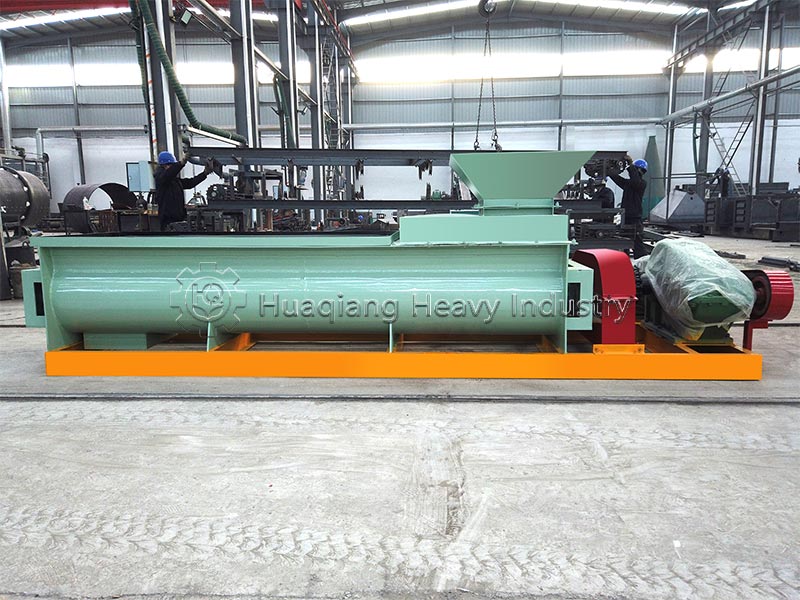
There are differences in key equipment configuration. Both types of equipment share basic equipment such as solid-liquid separators, fertilizer mixers, and granulators, but bio-organic fertilizer equipment requires additional specialized devices: low-temperature fermentation equipment to prevent high-temperature sterilization, precise microbial agent mixing equipment to ensure even distribution, and low-temperature drying/cooling equipment below 60℃ to preserve microbial activity.

Bio-organic fertilizer equipment requires strict control of fermentation temperature, pH value, and the timing of microbial agent addition; ordinary organic fertilizer equipment has a simpler process, focusing on controlling the degree of raw material decomposition. In terms of application scenarios, the former is suitable for ecological farming, while the latter meets the needs of ordinary organic fertilizer production for conventional soil improvement and fertilization.

Three core raw materials for organic fertilizer production and their application points

Organic fertilizer production utilizes a wide range of raw materials, with livestock and poultry manure, agricultural crop residues, and industrial organic byproducts being the three most commonly used types. Each type has a different nutrient structure, and after scientific processing with organic fertilizer production equipment, they can be transformed into high-quality organic fertilizers.

Livestock and poultry manure is rich in nutrients, including chicken manure, pig manure, and cow manure, and is abundant in nitrogen, phosphorus, potassium, organic matter, and amino acids, providing a gentle and long-lasting fertilizing effect. Fresh manure cannot be used directly; it needs to undergo high-temperature fermentation and composting through an organic fertilizer production line to kill insect eggs, pathogens, and weed seeds, reduce salt content, and prevent seedling burn.

Agricultural crop residues are cost-effective, including corn, wheat, and rice straw, and are rich in cellulose and lignin, improving soil aeration and water retention. Due to their loose texture and lack of viscosity, they need to be processed by a crushing device before being mixed with livestock and poultry manure for fermentation. If necessary, a fertilizer granulator with a binder can be used to improve granule formation.

Industrial organic byproducts, such as distiller’s grains, vinegar residue, and furfural residue, have high nutrient concentrations and contain unique active ingredients that can enrich the nutrients in organic fertilizers. However, their composition is complex, requiring pretreatment to adjust humidity and pH and remove harmful substances before mixing with other raw materials for fermentation to ensure the safety and stability of the finished product.

By rationally combining these three types of raw materials and precisely controlling the fermentation and pretreatment processes with organic fertilizer production equipment, nutrient complementarity can be achieved, significantly improving the quality of organic fertilizers and maximizing their fertilizing value.

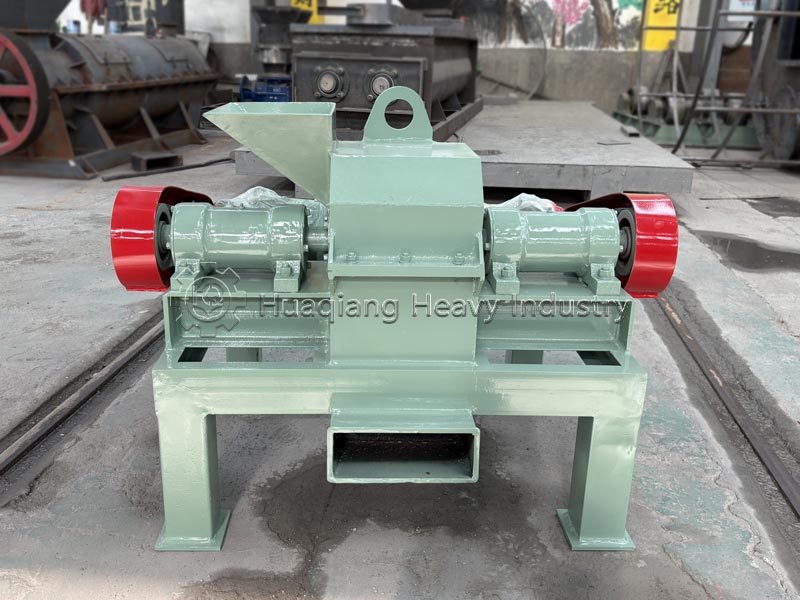
Cage crusher: The core hub in organic fertilizer production equipment systems

In organic fertilizer production equipment, the cage crusher is not merely a single crushing tool, but rather a core hub connecting raw material pretreatment and subsequent processing stages, occupying an indispensable and critical position.

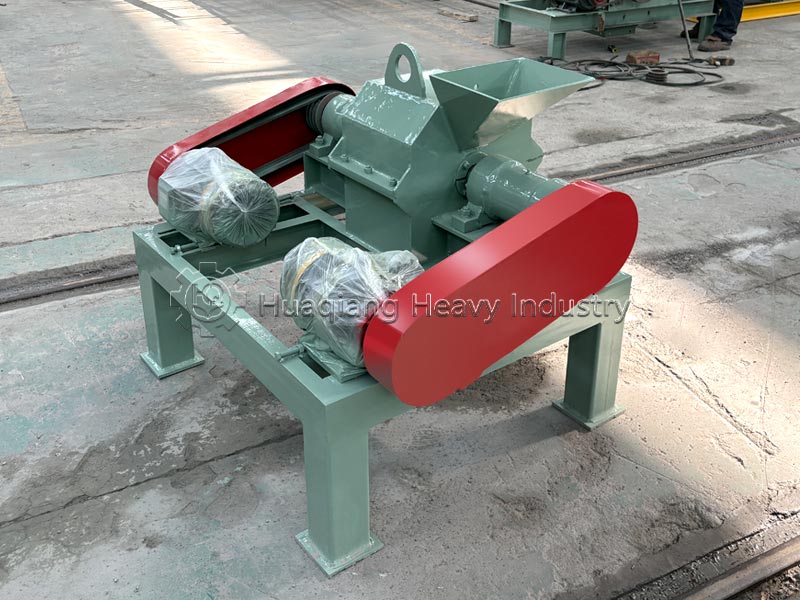
Organic fertilizer raw materials come from diverse sources, including fermented livestock and poultry manure, straw and fungal residue, and sludge. These materials have varying characteristics, some being tough and others prone to clumping. They require fine crushing to meet the needs of subsequent granulation and mixing processes. The cage crusher can precisely adapt to various raw materials, crushing them to a uniform particle size, removing impurities and clumps, and providing standardized raw materials for subsequent equipment.

The cage crusher offers higher crushing precision and lower material loss, reducing nutrient loss while ensuring uniform particle size of the crushed raw materials, thus guaranteeing efficient molding in granulation equipment and uniform mixing in mixing equipment. The high-quality crushing effect improves the particle size and uniformity of nutrient release in the finished organic fertilizer product.

The cage crusher is adaptable to a wide range of moisture levels and features strong sealing, allowing it to handle raw materials from different pretreatment stages while reducing dust pollution. It works efficiently in conjunction with equipment such as compost turning machines and mixers. Its flexible parameter adjustment capabilities allow it to adapt to different production capacities, making it a versatile core piece of equipment for small, medium, and large-scale organic fertilizer production lines, supporting the smooth operation of the entire production process.

Multiple positive factors converge, driving a continuous surge in demand for organic fertilizer production equipment

Against the backdrop of green transformation in agriculture and the pursuit of “dual carbon” goals, organic fertilizer production equipment is experiencing a boom in demand. Multiple factors are jointly driving steady growth in equipment demand, making it a new growth point in the agricultural equipment sector.

Market demand. Long-term overuse of chemical fertilizers has led to serious soil compaction and acidification problems, creating an urgent need for soil improvement, with organic fertilizers becoming a key solution. Coupled with the surge in consumer demand for organic agricultural products, farmers are increasing their investment in organic fertilizers, forcing production companies to expand production and driving the procurement of core equipment such as fermentation tanks, compost turning machines, and fertilizer granulators.

Industrial upgrading. The rise of new agricultural business entities and the strong demand for efficient and intelligent equipment from large-scale farms are driving the upgrading of equipment such as fertilizer granulators and packaging machines towards automation and integration. At the same time, agricultural waste resource utilization projects are flourishing, from livestock and poultry manure treatment to straw processing, creating differentiated equipment needs in different scenarios and continuously expanding market coverage.

Technological iteration. Technological upgrades such as intelligent control and corrosion-resistant materials allow equipment to adapt to more types of raw materials, improve production efficiency, and lower the entry barrier for small and medium-sized enterprises. Empowered by technology, equipment has transformed from “optional” to “essential,” further unleashing market demand potential and contributing to the implementation of a circular economy in agriculture.