What are the environmental protection measures of organic fertilizer production line?

As an important part of agricultural production, its environmental protection measures are of great significance to reduce environmental pollution and improve resource utilization. Here are some effective environmental measures:

  1. Dust control: In the process of mixing, crushing, granulation, etc., dust is collected by sealing equipment and air Collector, and treated by equipment such as Cyclone Dust Collector, bag dust collector or scrubber to reduce dust emission.
  1. Waste Gas treatment: The gas from Gas/Oil Hot Air Stove in the production line needs to be dedusted and desulphurized. Cyclone Dust Collector and water film dedusting technology are adopted to ensure that the exhaust gas meets the emission standards.
  1. Wastewater management: Domestic sewage and production wastewater should be pre-treated through septic tanks, etc., and then appropriate treatment technologies, such as biochemical treatment, physicochemical treatment, etc. should be selected according to the nature of the wastewater to achieve recycling of wastewater or discharge up to standard.
  1. Solid waste treatment: For the solid waste generated in the production process, such as waste packaging bags, dust, etc., should be classified and collected and treated. Recyclable solid waste should be disposed of by the material recovery department, and non-recyclable solid waste should be disposed of safely, such as used as agricultural fertilizer.
  1. Noise control: Through the selection of low noise equipment, plant sound insulation, key parts of the rubber pad and other measures to reduce the noise pollution in the production process.
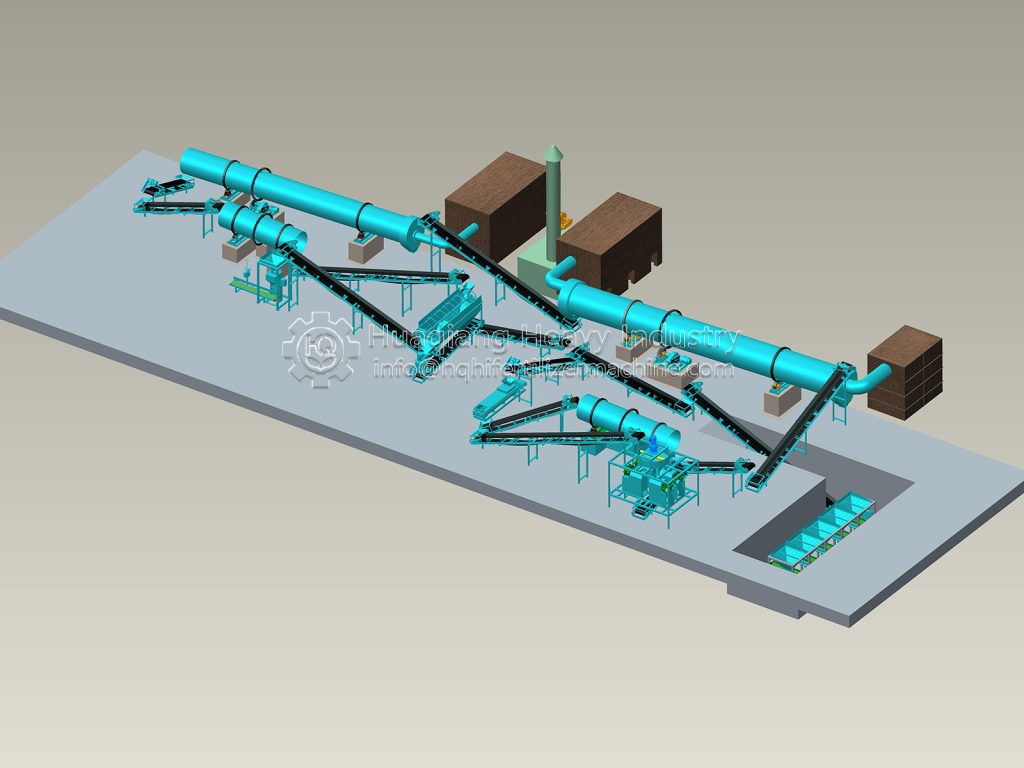
  1. Odor control: Organic fertilizer may produce odor during the drying process, and the generation and diffusion of odor can be reduced by strengthening ventilation and adopting biological filtration.
  1. Resource recycling: Promote the use of by-products and waste in the Organic Fertilizer Production Line, such as using the hot blast furnace slag generated in the drying process as agricultural fertilizer to realize the recycling of resources.
  1. Enhance environmental awareness: strengthen environmental education and training of employees, improve environmental awareness, and ensure the effective implementation of environmental protection measures.
  1. Environmental monitoring and emergency plan: Regularly monitor the environment around the production line to ensure that pollutant emissions meet standards. At the same time, formulate emergency plans for environmental emergencies and improve the ability to respond to environmental accidents.

 
Through the implementation of the above environmental protection measures, Organic Fertilizer Production Line can not only effectively reduce the impact on the environment, but also improve the efficiency of resource utilization and promote the sustainabl
When choosing an organic fertilizer production line, how to judge its quality and performance?

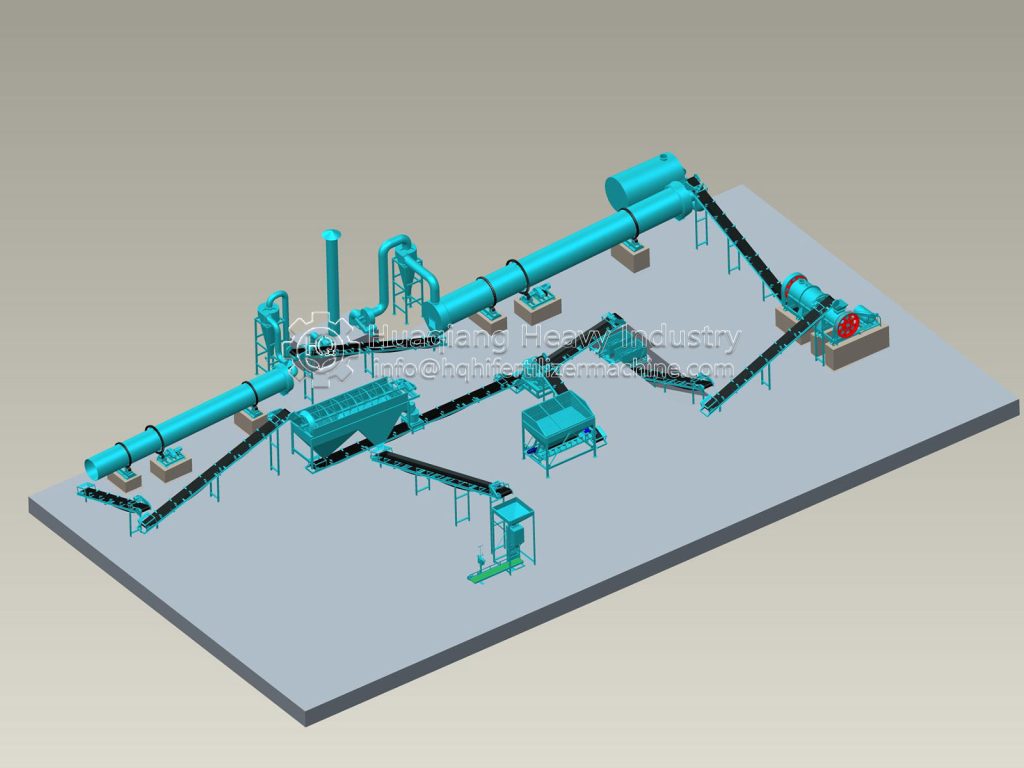
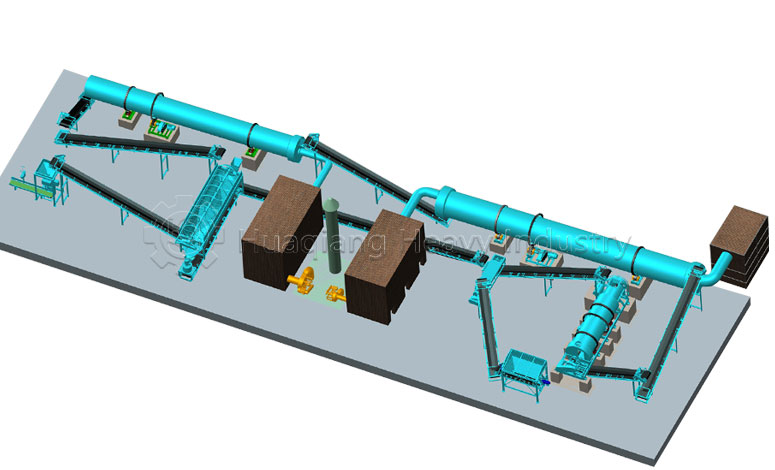
Organic fertilizer production line is an indispensable facility in modern agricultural production, which directly affects the yield and quality of organic fertilizer. Selecting the right organic fertilizer production line requires comprehensive evaluation from multiple perspectives.
 

  1. Raw material adaptability: We must first consider the adaptability of the production line to raw materials. High-quality Organic Fertilizer Production Linecan adapt to a variety of raw materials, including livestock manure, straw, food industry by-products, etc. The diversity of raw materials directly affects the nutritional value and production cost of organic fertilizers.
Organic-Fertilizer-Production-Line1
  1. Production capacity: The production capacity of the production line should match the scale and needs of the farm. For example, for large-scale farms, you may need to choose a production line that produces hundreds of tons per day, while for small-scale farms, you may need to choose a production line that produces tens of tons per day.
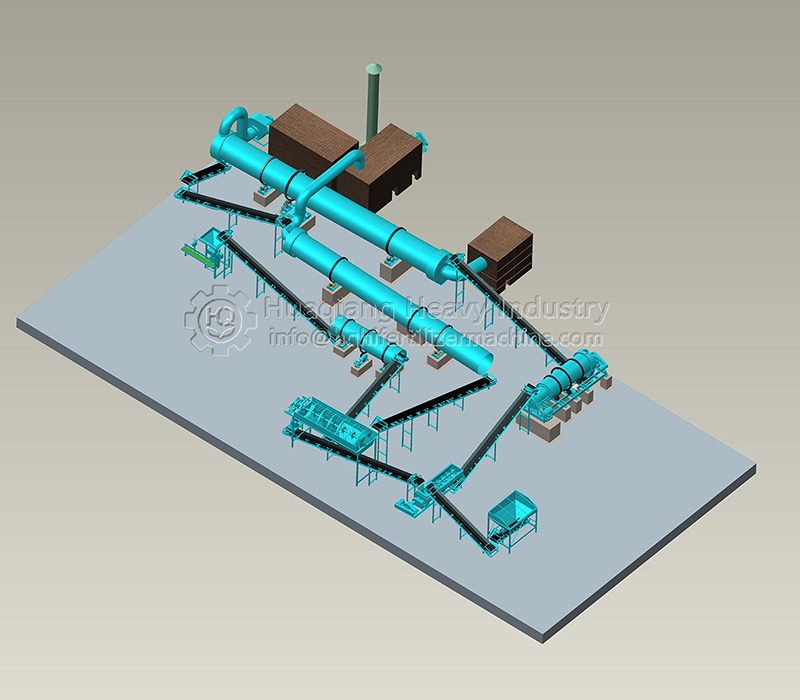
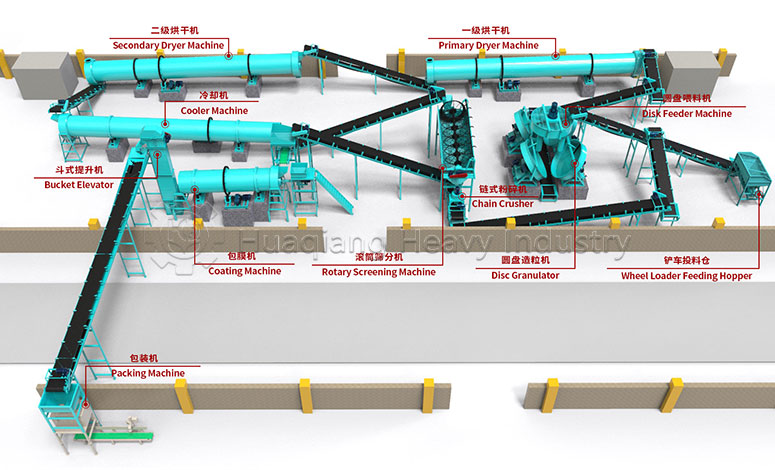
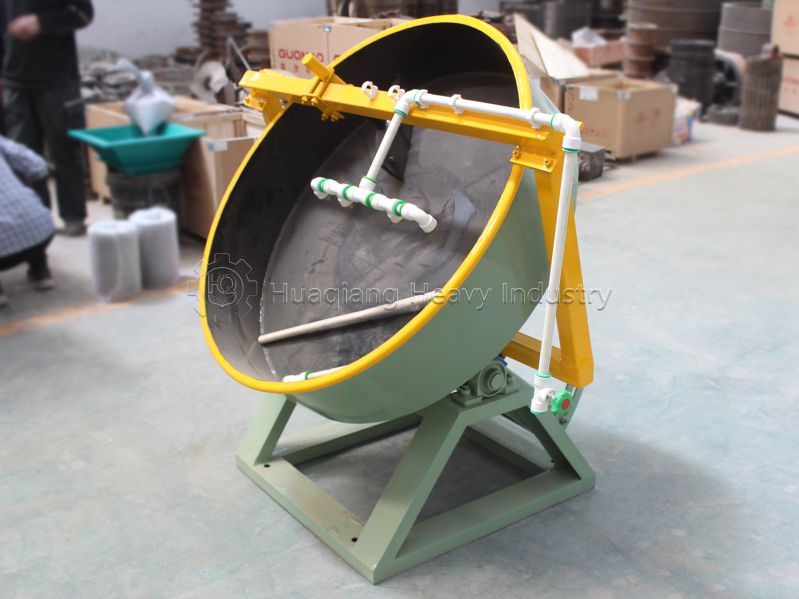
  1. Equipment composition: Organic fertilizer production line usually includes grinding, mixing, granulation, drying, screening and packaging and other links. The equipment performance of each link will affect the quality of the final product. For example, the Disc Granulator is able to produce uniform particles, which helps to improve fertilization efficiency.
18_1
  1. Environmental performance: In the production process, the production line should meet the environmental requirements and reduce the impact on the environment. This includes emission reduction, noise control, waste disposal and more.
  1. Degree of automation: modern organic fertilizer production lines are increasingly inclined to automation, which can reduce labor costs and improve production efficiency. Production lines with a high degree of automation can more accurately control various parameters in the production process.
  1. Energy consumption: The energy consumption of the production line is also an important indicator to measure its performance. Energy efficient production lines can reduce production costs while also meeting the requirements of sustainable development.
  1. After-sales service: It is important to choose a production line with good after-sales service. This includes services such as installation, commissioning, maintenance and upgrading of equipment.
  1. Return on investment: Finally, you need to consider the return on investment of the production line. This includes equipment acquisition costs, operating costs and maintenance costs. A high-quality production line should be able to recover the investment cost in a relatively short time.

 
Through the comprehensive evaluation of the above aspects, the quality and performance of the organic fertilizer production line can be judged, so as to make a reasonable choice.

New pet of pig farm: feed granulator improves feed utilization and reduces costs

As an important part of animal husbandry, pig industry faces the problems of high feed cost and low feed conversion rate in modern large-scale breeding. In order to improve the economic benefits of pig farms, the new feed granulation technology came into being and became the new pet of pig farms. Through the use of feed granulator, this technology not only improves the utilization of feed, but also effectively reduces the cost of farming.
 

1. Efficient transformation of Fertilizer Granulating Production Line

 
The Fertilizer Granulating Production Line uses a series of processes to produce granular feed from various raw materials. Such production lines usually include crushing, mixing, granulation, drying and packaging. In the pig farm, the pellet feed processed by this production line has the advantages of balanced nutrition, easy digestion, reducing waste and so on, thus improving the utilization rate of feed.
 

2. the recycling of Organic Fertilizer Production Line

 
In pig farms, manure and waste water are common wastes. Through the Organic Fertilizer Production Line, this waste can be converted into organic fertilizer. This organic fertilizer can not only be used in pig farms to increase crop yields, but also can be sold as a commodity, bringing additional economic benefits to pig farms.

3. Precise granulation of Flat-Die Pellet Machine

 
The Flat-Die Pellet Machine is the key equipment in the feed pelletizing production line, which can precisely control the grain size and shape of the feed according to the growth stage of different pigs. This precise granulation technology helps to improve the pig’s acceptance of feed, reduce feed waste, and thus improve feed utilization.

4. Strict Screening by Rotary Screening Machine

 
During the feed pelletizing process, the Rotary Screening Machine is used to screen out unqualified feed particles to ensure uniform size and regular shape of the final product. This not only helps to improve the palatability of the feed, but also reduces feed waste caused by too large or too small particles.

Conclusion

 
Through the application of feed granulator, pig farms can achieve efficient conversion and accurate supply of feed, and significantly improve the utilization rate of feed. At the same time, through the recycling of organic fertilizer production lines, pig farms can convert waste into valuable organic fertilizers and achieve sustainable use of resources. This innovative feed processing technology not only helps reduce the operating costs of pig farms, but also improves the overall competitiveness of the pig industry.

What organic fertilizers are there available for bamboo that provide sufficient nutrition value?

Bamboo is known for its tough and fast growing properties and is an integral element in many garden and landscape designs. However, in order to ensure the healthy growth and good ornamental value of bamboo, the right fertilizer is essential. Organic fertilizers are ideal for growing bamboo because of their natural, environmentally friendly and soil-friendly properties. This paper will introduce several organic fertilizers suitable for bamboo, and discuss the related fertilizer granulator equipment.

1. Compost

Compost is an organic fertilizer made by microbial decomposition of organic matter, which is rich in nitrogen, phosphorus, potassium and other nutrients required for plant growth. For bamboo, compost provides comprehensive nutrients that promote root development and plant health. In the process of making compost, a Flat-Die Pellet Machine can be used to compress organic materials into pellets, which is not only easy to store and transport, but also can improve the uniformity and application effect of fertilizer.

2. Green manure

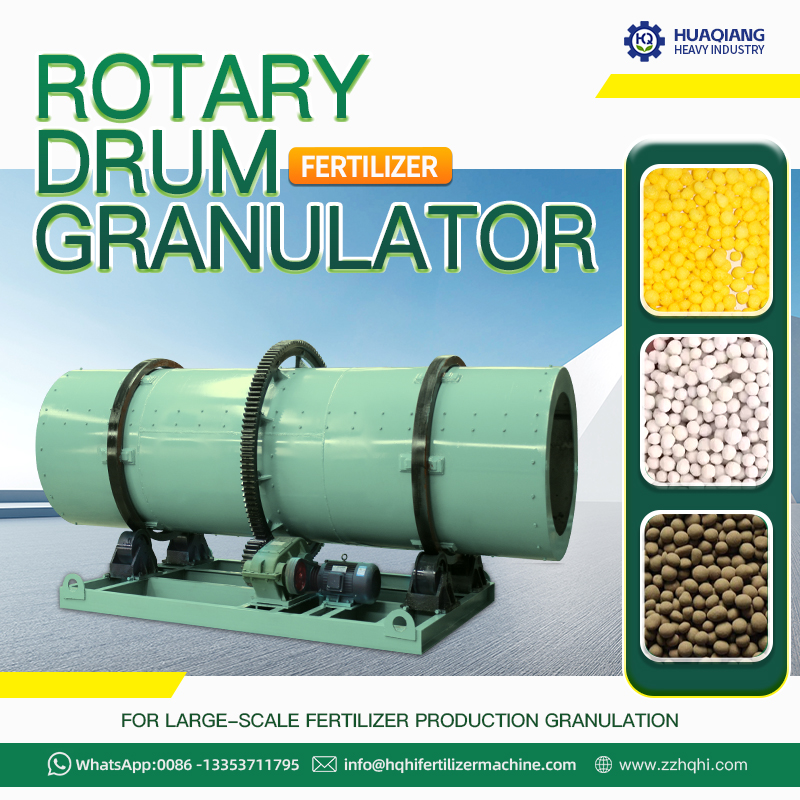
Green manure refers to the direct use of plant residues or the plant itself as fertilizer, such as the residues of legumes. This type of fertilizer is rich in nitrogen, which helps the bamboo grow quickly. In the production process of green fertilizer, Rotary Drum Granulator can effectively transform plant residues into granular fertilizer, improving fertilizer application efficiency and soil fertility.
12_1

3. Animal feces

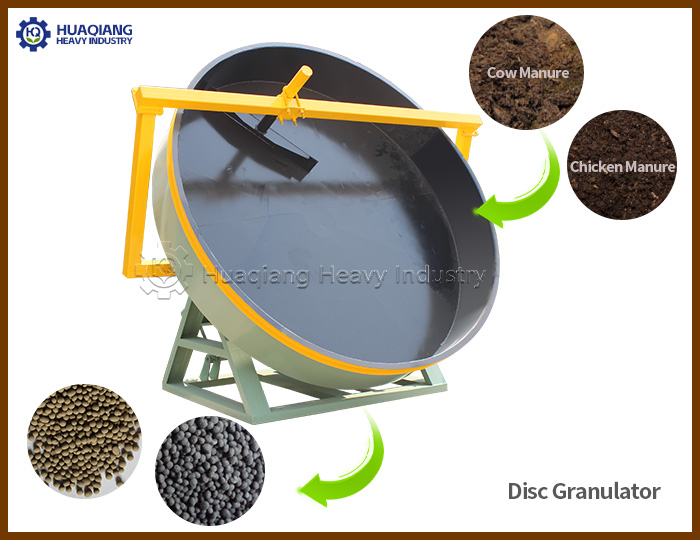
Animal manure is another common organic fertilizer, especially that of ruminants such as cattle and sheep, which is rich in organic matter and trace elements. These fertilizers can improve the soil structure and provide lasting nutrients for bamboo. When dealing with animal waste, the Disc Granulator converts it into uniform particles, facilitating uniform application and improving fertilizer utilization.

4. Humic acid fertilizer

Humic acid fertilizer is an organic substance extracted from plant residues and animal excrement, which has the function of improving soil structure, increasing soil fertility and promoting plant growth. For plants such as bamboo that require high soil conditions, humic acid fertilizer is a good choice. In the production of humic acid Fertilizer, the Fertilizer Granules Compaction Machine can mix humic acid with other fertilizer raw materials and extrude them into particles to improve the stability and application effect of fertilizer.

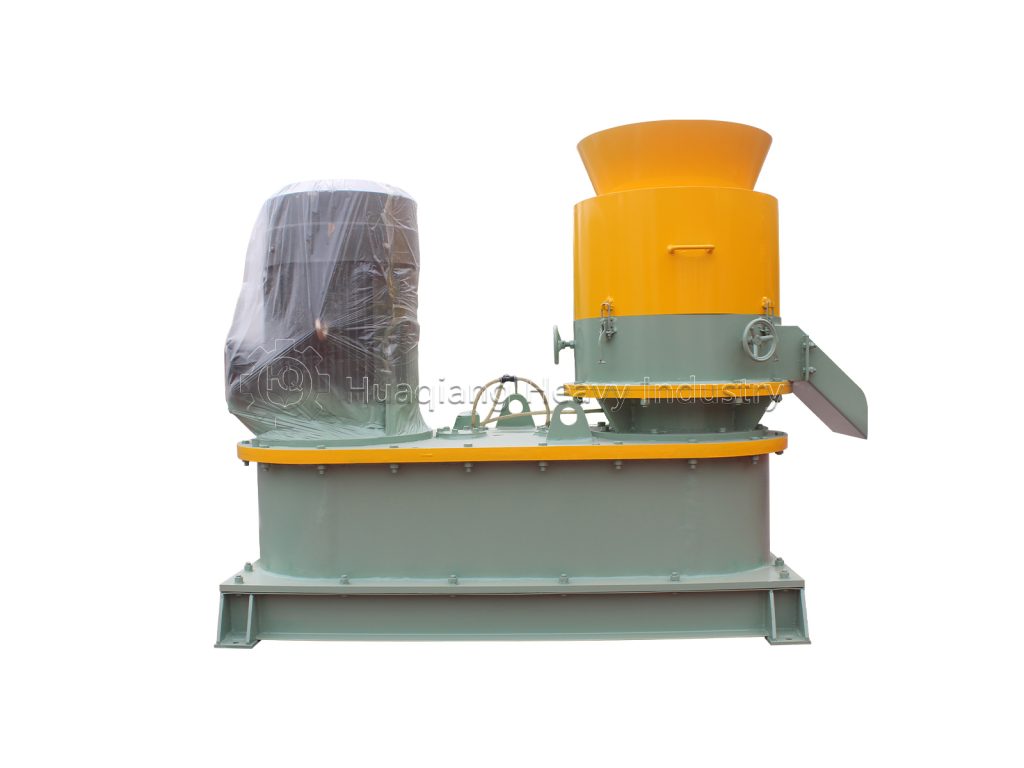
When choosing the right fertilizer granulator equipment, it is necessary to consider the raw material characteristics, production scale and economic cost of fertilizer. For example, a Flat-Die Pellet Machine is suitable for small-scale production, while Rotary Drum Granulator and Disc Granulator are suitable for large-scale fertilizer production. The Fertilizer Granules Compaction Machine is suitable for fertilizer production requiring high pressure molding.
In short, to provide adequate nutritional value of bamboo, choosing the appropriate organic fertilizer and the corresponding fertilizer granulator equipment is the key. Through scientific fertilization methods and advanced granulation techniques, it is possible to ensure that bamboo gets a balanced nutrition, promote its healthy growth, and also contribute to the sustainable development of the environment.

Key requirements for choosing granulators in NPK fertilizer production lines

In compound fertilizer production, the granulator is the core equipment of an NPK fertilizer production line. It directly affects pellet quality, production efficiency, and product competitiveness. With the advancement of agricultural modernization, the market demands higher standards for NPK fertilizer granulation.

1.Strong Raw Material Adaptability

A quality NPK fertilizer granulator must handle various raw material ratios.It needs to work with mixes having different proportions of Nitrogen (N), Phosphorus (P), and Potassium (K).It should be able to process functional formulas that include added trace elements.It must handle raw materials with high moisture or high viscosity.

2.High Granulation Rate and Uniform Particles

A professional NPK granulator should achieve a granulation rate above 90%, minimizing recycled material.Particle size must be uniform, with over 85% of pellets sized between 2-4mm.Pellets should be well-rounded with a smooth surface finish. 

3.Excellent Energy Efficiency and Environmental Performance

Modern NPK granulators need energy consumption per unit at least 20% below industry standards.They must include dust recovery systems, keeping dust emissions ≤30mg/m³.Noise levels should be controlled below 85 decibels.

4.Durable and Easy to Maintain

A quality granulator’s design should use wear-resistant alloy materials for key parts, ensuring a lifespan of over 5 years.Modular design allows for quick replacement of wear parts.Multiple access points provide ample space for maintenance.The lubrication system should be highly automated.

Granulator Selection Advice

Small lines (1-5 tons/hour): Disc Granulators are suitable.Medium lines (5-15 tons/hour): Rotary Drum Granulators are recommended.Large lines (15+ tons/hour): Prilling tower systems should be considered.

Selecting an NPK fertilizer granulator that meets these requirements will significantly boost production efficiency and product quality.

Understanding the material requirements for rotary drum granulators in fertilizer production

The rotary drum granulator is central to modern fertilizer production, but it demands specific material properties. Knowing these is key to better efficiency and consistent product quality.

1.Physical Requirements

Raw material powder should be 80–200 mesh (180–75 μm). Particles that are too large or too small hurt both granule formation and strength. Good powder flow is also needed for even spreading inside the rotary drum granulator. Moisture content needs to stay between 2% and 5%—too much causes clumping, too little makes stable granules hard to form.

2.Chemical Makeup and Reaction Behavior

Fertilizer materials should dissolve moderately. Fully soluble or insoluble substances both complicate granulation. Materials with some clay minerals or organic matter form more stable granules. Neutral or slightly acidic pH usually gives the best results.

3.Heat Stability and Binding Ability

Since heat (60–80°C) is often used during granulation, materials must handle it without breaking down. They also need just the right stickiness—adjustable with binders like lignosulfonates.

4.Final Granule Quality

Good fertilizer pellets should have:Uniform size (1.5–4 mm), 90% granulation rate, 10 Newton/pellet crush strength, <2% dust content. Their surface should be smooth and dense, with an even internal structure for controlled nutrient release.

In short, knowing what a rotary drum granulator needs from your materials helps fine-tune your process—so you’ll get better pellets, more reliably.

Guide to selecting key equipment for bio-organic fertilizer production lines

With the rapid growth of green agriculture and organic farming, bio-organic fertilizer production lines are becoming a popular choice in the fertilizer industry. However, the core of a production line lies in equipment selection.

1.Fermentation Equipment
Trough Compost Turner: Best for large-scale production. Ensures even turning and high fermentation efficiency.
Crawler-type Turner: Ideal for windrow composting. Offers flexibility and lower investment.
Closed Fermentation Tank: Highly automated, prevents odor leakage, and excels in eco-friendliness.
Selection Tip: Choose based on raw materials (like livestock manure, straw) and production scale. Ensure thorough composting to eliminate pathogens and weed seeds.
2.Crushing Equipment
Half-Wet Material Crusher: Handles high-moisture organic materials well. Prevents clogging and boosts efficiency.
Chain Crusher: Suitable for fibrous materials (like straw, mushroom residue).
Selection Tip: Consider material moisture and hardness. Aim for uniform particle size to improve mixing and granulation later.

3.Mixing Equipment
Double Shafts Paddle Mixer: Delivers high mixing uniformity for powders and granules.
Ribbon Mixer: Works well with sticky materials and mixes thoroughly.
Selection Tip: Opt for corrosion-resistant materials (like stainless steel) to avoid material sticking and improve efficiency.
4.Granulation Equipment
Disc Granulator: Fits small-to-medium production. Produces rounded, moderately strong granules.
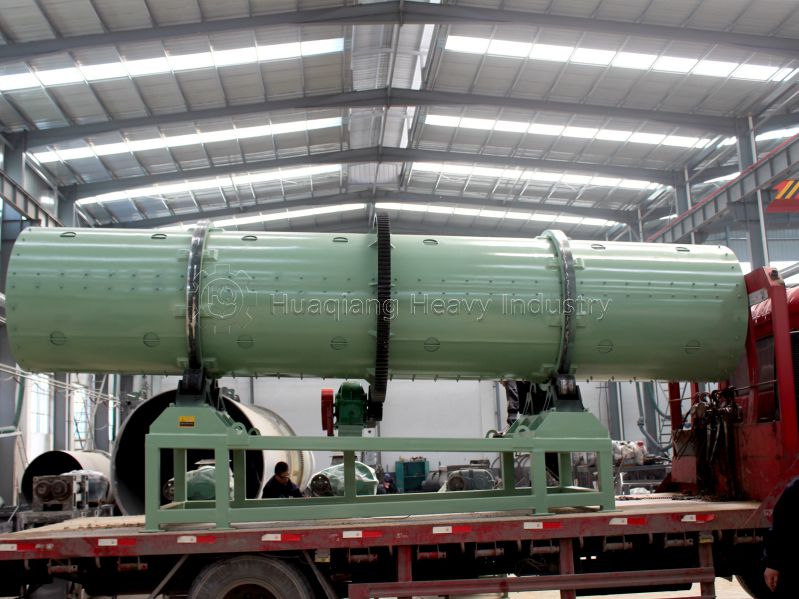
Rotary Drum Granulator: High-capacity, ideal for large-scale continuous production.
Extrusion Granulator: Energy-efficient and good for high-density organic fertilizer shaping.
Selection Tip: Select based on market needs (granule size or hardness). Ensure finished products resist breakage for easy transport and application.

Choosing the right equipment for production line boosts efficiency and guarantees product quality—supporting the growth of green agriculture.

What types of phosphate fertilizers can a rotary drum granulator process?

The rotary drum granulator is key equipment in phosphate fertilizer production, suitable for the granulation process of many types. It forms powder into granules through the tumbling action of a rotating drum, offering advantages like high output, good granule formation rates, and strong adaptability.

Phosphate Fertilizers Suitable for Rotary Drum Granulator:

1.Single Superphosphate (SSP)

SSP is a water-soluble phosphate fertilizer containing 14% to 20% available P₂O₅. Because it’s quite acidic, neutralizing agents (like lime or ammonia) need adding during granulation to improve how well the material sticks together. The rotary drum produces uniform SSP granules with good strength for storage and spreading.

2.Triple Superphosphate (TSP)

TSP has much higher P₂O₅content (44% to 52%) than SSP. Granulation requires careful moisture control (usually 8% to 12%) and adding binders (like bentonite or humic acid) to boost the granules’ strength and resistance to wear.

3.Ammonium Phosphate Fertilizers (MAP/DAP)

Monoammonium Phosphate (MAP): Contains 48% to 52% P₂O₅and 10% to 12% N. Granulation needs pH adjustment to prevent the material becoming too sticky, which affects granule formation.

Diammonium Phosphate (DAP): Contains 46% to 48% P₂O₅and 16% to 18% N. The higher nitrogen content means temperature control during granulation is important to prevent nitrogen loss.

4.Organic-Inorganic Compound Phosphate Fertilizers

These are made by granulating phosphate fertilizers (like SSP) mixed with organic materials (like composted manure or humic acid). The rotary drum mixes the materials evenly, creating granules that provide balanced nutrients and improve soil quality.

In summary, the rotary drum granulator is an ideal machine for making phosphate fertilizer granules. By choosing the right process settings, it produces strong, high-quality granules that improve fertilizer effectiveness and make spreading easier.

Cost Analysis of Chicken Manure Fertilizer Processing in an Organic Fertilizer Production Line

Chicken manure is indeed a high-quality organic fertilizer raw material, rich in organic matter, nitrogen, phosphorus, potassium, various trace elements, enzymes, and microorganisms. Through standardized aerobic composting processes, it effectively degrades organic matter, kills parasite eggs and pathogens, and renders it harmless and stable. This can then be produced into commercial organic fertilizer through an organic fertilizer production line, creating economic benefits for chicken farms while fundamentally addressing environmental pollution.

However, processing chicken manure into commercial organic fertilizer does involve certain production costs, which can be primarily categorized into the following aspects. First, equipment investment is the core, one-time investment. A complete production line typically includes fermentation and compost turning equipment, a crusher, a mixer, a granulator, a dryer, a cooler, a screener, and an automatic packaging machine. The choice of granulator significantly impacts cost and product form. For example, a rotary drum granulator offers high output, a disc granulator offers a high granulation rate, and a flat die granulator is suitable for organic materials. Different granulator models have varying prices and energy consumption. Secondly, the costs of the pretreatment and fermentation processes cannot be ignored. Fresh chicken manure is sticky and moist, typically with a moisture content exceeding 70%, while the optimal fermentation moisture content needs to be adjusted to 50%-60%. Therefore, a large amount of auxiliary materials (such as straw, sawdust, and mushroom residue) are often required to adjust the moisture and carbon-nitrogen ratios. The procurement, transportation, and crushing of these auxiliary materials all incur ongoing costs.

The initial equipment investment for processing chicken manure in an organic fertilizer production line is relatively high, and ongoing operations also require ongoing investment. The cost level depends largely on the production scale, the degree of automation, the availability and price of raw materials, and the positioning of the final product. For large-scale chicken farms, although the initial investment is high, in the long run, the comprehensive benefits of addressing environmental pressures and creating economic value by turning waste into resources are significant, making the cost acceptable.

Comparing granule shapes from different fertilizer granulators: Choosing the best granulation process

In fertilizer production, the choice of granulator directly affects granule shape, strength, and performance. Different granulation techniques produce distinct granule shapes suited for specific fertilizer types and market needs.

1.Rotary Drum Granulator: Spherical granules, smooth surface

Produces typically round, smooth-surfaced granules with uniform size. This shape works well for compound fertilizers, organic fertilizers, and BB blends, offering good flowability and crush strength for mechanical application.

2.Double Roller Press Granulator: Oblate or hemispherical granules

Forms mostly flat-round or half-spherical granules, sometimes with slight burrs on edges. The dense structure resists breakage, making it suitable for high-concentration compound fertilizers or organic-inorganic blends.

3.Flat Die Granulator: Cylindrical granules, varying lengths

Creates short cylindrical pellets with consistent diameter but lengths that may vary. These high-hardness granules fit organic fertilizers, bio-organic fertilizers, and feed additives.

4.Disc Granulator: Near-spherical granules, mixed sizes

Similar to rotary drum granulation but yields less regular, near-spherical shapes with a wider particle size range. Ideal for initial processing of organic or compound fertilizers—cost-effective but less uniform.

In short, selecting the right granulator improves fertilizer quality and production efficiency.