Choosing the right equipment for open-air composting: Why windrow compost turners are the optimal solution

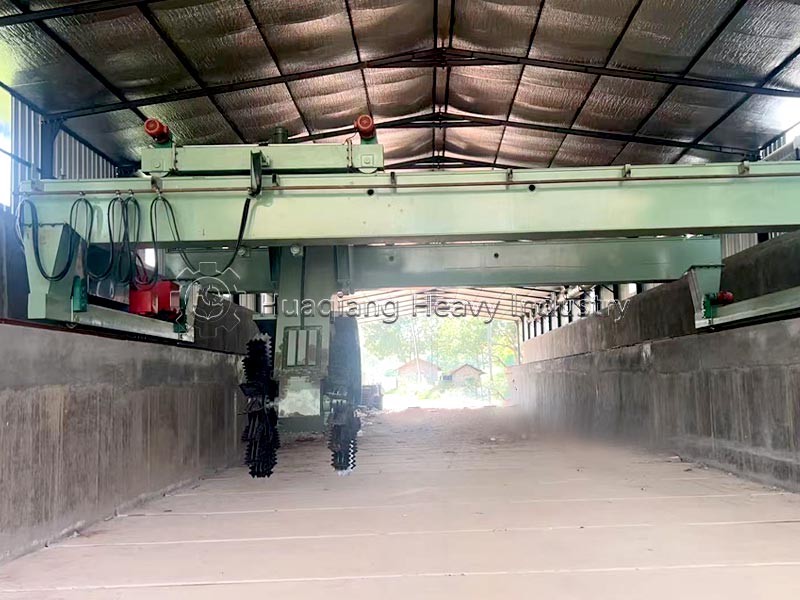
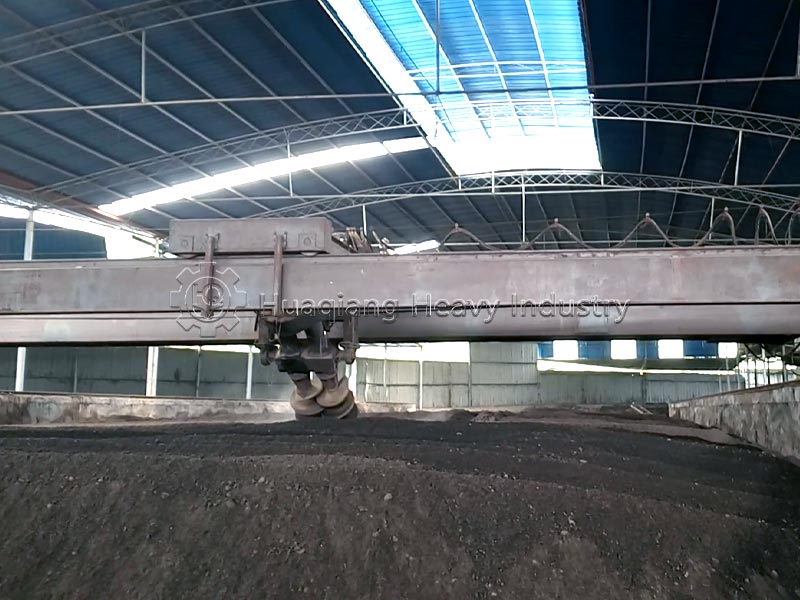
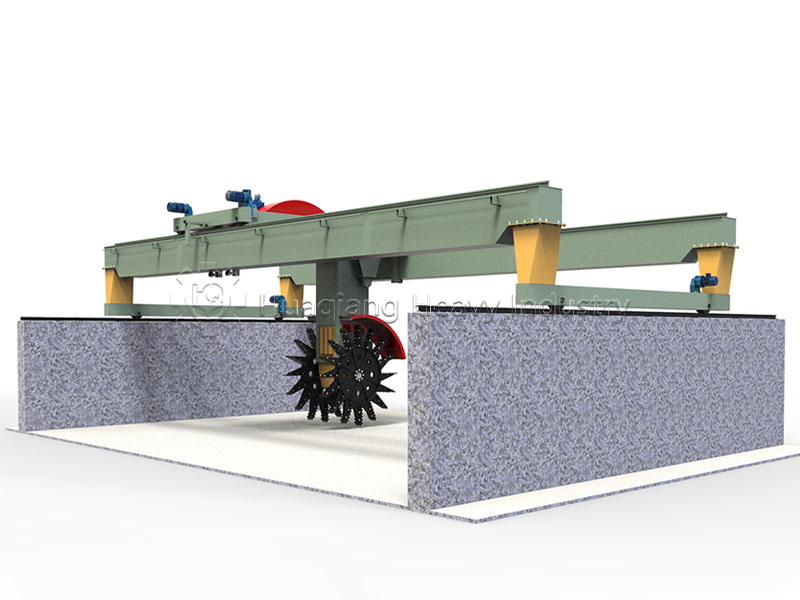
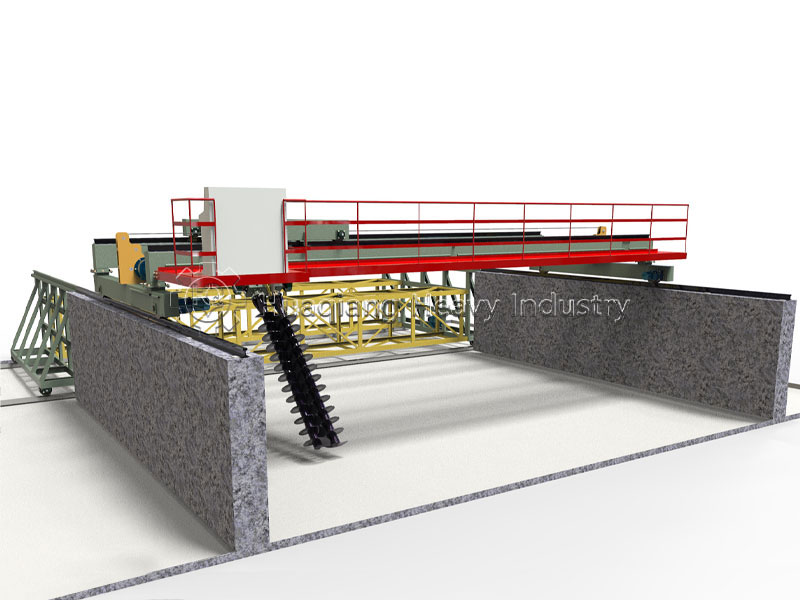
Open-air composting is greatly affected by terrain, space, and the natural environment, requiring higher demands on the passability, flexibility, and stability of composting equipment. Windrow compost turning machines, with their unique advantages for open-air environments, have become the preferred equipment for open-air composting compared to other types of windrow turners.

The tracked design is adapted to complex open-air terrain, offering excellent passability. Open-air sites often have uneven ground, soft soil, or residual debris. Windrow compost turning machines have a large ground contact area and low ground pressure, preventing them from getting stuck. They can operate smoothly in muddy conditions and overcome small obstacles, eliminating the need for pre-site leveling and significantly reducing initial preparation costs.
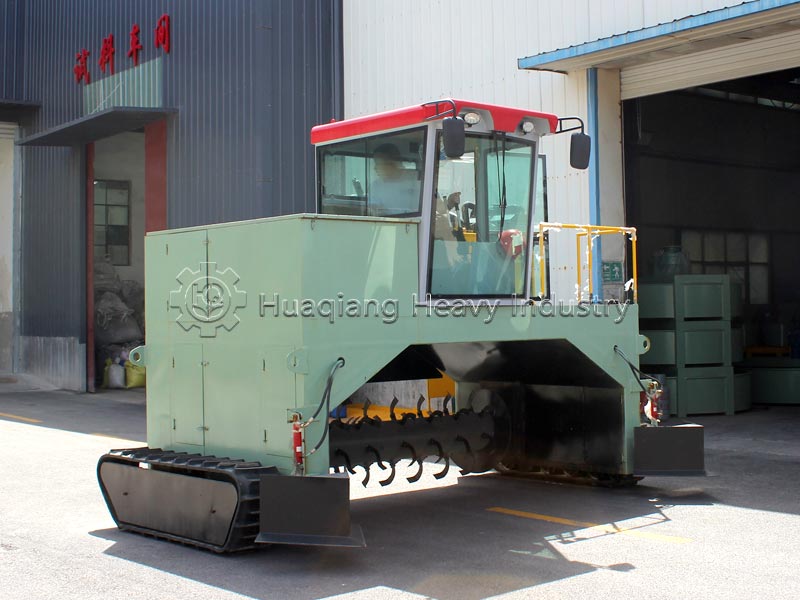
High operational flexibility adapts to diverse open-air compost piles. Open-air compost piles have no fixed size or shape. Windrow compost turning machines can flexibly adjust their operating angle and range, handling both large, continuous piles and scattered piles. Compared to wheeled equipment, they have no turning radius limitations, making full use of open-air space.

Strong resistance to environmental interference adapts to varying open-air conditions. Open-air operations are affected by wind and rain, causing compost piles to compact. Windrow compost turning machines have powerful engines that can efficiently break up compacted piles, ensuring proper aeration. Their robust design protects against sun and rain, ensuring high operational stability and reducing downtime, making them suitable for long-term open-air operations.

In summary, windrow compost turning machines precisely address the challenges of complex terrain, flexible space requirements, and variable environmental conditions in open-air composting, balancing operational efficiency and stability, making them the optimal organic fertilizer composting equipment for open-air applications.
Preparing for bio-organic fertilizer production: 5 key steps!

The core of bio-organic fertilizer production is ensuring thorough composting, microbial activity, and product quality. Early preparation directly determines production efficiency and requires multi-dimensional planning to avoid pitfalls and lay a solid foundation for large-scale, standardized production.

Raw material preparation is fundamental. Select organic raw materials free of pesticide residues and odors, and mix carbon sources (straw, sawdust) and nitrogen sources (livestock and poultry manure, fungal residue) at a carbon-to-nitrogen ratio of 25:1-30:1. Crush and dry the materials in advance, removing impurities. Also, prepare composting microbial agents to improve microbial decomposition efficiency.

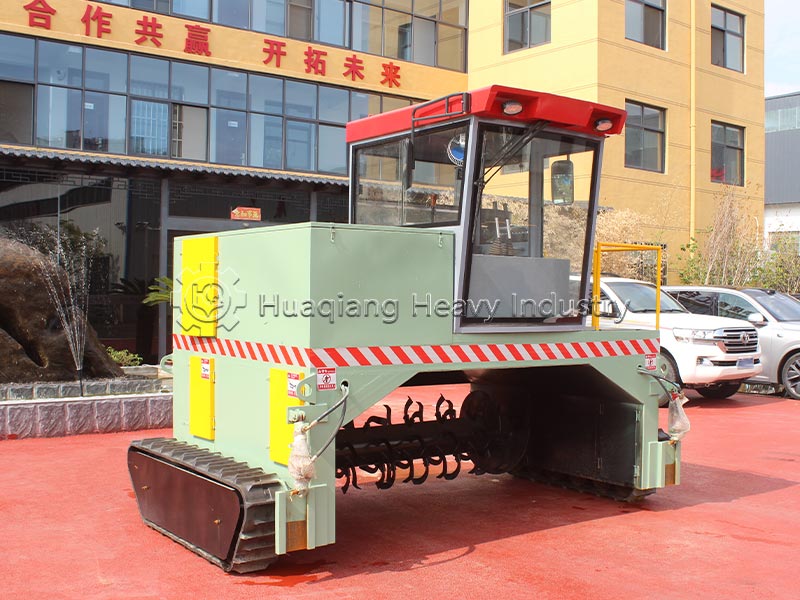
Equipment preparation should be tailored to the scale of production. Basic bio-organic fertilizer equipment includes crushing, mixing, and turning equipment. Windrow compost turning machines are suitable for large areas and heavy materials. Large-scale production requires a complete bio-organic fertilizer production line, integrating various equipment and including molding and drying facilities. Equipment and production lines should be tested in advance to ensure smooth operation and meet the requirements for controlling fermentation parameters.

Site and technical preparation are indispensable. The site should be located away from residential areas and have good ventilation and drainage. Small-scale production can use open-air sites, while large-scale production requires factory buildings. Mastering fermentation technology is also crucial, including understanding temperature and humidity control, ventilation frequency, and developing contingency plans for abnormal situations.

Compliance preparation cannot be overlooked. Ensure compliance with environmental standards and understand local waste disposal and wastewater discharge regulations. By completing these preparations and utilizing appropriate bio-organic fertilizer equipment, windrow compost turning machines, and a standardized production line, efficient production and guaranteed product quality can be achieved.

Composting materials guide: What you can and cannot compost!

The core of composting is the microbial decomposition of organic materials. Material selection directly determines composting efficiency, product quality, and whether unpleasant odors are produced. The key selection criteria are “easy decomposition, harmlessness, and suitable carbon-to-nitrogen ratio.” Below is a clear list of materials that can and cannot be composted.

Compostable materials mainly consist of natural organic waste, divided into two categories: carbon-rich materials (straw, sawdust, fallen leaves) to supplement carbon elements and increase aeration; and nitrogen-rich materials (livestock manure, kitchen waste, fruit and vegetable scraps, mushroom residue) to provide nutrients and accelerate decomposition. A small amount of wood ash or composting inoculant can be added. Using an organic fertilizer composting machine for turning and mixing will improve the process. Windrow compost turning machines are suitable for large areas and heavy materials, while large wheel compost turning machines are suitable for small and medium-sized operations, helping to ensure even mixing of materials.

The following materials should absolutely not be composted: high-salt and high-fat foods (leftovers, fried foods, pickled foods), which will attract pests, produce foul odors, and inhibit microbial activity; and toxic and harmful materials (plastics, glass, straw with pesticide residues, chemical waste), which cannot be decomposed and will pollute the soil.

In addition, meat and bones decompose slowly and easily breed bacteria, so they are not recommended; large, hard objects that have not been crushed need to be crushed beforehand. After adding them, they can be turned and mixed using an organic fertilizer composting machine (both windrow and large wheel composting machines are suitable) to reduce ventilation obstruction; hazardous waste such as batteries is strictly prohibited to prevent heavy metal contamination.

In summary: Prioritize natural, easily decomposable organic waste, combine materials according to the carbon-to-nitrogen ratio, avoid prohibited materials, and use appropriate composting equipment to quickly produce high-quality, odor-free compost, contributing to soil improvement and crop growth.

Composting principles and process implementation

Composting is essentially a microbially driven aerobic decomposition process. Through the metabolism of microbial communities, organic waste such as livestock manure and crop residues are transformed into stable humus, achieving harmlessness and resource utilization. The core principle is to regulate environmental conditions to suit microbial activity.

The composting process progresses through three stages. The high-temperature phase is the core stage, where thermophilic bacteria rapidly decompose organic matter, raising the pile temperature to 55-65°C for several days to kill pathogens and insect eggs; in the cooling phase, mesophilic bacteria take over the decomposition of residual organic matter, and the pile temperature drops to around 40°C; in the maturation phase, microbial activity stabilizes, and the organic matter is transformed into loose, odorless humus.

Process implementation requires controlling four key steps. First, raw material proportioning: mix carbon sources (straw, sawdust) and nitrogen sources (livestock manure) at a carbon-to-nitrogen ratio of 25:1-30:1, and adjust the moisture content to 55%-60% to provide a suitable environment for microorganisms. Second, piling: pile the materials into a pile 1.5-2 meters high to ensure aeration and prevent anaerobic fermentation.

Third, turning and control: use a large wheel compost turning machine or windrow compost turning machine to regularly turn the pile to replenish oxygen and adjust temperature and humidity. During the high-temperature phase, turn the pile every 2-3 days; the interval can be extended during the cooling phase. Fourth, maturation judgment: when the pile temperature drops to ambient temperature, there is no odor, and the material is black and loose granules, the composting process is complete. The entire process does not require complex equipment; large-scale production can rely on organic fertilizer production lines for precise parameter control to improve efficiency and quality.

Does compost smell bad? Only due to improper preparation!

Many people mistakenly believe that compost must smell bad. In fact, high-quality compost only emits a faint earthy smell. A pungent odor, such as putrid or ammonia-like smell, is caused by improper preparation. Composting is essentially the aerobic decomposition of organic matter by microorganisms. With proper methods, odorless composting can be achieved. However, improper handling can lead to anaerobic fermentation and nutrient imbalance, resulting in unpleasant odors.

Key errors include: 1. An imbalanced carbon-nitrogen ratio: Too much nitrogen and too little carbon causes microorganisms to decompose too quickly, releasing large amounts of ammonia and producing a pungent smell. 2. Insufficient ventilation: Overly compacted piles or untimely turning create an anaerobic environment, producing hydrogen sulfide and other substances that emit a putrid odor. 3. Uncontrolled humidity: Too high humidity causes material to clump together and poor ventilation, while too low humidity reduces microbial activity, leading to spoilage and unpleasant odors.

The correct method can completely eliminate odors. Using a carbon-to-nitrogen ratio of 25:1 to 30:1, compost is regularly turned using organic fertilizer composting equipment such as windrow compost turning machines. Large-scale production relies on organic fertilizer production lines, precisely controlling the turning frequency, ratio, and humidity to ensure an aerobic environment throughout the process. Maintaining the compost’s moisture content at 55%-60%, combined with composting microbial agents to accelerate decomposition, reduces odor.

In summary, compost odor is not an inherent characteristic but rather a warning sign of operational errors. By controlling the three key aspects of raw materials and employing scientific turning methods, odorless composting can be achieved.

Essential reading for starting a composting business! These considerations determine success or failure

Starting a composting business requires balancing compliance, resource stability, and operational sustainability. The core is balancing environmental requirements, technological compatibility, and market demand, avoiding common pitfalls in preparation and operation; it’s not simply about equipment investment and material fermentation.

Raw materials and site are fundamental. It’s essential to secure stable sources of organic waste such as livestock manure and straw, sign long-term supply agreements, and verify the composition to avoid the introduction of toxic substances. Site selection must comply with planning regulations, be far from residential areas and water sources, and allow sufficient environmental protection distance. The site should be divided into storage, fermentation, and finished product areas, with leachate collection facilities to prevent secondary pollution.

Compliance approvals are the bottom line. Environmental registration and discharge permits must be obtained in advance, along with odor and solid waste treatment facilities to ensure emissions meet standards. If the finished product is to be sold as commercial fertilizer, a fertilizer registration certificate is required. Simultaneously, understand local resource utilization subsidies and tax policies to reduce initial investment.

Technology and equipment must be precisely matched. Based on raw material type and processing scale, small and medium-sized enterprises can choose double screws compost turning machineswindrow compost turning machines, or horizontal fermentation tanks, while large enterprises can build complete organic fertilizer production lines. Establish a mature fermentation system, strictly control the carbon-to-nitrogen ratio, temperature, and humidity to avoid incomplete composting that could affect product competitiveness.

Market and operational planning should be done in advance. Research the needs of local growers and the agricultural input market to clarify the product’s positioning. Establish a raw material cost control and finished product quality inspection system to improve cost-effectiveness. Develop contingency plans to address risks such as raw material supply fluctuations and policy adjustments, ensuring stable operation.

Large wheel compost turning machine: A high-efficiency boost for large-scale organic fertilizer production

In the field of organic fertilizer production, efficient fermentation equipment is key to increasing production capacity and ensuring quality. The large wheel compost turning machine, with its unique advantages, is becoming the preferred equipment for large-scale production.

As the core material fermentation and processing equipment, it is based on a large-disc structure. The rotating disc, with a diameter of 5-10 meters, drives the edge turning teeth to circulate and turn the accumulated material. Using centrifugal force, it lifts, disperses, and re-piles the material, allowing it to fully contact the air, precisely regulating temperature and humidity, significantly accelerating microbial decomposition, and contributing to improved composting efficiency.

For organic fertilizer production bases with an annual output of over 10,000 tons, the advantages of the large wheel compost turning machine are particularly evident. Compared to traditional trough-type or windrow compost turning machines, it has a wider coverage area per operation, processing 100-200 tons of material per hour, which is 3-5 times that of ordinary equipment, easily meeting the needs of large-scale windrow fermentation.

Furthermore, the large wheel compost turning machine is perfectly compatible with organic fertilizer production lines. It can connect to raw material pretreatment equipment such as crushers and mixers at the front end, and to processing equipment such as granulators at the back end, forming a continuous production process. Its turning depth can reach 1.5-2 meters, ensuring uniform mixing of materials between layers with a temperature difference of ≤2℃, effectively avoiding uneven fermentation and ensuring stable organic fertilizer quality.

Efficient organic fertilizer production: From compost turners to complete production line selection

In the context of green agricultural development and waste resource utilization, efficient organic fertilizer production equipment has become crucial. Compost turning machines, as the core equipment in the organic fertilizer fermentation process, directly impact fermentation efficiency and fertilizer quality. Among these, the double screws compost turning machine stands out due to its unique advantages. It utilizes a double-helix stirring structure to penetrate the compost pile for even mixing, and is equipped with an oxygen supply system to meet the needs of aerobic fermentation. This accelerates the decomposition of organic materials such as livestock manure and crop straw, significantly improving fermentation efficiency. It is widely applicable to agricultural waste treatment and organic fertilizer production.

In addition to the double-helix model, various other compost turners are available for different needs. For example, hydraulic compost turning machines are suitable for large production sites, offering powerful performance and stable operation; windrow compost turning machines are flexible and adaptable to open-air windrow fermentation; and simple compost turning machines are cost-effective, meeting the basic fermentation needs of small farms or startups. These devices, through precise composting and turning operations, lay the foundation for high-quality raw materials in organic fertilizer production.

A complete organic fertilizer production line also requires other key equipment. To expand the product line, NPK fertilizer production lines can achieve diversified fertilizer production, while bio-organic fertilizer production lines focus on the development of high-value bio-fertilizers. Furthermore, fertilizer granulators can process the fermented materials into granular form, improving product storage and transportation convenience and market competitiveness.

Choosing the right combination of equipment not only promotes the resource utilization of organic waste and reduces environmental pollution, but also helps agricultural production achieve a green cycle, injecting momentum into sustainable agricultural development.

Precise matching, no waste! Configuring fertilizer production lines based on raw materials

The core of fertilizer production line configuration is “raw material adaptation.” Different raw materials (moisture content, particle size, and composition) require significantly different choices of pre-treatment, fermentation, and granulation equipment. Blindly copying generic solutions easily leads to low capacity, poor product quality, and high energy consumption.

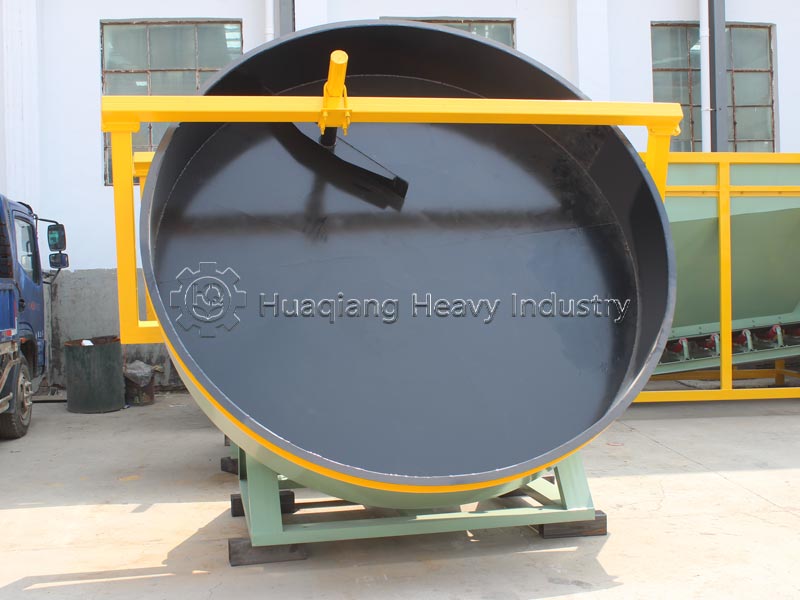
If the raw material is high-moisture livestock and poultry manure (such as chicken manure, pig manure, with a moisture content of 60%-80%): the pre-treatment stage requires a solid-liquid separator and crushing and screening equipment to reduce moisture to 55%-60%, remove impurities, and finely process the material; the fermentation stage uses a trough-type or crawler-type compost turning machine to ensure ventilation and oxygen supply, accelerating decomposition; the granulation stage prioritizes an organic fertilizer disc granulator (wet granulation), paired with a dryer and cooler, to adapt to the molding needs of high-moisture raw materials, followed by a screening machine and packaging machine to complete the entire process.

If the raw material is dry, loose organic material (such as straw, sawdust, with a moisture content of 10%-20%): the core of pre-treatment is crushing and mixing, using a high-speed crusher to refine the raw material to 2-5 centimeters, and then mixing it with livestock and poultry manure and fermentation agents to adjust moisture and carbon-nitrogen ratio; the fermentation stage can use a windrow compost turning machine, adapting to the turning needs of loose materials; the granulation stage is suitable for a double roller press granulator (dry granulation), requiring no additional water, directly extruding and forming the material.

If the raw material is industrial organic waste residue (such as mushroom residue, pharmaceutical residue, with complex composition): a pre-treatment screening stage needs to be added to remove heavy metals and other harmful impurities, and then a special mixer is used to precisely adjust nutrients; the fermentation stage uses a closed trough-type compost turning machine to control odor diffusion; the granulation stage selects a flat die or ring die pelleting machine based on the viscosity of the waste residue.

Core adaptation principle: First, clarify the three key indicators of raw material moisture content, particle size, and composition, and then sequentially match the core equipment for pre-treatment, fermentation, etc.

The “Pre-treatment Powerhouse” of bio-organic fertilizer production lines

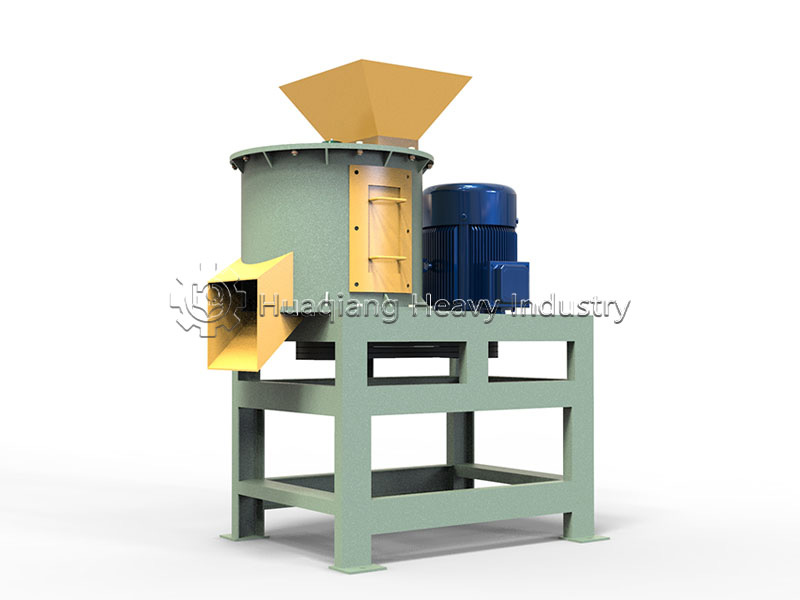
In the bio-organic fertilizer production process, the efficiency of the pre-treatment stage directly determines the quality of subsequent production, and the half-wet material crusher is the core equipment in this stage. As one of the key pieces of bio-organic fertilizer equipment, it perfectly solves the problem of processing high-humidity materials, ensuring the stable operation of the bio-organic fertilizer production line.

Traditional dry crushers often encounter problems such as clogging and low efficiency when processing wet materials such as wet straw and composted organic fertilizer due to material adhesion. However, the half-wet material crusher, with its special design, can easily handle wet materials with a moisture content of 30%-60%. Its built-in anti-clogging device prevents material adhesion, and the high-speed rotating crushing elements quickly crush the wet material into uniform particles through impact, cutting, and grinding. This not only reduces equipment failures but also improves the efficiency of subsequent fermentation and granulation processes.

In a complete bio-organic fertilizer production line, the half-wet material crusher usually connects the raw material pre-treatment and fermentation stages. For example, when processing agricultural waste, it first crushes wet straw, livestock manure, and other raw materials to a suitable particle size, increasing the contact area of the materials and allowing for more thorough microbial fermentation; when used in conjunction with other bio-organic fertilizer equipment such as chain crushers and horizontal crushers, it can flexibly adapt to different raw materials and meet diverse production needs.

In addition, this equipment also has the advantages of convenient maintenance and controllable particle size. For organic fertilizer production enterprises, choosing a high-quality half-wet material crusher can effectively improve the overall production capacity of the production line and contribute to the development of green agricultural circular economy.