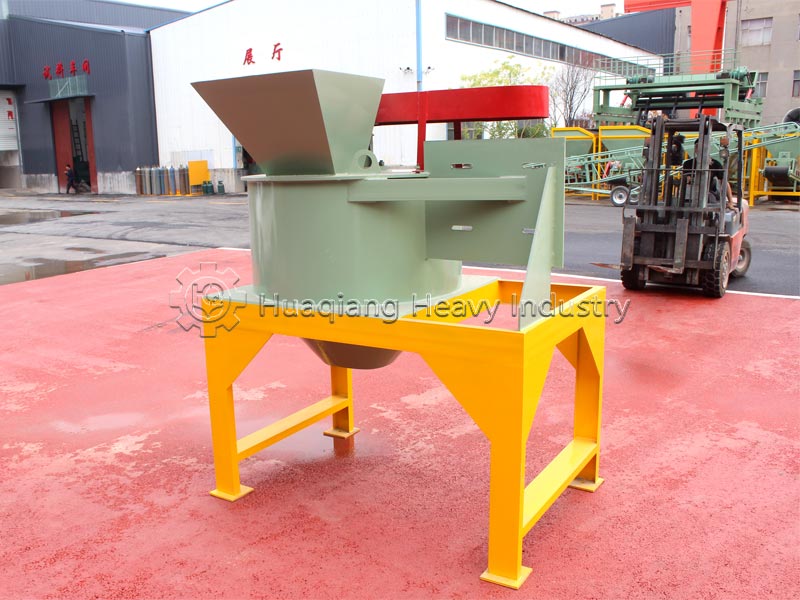
Fertilizer granules compaction technology: Boosting the efficient operation of bio-organic fertilizer equipment

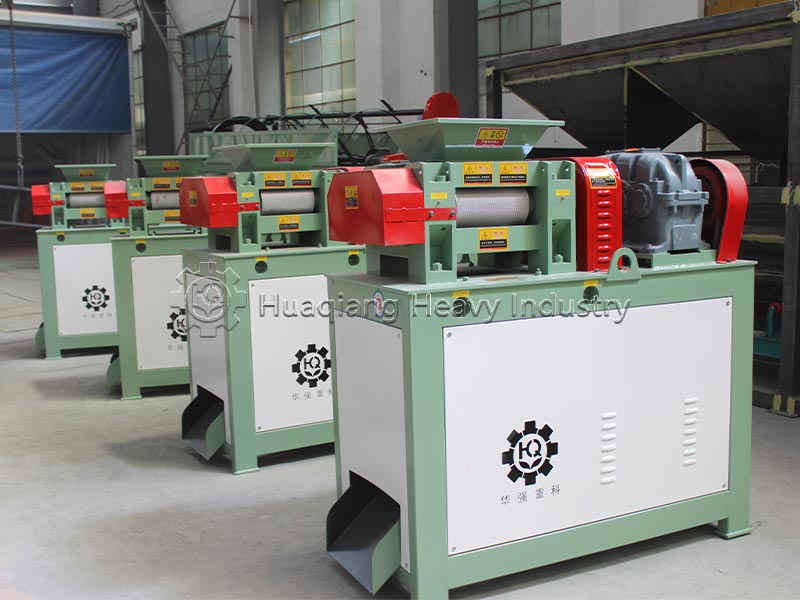
In the field of bio-organic fertilizer production, the coordinated operation of bio-organic fertilizer equipment is crucial for ensuring production capacity and quality. The fertilizer granulator, as a core piece of equipment, directly determines the granule formation effect. The fertilizer granules compaction machine, with its mature fertilizer granules compaction technology, has become one of the most favored granulation devices in bio-organic fertilizer production lines.

The fertilizer granules compaction machine is an important type of fertilizer granulator, and its core advantage stems from advanced fertilizer granules compaction technology. This technology uses mechanical extrusion to compress and shape pre-treated organic fertilizer raw materials. It requires minimal addition of binders, preserving the organic matter and nutrients in the raw materials while improving the granule formation rate. The resulting granules have moderate hardness, are not easily broken, and meet the quality requirements of bio-organic fertilizers.

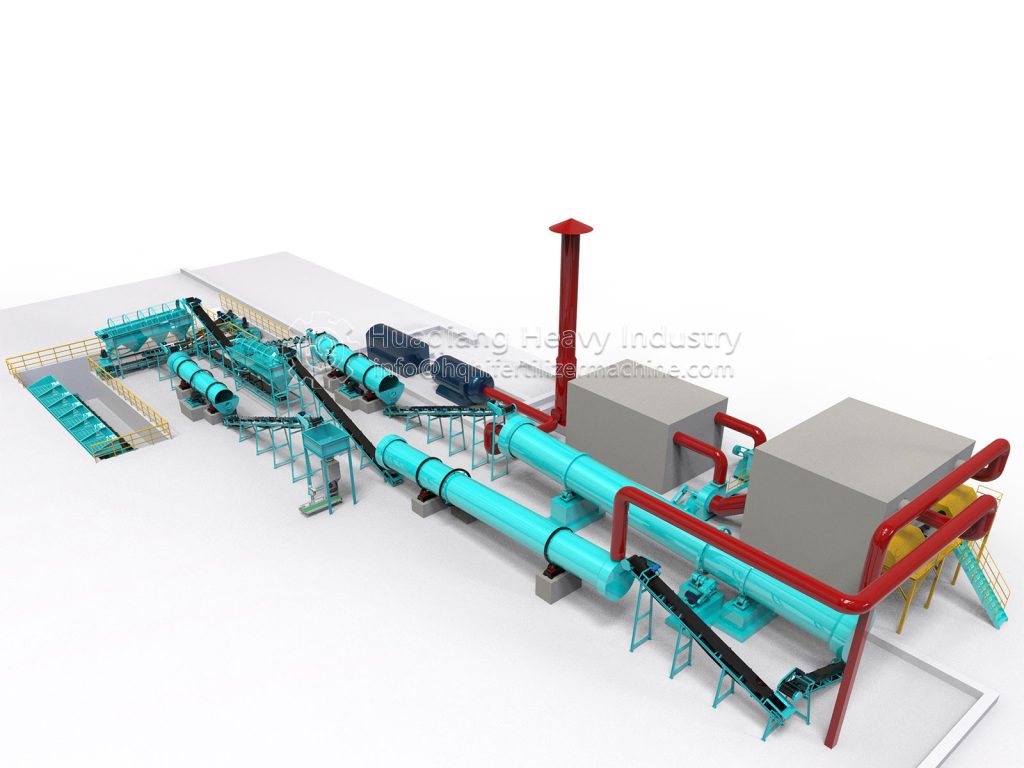
In a complete bio-organic fertilizer production line, the fertilizer compaction machine works seamlessly with other bio-organic fertilizer equipment. After fermentation, crushing, and screening, the raw materials are transported to the fertilizer compaction machine by conveying equipment, where granulation is completed through extrusion technology. Subsequent processing by cooling and screening equipment ultimately produces qualified bio-organic fertilizer products.

Compared to other granulation methods, fertilizer granules compaction machines using fertilizer granules compaction technology are more adaptable and can process a variety of organic fertilizer raw materials, including fermented materials such as poultry and livestock manure and crop straw, achieving efficient granulation. It is not only a high-quality fertilizer granulator but also an important support for achieving large-scale and standardized production in bio-organic fertilizer production lines.

Choosing the right cow dung is crucial! A guide to selecting cow dung suitable for fertilizer granulation

In the selection of raw materials for bio-organic fertilizer production lines, cow dung is one of the core raw materials, and its quality directly determines the granulation effect and product quality of the organic fertilizer. Not all cow dung is suitable for granulation; strict selection from multiple dimensions is necessary to ensure the smooth operation of the granulation process in the bio-organic fertilizer production line and that the product meets the standards.

First, prioritize fresh cow dung from healthy beef or dairy cattle. The manure of healthy cows is free from pathogens and insect eggs, and the organic matter, nitrogen, phosphorus, and potassium nutrients are fully preserved. It is the core source of nutrients for bio-organic fertilizer and lays a solid foundation for subsequent stages of the bio-organic fertilizer production line. Avoid manure from sick cows or cows undergoing medication. This type of cow dung may contain residual pathogens or drug components, which not only affects the safety of the granulated organic fertilizer but may also cause abnormalities in the fermentation process of the bio-organic fertilizer equipment.

Secondly, control the degree of cow dung decomposition. Uncomposted raw cow dung should never be directly granulated. Raw cow dung will continue to ferment and heat up after granulation, easily leading to granule expansion and cracking, and may burn crop roots when applied. It is recommended to use fully composted cow dung, which is dark brown, odorless, and has a loose texture. The organic matter has been fully decomposed, which not only facilitates the formation of uniform granules but also improves the stability of the organic fertilizer’s effectiveness.

In addition, strictly control the impurity content of the cow dung. Cow dung used for granulation needs to be cleaned of impurities such as stones, plastics, metals, and weed roots beforehand to prevent damage to the granulation components of the bio-organic fertilizer equipment, affecting the granule formation rate and uniformity, and slowing down the overall efficiency of the bio-organic fertilizer production line. The moisture content should also be adjusted to 25%-35%. Too high a moisture content can cause sticking and clumping, leading to blockages in the bio-organic fertilizer equipment, while too low a moisture content makes granulation difficult. This can be adjusted by drying or adding auxiliary materials.

Key considerations for material handling during fertilizer mixer machines operation

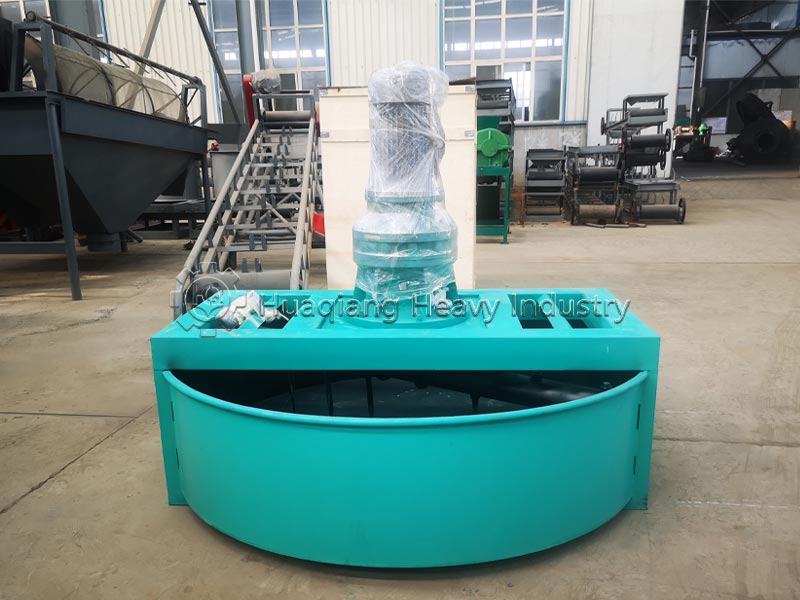
During the operation of a fertilizer mixer machine, the state and handling of the materials directly determine the mixing effect, equipment lifespan, and ultimately the quality of the final fertilizer product. Especially for organic and compound fertilizer production, controlling material-related considerations is a core prerequisite for ensuring a smooth overall production process of the bio-organic fertilizer equipment.

Material particle size uniformity must be prioritized. Materials fed into the mixer should be crushed and screened beforehand to avoid excessive mixing of coarse and fine particles—large particles tend to settle at the bottom of the equipment and cannot be fully mixed, while excessively fine powder may generate dust due to the mixing airflow and can easily lead to localized clumping. It is recommended to control the material particle size within a uniform range based on mixing requirements.

Material moisture content must be precisely controlled. The appropriate moisture content varies for different fertilizer materials, but generally needs to be controlled between 20% and 30%: excessively high moisture content can cause materials to stick to the mixing blades and machine walls, affecting mixing uniformity and potentially increasing equipment load; excessively low moisture content results in excessive material fluidity, making it difficult to achieve a stable mixing state, and may even cause dust pollution.

Mixing of impurities and incompatible materials is strictly prohibited. Materials must be thoroughly cleaned before feeding to remove hard impurities such as stones, metal fragments, and plastics; at the same time, mixing of materials with conflicting properties should be avoided to prevent chemical reactions during the mixing process, which could affect fertilizer quality or create safety hazards. In addition, feeding should be uniform and steady, avoiding large-scale feeding at once to prevent material accumulation, ensuring an orderly mixing process, and thus guaranteeing the stable operation of the subsequent fertilizer granulators.

Practical techniques for solving granulation and caking problems in new type organic fertilizer granulators

In the core process of the bio-organic fertilizer production line, the new type organic fertilizer granulator, as a key piece of bio-organic fertilizer equipment, requires special attention to the caking problem that occurs during granulation. By identifying the root causes and making scientific adjustments, this problem can be effectively solved. The following are some practical techniques:

First, strictly control the raw material pretreatment process. Excessive raw material moisture content is one of the core reasons for caking. If the organic fertilizer raw materials have a high moisture content, they are prone to sticking together during granulation. It is recommended to use a drying device to control the moisture content of the raw materials between 25% and 35%.  Alternatively, the moisture content can be adjusted by adding an appropriate amount of dry auxiliary materials (such as straw powder or peat). At the same time, screening equipment should be used to remove impurities and large hard lumps from the raw materials to prevent localized caking.

Secondly, adjust the operating parameters reasonably. Different models of new type organic fertilizer granulators have different requirements for rotation speed and pressure. Too fast a rotation speed can lead to excessive compression and caking of the material, while too slow a speed will prevent the formation of qualified granules. The main shaft speed and granulation pressure of the granulator should be gradually adjusted according to the characteristics of the raw materials to ensure uniform mixing and appropriate compression of the material in the chamber.

Finally, optimize the production environment and post-processing. High humidity in the production workshop will accelerate moisture absorption and caking of the granules. It is recommended to keep the workshop ventilated and dry, and to equip it with dehumidification equipment if necessary. After granulation, the granules should be promptly sent to cooling and screening equipment. Air cooling should be used to reduce the temperature of the granules, and the large lumps of caked material should be screened out to prevent them from accumulating and sticking together.

Through the above targeted adjustments, the granulation and caking problems of the new type organic fertilizer granulator can be effectively solved, ensuring the stable operation of the bio-organic fertilizer equipment and the continuity of the bio-organic fertilizer production line, and improving product quality.

Analysis of key factors affecting the quality of organic fertilizer granules

The quality of organic fertilizer granules directly impacts fertilization effectiveness, ease of storage and transportation, and product market competitiveness. Its formation process is constrained by multiple factors in the production chain.

Raw material characteristics are fundamental. The organic matter content, particle size distribution, and impurity content of the raw materials are crucial. The organic matter content needs to be maintained within a suitable range; too low a content will lead to poor granule formation and insufficient strength. Uneven raw material particle size can easily result in inconsistent granule size. It is recommended to crush the raw materials to a reasonable fineness beforehand, and then thoroughly mix and screen them to remove impurities using a fertilizer mixer machine. Furthermore, an imbalance in the carbon-nitrogen ratio of the raw materials will affect the subsequent fermentation process, indirectly leading to easily loosened granules.

Moisture content is a core condition for granulation. During granulation, the moisture content of the raw materials needs to be controlled between 25% and 35%. Excessive moisture can easily cause granules to stick together and clump, and may also lead to secondary fermentation during storage; insufficient moisture results in poor raw material fluidity, making it difficult to agglomerate and form granules, which are then prone to breakage. During production, the moisture content needs to be dynamically adjusted based on the type of raw material and the operating status of the bio-organic fertilizer equipment to ensure the stability of the granulation process.

Fertilizer granulator parameters and fermentation process should also not be overlooked. The speed, pressure, and inclination angle of different types of fertilizer granulators (such as disc granulators and flat die pelleting machines) directly affect the uniformity and strength of the granules; insufficient fermentation and maturation in the early stages will lead to residual undecomposed substances in the raw materials, resulting in a loose internal structure of the granules and making them prone to cracking and pulverization.

In summary, controlling key aspects such as raw material screening, fertilizer mixer blending, moisture adjustment, fertilizer granulator debugging, and fermentation control is essential to consistently produce high-quality organic fertilizer granules.

Core supporting equipment for bio-organic fertilizer production lines

Under the trend of green agricultural development, the intelligent and efficient operation of bio-organic fertilizer production lines has become a goal pursued by the industry. As a key piece of equipment in bio-organic fertilizer production, the fertilizer crusher’s performance directly impacts the final quality and production efficiency of organic fertilizers. Whether for the reuse of agricultural waste or large-scale organic fertilizer production, it plays an irreplaceable and crucial role.

The fertilizer crusher boasts strong adaptability, capable of processing various raw materials such as straw, livestock and poultry manure, and composted materials, perfectly addressing the shortcomings of traditional crushing equipment in handling wet and mixed materials. In the bio-organic fertilizer production line, it connects the raw material pretreatment stage, crushing large raw materials into uniform particle sizes. This not only increases the contact area between the material and microorganisms, improving subsequent fermentation efficiency, but also lays a solid foundation for the subsequent granulation process, avoiding problems such as poor particle formation caused by uneven raw material particle size.

As one of the core pieces of bio-organic fertilizer equipment, it can be used in conjunction with chain crushershorizontal crushers, and other equipment, flexibly adapting to different production needs such as bio-organic fertilizer production lines and NPK fertilizer production lines. By adjusting crushing parameters according to different raw material characteristics, it can precisely control the output particle size, meeting the production requirements of various fertilizer products such as powder fertilizers and granular fertilizers.

For organic fertilizer production enterprises, a high-quality fertilizer crusher not only improves the overall production capacity of the production line but also offers the advantages of convenient maintenance and low energy consumption, helping enterprises reduce production costs.

The “Pre-treatment Powerhouse” of bio-organic fertilizer production lines

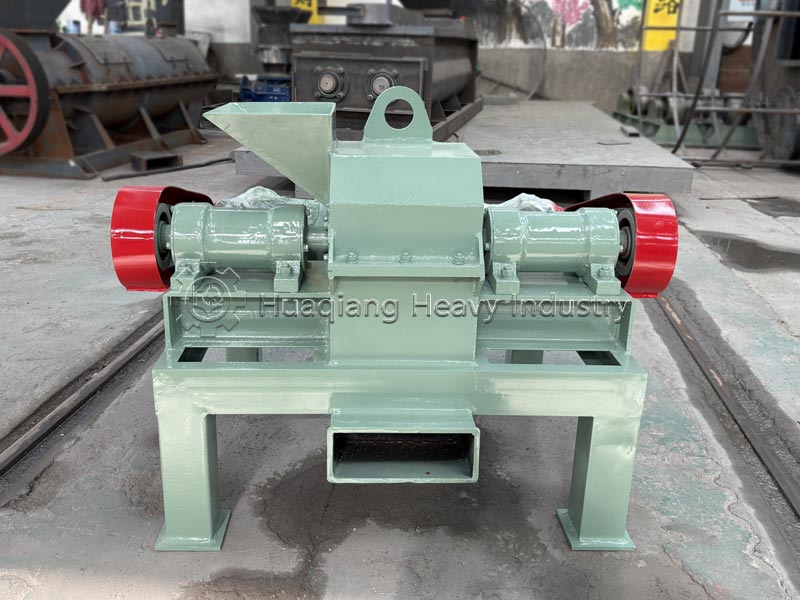
In the bio-organic fertilizer production process, the efficiency of the pre-treatment stage directly determines the quality of subsequent production, and the half-wet material crusher is the core equipment in this stage. As one of the key pieces of bio-organic fertilizer equipment, it perfectly solves the problem of processing high-humidity materials, ensuring the stable operation of the bio-organic fertilizer production line.

Traditional dry crushers often encounter problems such as clogging and low efficiency when processing wet materials such as wet straw and composted organic fertilizer due to material adhesion. However, the half-wet material crusher, with its special design, can easily handle wet materials with a moisture content of 30%-60%. Its built-in anti-clogging device prevents material adhesion, and the high-speed rotating crushing elements quickly crush the wet material into uniform particles through impact, cutting, and grinding. This not only reduces equipment failures but also improves the efficiency of subsequent fermentation and granulation processes.

In a complete bio-organic fertilizer production line, the half-wet material crusher usually connects the raw material pre-treatment and fermentation stages. For example, when processing agricultural waste, it first crushes wet straw, livestock manure, and other raw materials to a suitable particle size, increasing the contact area of the materials and allowing for more thorough microbial fermentation; when used in conjunction with other bio-organic fertilizer equipment such as chain crushers and horizontal crushers, it can flexibly adapt to different raw materials and meet diverse production needs.

In addition, this equipment also has the advantages of convenient maintenance and controllable particle size. For organic fertilizer production enterprises, choosing a high-quality half-wet material crusher can effectively improve the overall production capacity of the production line and contribute to the development of green agricultural circular economy.

From equipment to process, how to choose the right NPK fertilizer production line?

In the process of agricultural modernization, the demand for high-quality compound fertilizers has surged, making NPK fertilizer production lines core equipment for fertilizer companies expanding production. However, faced with a variety of equipment and processes, choosing a production line that suits their specific needs is a challenge for many industry professionals.

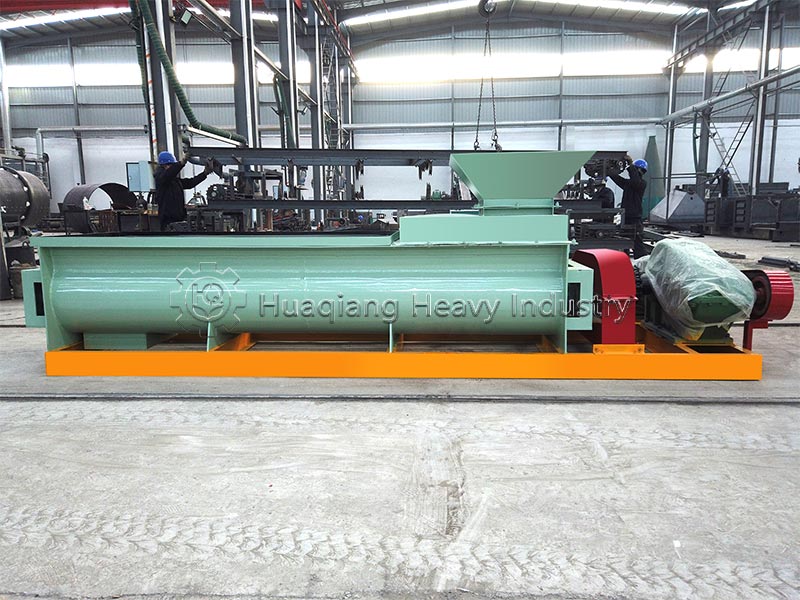
First, let’s look at the core equipment configuration. A complete NPK fertilizer production line needs to cover key stages such as raw material processing, mixing, granulation, drying, and cooling. In the raw material processing stage, a fertilizer crusher can crush large raw materials to a suitable particle size, and with a precise batching system, the proportion of nitrogen, phosphorus, and potassium components can be strictly controlled; for the mixing stage, a fertilizer mixer machine is recommended, and a double shaft paddle mixer can achieve a raw material mixing uniformity of over 95%; granulation is the core process, with disc granulators suitable for small and medium-sized capacities, while double roller press granulators are suitable for high-hardness granule requirements, and companies can choose according to their needs. Subsequent drying, cooling, and coating machines, along with fertilizer screener machines, ensure that the finished granules are uniform and have a qualified moisture content, and finally, automatic packaging is achieved through packaging machines, improving production efficiency.

At the process level, automation is key. A high-quality NPK fertilizer granulation process requires a PLC control system for full monitoring, precisely adjusting parameters from raw material proportioning to drying temperature, ensuring stable nutrient content in the finished product and reducing energy consumption. Choosing the right NPK fertilizer production line is not just about purchasing a set of equipment, but also laying the foundation for the long-term development of the enterprise. Combining capacity, finished product requirements, and manufacturer services will allow the production line to truly become a profit engine.

Chain compost turning machines: An efficient tool for organic waste treatment

In the context of green agricultural development and the resource utilization of organic waste, the chain compost turning machine has become a core piece of equipment for large-scale organic fertilizer production plants and composting facilities, providing strong support for aerobic fermentation processes.

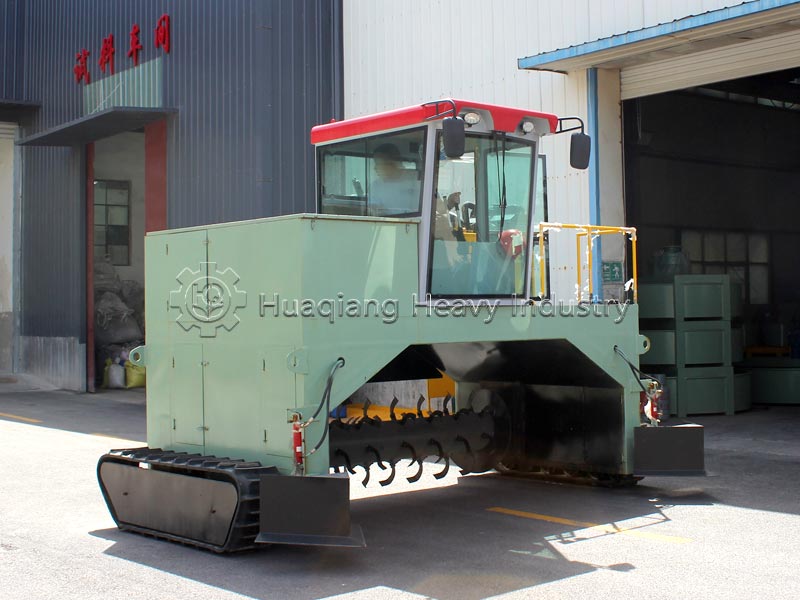
This equipment is specifically designed for processing organic waste such as livestock manure and crop straw, efficiently addressing the problems of low efficiency and long fermentation cycles associated with traditional composting methods. Compared to simple compost turning machines and hydraulic compost turning machines, the chain compost turning machine, with its unique chain-driven turning mechanism, can penetrate deep into the compost pile, achieving uniform material mixing and significantly improving oxygen supply efficiency, thus accelerating the decomposition and transformation of organic materials.

In bio-organic fertilizer production lines, the role of the chain compost turning machine is particularly crucial. Its automated control system can precisely adjust the turning frequency and depth, and with the optional oxygen supply system, it allows organic waste to ferment rapidly under suitable conditions, transforming into high-quality organic fertilizer in just a few weeks. The equipment is also highly adaptable, seamlessly integrating with organic fertilizer production lines and assisting in the environmentally friendly and large-scale operation of agricultural waste treatment projects, reducing pollution while creating economic value.

For companies pursuing efficient production, the advantages of the chain compost turning machine are significant: its durable chain structure is suitable for long-term, high-intensity operation, its flexible walking system can adapt to irregular sites, and its automated operation reduces labor costs. Whether used in conjunction with windrow compost turning machines for multi-scenario operations or independently in large-scale composting projects, it can drive the upgrading of the organic fertilizer industry with its stable performance, injecting momentum into the development of green agriculture.

Vibration screener machine: The core equipment for efficient screening in fertilizer production

In the fertilizer production process, material screening is a critical link that determines product quality. Vibration screener machines, with their high efficiency and precision, have become the equipment of choice for many manufacturers. As a core material screening device, it is not only suitable for the entire fertilizer production process but can also be widely used in mining, building materials, chemical industry, and other fields, providing solutions for material classification in multiple industries.

The core advantages of the vibration screener machine lie in its “efficiency” and “precision.” Its vibrating motor generates high-frequency vibrations, allowing materials to quickly complete projectile motion on the screen surface. Materials smaller than the screen mesh are precisely separated, achieving both classification and impurity removal, significantly improving production efficiency. Considering the specific requirements of fertilizer production, the equipment can be adjusted by changing the screen mesh size and vibration parameters to adapt to different materials, such as granular materials produced by fertilizer granulators and mixed materials after mixing in fertilizer mixers. The screening accuracy far exceeds that of traditional equipment.

At the same time, the sealed design of the equipment is also a significant advantage, effectively reducing dust leakage during fertilizer production, meeting environmental protection requirements and protecting the workshop environment. Its compact structure requires a small footprint and can be flexibly integrated with different production lines, such as NPK fertilizer production lines and organic fertilizer production lines, reducing the difficulty of workshop layout.

For fertilizer companies, choosing a high-quality vibration screener machine can not only improve product qualification rates but also reduce material waste, contributing to efficient production. Whether processing coarse materials after being processed by a fertilizer crusher or conveying qualified finished products to a packaging machine, the vibration screener machine, with its stable performance, is an indispensable key equipment in the fertilizer production chain.