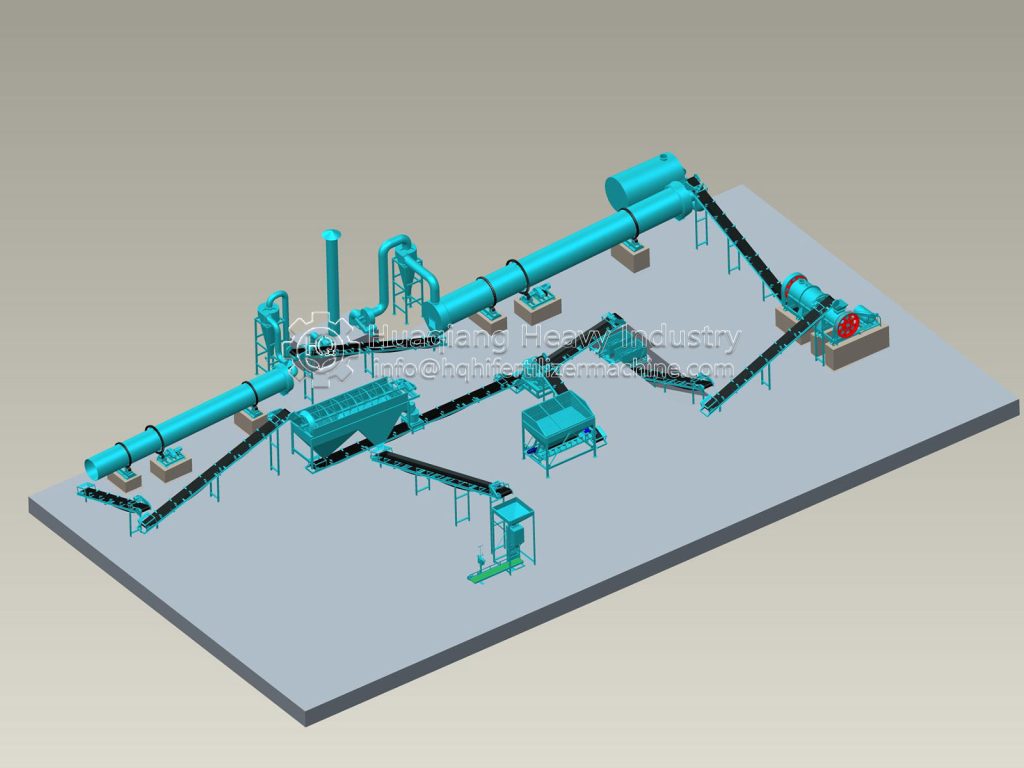
Oil palm empty fruit bunch: “Green Raw Materials” for organic fertilizer production lines

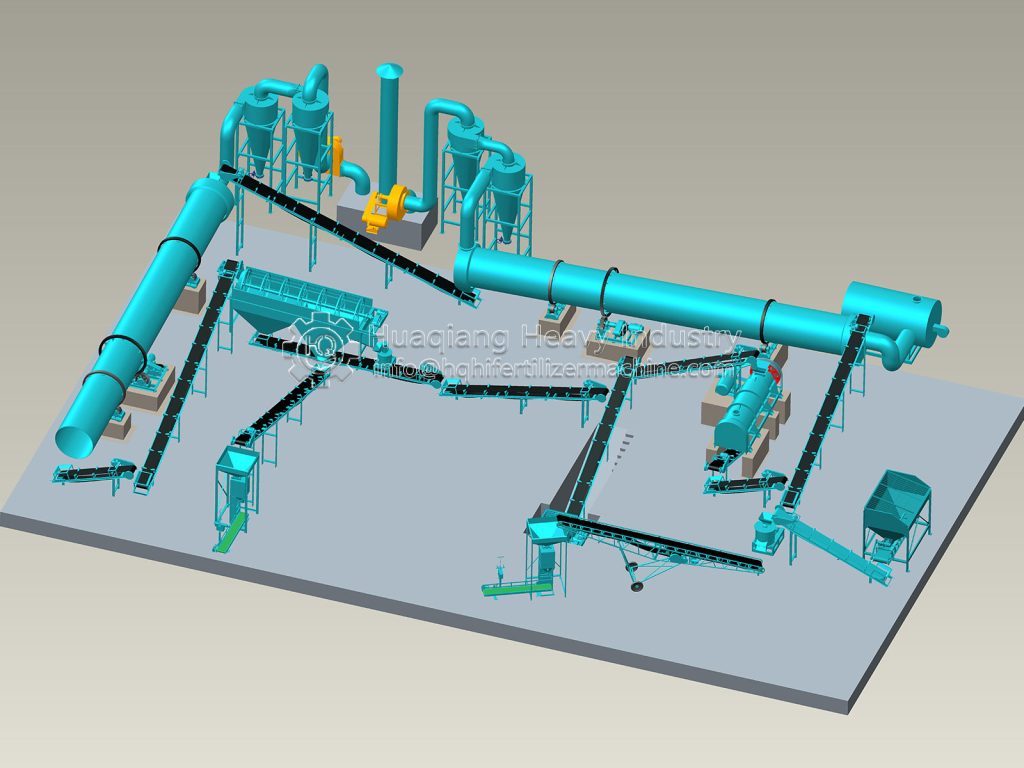
As a major waste product of the oil palm processing industry, oil palm empty fruit bunch, with their rich organic matter and unique physical properties, have become a high-quality raw material for organic fertilizer production lines. Their deep integration with various stages of the production line not only realizes waste resource utilization but also optimizes the organic fertilizer production process.

In the raw material pretreatment stage, oil palm empty fruit bunch need to be processed by crushing equipment to break them into 1-3 mm granular materials. This removes coarse and hard impurities while retaining an appropriate amount of fiber structure. The crushed material is then mixed with livestock and poultry manure, microbial agents, etc., in a specific ratio. Its loose properties naturally adjust the carbon-nitrogen ratio of the mixture while improving its permeability, laying the foundation for subsequent fermentation.
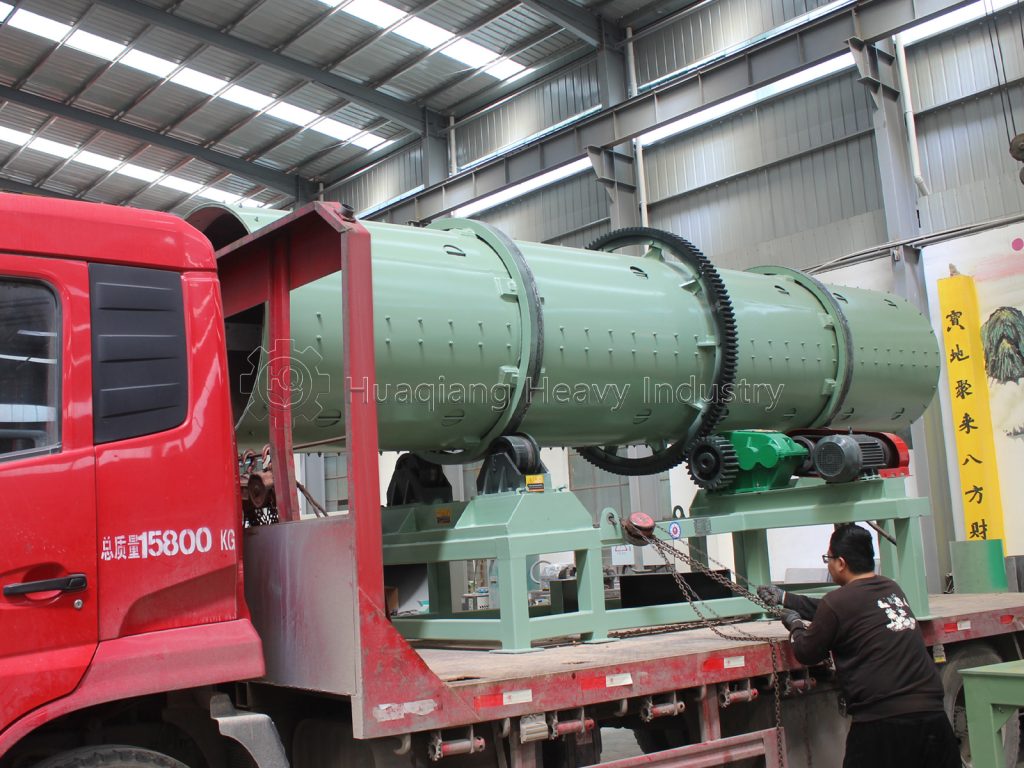
In the fermentation stage, oil palm empty fruit bunch a highly efficient combination with a compost turning machine. During the composting and fermentation of the mixed materials, the fibrous structure of the oil palm empty fruit bunch prevents the pile from compacting, while the periodic turning by the compost turner further enhances aeration, allowing aerobic microorganisms to multiply rapidly and maintaining the composting temperature at a stable 55-65℃.

In the post-processing stage, the composted oil palm empty fruit bunches are suitable for the forming requirements of organic fertilizer granulators. Their residual fiber toughness enhances granule cohesion, preventing breakage due to compression during granulation and avoiding die clogging, thus improving granulation efficiency. The formed granular organic fertilizer, retaining some of its fibrous structure, possesses both long-lasting fertilizing effects and soil-improving functions.

The deep integration of oil palm empty fruit bunch with the organic fertilizer production line solves the waste disposal problem and optimizes the production process through the characteristics of the raw materials.

Organic fertilizer production line processing chicken manure: A comprehensive analysis of key considerations

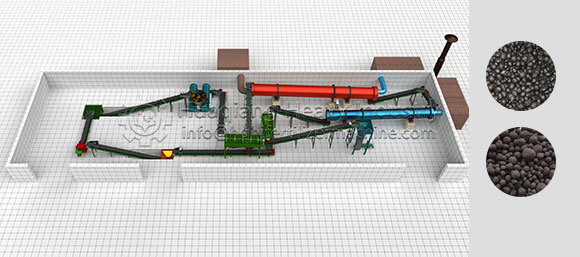
Chicken manure, rich in nutrients and widely available, is a high-quality raw material for organic fertilizer production. However, due to its high moisture content, susceptibility to fermentation and spoilage, and the presence of impurities, key processes must be carefully controlled to ensure product quality and smooth production.

Pretreatment is fundamental. Fresh chicken manure typically has a moisture content of 70%-80%. It needs to be reduced to 55%-60% using organic fertilizer production equipment to prevent anaerobic putrefaction during fermentation. Simultaneously, impurities such as stones, plastics, and feathers must be removed manually or mechanically to prevent damage to subsequent equipment. If the chicken manure is severely clumped, it needs to be crushed to ensure uniform particle size, laying the foundation for fermentation.

The fermentation stage is crucial. Chicken manure has a high nitrogen content and needs to be mixed with straw, sawdust, and other carbon source materials in a specific ratio to adjust the carbon-to-nitrogen ratio to 25-30:1, promoting microbial activity. During fermentation, the compost pile needs to be turned regularly using a compost turning machine to ensure aeration and maintain a high temperature of 55-65℃ for 7-15 days to achieve sterilization, insect control, and decomposition.

Subsequent processing must be standardized. The decomposed chicken manure needs to be crushed and screened again to ensure there are no large pieces of uncomposted material, with a particle size controlled within 2 mm for easy granulation. During granulation, the material moisture content must be controlled at 20%-30% to avoid clogging the die holes; the drying temperature should not exceed 80℃ to prevent damage to organic matter and beneficial microorganisms. Simultaneously, the entire organic fertilizer production line must be properly sealed and deodorized to reduce odor diffusion and meet environmental protection requirements.

The connecting process of flat die granulator in organic fertilizer production line

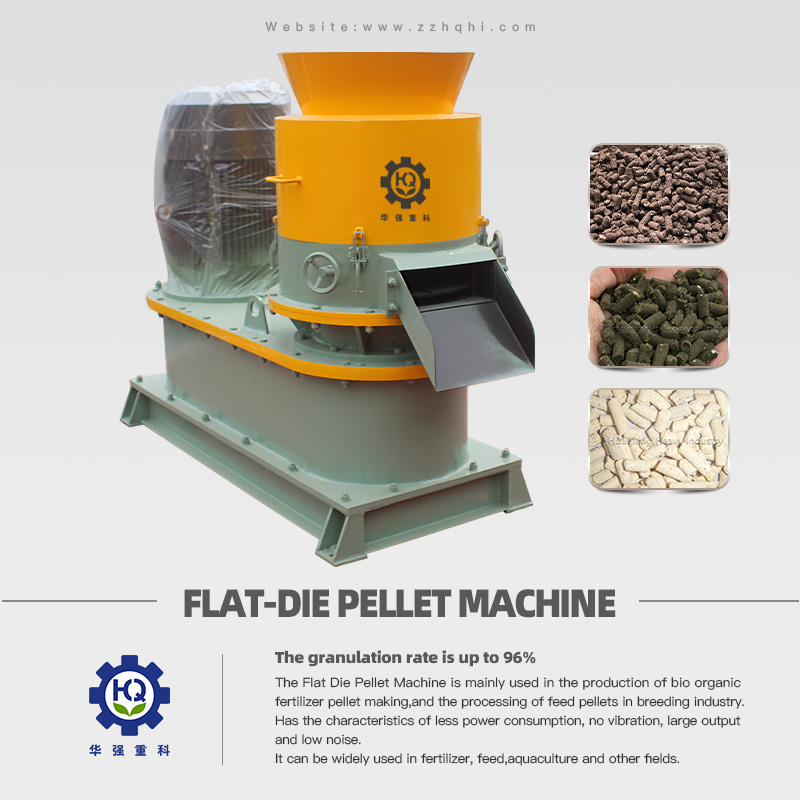
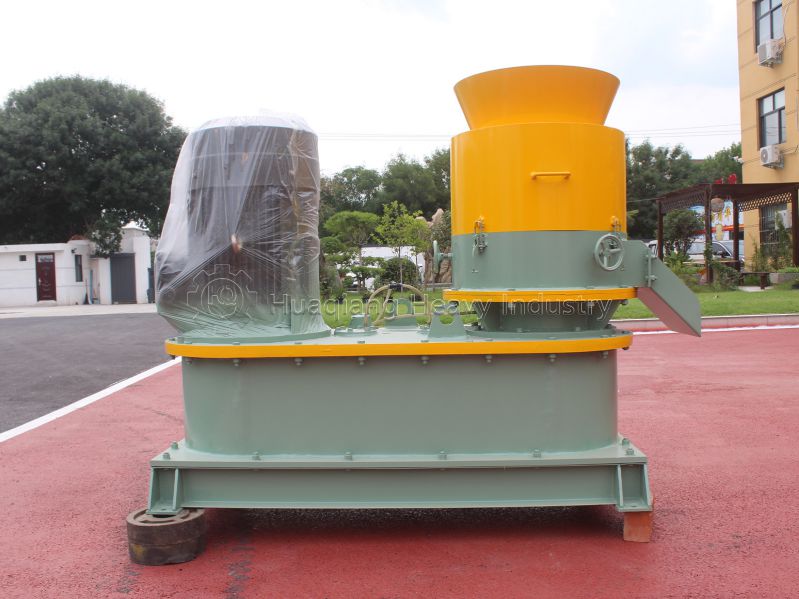
In the overall process of an organic fertilizer production line, the flat die granulator plays a crucial “bridging” role. It receives the organic fertilizer raw materials from the preceding processes, after fermentation, crushing, and mixing, transforming the loose, powdery material into structurally stable granules, laying the foundation for subsequent drying, cooling, and packaging stages.

From a working principle perspective, the flat die granulator uses a motor-driven transmission mechanism to rotate the pressure rollers. When the raw material enters the machine, the pressure rollers exert extrusion force on the material, forcing it through pre-set die holes on the flat die, ultimately forming cylindrical or other shaped granules. This process requires minimal binders, relying primarily on the material’s own viscosity and extrusion force to achieve shaping, thus preserving the nutritional components of the organic fertilizer while avoiding the potential impact of chemicals on the soil.

For organic fertilizer production, the flat die granulator not only solves the problems of dust and caking during raw material transportation, but also controls the diameter and hardness of the granules by adjusting the die size and pressure roller pressure, meeting the needs of different crops and different fertilization scenarios. It is one of the indispensable core equipment in the production line.

Intelligent control: Improving the stability of organic fertilizer production lines

With the large-scale development of organic fertilizer production, intelligent control has gradually become a core means of improving organic fertilizer production line stability. Compared to traditional manual monitoring, intelligent systems can precisely control key parameters, reduce operational errors, and ensure consistent finished product quality.

Intelligent control is primarily applied in three key areas: First, fermentation process monitoring. By deploying temperature, humidity, and oxygen concentration sensors, the system collects real-time data from the fermentation chamber. When parameters deviate from the appropriate range, the system automatically triggers an alarm and adjusts the turning frequency and ventilation volume to prevent under- or over-roasting of the material. Second, granulation process control. Based on changes in material moisture content, the system automatically adjusts the fertilizer granulator machine speed and binder dosage to minimize problems such as granule clumping and breakage. Third, production data management. The system automatically records operational data from each stage, creating a production ledger that facilitates process traceability and allows for optimization of process parameters through data review.

This intelligent transformation of organic fertilizer production lines does not require replacing core equipment; it is often achieved through the addition of sensors and upgraded control systems. This reduces labor costs and improves the yield of finished products, making it suitable for small and medium-sized production enterprises to implement gradually.

A complete analysis of the application fields of cage crusher

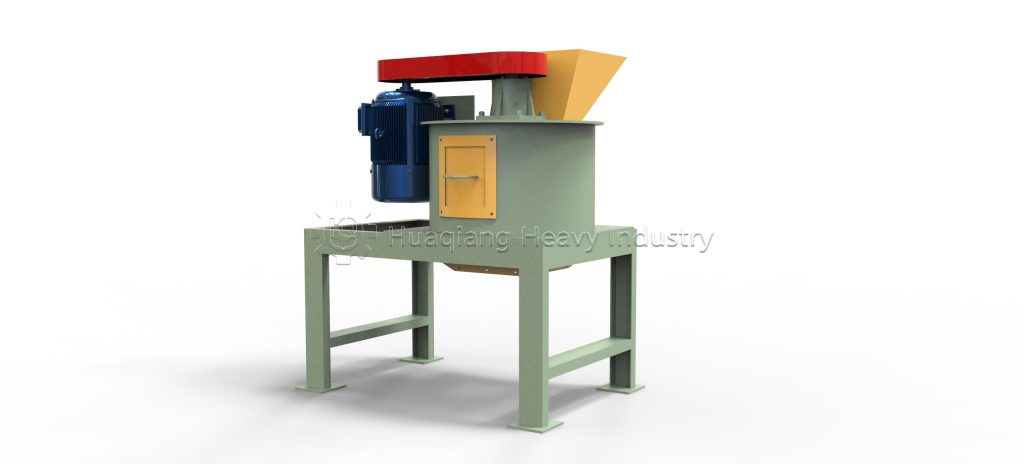
Due to their unique pulverizing mechanism and outstanding performance, cage crushers play an indispensable role in numerous industries and have a wide range of applications.

In the building materials industry, brick and tile factories often use cage grinders to process soft and brittle materials such as shale, industrial slag, and dry clay. After these materials are crushed by cage grinders, a high proportion of fine powder particles is produced, which is crucial for brick forming.

The chemical industry is also an important application for cage crushers. They can grind medium-hard chemical raw materials such as ammonium chloride and ammonium sulfate, ensuring that these raw materials can fully participate in subsequent chemical reactions, thereby improving the production efficiency and quality of chemical products.

In compound fertilizer production, cage crushers are also indispensable for the pulverization of fertilizer raw materials such as urea. This pulverization of raw materials like urea facilitates the even release of nutrients in the fertilizer, enhancing its effectiveness.

In addition, in the production of organic fertilizers, cage crushers can crush organic waste such as sheep manure and straw, so that these wastes can better participate in the fermentation process and be converted into high-quality organic fertilizers, providing a green and environmentally friendly source of fertilizers for agricultural production, helping to improve soil and the healthy growth of crops.

Advantages and applications of the flat die granulator

The flat die granulator offers significant advantages, with the larger pressure wheel being a key feature. This larger pressure wheel also increases the bearing’s ability to withstand pressure, making the equipment more stable and reliable, and reducing failures caused by pressure. Furthermore, the larger pressure wheel prevents heat generated by extrusion friction from being transmitted to the bearing chamber, ensuring the bearing operates at a low temperature and preventing lubricant leakage, thus extending bearing life. Furthermore, the larger pressure wheel can be repaired two to three times, reducing maintenance costs and increasing project profitability, offering significant advantages over similar equipment.

The flat die granulator is suitable for a wide range of materials. In agriculture, crop straw, such as corn stalks, wheat straw, and rice husks, can be processed into biomass pellet fuel or organic fertilizer. In the domestic sector, some household waste, after sorting and processing, can also be used for pelletizing, achieving resource recycling. In industry, the flat die granulator can easily handle materials such as biofertilizer, coal, carbon black, kaolin, and stone powder, demonstrating its strong material adaptability.

Flat die granulators also play a positive role in environmental protection. On the one hand, they can process large amounts of agricultural and forestry waste, reducing environmental pollution and enabling resource recycling. On the other hand, by converting degradable materials into biodegradable plastic pellets, they provide a new approach to addressing white pollution, promoting the development of environmentally friendly materials and facilitating the achievement of sustainable development goals.

The core role of chain crushers in organic fertilizer production

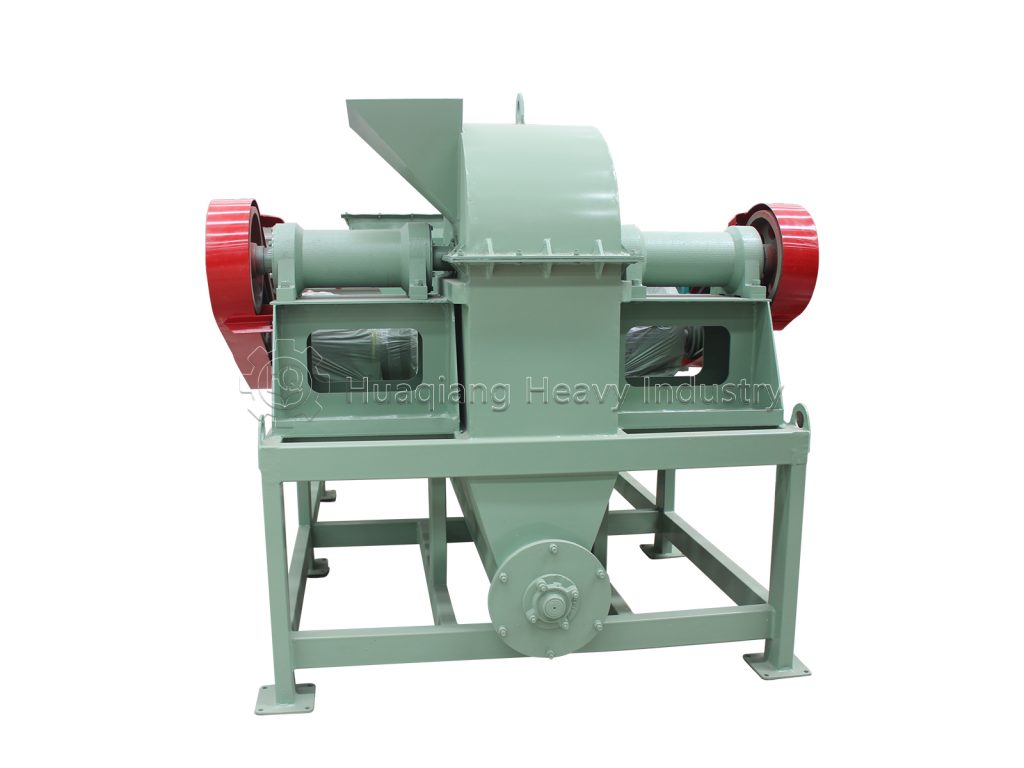
In the organic fertilizer production process, material crushing is a critical pretreatment step, and chain crushers, with their outstanding performance, are the preferred equipment for this purpose. Organic fertilizer raw materials often contain lumps or medium-hard impurities. Inadequate crushing can affect the efficiency of subsequent granulation and mixing processes, as well as the quality of the finished product. It can even lead to problems such as material jamming in the granulator and uneven granulation in the finished fertilizer.

Designed specifically for the characteristics of organic fertilizer, chain crushers can efficiently crush a wide range of organic fertilizer raw materials, including those with a certain degree of moisture and viscosity, addressing the clogging and incomplete crushing issues of traditional crushing equipment. High-speed rotating chains and hammers impact and shear the material, while an adjustable screen allows for easy control of the crushed material’s particle size, meeting the stringent fineness requirements of organic fertilizer production.

Furthermore, the equipment’s sturdy structure, with core components made of wear-resistant steel, can withstand long-term, intensive operation, minimizing production interruptions. This provides a strong guarantee for the stable operation of organic fertilizer production lines, helping companies improve the yield rate of finished fertilizers and production efficiency.

Scientific Maintenance of Organic Fertilizer Production Equipment

The stable operation of organic fertilizer production equipment is key to ensuring fertilizer quality and production efficiency. A scientific maintenance system can effectively extend equipment life and reduce the risk of failure. Targeted maintenance measures are required for equipment throughout the entire process, from pretreatment to finished product packaging, tailored to its characteristics.

Maintenance of pretreatment equipment focuses on preventing blockage and wear. As the first step in processing raw materials such as straw and manure, the crusher requires daily inspection for blade wear and weekly sharpening to prevent blunting and reduced pulverization efficiency. Screening machines require regular cleaning of residual fiber debris and monthly inspection of screen tension to prevent vibration-induced loosening that reduces screening accuracy. For conveying equipment, special attention should be paid to the tightness of the conveyor belt and the lubrication of the rollers to prevent failures caused by frictional overheating.

Granulating equipment requires timely cleaning and maintenance. The disc granulator‘s disc should be cleaned of residual particles daily and coated weekly with an anti-stick coating to prevent material from clumping and sticking. Bearings should be lubricated with high-temperature resistant grease monthly to ensure smooth rotation. The roller surface of the roller granulator should be regularly inspected for wear and any dents should be repaired promptly to avoid compromising pellet quality.

Maintenance of post-processing equipment focuses on precision and safety. The hot air ducts of the drum fertilizer dryer should be cleaned of dust monthly to prevent blockages that affect thermal efficiency. The temperature sensor should be calibrated weekly to ensure precise control of the drying temperature. The fan filter of the cooler should be cleaned regularly to prevent debris from entering and affecting heat dissipation. The metering device of the packaging machine should be calibrated weekly, and the drive chain of the conveyor belt should be lubricated monthly to ensure accurate quantitative packaging.

Establishing an equipment maintenance mechanism provides long-term protection. Recording the time, content, and troubleshooting of each maintenance session can help identify recurring problems promptly. Operators should also receive professional training to ensure early resolution of minor faults and early prevention of major problems. Scientific maintenance not only reduces equipment failure rates but also ensures the continuity and stability of the organic fertilizer production line, providing reliable support for the green development of agriculture.

Cost Analysis of Chicken Manure Fertilizer Processing in an Organic Fertilizer Production Line

Chicken manure is indeed a high-quality organic fertilizer raw material, rich in organic matter, nitrogen, phosphorus, potassium, various trace elements, enzymes, and microorganisms. Through standardized aerobic composting processes, it effectively degrades organic matter, kills parasite eggs and pathogens, and renders it harmless and stable. This can then be produced into commercial organic fertilizer through an organic fertilizer production line, creating economic benefits for chicken farms while fundamentally addressing environmental pollution.

However, processing chicken manure into commercial organic fertilizer does involve certain production costs, which can be primarily categorized into the following aspects. First, equipment investment is the core, one-time investment. A complete production line typically includes fermentation and compost turning equipment, a crusher, a mixer, a granulator, a dryer, a cooler, a screener, and an automatic packaging machine. The choice of granulator significantly impacts cost and product form. For example, a rotary drum granulator offers high output, a disc granulator offers a high granulation rate, and a flat die granulator is suitable for organic materials. Different granulator models have varying prices and energy consumption. Secondly, the costs of the pretreatment and fermentation processes cannot be ignored. Fresh chicken manure is sticky and moist, typically with a moisture content exceeding 70%, while the optimal fermentation moisture content needs to be adjusted to 50%-60%. Therefore, a large amount of auxiliary materials (such as straw, sawdust, and mushroom residue) are often required to adjust the moisture and carbon-nitrogen ratios. The procurement, transportation, and crushing of these auxiliary materials all incur ongoing costs.

The initial equipment investment for processing chicken manure in an organic fertilizer production line is relatively high, and ongoing operations also require ongoing investment. The cost level depends largely on the production scale, the degree of automation, the availability and price of raw materials, and the positioning of the final product. For large-scale chicken farms, although the initial investment is high, in the long run, the comprehensive benefits of addressing environmental pressures and creating economic value by turning waste into resources are significant, making the cost acceptable.

Current Status and Development Trends of the Rotary Drum Granulator Market

As a key piece of equipment for powder granulation, the current market for rotary drum granulators exhibits distinct characteristics and clear trends.

Currently, market demand for rotary drum granulators is extremely strong. In the agricultural sector, with growing interest in green and environmentally friendly fertilizers, the production of organic and compound fertilizers is expanding, significantly driving demand for drum granulators. Many organic and compound fertilizer manufacturers are investing in advanced rotary drum granulators to improve production efficiency and ensure product quality. In addition to agriculture, industries such as chemicals and feed are also increasing their investment in drum granulators due to demand for granular products.

Market competition is becoming increasingly fierce. The influx of manufacturers has led to a complex product range and varying quality. Large companies dominate the market, leveraging their strengths in technological research and development, quality control, and after-sales service networks. Smaller companies rely on low prices to compete, but lag significantly behind in quality and innovation.

Technically, high-end equipment is becoming the mainstream. Models with automated control, intelligent monitoring, and high-efficiency energy-saving features are increasingly popular. They improve production efficiency and product quality while reducing labor and energy costs, meeting the demands of intelligent and green production.

Future development directions are clear: First,intelligent upgrades: equipment will enhance self-diagnosis and automatic adjustment capabilities, enabling parameter adaptation and unmanned production. Second,deepening energy conservation and environmental protection efforts: adopting advanced technologies and designs to reduce energy consumption and emissions, meeting stringent environmental requirements. Third,specialized segmentation: developing customized products for different industries, raw materials, and needs to meet individual market demands.

In short, the rotary drum granulator market presents both opportunities and challenges. Companies must focus on technological innovation, quality improvement, and service optimization to remain competitive.