Practical guide to preventing plant burn from organic fertilizer

Plant burn from organic fertilizer is essentially root damage caused by improper application, not a problem with the organic fertilizer itself. The core of prevention is “controlling composting, controlling dosage, and controlling application method.” Relying on standardized organic fertilizer production equipment for proper pre-treatment and proactive control throughout the entire process can maximize the soil-improving benefits while eliminating the risk of seedling burn.

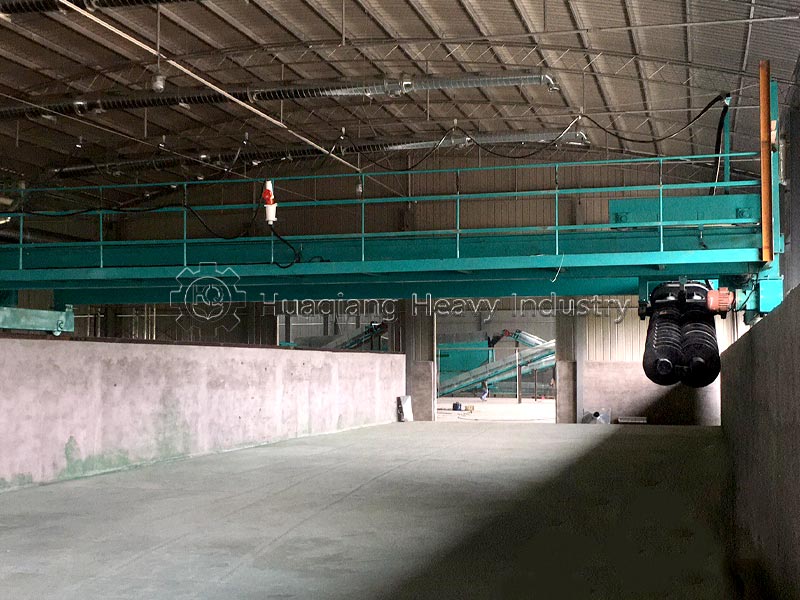
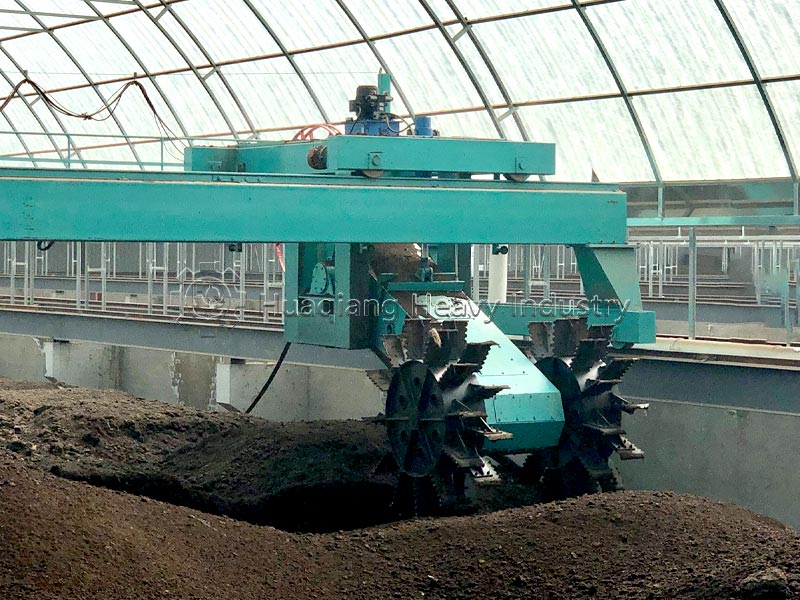
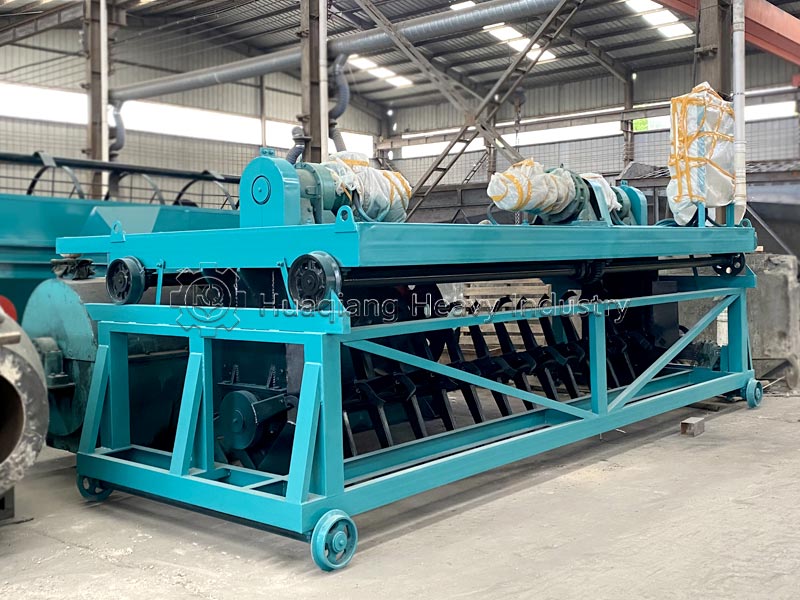
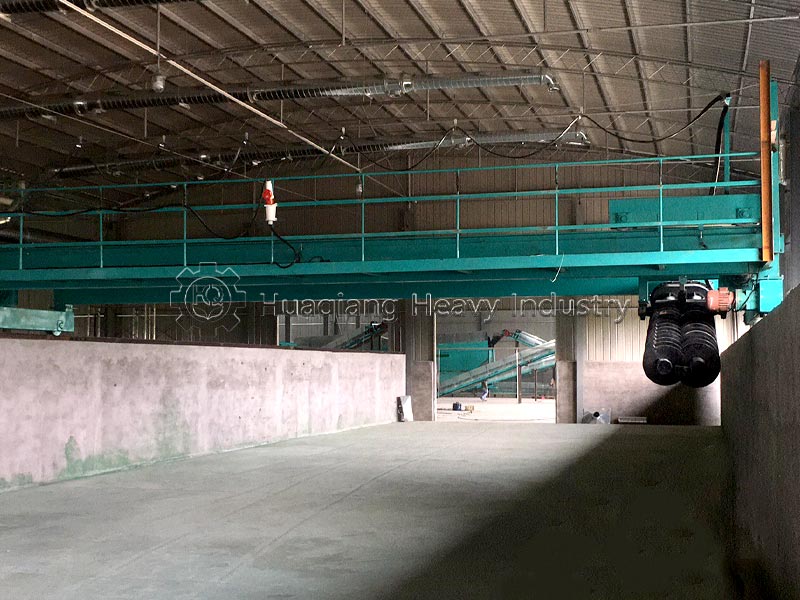
Strictly control the quality of composting to avoid potential problems at the source. Uncomposted organic fertilizer is the main cause of seedling burn. It needs to be composted using a compost turning machine in the organic fertilizer production line until the material is dark brown, odorless, loose, and easily crushed before application. Avoid directly using fresh livestock manure.
Scientifically control the dosage, adapting to soil and crop. Adjust the dosage according to soil fertility and crop variety. Increase the dosage appropriately for infertile soils and reduce the dosage for fertile soils to avoid excessive organic matter concentration leading to root dehydration. Follow the “small amounts, multiple times” principle, differentiating the dosage for field crops and fruit and vegetable crops.

Standardize application methods to avoid excessively high local concentrations. Mix organic fertilizer thoroughly with the soil, keeping it away from crop roots. When applying in furrows or holes, maintain a 10-15 cm distance from the roots and cover with soil. For fertigation, dilute the fertilizer before watering to avoid localized accumulation. Use granular or powdered organic fertilizer processed using appropriate organic fertilizer production equipment.

Proper post-planting care and timely remedial measures are crucial. If crops show yellowing or wilting, immediately water with clean water to dilute the fertilizer concentration, improve ventilation and light penetration to promote root recovery, and minimize the risk of seedling burn.
How to choose organic fertilizer raw materials for different planting scenarios?

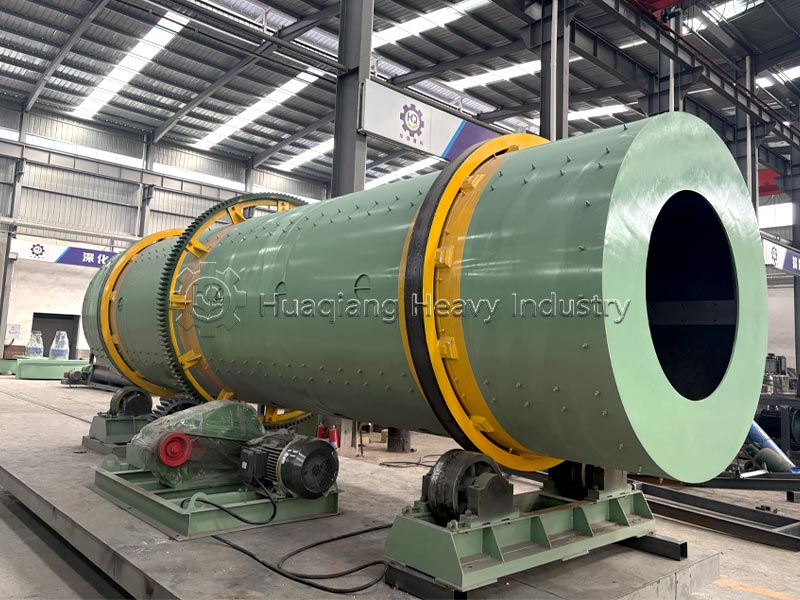
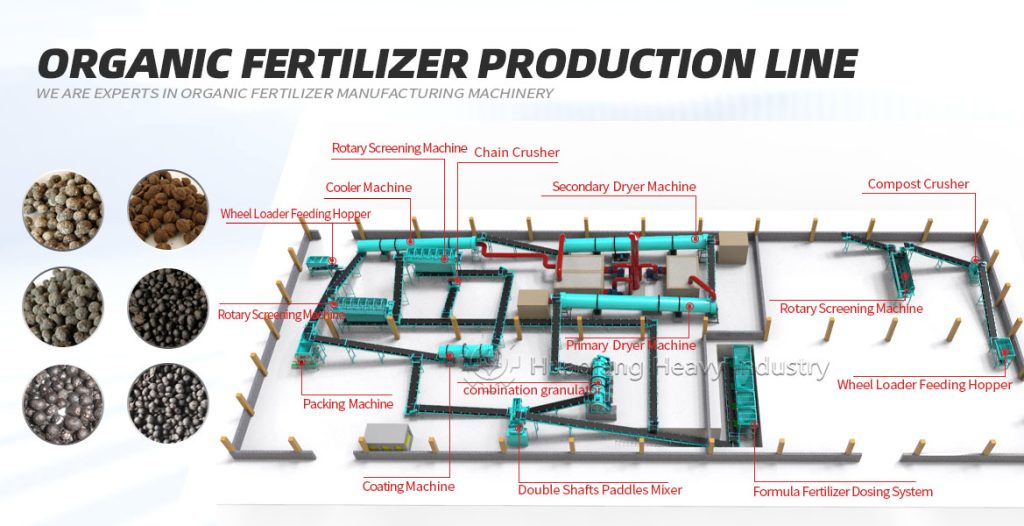
The core of organic fertilizer raw material selection is “scenario matching.” Different planting scenarios have different crop needs and soil conditions, leading to significant differences in raw material selection. Choosing the right raw materials and matching them with suitable organic fertilizer production equipment, rotary drum granulators, and organic fertilizer production lines can improve both fertilizer efficiency and production efficiency.

For field crops (corn, wheat, etc.): Prioritize low-cost and easily accessible raw materials such as livestock and poultry manure and straw. Suitable for large-scale planting, no complex pretreatment is required; basic organic fertilizer production equipment can process them. Large-scale processing can rely on organic fertilizer production lines.

For fruit and vegetable planting scenarios (vegetables, fruits): Focus on thoroughly decomposed raw materials such as mushroom residue and oilseed cake, which have a mild fertilizer effect, avoiding root burn and reducing fruit and vegetable deformities. Suitable for refined processing with organic fertilizer production equipment, and rotary drum granulators to ensure uniform granules.

For seedling and flower cultivation: Prioritize nutrient-balanced and well-aerated raw materials such as leaf mold and well-rotted cow manure, suitable for the delicate root systems of seedlings. Use organic fertilizer production equipment with precise processing control, coupled with a rotary drum granulator for shaping.

For greenhouses: Prioritize odorless raw materials such as well-rotted chicken manure and mushroom substrate waste to prevent the growth of pests and diseases within the greenhouse. Pre-treat these materials using organic fertilizer production equipment, then integrate them with the organic fertilizer production line to achieve standardized, odorless production.

Regardless of the application scenario, thorough decomposition of raw materials is essential. Selecting suitable raw materials and combining them with appropriate organic fertilizer production equipment and lines can achieve a dual improvement in fertilizer efficiency and production capacity.

Will organic fertilizer burn plants? Avoid it if you know the methods

Many farmers wonder when applying organic fertilizer: Organic fertilizer is mild and environmentally friendly, will it burn plants? The answer is: Organic fertilizer processed using proper organic fertilizer production equipment will not burn seedlings when applied correctly. Seedling burn is mostly due to improper application, not the organic fertilizer itself. Mastering the key points can prevent this.

There are three main causes of organic fertilizer burning. First, using uncomposted organic fertilizer. This type of organic fertilizer has often not undergone standardized processing on an organic fertilizer production line and has not been fully composted using a compost turning machine. It continues to ferment in the soil, generating heat, burning the roots and consuming oxygen, leading to root rot. Second, excessive application. High concentrations of organic matter in the soil create high osmotic pressure, causing the roots to lose water and burn the seedlings. Third, improper application. Directly scattering the fertilizer around the roots without mixing it evenly with the soil can lead to excessively high local concentrations that damage the roots.

Avoiding seedling burn only requires three things. First, ensure full composting. Use an organic fertilizer compost turning machine to complete the composting process through a complete organic fertilizer production line. Only use the fertilizer when it is odorless, loose, and fine. Secondly, control the dosage, applying an appropriate amount based on soil fertility and crop needs. Finally, apply scientifically, mixing the organic fertilizer thoroughly with the soil, or applying it in furrows or holes away from the root system.

In summary, organic fertilizer itself does not burn seedlings; the key is scientific application. By utilizing standardized organic fertilizer production equipment for proper decomposition, and combining it with reasonable dosage and methods, we can not only leverage its advantages in improving soil quality and increasing yield, but also completely avoid burning seedlings, thus promoting healthy crop growth.

Essential for planting! Three commonly used fertilizers: Usage and advantages explained in one article

In planting, fertilizer is the “nutrient” for crop growth; choosing the right fertilizer is crucial for improving quality and yield. There are many fertilizers on the market, but the most commonly used are organic fertilizers, chemical fertilizers, and bio-fertilizers. They have different characteristics and complementary advantages.

The first type is organic fertilizer, which focuses on “improving and nourishing the soil.” Its raw materials are natural materials such as livestock manure and straw. After composting and fermentation, it is processed through standardized organic fertilizer production lines, resulting in fertilizers rich in organic matter and trace elements. It can improve soil, enhance fertility, and alleviate compaction. It is suitable for long-term application and is compatible with various crops, especially beneficial for improving the quality of fruits and vegetables.

The second type is chemical fertilizer, which focuses on “rapid fertilization.” It contains macronutrients such as nitrogen, phosphorus, and potassium. It comes in single-element and compound forms, processed through NPK fertilizer production lines. It is high in nutrients, fast-acting, and can quickly alleviate nutrient deficiencies in crops. It is suitable for topdressing crops and is suitable for large-scale field planting, offering high efficiency and convenience.

The third type is bio-fertilizer, which focuses on “active empowerment.” Rich in beneficial microorganisms and prepared using a bio-organic fertilizer production line, this fertilizer can activate soil nutrients, promote crop absorption, inhibit harmful bacteria, and reduce pests and diseases. It provides both supplemental fertilization and soil nourishment, making it suitable for degraded soils and fields subjected to continuous cropping.

In summary, each of the three fertilizers has its own focus: organic fertilizer nourishes the soil, chemical fertilizer supplements fertilization, and bio-fertilizer enhances soil function. By flexibly combining these fertilizers according to soil and crop needs, high yields can be guaranteed while preserving long-term soil fertility.

When organic fertilizer deteriorates, it’s not simply a matter of losing its effectiveness

Many people mistakenly believe that deteriorated organic fertilizer is merely “useless,” but this is far from the truth. High-quality organic fertilizer requires standardized processing on an organic fertilizer production line, relying on equipment such as double screws compost turning machines for thorough decomposition. Deteriorated organic fertilizer, however, is often caused by improper production or storage. Its indiscriminate application can cause multiple harms to the soil, crops, and the environment, with negative impacts far exceeding simply “losing its effectiveness.”

For crops, deteriorated organic fertilizer directly damages them, even leading to reduced yields or crop failure. Harmful bacteria and insect eggs that breed within it can infect crop roots, causing diseases and resulting in yellowing and wilting of plants. The rancid substances and excessive ammonia nitrogen produced during deterioration can also burn roots and leaves, disrupting crop metabolism.

For the soil, deteriorated organic fertilizer disrupts its microecological balance and accelerates degradation. High-quality organic fertilizer, processed and decomposed using a double screws compost turning machine, can improve soil. However, harmful bacteria in spoiled fertilizer suppress beneficial microorganisms, leading to soil compaction and fertility imbalance, contradicting the soil-improving effects of high-quality fertilizer processed by organic fertilizer production equipment.

Furthermore, spoiled organic fertilizer pollutes the environment. When piled and applied, it emits a pungent odor, and when washed away by rainwater, it pollutes groundwater and farmland ditches, damaging the ecosystem.

Organic fertilizer spoilage is often due to improper storage and incomplete fermentation. The lack of proper decomposition control using equipment such as double screws compost turning machines in organic fertilizer production lines also increases the probability of spoilage. In conclusion, spoiled organic fertilizer is extremely harmful. Growers must carefully assess storage conditions and select high-quality, standardized fertilizers to protect both planting profits and the ecological environment.

Practical techniques for optimizing the granulation process of organic fertilizer disc granulators

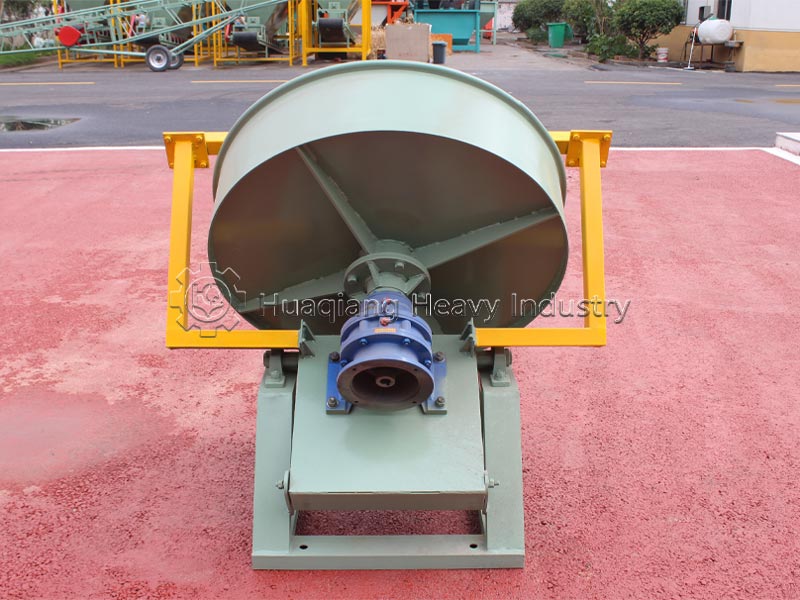
In organic fertilizer production equipment, the disc granulator is the core granulation equipment, and its granulation effect directly determines the quality and production efficiency of organic fertilizer granules. Optimization focuses on matching the characteristics of the organic fertilizer raw materials, and solving problems such as clumping and uneven particle size through precise control of raw materials, equipment parameters, and operational details, thus contributing to the efficient operation of organic fertilizer production equipment.

Optimizing raw material pretreatment is fundamental. Crush the fermented organic fertilizer to 60-80 mesh and remove impurities to prevent clogging; control the moisture content at 25%-35%, as both excessive dryness and wetness affect molding. Wood ash can be added to adjust viscosity, laying a solid foundation for efficient granulation by the organic fertilizer production equipment.

Equipment parameter adjustment is crucial. Adjust the disc inclination angle to 35°-45° and the rotation speed to 20-30 r/min to match the fluidity of the raw materials; maintain uniform feeding to avoid accumulation, ensuring stable operation of the organic fertilizer disc granulator and improving particle compactness.

Detail optimization can improve quality and efficiency. During granulation, evenly spray water or a binder to enhance particle strength; regularly clean the inner wall of the disc to prevent adhesion; and recycle unqualified granules to reduce losses, meeting the needs of large-scale organic fertilizer production equipment.

In summary, optimizing the granulation process requires considering both raw material characteristics and equipment compatibility. Through pretreatment, parameter adjustment, and meticulous control of details, the molding rate and quality of organic fertilizer granules can be significantly improved, production losses can be reduced, and the process can be adapted to the processing needs of large-scale organic fertilizer production lines.

How to determine if organic fertilizer has spoiled? 4 Intuitive methods

Spoiled organic fertilizer loses its effectiveness, carries pathogens, and damages crop roots. High-quality organic fertilizer is processed according to standardized production lines and fully decomposed using organic fertilizer production equipment such as large wheel compost turning machines. Spoiled fertilizer deviates from these standards. No professional testing is needed; four intuitive methods can quickly determine its quality and prevent misuse.

Observe Appearance: High-quality organic fertilizer processed on a production line and decomposed using a large wheel compost turning machine is brown or dark brown, with loose and uniform granules. If it is black, sticky, severely clump-like, or has white or green mold, it has spoiled.

Smell for Decomposition: High-quality organic fertilizer has only a faint, fermented, fishy smell. If it has a strong sour, rotten, or ammonia-like smell, fermentation is incomplete or it has spoiled, and its application will burn crops.

Feel for Dryness/Wetness: Normal organic fertilizer is loose and dry, crumbling easily when grasped. If it is sticky, damp, and water can be squeezed out, and it clumps and is difficult to break up, it indicates improper storage or spoilage.

A simple test to check activity: High-quality organic fertilizer dissolves slowly in water, leaving the water cloudy but without any foul odor; if it settles quickly, the water turns black, and has an unpleasant smell, it indicates spoilage and loss of effectiveness.

Furthermore, high-quality organic fertilizer, after processing at the end of the organic fertilizer production line, exhibits good stability and should be stored in a dry, well-ventilated place. Mastering these methods allows for quick assessment of whether organic fertilizer has spoiled, ensuring the selection of high-quality fertilizer for soil improvement.

Synergistic effect of microbial fermentation agents and organic fertilizer compost turning machines

Organic fertilizer composting is a crucial step in bio-fertilizer production. Relying solely on microbial fermentation agents or organic fertilizer compost turning machines makes it difficult to balance efficiency and quality. The scientific combination of the two can solve pain points such as slow composting, nutrient loss, and uneven fermentation, making it a core solution for high-quality organic fertilizer preparation.

The core of this combination is “reagent empowerment + equipment assistance,” exhibiting strong complementarity. Microbial fermentation agents can quickly activate beneficial bacteria in organic materials, accelerating the decomposition of raw materials such as straw and livestock manure, reducing odors, and retaining nutrients. Organic fertilizer compost turning machines optimize the fermentation environment, achieving uniform material mixing through regular turning, supplementing oxygen, and regulating temperature and humidity, ensuring optimal microbial activity.

Synergistic application accelerates both speed and quality: Without a compost turning machine, fermentation agents tend to accumulate locally, leading to uneven composting; without fermentation agents, turning only achieves physical mixing, significantly prolonging the composting cycle. With the combination of the two, the composting cycle can be shortened by more than 30%, resulting in fermented organic fertilizer with uniform nutrients and high beneficial bacteria activity, better suited to soil improvement and crop needs. Two points should be noted when applying this method: First, the dosage of microbial fermentation agent should be rationally proportioned according to the type of organic material; second, the turning frequency of the compost turner should be adjusted according to the fermentation progress to avoid excessive turning that depletes nutrients or insufficient turning that affects fermentation.

In summary, the combination of these two methods breaks through the limitations of single-operation methods, achieving the goal of “efficient, uniform, and high-quality” organic fertilizer composting. It is suitable for the fermentation of various organic materials, providing a simple and feasible solution for high-quality organic fertilizer production lines.

Commercial production of organic fertilizers: From production capacity to market realization

The core of commercial organic fertilizer production lies in balancing three key elements: “large-scale production, stable quality, and compliant adaptation.” Unlike small-scale workshop production, it requires considering production efficiency, product competitiveness, and market demand to achieve a closed-loop operation from raw material processing to terminal sales.

Precise market positioning is the prerequisite. It requires combining regional planting structures, focusing on economic crops such as fruits, vegetables, and tea, or field crops, and customizing formulas with high organic matter and targeted addition of trace elements. Simultaneously, differentiating between high-end organic fertilizers and general-purpose products is necessary to match the purchasing power and needs of different customer groups.

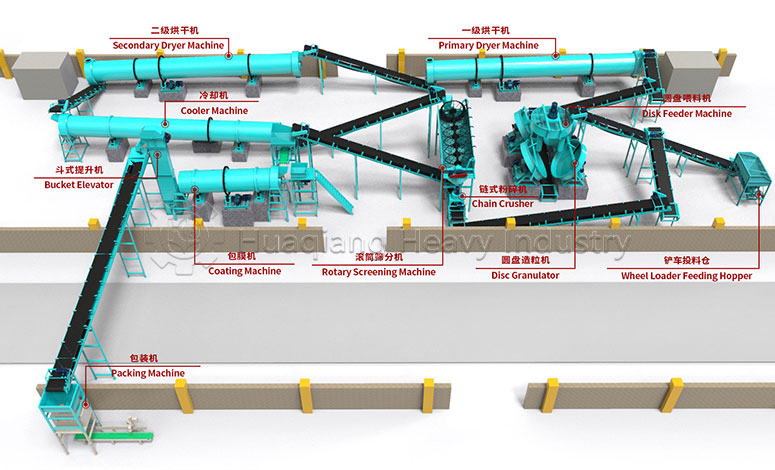
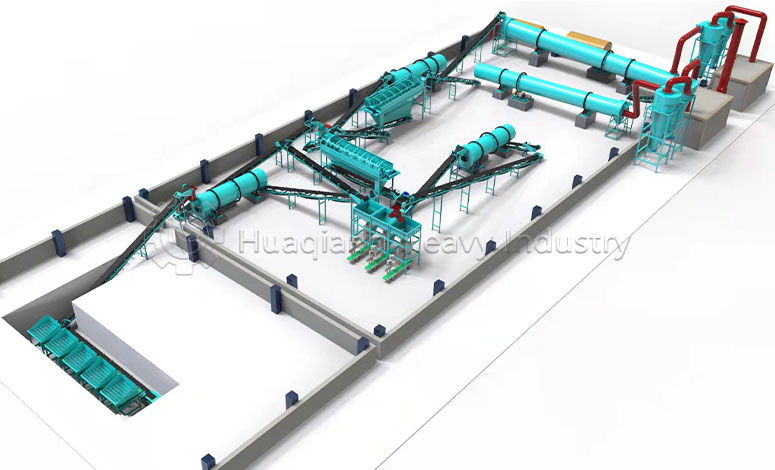
Standardized mass production is the core support. Establishing a complete organic fertilizer production line, using fertilizer mixers for uniform raw material mixing, relying on fermentation equipment to complete the composting process, and utilizing organic fertilizer granulation equipment to improve product appearance, can be linked with NPK fertilizer production lines to expand the range of compound organic fertilizers, balancing production capacity and product diversity.

Quality compliance is fundamental. Strictly adhering to national organic fertilizer standards, controlling raw material safety and maturity, regularly testing indicators such as organic matter and effective viable bacteria count, standardizing product labeling, and obtaining relevant production and organic certifications are crucial to mitigate compliance risks.

Channel layout and cost control determine profitability. Connecting with distributors, planting bases, and agricultural supply stores expands offline channels, while also leveraging online e-commerce for traffic; optimizing raw material procurement and production processes reduces energy consumption and operating costs, enabling large-scale profitability.

Classification and analysis of compaction technologies: Applicable types in different scenarios

Compaction is a process that uses external force to expel voids in materials and increase density, and it is widely used in many fields. Based on the pressure principle and working method, the mainstream compaction types are divided into four categories, suitable for different materials and scenarios.

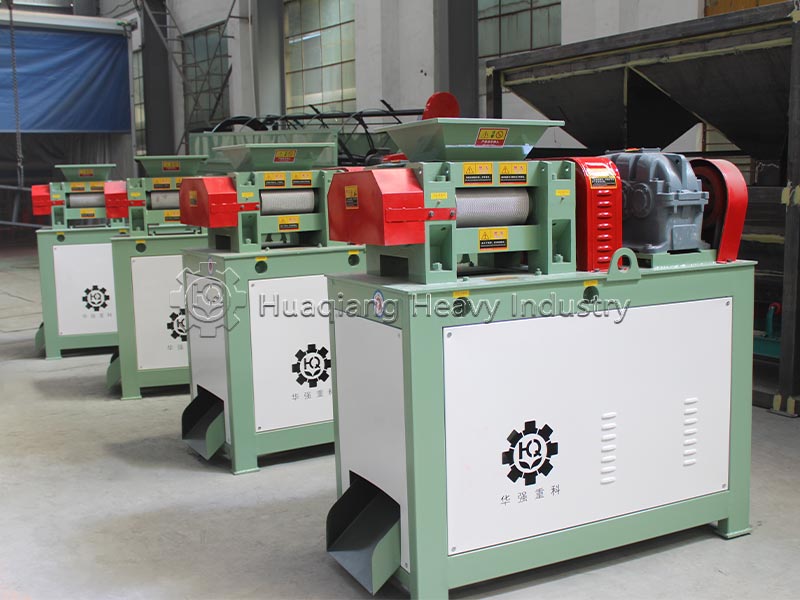
Static compaction is the basic type, relying on mechanical weight or hydraulic devices to apply continuous static pressure, causing material particles to rearrange and voids to shrink. The process is stable and impact-free, suitable for fine-grained materials, resulting in uniform compaction, but with limited effect on coarse-grained materials. In organic fertilizer production, double roller press granulators are typical static compaction equipment widely used in organic fertilizer production lines.

Impact compaction relies on instantaneous impact force to break through the material structure. High-intensity impact force is generated through the falling of heavy hammers or the rolling of impact wheels, achieving deep compaction. It is suitable for scenarios such as roadbed backfilling and landfill sites, improving deep-layer density, but the force needs to be controlled to avoid surface damage.

Vibratory compaction combines vibration and pressure. High-frequency vibration of the equipment suspends material particles, and pressure is applied to quickly fill the voids. Its efficiency far exceeds that of static compaction, and it is suitable for coarse-grained materials, offering both high efficiency and uniformity. As a commonly used organic fertilizer production equipment, it can be integrated into organic fertilizer production lines to compact coarse-grained raw materials or semi-finished products.

Composite compaction integrates multiple principles and can switch working modes, balancing surface uniformity and deep-layer density. It is suitable for complex materials and high-standard scenarios, and can adapt to raw materials with different moisture content and particle sizes, enabling precise pressure control and helping to improve the quality of organic fertilizer products.