Key control points for producing high-quality, high-efficiency organic fertilizer

Producing high-quality, high-efficiency organic fertilizer requires balancing nutrient safety and production efficiency. The core lies in precise control across the entire chain—raw materials, processes, equipment, and quality control—to achieve a dual improvement in quality and efficiency.

Raw material control is fundamental and a prerequisite. Selecting organic raw materials free of impurities, heavy metals, and pathogens, and precisely adjusting the carbon-to-nitrogen ratio to 25-35:1 and moisture content to 60%-65%, avoids raw material issues that could cause composting stagnation. Pre-treatment and crushing are also crucial to reduce subsequent processing time and pave the way for efficient production.

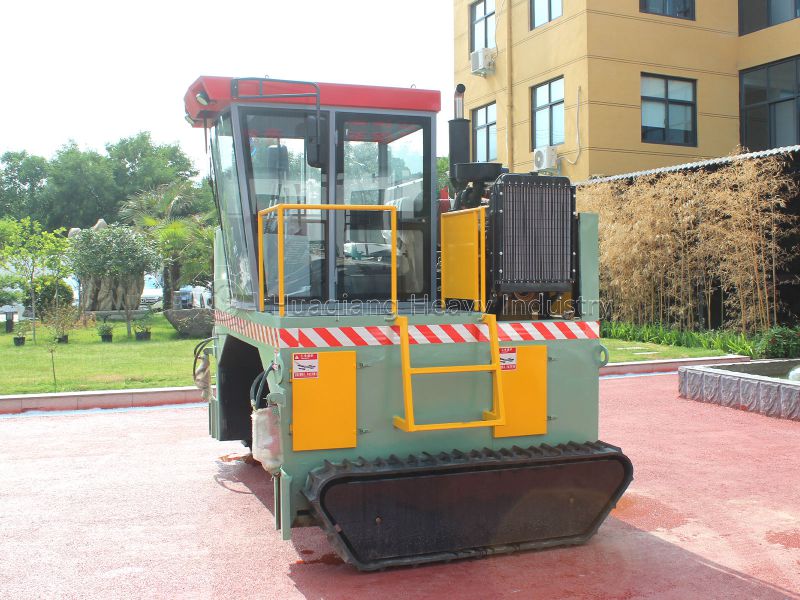
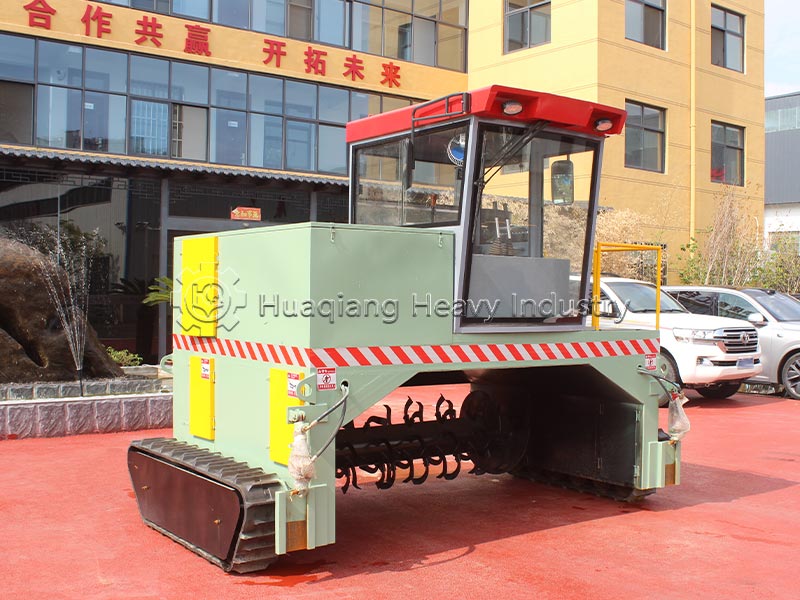
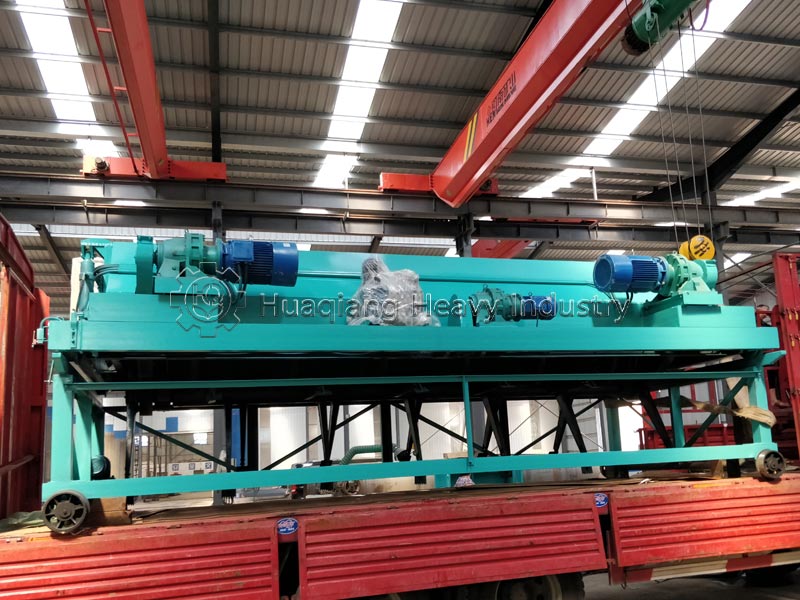
Process optimization balances quality and efficiency. A temperature-controlled fermentation process is employed, maintaining a high temperature of 55-65℃ for at least 3 days to thoroughly kill pathogens and insect eggs while shortening the composting cycle. Reasonable control of turning frequency, using a compost turning machine to ensure aeration of the compost pile, prevents uneven composting in certain areas, and improves overall fermentation efficiency.
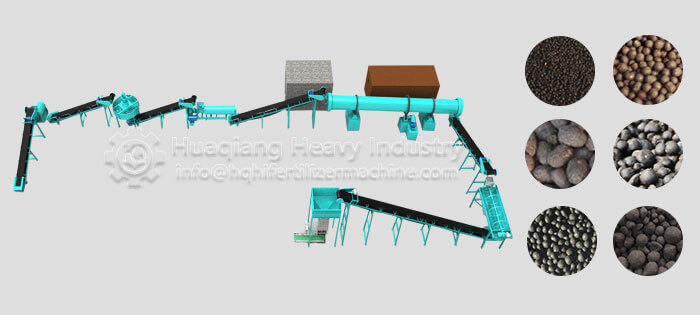
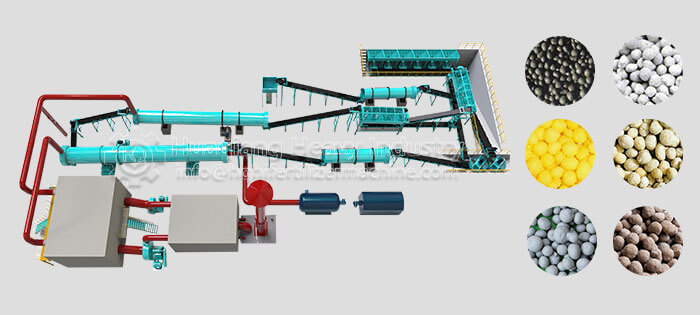
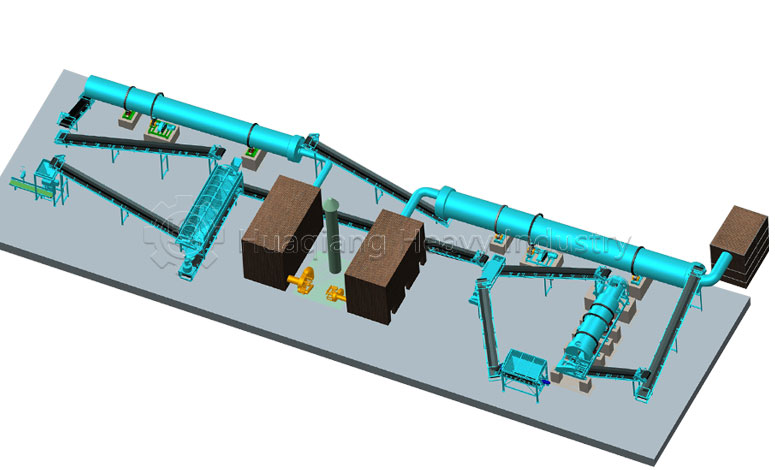
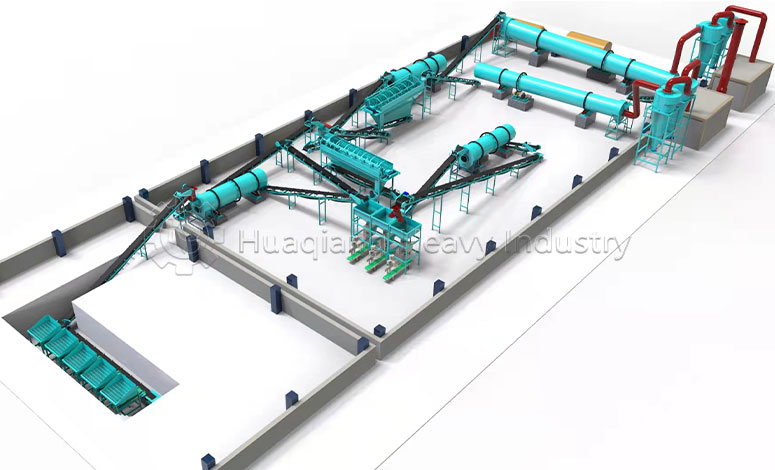
Equipment compatibility is key to efficient mass production. Selecting suitable organic fertilizer composting equipment for the raw materials, coupled with an automated organic fertilizer production line, achieves seamless integration of pretreatment, fermentation, granulation, and screening processes, reducing labor and transportation losses. Regular equipment maintenance ensures stable operation, preventing malfunctions from hindering progress and affecting quality.

Comprehensive quality control ensures stable finished product quality. A system for raw material testing, process monitoring, and finished product sampling has been established, focusing on testing indicators such as organic matter, pH value, and heavy metal residues. Qualified finished products are promptly sealed and stored to prevent moisture absorption and deterioration, ensuring quality standards are met and production capacity remains stable.
Composting avoidance guide: These items should never be added to compost

The core of composting is the beneficial decomposition of organic materials by microorganisms; not all waste is suitable for composting. Even with organic fertilizer composting equipment, improper addition of items can disrupt the compost balance, breed harmful substances, and even lead to compost ineffectiveness and soil pollution.

Kitchen Waste Prohibited: Grease, fatty meat, animal offal, and dairy products should not be added to the compost pile. These materials decompose slowly, easily clump together, and even with a compost turning machine, aeration is difficult to improve. They also easily attract flies and emit foul odors. Kitchen waste with excessive salt and sugar content will inhibit microbial activity, causing composting to stagnate and affecting fertilizer efficiency.

Chemicals and Synthetic Substances Strictly Prohibited: Non-degradable materials such as plastics and glass will leave residues in the compost, polluting the soil and potentially damaging equipment parts, clogging organic fertilizer production lines, and hindering commercial processing. Cleaning agents and pesticide residues contain chemical toxins that will kill beneficial bacteria and harm crops and human health; used batteries contain heavy metals, which will cause soil contamination.

Special organic waste. Plant residues carrying pathogens and pet feces may carry insect eggs and pathogens, which are difficult to completely kill with the high temperatures of ordinary organic fertilizer composting equipment. Even after thorough turning with a compost turning machine, pests and diseases can still easily spread. Mature weed seeds may not be inactivated after being added to the compost pile, leading to excessive weed growth in the field after application.

Composting must adhere to the principle of “natural organic, no harmful residues,” using only safe materials such as straw, vegetable leaves, and ordinary livestock and poultry manure to ensure compost quality and avoid secondary pollution.

The fastest way to increase soil nitrogen content: Read and apply directly

Nitrogen is a core nutrient for plant growth; nitrogen deficiency in the soil leads to stunted growth and yellowing leaves. Compound fertilizers produced by NPK fertilizer production lines and high-nitrogen organic fertilizers produced by organic fertilizer production lines can both supplement nitrogen. For rapid nitrogen supplementation, prioritize fast-acting methods, considering both absorption efficiency and soil suitability.

The fastest way to supplement nitrogen is to apply fast-acting chemical nitrogen fertilizers. These fertilizers can be mass-produced through NPK fertilizer production lines and absorbed by crops within 1-7 days. Commonly used fertilizers include urea and ammonium bicarbonate. Urea has a high nitrogen content and wide applicability; it can be applied in furrows, holes, or through irrigation. Dosage control is necessary to prevent root burn.

For a balance of rapid effect and soil improvement, consider combining fast-acting fertilizers with organic fertilizers. High-nitrogen organic fertilizers (such as composted chicken manure) efficiently processed by organic fertilizer compost turning machines, combined with amino acid water-soluble fertilizers, can quickly supplement nitrogen and improve soil. This is suitable for crops and soils that are sensitive to excessive chemical fertilizer application. Water-soluble fertilizers can be applied through spraying or drip irrigation for faster absorption.

When supplementing nitrogen, note the following: First, avoid single-nutrient supplementation; consider using NPK compound fertilizers combined with phosphorus and potassium fertilizers. Second, match the fertilizer to the soil; for acidic soils, add a small amount of lime to reduce nutrient loss. Shallow tillage and covering the soil can reduce nitrogen fertilizer volatilization, and organic fertilizers fully composted by composting machines can further reduce nutrient loss.

In summary, for purely fast-acting nitrogen supplementation, choose fast-acting chemical nitrogen fertilizers from NPK fertilizer production lines. For a balance of rapid effect and soil improvement, choose a combination of “fast-acting chemical fertilizer + organic fertilizer produced by organic fertilizer production lines.” Scientific application can quickly increase nitrogen levels and ensure crop and soil health.

Basic knowledge of large-scale composting on dairy farms: From raw materials to maturity

Large-scale composting on dairy farms is a key path to the resource utilization of manure and alleviating environmental pressures. The core is the transformation of dairy cow manure into high-quality organic fertilizer through microbial fermentation.

Raw material ratio is a prerequisite for successful composting. The core raw material is fresh dairy cow manure with a moisture content of 70%-80%. It needs to be mixed with auxiliary materials such as straw and sawdust to adjust the carbon-to-nitrogen ratio and moisture content. The ideal carbon-to-nitrogen ratio is controlled at 25-35:1, and the moisture content is adjusted to 60%-65% (it should clump together when squeezed in the hand, with water seeping between the fingers without dripping). The auxiliary materials account for 30%-40%, which prevents the compost from smelling bad and provides sufficient energy for microbial activity.

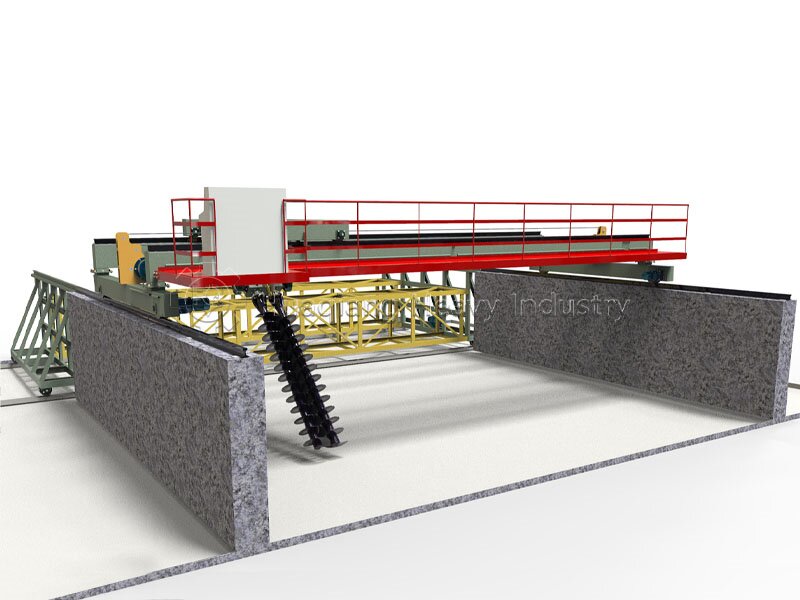
The fermentation process focuses on large-scale, efficient maturation, often using windrow compost turners or trough-type compost turners. The compost pile height is 1.5-2.0 meters and the width is 3-5 meters to ensure air permeability and heat retention. Fermentation is divided into three stages: First, the temperature is raised to 55℃ for 1-3 days, then maintained at 55-65℃ for at least 3 days to kill pathogens and insect eggs. Finally, the temperature is lowered to below 40℃, allowing microorganisms to continue decomposing organic matter. Regular turning and aeration throughout the process promotes uniform composting.

Quality control and final stages determine compost quality. The maturity standard is: temperature reduced to room temperature, dark brown color, no fecal odor, and organic matter content ≥30%. After screening and impurity removal, qualified material can be directly used as core raw material in organic fertilizer production lines to process into commercial fertilizer. Material not connected to the production line must be stored in a well-ventilated and dry place to prevent moisture absorption.

Composting principles and process implementation

Composting is essentially a microbially driven aerobic decomposition process. Through the metabolism of microbial communities, organic waste such as livestock manure and crop residues are transformed into stable humus, achieving harmlessness and resource utilization. The core principle is to regulate environmental conditions to suit microbial activity.

The composting process progresses through three stages. The high-temperature phase is the core stage, where thermophilic bacteria rapidly decompose organic matter, raising the pile temperature to 55-65°C for several days to kill pathogens and insect eggs; in the cooling phase, mesophilic bacteria take over the decomposition of residual organic matter, and the pile temperature drops to around 40°C; in the maturation phase, microbial activity stabilizes, and the organic matter is transformed into loose, odorless humus.

Process implementation requires controlling four key steps. First, raw material proportioning: mix carbon sources (straw, sawdust) and nitrogen sources (livestock manure) at a carbon-to-nitrogen ratio of 25:1-30:1, and adjust the moisture content to 55%-60% to provide a suitable environment for microorganisms. Second, piling: pile the materials into a pile 1.5-2 meters high to ensure aeration and prevent anaerobic fermentation.

Third, turning and control: use a large wheel compost turning machine or windrow compost turning machine to regularly turn the pile to replenish oxygen and adjust temperature and humidity. During the high-temperature phase, turn the pile every 2-3 days; the interval can be extended during the cooling phase. Fourth, maturation judgment: when the pile temperature drops to ambient temperature, there is no odor, and the material is black and loose granules, the composting process is complete. The entire process does not require complex equipment; large-scale production can rely on organic fertilizer production lines for precise parameter control to improve efficiency and quality.

Producing organic fertilizer from high-moisture animal manure requires several essential pieces of equipment

Animal manure typically has a moisture content of 70%-90%, making it prone to clumping and anaerobic fermentation, leading to putrefaction and making direct composting impossible. The key to fertilizer production is gradually reducing moisture and optimizing the fermentation environment. This requires a closed-loop organic fertilizer production line with specialized equipment to ensure efficiency and product quality, adapting to different processing scales.

The core of pretreatment is moisture reduction and blending equipment. A solid-liquid separator is crucial in the pretreatment stage of the organic fertilizer production line, quickly reducing the moisture content of the manure to 55%-65%, preventing anaerobic fermentation. Combined with crushing equipment for dry materials such as straw, and then mixed proportionally using mixing equipment to adjust the carbon-nitrogen ratio, a solid foundation for fermentation is laid.

The fermentation stage requires equipment adapted to high-moisture materials. Small-scale organic fertilizer production lines can use a double screws compost turning machine to break up clumps and provide oxygen and moisture during mixing; large-scale production lines can use horizontal fermentation tanks, which provide enclosed temperature and humidity control to accelerate decomposition, reduce odor emissions, and are suitable for continuous fermentation of high-moisture materials.

Deep processing and environmental protection equipment are indispensable. If producing granular fertilizer, a fertilizer granulator is needed to process semi-dry materials; drying equipment can reduce the moisture content of the finished product, improving storage and transportation stability. Simultaneously, odor treatment equipment is necessary to prevent secondary pollution, meet environmental requirements, and complete the entire process configuration.

In summary, producing fertilizer from high-moisture animal manure requires equipment focused on “moisture reduction—fermentation—quality improvement.” The core components are the solid-liquid separator and high-moisture-adapted fermentation equipment, supplemented by deep processing and environmental protection equipment as needed, to efficiently overcome the challenges of high moisture content and produce high-quality organic fertilizer.

What are the typical signs of nutrient deficiencies in crops?

Nutrient deficiencies in crops gradually manifest through changes in the appearance of leaves, stems, and fruits, with different nutrient deficiencies showing distinct symptoms. Understanding these characteristics allows for timely fertilization to mitigate losses. Targeted fertilizers produced by equipment such as organic fertilizer production lines and NPK fertilizer production lines can be used for supplementation.

Nitrogen, phosphorus, and potassium deficiencies are the most common. Nitrogen deficiency causes older leaves to yellow first, spreading from the leaf tip to the petiole. The plants are stunted and weak, and the leaves are dull. High-nitrogen compound fertilizers produced by NPK fertilizer production lines can be used for supplementation. Phosphorus deficiency results in dark green or purplish-red leaves, which are more noticeable in new leaves. The root system is weak, the stems are thin, and the crops mature late with low fruit set. Potassium deficiency causes scorching and browning of the leaf margins, forming “scorched edges,” which are first seen in older leaves. Stems are prone to lodging, and fruit expansion is slow. Potassium fertilizers produced by specialized fertilizer production equipment can alleviate this.

Micronutrient deficiencies have specific symptoms. Iron deficiency causes new leaves to yellow first, with the veins remaining green, forming “green veins on yellow leaves,” commonly seen in acidic soils. Magnesium deficiency causes chlorosis between the veins of older leaves, resulting in patchy discoloration, followed by leaf shedding, affecting photosynthesis. Boron deficiency can lead to crops failing to set fruit, deformed fruits, and root tip necrosis, which is particularly significant for fruits and vegetables.

Diagnostic tips: First, observe the location of the deficiency (old leaves/new leaves), then observe the color changes, and make a comprehensive judgment based on the crop and soil conditions. It is important to note that nutrient deficiency symptoms can be easily confused with diseases, pests, and drought. Local fertilization and observation of growth can help confirm the diagnosis. Accurate fertilization requires professional equipment such as NPK fertilizer production lines to produce balanced fertilizers tailored to specific needs.

On-demand fertilizer production: Simple methods for making organic fertilizers of different shapes

Organic fertilizers commonly come in powder, granular, and pellet forms. The core difference in their production lies in the molding process and equipment adaptation. The choice can be made flexibly based on planting needs, balancing efficiency and fertilizer effectiveness.

Powdered organic fertilizer: The simplest to produce, suitable for broadcasting. Composted materials (chicken manure, straw, etc.) are crushed and screened to remove impurities, requiring no molding step. Large-scale production can utilize mixing equipment in an organic fertilizer production line to adjust nutrients and then directly package the product. It is suitable for base fertilization in large fields and greenhouses, offering quick results and low cost.

Granular organic fertilizer: Suitable for mechanized application and convenient for storage and transportation. After crushing and screening the composted material, the moisture content is adjusted to 55%-60%, and then fed into a double roller press granulator for molding. After drying, cooling, and secondary screening, it is packaged. Small-scale composting can use small granulation equipment, while large-scale production can be integrated into an organic fertilizer production line. It is suitable for top dressing of fruit trees and vegetables, as it is less prone to caking and allows for even application.

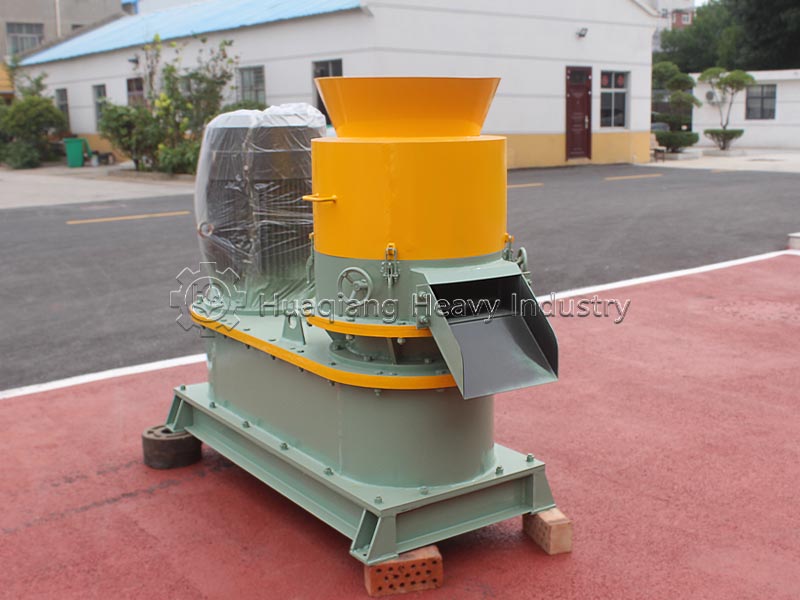
Pellet organic fertilizer: Suitable for hole application and furrow application. A flat die pelleting machine is used to extrude the pre-treated composted material (a small amount of binder can be added) into pellets, which are then cut, dried, and cooled. It has high density and long-lasting fertilizer effect, suitable for hole application in fruit trees and seedlings, reducing nutrient loss.

In summary, the core of producing different shapes of organic fertilizers is “standardized composting + appropriate molding.” Powdered fertilizer focuses on crushing and screening, while granular and pellet fertilizers rely on granulation equipment. Choosing the appropriate form based on needs can improve application convenience and maximize fertilizer effectiveness.

Compostable vs. Biodegradable: Don’t confuse these concepts

In everyday use, “compostable” and “biodegradable” are often used interchangeably, but they are not equivalent. Compostable is a subcategory of biodegradable, with the core differences lying in decomposition conditions, product requirements, and applicable scenarios.

Decomposition conditions and timelines differ significantly. Biodegradable substances can be decomposed by microorganisms in the natural environment, with no strict parameter requirements, and the decomposition period varies from months to years, greatly influenced by environmental factors. Compostable substances require a specific composting environment (temperature 55-65℃, humidity 55%-60%, aerobic), and require equipment such as compost turning machines to control temperature, humidity, and aeration, achieving complete decomposition within 3-6 months; in large-scale processing, organic fertilizer production lines can precisely control parameters to ensure decomposition efficiency.

Decomposition products and standards differ. Biodegradable substances only require decomposition into water, carbon dioxide, and microorganisms, with no specific residue requirements. Compostable materials must decompose into harmless humus. After processing on an organic fertilizer production line, they can be used as organic fertilizer to improve soil and must meet environmental standards for heavy metals and other pollutants, without causing secondary pollution.

The applicable scenarios differ. Biodegradable materials have a wide range and are suitable for natural degradation scenarios; compostable materials are mostly organic waste such as kitchen waste and straw, which are standardized and processed using organic fertilizer production equipment to ultimately achieve resource utilization.

A common misconception is that not all biodegradable materials are compostable. Some materials are difficult to completely decompose in a composting environment and may even pollute the byproducts. The core difference lies in whether “complete degradation + resource utilization” can be achieved under composting conditions.

Packaging machines for high-efficiency organic fertilizer production lines: The quality guardian in the final stage

As the core finishing equipment in a high-efficiency organic fertilizer production line, the packaging machine directly determines the storage and transportation stability and appearance regularity of the finished organic fertilizer. Its efficiency and adaptability are key to connecting production and distribution.

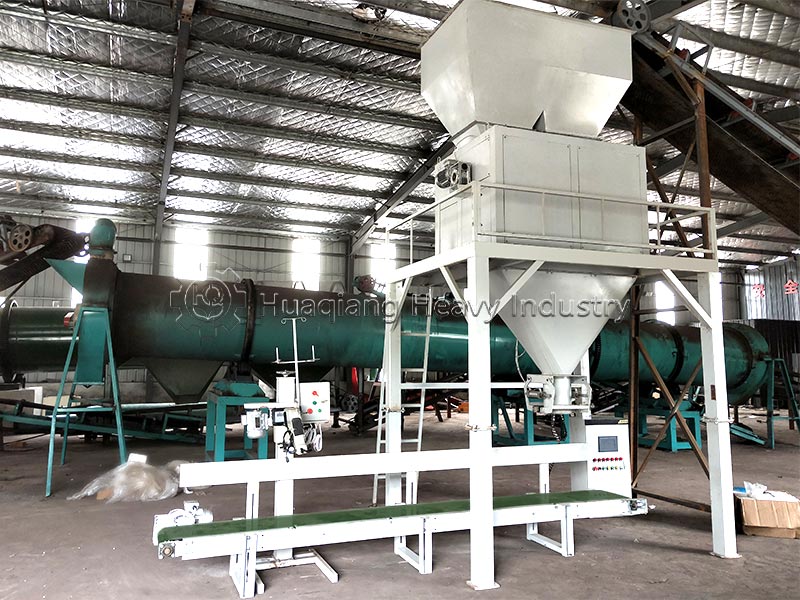
Mainstream packaging machine types cater to different production needs. Automatic quantitative packaging machines are the first choice for large-scale production lines, accurately controlling the weight of standard specifications such as 25kg and 50kg. Combined with a spiral feeding mechanism, it avoids particle breakage and blockage, achieving integrated feeding, weighing, and bagging, significantly improving efficiency. Vacuum packaging machines are suitable for bio-organic fertilizers that are prone to moisture absorption and contain active bacteria, effectively isolating them from air and moisture to extend shelf life. Sewing machines and heat-sealing machines, as supporting equipment, ensure sealed bag openings and prevent leakage and moisture absorption.

High-efficiency operation requires consideration of three key performance points. Quantitative accuracy is key; errors must be controlled within a reasonable range to ensure product standardization. The machine body must have an anti-sticking and anti-clogging design to address the sticky nature of organic fertilizers, reducing malfunctions and material waste. The level of automation must be compatible with the production line, linking with upstream granulation and screening processes to reduce manual intervention and improve overall efficiency.

High-quality fertilizer packaging machines can enhance the value of the finished product. Standardized packaging and reliable sealing reduce nutrient loss and clumping during storage and transportation, preserving fertilizer efficacy. Simultaneously, they can flexibly adapt to granular and powdered organic fertilizers, adjusting parameters to meet diverse production needs, ensuring a highly efficient closed-loop system for organic fertilizer production lines.